Old Maps of Westgate, Fort Collins for Genealogy
Trace your family roots with 17 historic maps of Westgate. These high-res maps reveal old neighborhoods, homesites, landmarks, and streets — helping you uncover where your ancestors lived and how the area evolved over time.
- Explore historic neighborhoods: Identify where your relatives may have lived in the 1800s or 1900s.
- Compare maps over time: Trace the changes in streets, buildings, and landmarks for multi-generational research.
- Perfect for genealogy & ancestry research: Used by family historians and researchers to map out lineage and migration.
These maps are an incredible resource for exploring your personal connection to Westgate's past.
Westgate, Fort Collins maps
(17)- 1906 Map of Fort Collins, 1955 Print
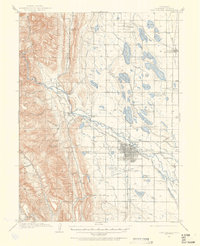 1906 Fort Collins1955 Print · USGSFort Collins and its surrounding ranchlands are shown at the start of the century as irrigation systems began to reshape the Larimer County plains. Researchers can trace early rail spurs like the Wellington Branch and find old landmarks like the Empire Mine and Colorado State Agricultural College.4 unique versions available
 - 1907 Map of Livermore, 1954 Print
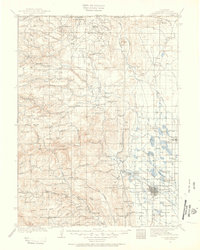 1907 Livermore1954 Print · USGSLarimer County at the turn of the century shows a frontier landscape transitioning into a settled ranching and rail corridor. Genealogists and historians can trace family-named sites like Maxwell Ranch alongside early landmarks like the Forks Hotel and Campbell Grove School.2 unique versions available
 - 1908 Map of Fort Collins
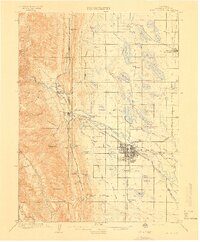 1908 Fort Collins1908 Print · USGSNorthern Colorado at the turn of the century reveals a landscape transformed by water engineering and rail. Genealogists and historians can trace the early footprints of Fort Collins, the Colorado State Agricultural College, and local industry at the Empire Mine.4 unique versions available
 - 1909 Map of Livermore
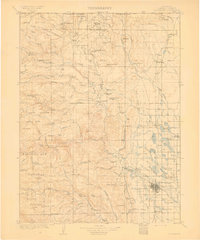 1909 Livermore1909 Print · USGSNorthern Colorado at the turn of the century shows a landscape of developing irrigation and early mountain industry. Trace the early streets of Fort Collins or find the remote Forks Hotel and Empire Mine among the foothills.4 unique versions available
 - 1954 Map of Greeley, 1966 Print
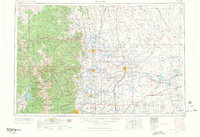 1954 Greeley1966 Print · USGSNorthern Colorado transitions from high-alpine peaks to the irrigated South Platte valley during this mid-century period of growth. Genealogists and historians can trace rail-connected hubs like Greeley and Longmont alongside landmarks like Horsetooth Reservoir and Estes Park.3 unique versions available
 - 1957 Map of Greeley
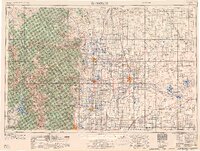 1957 Greeley1957 Print · USGSNorthern Colorado in the mid-fifties is captured here as the agricultural plains of Weld County meet the high peaks of the Front Range. Genealogists and historians can trace rail-linked towns like Keenesburg and Roggen or locate early water features such as Boyd Lake and Fossil Creek Reservoir.
 - 1958 Map of Greeley
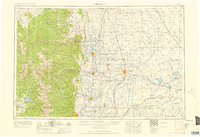 1958 Greeley1958 Print · USGSNorthern Colorado and the high peaks of the Front Range appear here in the mid-fifties as the region's agricultural and rail networks were fully established. Genealogists can locate family homes near Virginia Dale, Waverly, or Kuner, and trace the path of the Union Pacific Railroad through Greeley.
 - 1961 Map of Greeley
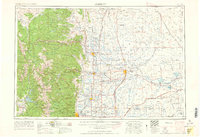 1961 Greeley1961 Print · USGSNorthern Colorado's transition from high mountain peaks to irrigated plains is captured here just as the post-war population boom reached the Front Range. Researchers can trace early water infrastructure and rail lines like the Great Western RR connecting sugar beet hubs from Fort Collins to Greeley.
 - 1962 Map of Horsetooth Reservoir, 1964 Print
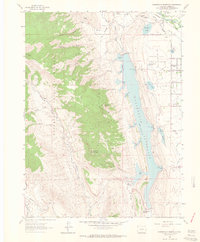 1962 Horsetooth Reservoir1964 Print · USGSThe foothills of Larimer County come alive in the early sixties as Horsetooth Reservoir reshapes the landscape near the Roosevelt National Forest. Researchers can locate the Overland Stage Station, Laporte Cem, and the historic Colorado and Southern rail line.8 unique versions available
 - 1964 Map of Greeley
 1964 Greeley1964 Print · USGSThe Front Range corridor and high peaks of the Rockies appear here in the mid-1960s, showing the intersection of mountain wilderness and plains agriculture. Trace the rail routes of the Great Western RR or locate landmarks like Longs Peak and Horsetooth Reservoir.
 - 1965 Map of Greeley
 1965 Greeley1965 Print · USGSNorthern Colorado in the mid-sixties shows a landscape defined by high mountain summits and the growing irrigation networks of the plains. Genealogists and historians can trace rail-side towns like Wellington or follow the early tracks of the Union Pacific Railroad past Longs Peak.
 - 1980 Map of Fort Collins, 1981 Print
 1980 Fort Collins1981 Print · USGSThe Front Range and high Rockies meet in Larimer County during the early 1980s. Local researchers can trace the growth of Fort Collins, the irrigation network around Wellington, and high-country outposts like Red Feather Lakes or the scenic canyon settlement of Mishawaka.
 - 2011 Map of Horsetooth Reservoir, 2011 Print
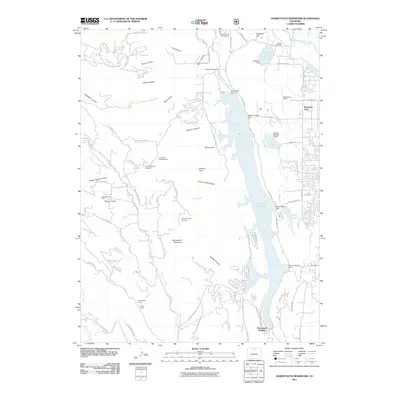 2011 Horsetooth Reservoir2011 Print · USGSThe foothills west of Fort Collins are mapped here in the early twenty-first century, showing the intersection of major water works and mountain terrain. Researchers can trace family history at the Kinnison Family Cemetery or explore land claims like the Estes Belle Claim near Inlet Bay.
 - 2013 Map of Horsetooth Reservoir, 2013 Print
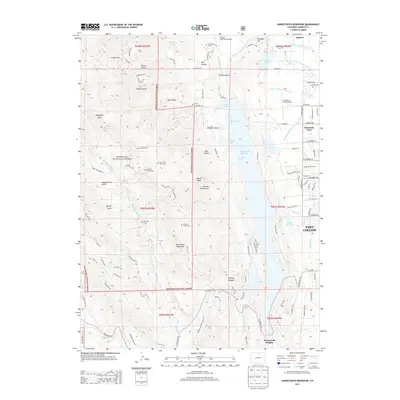 2013 Horsetooth Reservoir2013 Print · USGSThe foothills west of Fort Collins come into focus during this period of growth, showing the massive Horsetooth Reservoir and its surrounding parklands. Genealogists can locate family burial sites like Kinnison Family Cem and the Patterson Grave.
 - 2016 Map of Horsetooth Reservoir, 2016 Print
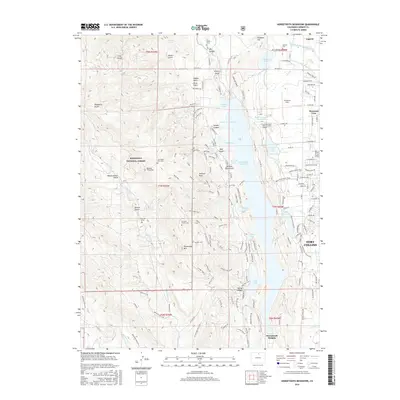 2016 Horsetooth Reservoir2016 Print · USGSFort Collins and the foothills to its west appear in detail during this period of active recreation and university expansion. Genealogists can locate specific family burial sites like Bardwell Family Cem and the isolated Patterson Grave near Spruce Gulch.
 - 2019 Map of Horsetooth Reservoir, 2019 Print
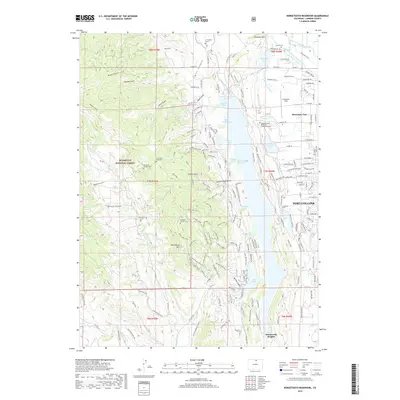 2019 Horsetooth Reservoir2019 Print · USGSThe western outskirts of Fort Collins and the foothills of the Front Range come into focus in the late 2010s. Trace local family history at the Bardwell Family Cem or locate historical landmarks like the U S Soldier Grave and Arthurs Rock.
 - 2022 Map of Horsetooth Reservoir, 2022 Print
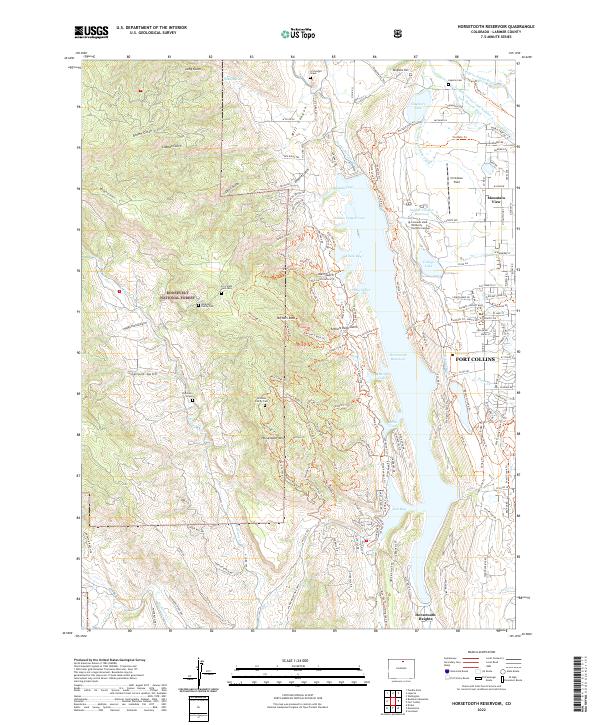 2022 Horsetooth Reservoir2022 Print · USGSThe eastern foothills of the Rockies meet the western edge of Fort Collins in this recent survey of Larimer County. Researchers can locate remote burial sites like the U S Soldier Grave and Patterson Grave or trace water systems from College Lake to the shoreline of Horsetooth Reservoir.
End of results
Showing maps 1-17 of 17
Frequently asked questions
- What are the different types of historical maps available for Westgate?
- What is the oldest map of Westgate?
- Where can I purchase historical maps of Westgate for my home or office?
- Where can I download high-res historical maps of Westgate?
- Are there historical topographic maps available for Westgate?
- Is there historical aerial imagery available for Westgate?
- Where are historical maps of Westgate sourced from?