Old Maps of Mansfield Center, Mansfield for Academic Research
Study the evolution of Mansfield Center with 18 high-resolution historic maps. Whether you're teaching, researching, or modeling changes in land use, these maps provide essential visual documentation of urban, environmental, and geographic change.
- Analyze long-term change: Track patterns in development, transportation, and natural features.
- Ideal for environmental or urban studies: Support academic projects with primary historical map data.
- Use in the classroom or lab: Educators and researchers rely on these maps to bring historical context to life.
These maps are a powerful tool for teaching, research, and visualizing how Mansfield Center has changed over the decades.
Mansfield Center, Mansfield maps
(18)- 1892 Map of Woodstock
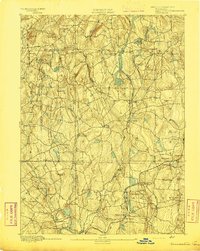 1892 Woodstock1892 Print · USGSNortheastern Connecticut at the close of the nineteenth century was a landscape of river-powered mill villages and independent farmsteads. Genealogists and historians can trace the paths between Mansfield Center, Phoenixville, and the New York and New England Railroad stops.6 unique versions available
 - 1921 Map of Woodstock
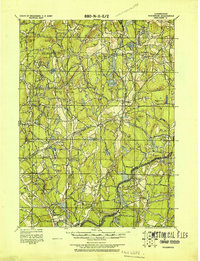 1921 Woodstock1921 Print · USGSWindham County villages and highland ridges are captured here during the early twentieth century, showing a landscape of small mill towns and glacial ponds. Researchers can trace the path of the New York New Haven and Hartford Railroad or locate family roots in Atwoodville, Phoenixville, or Mansfield Hollow.
 - 1945 Map of Spring Hill
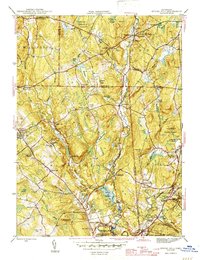 1945 Spring Hill1945 Print · USGSTolland and Windham Counties are documented here in the mid-1940s, highlighting the rural character of Mansfield and Chaplin. Researchers can find numerous family-named landmarks and old burial sites, including Wormwood Hill Cem, Bedlam Corner, and the early University of Connecticut campus.2 unique versions available
 - 1947 Map of Hartford, 1955 Print
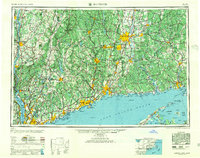 1947 Hartford1955 Print · USGSSouthern New England and the Hudson Valley are shown in detail during the post-war expansion era. Genealogists and researchers can trace local landmarks from the State Capitol and Yale University to the Stratford Lighthouse and Woodlawn Cem.2 unique versions available
 - 1948 Map of Hartford
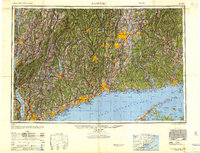 1948 Hartford1948 Print · USGSSouthern New England is captured here in the late 1940s, showcasing a landscape of thriving industrial cities and developing parkways. Genealogists and historians can trace the rail networks of the New York New Haven and Hartford RR or locate coastal defense sites like Fort Terry and Camp Shanks.2 unique versions available
 - 1953 Map of Spring Hill, 1955 Print
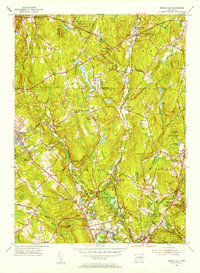 1953 Spring Hill1955 Print · USGSTolland and Windham counties are shown in the early fifties as the University of Connecticut expanded within a landscape of traditional hill towns. Trace ancestral roots through rural landmarks like Wormwood Hill Cem, the crossroads at Bedlam Corner, and the old rail line at North Windham.4 unique versions available
 - 1961 Map of Hartford
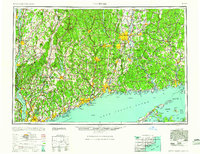 1961 Hartford1961 Print · USGSSouthern New England and the Hudson Valley are shown here in the mid-fifties, capturing a landscape of booming coastal cities and interior hill towns. Researchers can trace the legacy of the New York New Haven and Hartford rail corridor and find strategic sites like Camp Shanks and Fort Michie.
 - 1962 Map of Hartford, 1971 Print
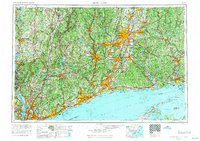 1962 Hartford1971 Print · USGSSouthern New England and the Hudson Valley are shown in the early sixties, as suburban growth reached into the foothills. Trace the path of the New York New Haven & Hartford RR and find landmarks like Camp Nathan Hale and Gillette Castle State Park.3 unique versions available
 - 1965 Map of Hartford
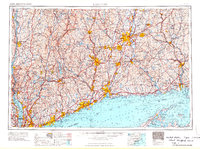 1965 Hartford1965 Print · USGSSouthern New England and the Hudson Valley are shown here during the mid-sixties expansion of the Interstate era. Trace the path of the New York New Haven & Hartford RR or locate historic landmarks like West Point Military Reservation and the Merritt Parkway.2 unique versions available
 - 1983 Map of Spring Hill
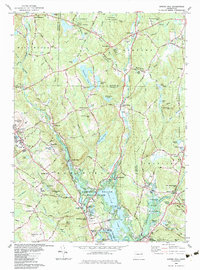 1983 Spring Hill1983 Print · USGSTolland and Windham Counties are captured here in the early 1980s, centered on the growing campus at Storrs. Researchers can trace the layout of Mansfield Center, locate the Old Mansfield Cem, or follow the Nipmuck Trail through the valley.3 unique versions available
 - 1986 Map of Hartford
 1986 Hartford1986 Print · USGSCentral Connecticut and the surrounding highlands were undergoing significant suburban growth and industrial transition during the mid-eighties. Researchers can trace the layout of regional landmarks including Bradley International Airport, the University of Connecticut, and the historic State Capitol.
 - 1994 Map of Hartford, 1995 Print
 1994 Hartford1995 Print · USGSGreater Hartford and the Connecticut River Valley are captured here in the mid-nineties, showing the dense intersection of industry and academia. Trace the urban footprint of the State Capitol and Trinity College or locate the sprawling grounds of the University of Connecticut.2 unique versions available
 - 2012 Map of Spring Hill, 2012 Print
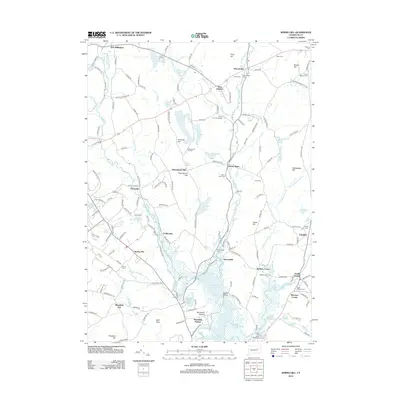 2012 Spring Hill2012 Print · USGSEastern Connecticut's village life remains visible in the early twenty-first century, centered on the river valleys of the Mansfield and Chaplin area. Genealogists can trace family names through numerous burial sites like Hillside Cem and Bedlam Cem, or locate landmarks such as Bassett Bridge.
 - 2015 Map of Spring Hill, 2015 Print
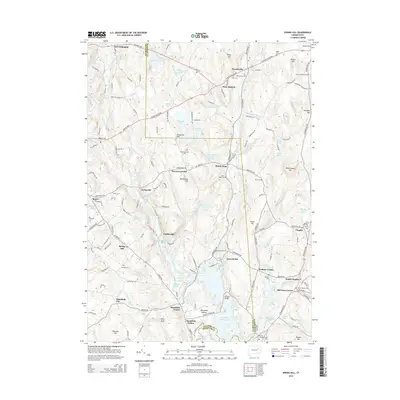 2015 Spring Hill2015 Print · USGSNortheastern Connecticut at the start of the twenty-first century reveals a landscape of historic hamlets and river valleys. Genealogists and local historians can trace numerous family burial sites, from Hillside Cem to Bedlam Cem, and explore old crossroads like Bedlam Corner and Mansfield Hollow.
 - 2018 Map of Spring Hill, 2018 Print
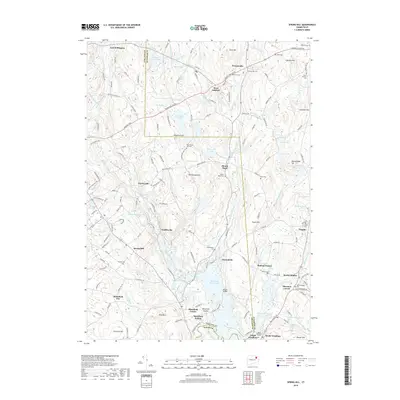 2018 Spring Hill2018 Print · USGSEastern Connecticut near the Windham and Tolland county line is shown here in the late twenty-teens, centering on the valley of the Fenton River. Genealogists can locate family burial plots at Wormwood Hill Cem or trace the early settlement at Mansfield Center.
 - 2021 Map of Spring Hill, 2021 Print
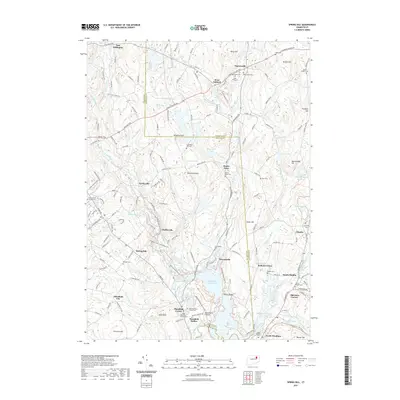 2021 Spring Hill2021 Print · USGSThe hill country of eastern Connecticut comes into focus in this recent survey of Mansfield and Chaplin. Genealogists can locate numerous burial sites such as Olde Mansfield Center Cem and Bedlam Cem, or trace the path of the Fenton River.
 - 2023 Map of Spring Hill, 2023 Print
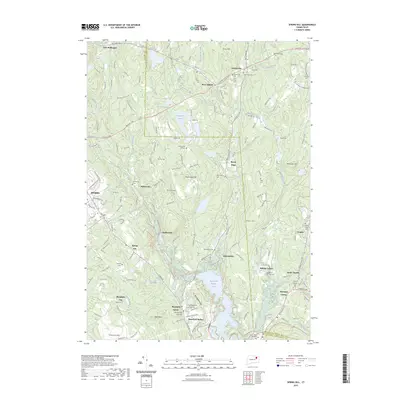 2023 Spring Hill2023 Print · USGSEastern Connecticut's wooded highlands and river valleys are captured here in the early twenty-first century, centered on the protected lands of Mansfield Hollow State Park. Researchers can locate several burial grounds including Saint Philip Cem and trace the paths of the Nipmuck Trl and Airline Trl.
 - 2024 Map of Spring Hill, 2024 Print
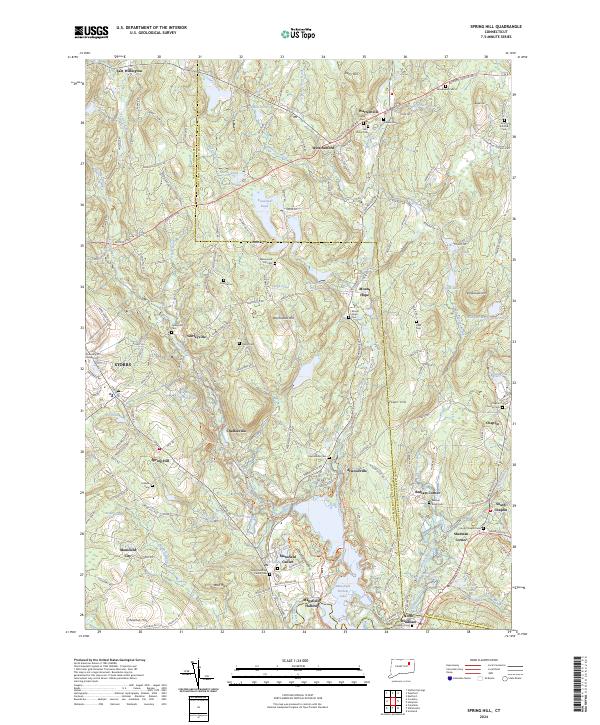 2024 Spring Hill2024 Print · USGSTolland County's landscape is defined by the academic hub of Storrs and a network of historic river valleys in the mid-2020s. Researchers can trace the layout of the University of Connecticut, find ancestors at Olde Mansfield Center Cem, or follow the Nipmuck Trl through Chaffeeville.
End of results
Showing maps 1-18 of 18
Top cities near Mansfield Center
- Norwich historical maps
- Vernon historical maps
- Mansfield historical maps
- Windham historical maps
- Willimantic historical maps
- Storrs historical maps
See more
Frequently asked questions
- What are the different types of historical maps available for Mansfield Center?
- What is the oldest map of Mansfield Center?
- Where can I purchase historical maps of Mansfield Center for my home or office?
- Where can I download high-res historical maps of Mansfield Center?
- Are there historical topographic maps available for Mansfield Center?
- Is there historical aerial imagery available for Mansfield Center?
- Where are historical maps of Mansfield Center sourced from?