Old Maps of Fort Peyton, Florida
Explore 12 old maps of Fort Peyton, spanning from 1937 to today. These high-resolution historic maps reveal how streets, neighborhoods, landmarks, and natural features evolved over time — perfect for genealogy, metal detecting, research, and local history exploration.
What you can do with these maps:
- See how Fort Peyton changed over time: Compare historical maps to modern-day views to trace roads, homesites, rail lines & more.
- View detailed metadata: Each map includes creators, publishers, year, scale, and archive source.
- Overlay maps with satellite & LiDAR: Visualize the past alongside modern tools to explore terrain & human change.
- Trusted historical sources: Maps sourced from the USGS, Library of Congress, and other archives.
- Access maps your way: View online, download high-res files, or order prints for personal or research use.
Start exploring old maps of Fort Peyton to uncover forgotten places, hidden landmarks, and the deep history beneath your feet.
Fort Peyton, FL maps
(12)- 1937 Map of Crescent Beach
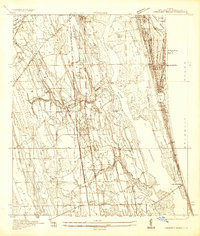 1937 Crescent Beach1937 Print · USGSCoastal St. Johns County in the late thirties shows a landscape of developing beach colonies and inland rail outposts. Researchers can locate the San Lorenzo Cem, trace the grounds of Fort Peyton, or explore industrial sites like the Turpentine Camp.
 - 1943 Map of St. Augustine
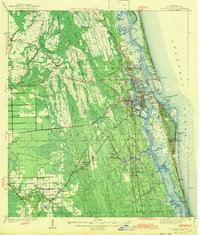 1943 St. Augustine1943 Print · USGSSt. Augustine and the Atlantic coast appear here in the early 1940s, showing the historic city alongside its growing beach communities. Researchers can trace the legacy of the Florida East Coast Railway and locate landmarks like Fort Marion Nat Mon and Fort Peyton.2 unique versions available
 - 1954 Map of Daytona Beach, 1974 Print
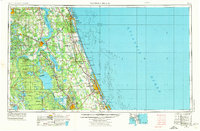 1954 Daytona Beach1974 Print · USGSNortheast Florida is captured in the mid-1950s, showing the transition from river-based commerce to coastal tourism. Researchers can trace the Florida East Coast rail lines and find historic sites like Castillo de San Marcos Nat Mon and Palatka.
 - 1956 Map of St. Augustine Beach, 1961 Print
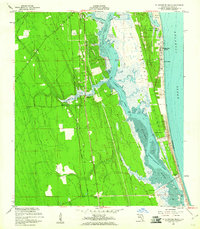 1956 St. Augustine Beach1961 Print · USGSCoastal St. Johns County comes alive in the mid-fifties, showing a landscape defined by the shifting sands and tidal marshes between the rivers and the sea. Researchers can trace family sites at San Lorenzo Cem, explore the early footprint of St Augustine Beach, and follow the Florida East Coast Railroad through the Florida pine flatwoods.5 unique versions available
 - 1958 Map of Daytona Beach
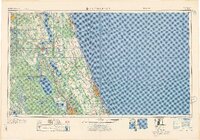 1958 Daytona Beach1958 Print · USGSThe Florida coast and St. Johns River valley are captured in the late 1950s, showing a landscape defined by citrus-belt rail towns and Atlantic shorelines. Genealogists can trace family roots through riverside settlements like Palatka and Welaka or coastal hubs like Daytona Beach.2 unique versions available
 - 1964 Map of Daytona Beach
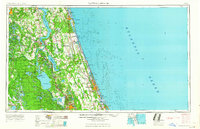 1964 Daytona Beach1964 Print · USGSCoastal Florida in the mid-1960s shows a fascinating balance between burgeoning beach tourism and the deep interior wilderness of the Ocala National Forest. Researchers can trace the path of the Florida East Coast railway through historic settlements like St. Augustine, Marineland, and Palatka.
 - 1981 Map of Saint Augustine, 1982 Print
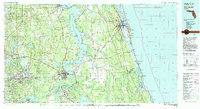 1981 Saint Augustine1982 Print · USGSNortheast Florida in the early eighties shows a landscape of deep river commerce and coastal growth. Genealogists and historians can trace the inland rail network of the Seaboard Coast Line through rural Hastings or explore the military footprint of Camp Blanding.2 unique versions available
 - 2012 Map of Saint Augustine Beach, 2012 Print
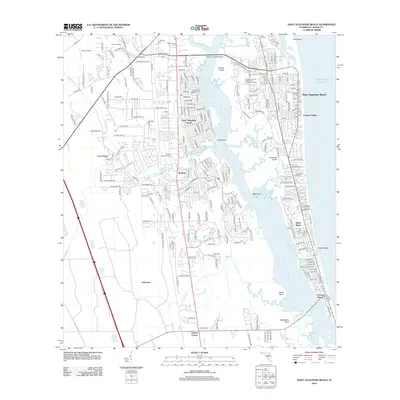 2012 Saint Augustine Beach2012 Print · USGSCovers Fort Peyton, including Saint Augustine, Saint Augustine Beach, and other nearby areas
 - 2015 Map of Saint Augustine Beach, 2015 Print
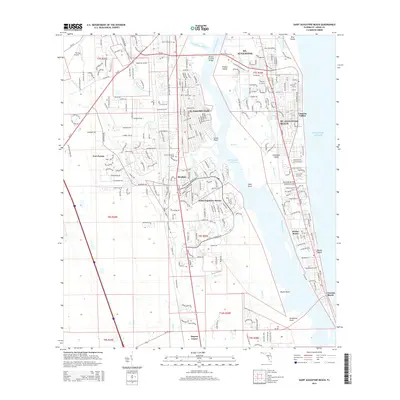 2015 Saint Augustine Beach2015 Print · USGSCovers Fort Peyton, including Saint Augustine, Saint Augustine Beach, and other nearby areas
 - 2018 Map of Saint Augustine Beach, 2018 Print
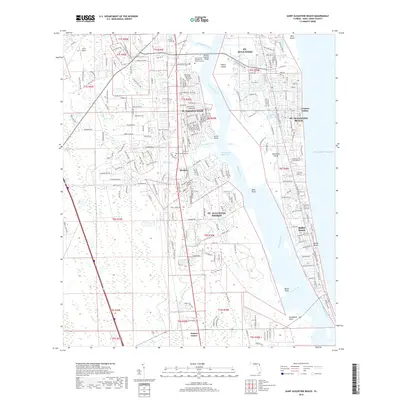 2018 Saint Augustine Beach2018 Print · USGSCovers Fort Peyton, including Saint Augustine, Saint Augustine Beach, and other nearby areas
 - 2021 Map of Saint Augustine Beach, 2021 Print
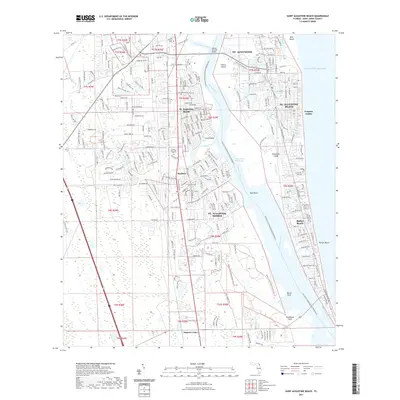 2021 Saint Augustine Beach2021 Print · USGSCovers Fort Peyton, including Saint Augustine, Saint Augustine Beach, and other nearby areas
 - 2024 Map of Saint Augustine Beach, 2024 Print
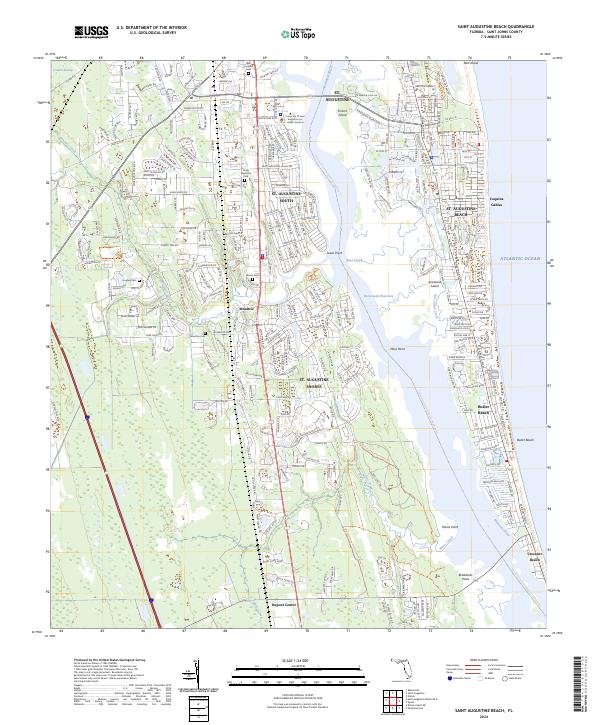 2024 Saint Augustine Beach2024 Print · USGSThe Florida coast south of the historic city appears here in its modern development, where the Matanzas River meets the sea. Genealogists and local historians can locate established burial sites like San Lorenzo Cem and Moultrie Cem alongside the developed neighborhoods of Butler Beach.
End of results
Showing maps 1-12 of 12
Top cities near Fort Peyton
- Palm Coast historical maps
- Saint Augustine historical maps
- Saint Augustine Beach historical maps
- Saint Augustine South historical maps
- Saint Augustine Shores historical maps
- Hastings historical maps
See more
Frequently asked questions
- What are the different types of historical maps available for Fort Peyton?
- What is the oldest map of Fort Peyton?
- Where can I purchase historical maps of Fort Peyton for my home or office?
- Where can I download high-res historical maps of Fort Peyton?
- Are there historical topographic maps available for Fort Peyton?
- Is there historical aerial imagery available for Fort Peyton?
- Where are historical maps of Fort Peyton sourced from?