Old Maps of Chattahoochee County, Georgia for Metal Detecting
Plan your next treasure hunt with 97 historic maps of Chattahoochee County. Find old homesites, ghost towns, trails, and gathering spots that may be lost to time — perfect for identifying promising metal detecting locations.
- Locate forgotten sites: Uncover places like long-lost settlements, abandoned rail lines, or gathering spots.
- Plan better hunts: Use map overlays combined with LiDAR or satellite views to narrow in on historically rich areas.
- Made for detectorists: Thousands of hobbyists use these maps to discover relics, coins, and hidden history.
Use these historic maps to boost your research and find new opportunities beneath the surface of Chattahoochee County.
Chattahoochee County, GA maps
(97)- 1907 Map of Talbotton
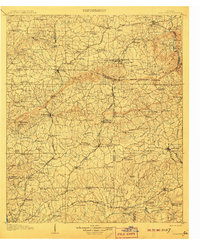 1907 Talbotton1907 Print · USGSWest-central Georgia at the turn of the century is a landscape of ridges and rail-lines, dominated by the thermal waters of Warm Springs. Local historians can trace the foundations of Talbotton and rural life at Turntime Crossroads, Cataula Camp Ground, and Greens Mill.3 unique versions available
 - 1908 Map of Columbus
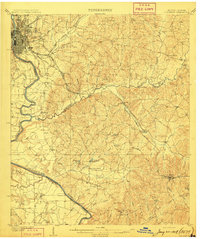 1908 Columbus1908 Print · USGSThe Chattahoochee riverfront at the dawn of the century shows the thriving river-and-rail economy of the Georgia-Alabama border. Genealogists and historians can trace early landings like BRADLEY LDG, rural congregations at Goodhope Church, and the operations at Cooks Mill.8 unique versions available
 - 1914 Map of Seale
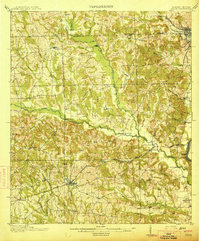 1914 Seale1914 Print · USGSRussell County's agricultural and railroad landscape is meticulously documented just before the First World War. Genealogists can trace family connections through local landmarks like Kite School, the community of Sand Fort, and historical river crossings like Perrys Ford.6 unique versions available
 - 1929 Map of Columbus
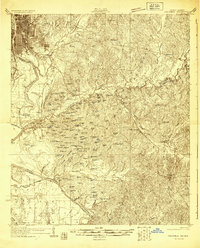 1929 Columbus1929 Print · USGSThe Georgia-Alabama borderlands come alive in this late 1920s survey of the bustling military and rail hub around Columbus. Genealogists and historians can trace the transition from rural farmsteads to military grounds at Fort Benning, identifying family landmarks like Greenwood Hill and Holliday Hill.
 - 1947 Map of Columbus, 1954 Print
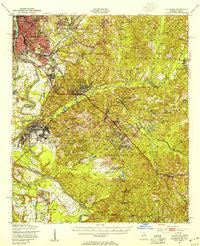 1947 Columbus1954 Print · USGSPostwar Georgia and Alabama meet along the Chattahoochee River in this detailed study of military expansion and urban growth. Genealogists and historians can trace family-named landmarks across Fort Benning and locate sites like Riverdale Cem, Midway Ch, and Baker Village.2 unique versions available
 - 1949 Map of Fort Mitchell
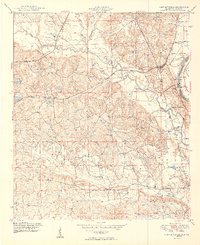 1949 Fort Mitchell1949 Print · USGSRussell County, Alabama, was a landscape of military expansion and rural rail stops shortly after the war. You can trace the Central of Georgia line as it passes through Fort Mitchell and Lato, or locate riverfront sites like Bradley Landing.2 unique versions available
 - 1949 Map of Glen Alta
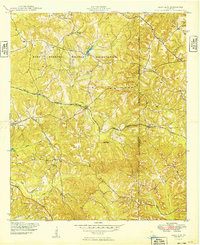 1949 Glen Alta1949 Print · USGSWestern Georgia at the end of the 1940s reveals a rural landscape increasingly influenced by the expansion of Fort Benning. Researchers can trace the rail paths of the Central Georgia and Seaboard through small communities like Ida Vesper and Glen Alta.2 unique versions available
 - 1949 Map of Julia
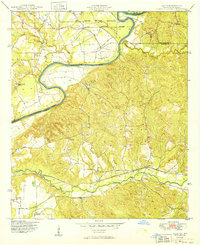 1949 Julia1949 Print · USGSThe river border between Georgia and Alabama comes alive in this post-war survey of the Stewart County backcountry. Genealogists can trace family landholdings like Heard Place and Slayton Place along the Seaboard Air Line and Hannahatchee Creek.2 unique versions available
 - 1949 Map of Upatoi
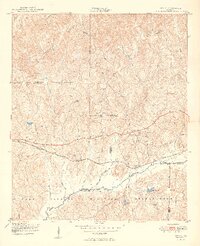 1949 Upatoi1949 Print · USGSThe Fort Benning boundary and the Central of Georgia railroad define this corner of Georgia in the late forties. Researchers can trace family landmarks like Mt Carmel Church and the rural settlements at Upatoi and Box Springs.2 unique versions available
 - 1949 Map of Ochillee
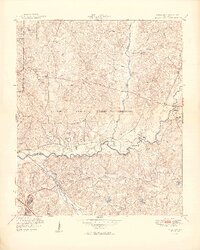 1949 Ochillee1949 Print · USGSThe border of Muscogee and Chattahoochee counties in the late 1940s reveals a landscape transitioning between rural life and military expansion. Genealogists and historians can trace the paths of the Central of Georgia railroad near Ochillee or find family landmarks like Midway School Cemetery and Eelbeck.2 unique versions available
 - 1949 Map of Buena Vista NW
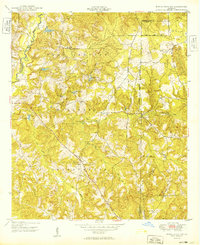 1949 Buena Vista NW1949 Print · USGSChattahoochee and Marion counties appear here in the late 1940s as the expanding military footprint integrated with rural Georgia life. Researchers can trace land use and community hubs like Gallups Mill, John Thomas School, and the remote Fellowship Church.
 - 1949 Map of Columbus
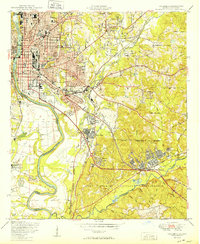 1949 Columbus1949 Print · USGSColumbus and Phenix City flank the Chattahoochee River during a period of massive military growth following the war. Genealogists can trace family footprints through Linwood Cem and neighborhood schools like St Elmo School or Jordan High School.2 unique versions available
 - 1949 Map of Cusseta
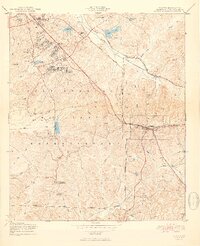 1949 Cusseta1949 Print · USGSCusseta and the surrounding Chattahoochee County landscape are caught in a moment of transition during the post-war years as the military footprint expands. Researchers can trace the intersection of the Central of Georgia railroad with local sites like Jamestown and Goodhope Cemetery.2 unique versions available
 - 1950 Map of Fort Benning
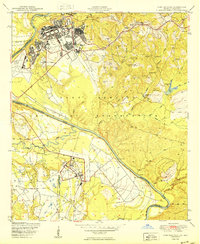 1950 Fort Benning1950 Print · USGSFort Benning and the surrounding riverlands appear in sharp detail during the post-war era as the military reservation expanded across the Georgia-Alabama line. Researchers can trace the mid-century infrastructure of the Fort Benning post alongside natural landmarks like Uchee Creek and McMurrin Pond.
 - 1950 Map of Louvale, 1953 Print
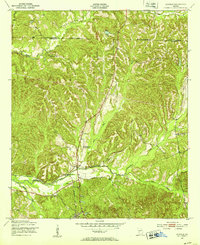 1950 Louvale1953 Print · USGSStewart County at the mid-century mark shows a landscape of rural schoolhouses and rail stops along the Seaboard Line. Trace the locations of Louvale Sch, Bethlehem Ch, and the small community of Mount Olive near the winding Hannahatchee Creek.
 - 1950 Map of Seale, 1955 Print
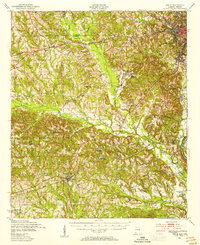 1950 Seale1955 Print · USGSRussell County during the mid-century shows a landscape of small farming communities and expanding military boundaries. Genealogists can trace family roots through numerous rural landmarks like Evans Cem, Hillside Chapel, and the Brickyard Sch.
 - 1950 Map of Buena Vista, 1955 Print
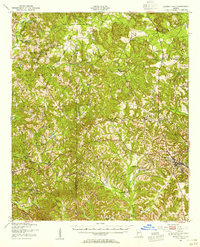 1950 Buena Vista1955 Print · USGSWest Georgia in the mid-1950s shows a landscape of rural schoolhouses and family-run mills bordering the Fort Benning Military Reservation. Researchers can locate historic rural centers like Brantley, trace the Central of Georgia rail line, and find sites like Callops Mill or Bates Chapel School and Cemetery.
 - 1950 Map of Lumpkin, 1955 Print
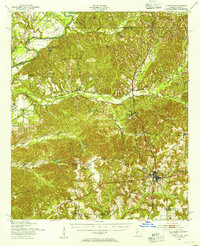 1950 Lumpkin1955 Print · USGSStewart County and the Chattahoochee River valley appear in the mid-fifties as a landscape of deep canyons, family farmsteads, and rail-side settlements. Researchers can trace local genealogy through numerous sites like Fitzgerald Cem, Oak Grove Sch, and Ushers Mill Pond.
 - 1950 Map of Talbotton, 1955 Print
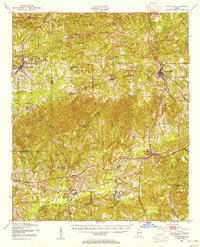 1950 Talbotton1955 Print · USGSWestern Georgia at the start of the fifties reveals a landscape of rural railroad towns and numerous country churches. Genealogists can trace family connections at Waverly Hall Cem or locate old community centers like Box Springs, Geneva, and Matthews Chapel.
 - 1955 Map of Ochillee, 1959 Print
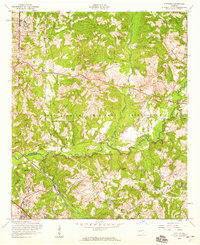 1955 Ochillee1959 Print · USGSMuscogee and Chattahoochee Counties are shown in the mid-1950s as the military landscape of Fort Benning reshaped the rural South. Researchers can trace the Central of Georgia rail line past Ochillee, Midway Ch, and landmarks like Cooks Mill Pond.5 unique versions available
 - 1955 Map of Buena Vista NW, 1959 Print
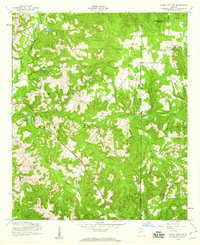 1955 Buena Vista NW1959 Print · USGSChattahoochee and Marion Counties are shown in the mid-fifties as the military landscape expanded through the Georgia woods. Researchers can locate family landmarks like Gallups Millpond and rural worship sites including County Line Ch.3 unique versions available
 - 1955 Map of Fort Mitchell, 1959 Print
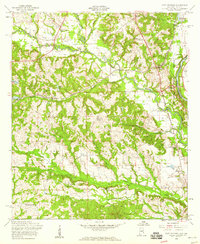 1955 Fort Mitchell1959 Print · USGSThe Alabama-Georgia borderlands come to life in the mid-fifties as the Chattahoochee River meets the expanding Fort Benning Military Reservation. Genealogists and local historians can trace rural sites like Oswichee, Bradley Landing, and the Providence Cem before modern development altered the landscape.3 unique versions available
 - 1955 Map of Fort Benning, 1959 Print
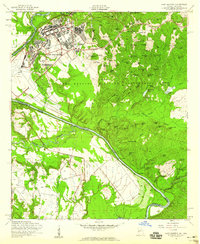 1955 Fort Benning1959 Print · USGSThe mid-1950s expansion of the Fort Benning Military Reservation is captured here along the Chattahoochee River. Researchers can trace the development of military infrastructure at Lawson Field and locate family-named landmarks like Riche Hill or McMurrin Pond.4 unique versions available
 - 1955 Map of Glen Alta, 1959 Print
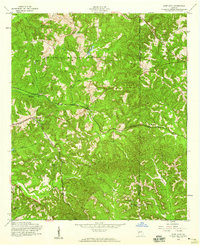 1955 Glen Alta1959 Print · USGSMid-century Chattahoochee County is defined here by the meeting of major rail lines and the expanding grounds of a military outpost. Genealogists and local historians can trace rural landmarks like Zion Hills Ch, the St Mathews Sch, and the junction of the Seaboard Air Line railroad.3 unique versions available
 - 1955 Map of Columbus, 1959 Print
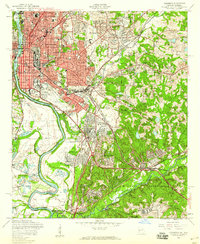 1955 Columbus1959 Print · USGSMid-century Columbus and Phenix City thrive along the river at the height of their industrial and military significance. Genealogists and local historians can locate many vanished city schools, the sprawling Rose Hill Cemetery, and the early layout of the Fort Benning Military Reservation.5 unique versions available
Showing maps 1-25 of 97
Top cities of Chattahoochee County
Frequently asked questions
- What are the different types of historical maps available for Chattahoochee County?
- What is the oldest map of Chattahoochee County?
- Where can I purchase historical maps of Chattahoochee County for my home or office?
- Where can I download high-res historical maps of Chattahoochee County?
- Are there historical topographic maps available for Chattahoochee County?
- Is there historical aerial imagery available for Chattahoochee County?
- Where are historical maps of Chattahoochee County sourced from?