Old Maps of Lamar County, Georgia for Metal Detecting
Plan your next treasure hunt with 60 historic maps of Lamar County. Find old homesites, ghost towns, trails, and gathering spots that may be lost to time — perfect for identifying promising metal detecting locations.
- Locate forgotten sites: Uncover places like long-lost settlements, abandoned rail lines, or gathering spots.
- Plan better hunts: Use map overlays combined with LiDAR or satellite views to narrow in on historically rich areas.
- Made for detectorists: Thousands of hobbyists use these maps to discover relics, coins, and hidden history.
Use these historic maps to boost your research and find new opportunities beneath the surface of Lamar County.
Lamar County, GA maps
(60)- 1935 Map of Thomaston
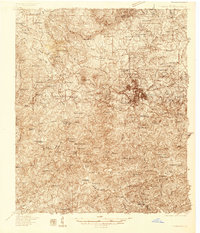 1935 Thomaston1935 Print · USGSIn the mid-1930s, the industrial corridor around THOMASTON and Silvertown anchored this Georgia landscape. Genealogists and historians can trace the river's influence through several decommissioned crossings like Du Bignon Ferry and family hubs like McCrary Settlement.
 - 1939 Map of Thomaston
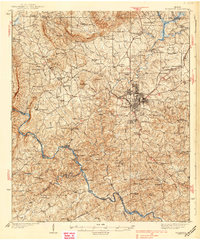 1939 Thomaston1939 Print · USGSUpson County and the industrial town of Thomaston are captured here in the late 1930s, showing a landscape of textile mills and family settlements. Researchers can trace rural life through dozens of local landmarks like Silvertown, Paynes Mill, and the McCrary Settlement.3 unique versions available
 - 1951 Map of Yatesville, 1952 Print
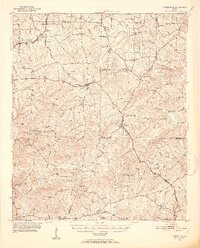 1951 Yatesville1952 Print · USGSIn the early 1950s, this Georgia landscape was defined by the crossing of the Central of Georgia and Southern railroads. Local researchers can trace family names and small-town life through landmarks like Topeka Junction, Anniebel Sch, and Andrews Chapel.3 unique versions available
 - 1951 Map of Barnesville, 1953 Print
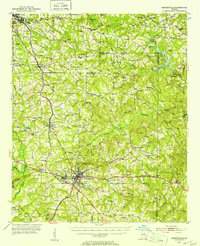 1951 Barnesville1953 Print · USGSMid-century central Georgia thrives along the Central of Georgia rail lines and the Dixie Highway. Researchers can trace local genealogy through dozens of family-named sites like Potts Cem, the Gordon Military College campus, and rural stops at Goggins or Orchard Hill.2 unique versions available
 - 1953 Map of Atlanta, 1965 Print
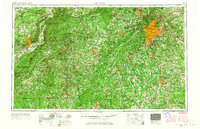 1953 Atlanta1965 Print · USGSThe growing Atlanta metro and the industrial corridors of Eastern Alabama are captured here during the mid-century transition. Researchers can trace the rail-to-road shift through hubs like Anniston and La Grange or locate sites within Fort McClellan.2 unique versions available
 - 1955 Map of Phenix City, 1964 Print
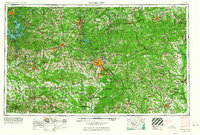 1955 Phenix City1964 Print · USGSPost-war Alabama and Georgia meet along the Chattahoochee River as industry and military installations expand. Trace the rail lines of the Central of Georgia through towns like Opelika, Tuskegee, and Alexander City.3 unique versions available
 - 1957 Map of Phenix City
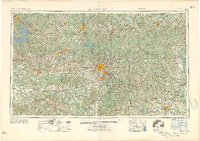 1957 Phenix City1957 Print · USGSThe Alabama-Georgia borderlands are captured here in the mid-fifties, centered on the bustling river crossing at Phenix City and Columbus. Researchers can trace the mid-century footprint of the Fort Benning Military Reservation or locate smaller textile and railroad towns like Langdale and Camp Hill.
 - 1957 Map of Atlanta
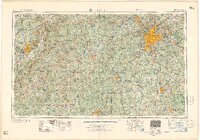 1957 Atlanta1957 Print · USGSAtlanta and the Alabama borderlands appear here in the mid-fifties, capturing the region's post-war suburban and industrial transition. Trace the development of early transport hubs and military sites like Fort McPherson, Anniston, and the Kennesaw Mountain National Battlefield Park.
 - 1958 Map of Phenix City
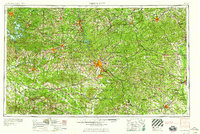 1958 Phenix City1958 Print · USGSThe Alabama-Georgia borderlands thrive during the late fifties, anchored by the river-driven industry of Columbus and Phenix City. Researchers can trace the mid-century footprints of Fort Benning, Auburn, and the textile towns of Fairfax and Lanett.
 - 1958 Map of Atlanta
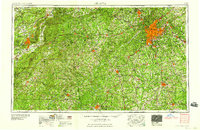 1958 Atlanta1958 Print · USGSMid-century Georgia and Alabama are shown in this regional study of the corridor between the Chattahoochee River and the Appalachian foothills. Local historians can trace the development of suburban Atlanta alongside vital landmarks like Stone Mountain, Dobbins AFB, and the Seaboard Air Line rail routes.
 - 1971 Map of Zebulon, 1973 Print
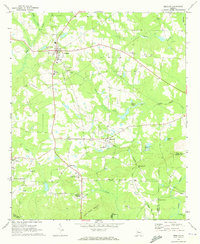 1971 Zebulon1973 Print · USGSPike County's rural character is preserved here in the early seventies as small towns like Meansville and Lifsey thrived along the SOUTHERN rail line. Researchers can locate family landmarks including Bush Cem, Nazareth Ch, and the Pine Mountain Childrens Home.2 unique versions available
 - 1971 Map of Thomaston, 1973 Print
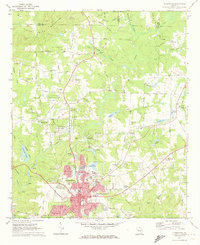 1971 Thomaston1973 Print · USGSThomaston and its textile-mill suburbs of Silvertown and East Thomaston are captured here in the early seventies during a period of steady regional growth. Family researchers can locate Glenwood Cem, Shady Grove Ch, and the site of Hannahs Mill along the surrounding creek branches.2 unique versions available
 - 1973 Map of Yatesville, 1976 Print
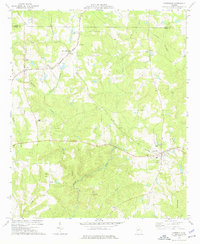 1973 Yatesville1976 Print · USGSMid-century Upson and Lamar counties are captured here at a time when the rural landscape was still defined by the Central of Georgia and Southern railroads. Researchers can trace family history through numerous landmarks like Yatesville, The Rock, and Grays Chapel.
 - 1973 Map of Johnstonville, 1976 Print
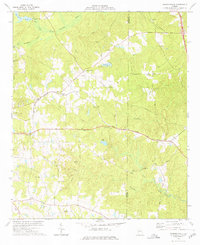 1973 Johnstonville1976 Print · USGSLamar and Monroe counties show their rural character in the early 1970s, as the railway still connected small local junctions. Genealogists can trace family footprints across dozens of sites like Goggins, Sappington Cem, and Bethany Ch.
 - 1973 Map of High Falls, 1976 Print
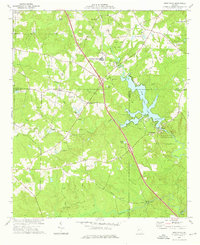 1973 High Falls1976 Print · USGSThe Towaliga River corridor in the 1970s shows a landscape of transition between historic agricultural roots and modern recreation. Trace family history and land patterns through High Falls Lake, the Higgins Mill site, and local landmarks like Patillo and High Shoals Ch.2 unique versions available
 - 1973 Map of Barnesville, 1976 Print
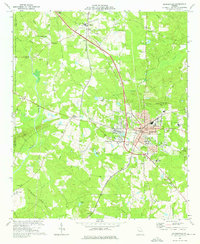 1973 Barnesville1976 Print · USGSLamar and Pike counties are captured in the mid-1970s, showcasing the intersection of the Central of Georgia railroad and the growth of Barnesville. Trace historical landmarks such as Gordon Jr College, the Confederate Cem, and Woodfin Mill.
 - 1973 Map of Orchard Hill, 1976 Print
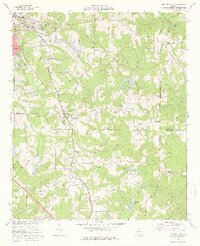 1973 Orchard Hill1976 Print · USGSSpalding County's rail-and-water landscape comes alive in this survey of the communities south of Griffin during the early seventies. Researchers can trace family history through local sites like Orchard Hill Ch, Maddox Cem, and the historic Griffin Academy.2 unique versions available
 - 1974 Map of Strouds, 1976 Print
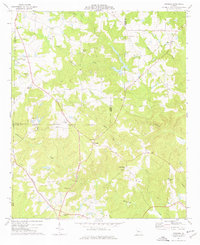 1974 Strouds1976 Print · USGSMonroe County's rural landscape is captured here in the mid-seventies as traditional farming communities like Strouds and Brent persisted. Researchers can trace family history through sites like Sardis Cem and the Southern railroad corridor.
 - 1979 Map of Griffin, 1980 Print
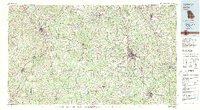 1979 Griffin1980 Print · USGSWest-central Georgia at the close of the seventies reveals a landscape of historic rail towns and growing suburbs between the major river systems. Trace the rail lines and early road networks connecting Griffin, Peachtree City, and Newnan, or locate smaller settlements like Senoia and Experiment.3 unique versions available
 - 1981 Map of Thomaston, 1982 Print
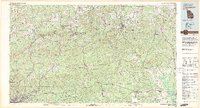 1981 Thomaston1982 Print · USGSCentral Georgia’s ridgeline and river country comes into focus in this early 1980s survey of the Pine Mountain corridor. Researchers can trace historic church sites like Oak Grove Ch, the rail junctions at Manchester, and the expansive Franklin D Roosevelt State Park.
 - 2011 Map of Yatesville, 2011 Print
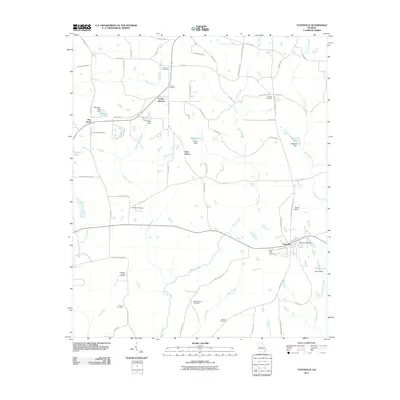 2011 Yatesville2011 Print · USGSYatesville and its rural surroundings are captured here in the early twenty-first century, showing a landscape rich in family history. Researchers can trace numerous burial sites like Andrews Chapel Cemetery and Traylor Cemetery or locate the historic Topeka Junction.
 - 2011 Map of Thomaston, 2011 Print
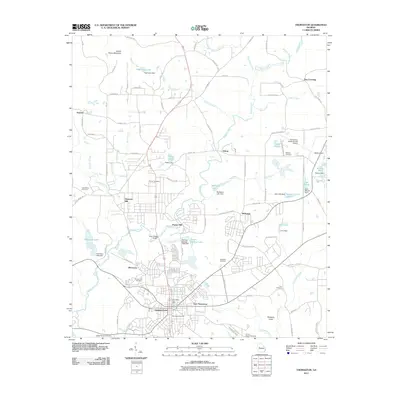 2011 Thomaston2011 Print · USGSThomaston and its textile-history suburbs are captured in detail during the early twenty-first century. Genealogists can locate family burial sites at Crystal Hill and Glenwood or trace early mill settlements like Hannahs Mill and Paynes Mill.
 - 2011 Map of Strouds, 2011 Print
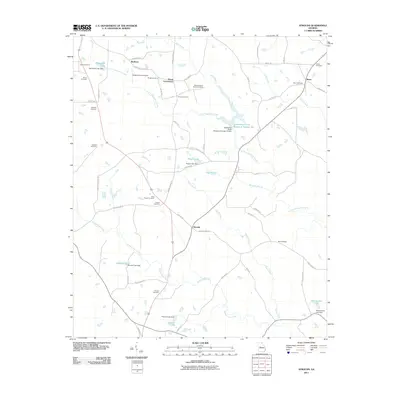 2011 Strouds2011 Print · USGSAcross this Georgia landscape in the early 2010s, small settlements and family burial grounds reflect a deep-rooted rural history. Genealogists can trace family names at Sheran-Horne-Smith Cemetery, Strouds, and Horns Crossroads amidst the waters of Echeconnee Creek.
 - 2011 Map of Barnesville, 2011 Print
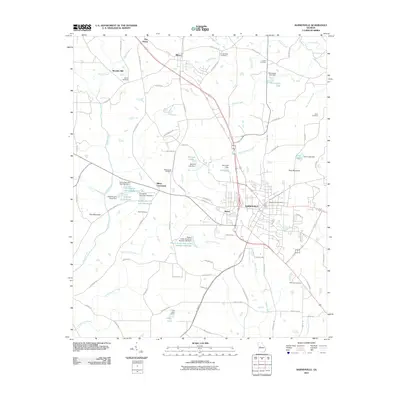 2011 Barnesville2011 Print · USGSThe Barnesville area in 2011 shows a blend of historic Piedmont settlements and modern rural growth. Genealogists and historians can trace family roots through numerous sites like Confederate Cemetery, Woodfin Mill, and the mill village of Aldora.
 - 2011 Map of Zebulon, 2011 Print
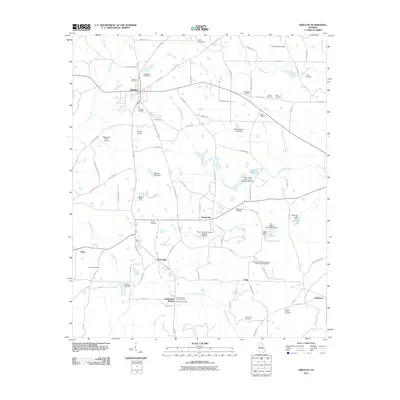 2011 Zebulon2011 Print · USGSCentral Pike County comes into focus in this late-era survey, showing the growth of Zebulon and the quiet crossroads of Vega and Piedmont. Researchers can trace family ties at the Fincher Cemetery or the historic William Millpond.
Showing maps 1-25 of 60
Top cities of Lamar County
Frequently asked questions
- What are the different types of historical maps available for Lamar County?
- What is the oldest map of Lamar County?
- Where can I purchase historical maps of Lamar County for my home or office?
- Where can I download high-res historical maps of Lamar County?
- Are there historical topographic maps available for Lamar County?
- Is there historical aerial imagery available for Lamar County?
- Where are historical maps of Lamar County sourced from?