1900s (20th Century) Maps of Worth County, Georgia
Explore 29 historic maps of Worth County from the 1900s (20th Century). These maps offer a rare glimpse into what life looked like during the 1900s — showing old roads, neighborhoods, homes, and landmarks that have changed or disappeared over time.
Whether you're researching your family's past, planning a metal detecting trip, or studying how Worth County's landscape evolved across the 1900s, these high-resolution maps are a powerful tool for exploring the history of this region.
- Focus on a specific era: All maps on this page are from the 1900s, giving you a focused view of this time period.
- See what’s changed: Compare century-old streets, trails, and buildings to today's modern landscape using overlays and satellite layers.
- Research with precision: Use these maps for genealogy, historical research, land use analysis, or educational projects.
- View, download, or print: Maps are fully viewable online in high resolution, and can be downloaded or printed for your own records.
Start exploring Worth County's history through authentic maps from the 1900s. This is your window into the past.
Worth County, GA maps
(29)- 1953 Map of Dothan, 1966 Print
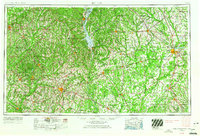 1953 Dothan1966 Print · USGSSoutheast Alabama and Southwest Georgia are captured during a period of massive hydraulic and military expansion in the mid-fifties. Genealogists and historians can trace rural landmarks like Antioch Church and School, the Andrew Jackson Monument, and the early footprint of Fort Rucker Military Reservation.3 unique versions available
 - 1953 Map of Waycross, 1967 Print
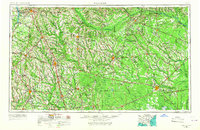 1953 Waycross1967 Print · USGSSouth Georgia's agricultural and rail heartland is captured here in the mid-1950s, showing a vast network of timber and farming towns. Researchers can trace the rail lines connecting Waycross and Tifton or locate landmarks like Jefferson Davis State Park and Lake Blackshear.2 unique versions available
 - 1954 Map of Dothan
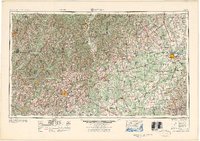 1954 Dothan1954 Print · USGSSoutheast Alabama and Southwest Georgia are seen here in the mid-fifties, during a decade of military expansion and rural transition. Genealogists can trace the location of country schools like Little Zion School or the grounds of Kolomoki Mounds State Park.
 - 1955 Map of Dothan
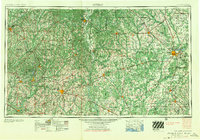 1955 Dothan1955 Print · USGSSoutheast Alabama and Southwest Georgia are captured here in the mid-fifties, showing a landscape of river-port history and growing military bases. Researchers can trace rural life via the Andrew Jackson Monument, Bauxite mines, and the Central of Georgia RR.
 - 1956 Map of Albany East, 1957 Print
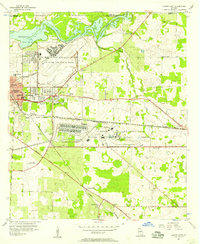 1956 Albany East1957 Print · USGSDougherty County was undergoing a major military expansion in the mid-fifties, seen here through the sprawling grounds of Turner Air Force Base. Researchers can trace old family-named churches like Mercer Grove Ch and the crossroads at Pecan City.4 unique versions available
 - 1956 Map of Sylvester, 1958 Print
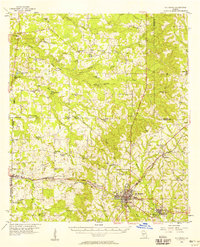 1956 Sylvester1958 Print · USGSWorth County at the height of the mid-fifties is centered on the busy rail-and-road corridor between Sylvester and Poulan. Genealogists and historians can locate dozens of rural landmarks, from the County Prison Farm to community hubs like Porters Corner Sch and Morning Star Ch.2 unique versions available
 - 1956 Map of Doerun, 1958 Print
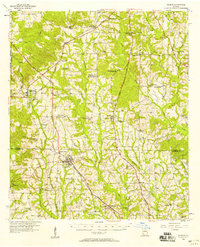 1956 Doerun1958 Print · USGSIn the mid-1950s, the rural borderlands of Colquitt, Worth, and Mitchell counties were connected by a dense rail-and-river network. Genealogists and local historians can trace family landmarks and vanished schools from Doerun to Bridgeboro, including Parkerville Sch and the Evergreen Cem.
 - 1956 Map of Albany, 1958 Print
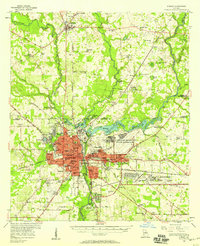 1956 Albany1958 Print · USGSMid-century Albany and the Flint River valley are captured here just as the Cold War military footprint was expanding. Genealogists can trace family landmarks like Radium Springs, the Turner Air Force Base, and Pecan City.2 unique versions available
 - 1956 Map of Leslie, 1958 Print
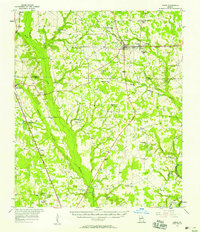 1956 Leslie1958 Print · USGSSumter and Lee Counties are shown here during the mid-fifties, when small rail towns and rural school districts shaped the local geography. Genealogists can trace family landmarks like Jordan Place, the Nunn Industrial Sch, and the riverside site of Starksville.2 unique versions available
 - 1958 Map of Waycross
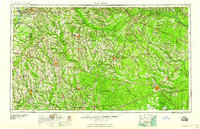 1958 Waycross1958 Print · USGSSoutheast Georgia in the late fifties remains a landscape of deep river basins and vital rail junctions. Genealogists and historians can trace family-named landmarks and rural hubs like Union Church, South Georgia College, and the sprawling Okefenokee Swamp.2 unique versions available
 - 1972 Map of Cuffietown, 1975 Print
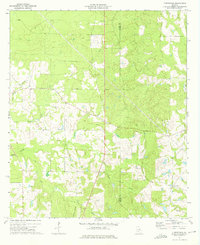 1972 Cuffietown1975 Print · USGSWorth and Turner counties are captured in the early seventies, showing a rural landscape defined by creek branches and country churches. Genealogists can locate family landmarks such as Davis Ch, Five Points, and Harmony Ch along the local drainage ways.2 unique versions available
 - 1973 Map of Sumner, 1975 Print
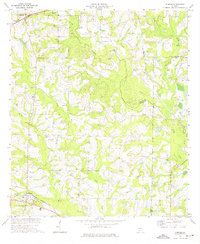 1973 Sumner1975 Print · USGSWorth County’s agricultural and rail-linked landscape comes into focus in the early seventies, centered on the community of Sumner. Genealogists and historians can trace numerous rural congregations and landmarks like Old Sumner Cem, Millers Chapel, and the Parker Sch.2 unique versions available
 - 1973 Map of Ty Ty, 1975 Print
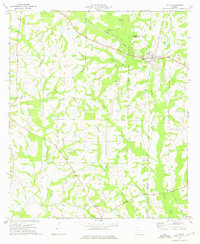 1973 Ty Ty1975 Print · USGSThe rural landscape of Tift and Worth Counties in the 1970s is defined by tobacco and peanut farming country along the Seaboard Coast Line. Researchers can trace old family roots at Pine Forest Ch, Williams Cem, and the settlement of Scooterville.
 - 1973 Map of Norman Park, 1975 Print
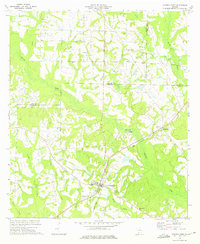 1973 Norman Park1975 Print · USGSThe rural corridor of Norman Park and Crosland comes into focus in the early 1970s at the intersection of three Georgia counties. Researchers can trace the Old Railroad Grade, locate historic congregations like New Hope Ch, and find family resting places at Paulls Cem.2 unique versions available
 - 1973 Map of Acree, 1975 Print
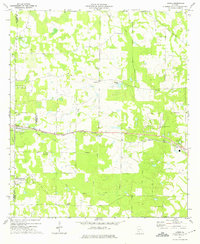 1973 Acree1975 Print · USGSCoastal Georgia's rural landscape is captured here in the early seventies as the railroad still defined the local economy. Genealogists and historians can trace family roots through numerous country churches like Beulah Ch and Salem Ch, or locate the old Seaboard Coast Line rail stops.2 unique versions available
 - 1973 Map of Albany NE, 1975 Print
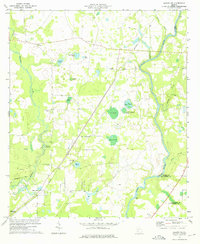 1973 Albany NE1975 Print · USGSLee and Worth counties are captured in the early 1970s, showing a landscape defined by the winding Flint River and a dense network of namesake ponds. You can trace family history at Thundering Springs Cem and Old Mt Horeb Cem, or locate landmarks like Old Piney Grove Ch.2 unique versions available
 - 1973 Map of Sylvester, 1975 Print
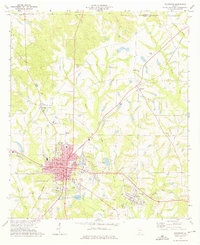 1973 Sylvester1975 Print · USGSWorth County's rail-and-road network comes into focus in the early seventies as the region expanded around its historic county seat. Genealogists can trace family roots through several local landmarks like Isabella Cem, Worth Academy, and Macedonia Ch.
 - 1973 Map of Doles, 1975 Print
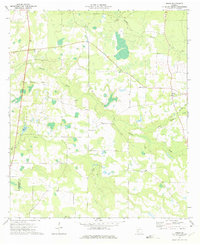 1973 Doles1975 Print · USGSWorth County was a landscape of quiet rural parishes and winding waterways in the early 1970s. Genealogists and local researchers can locate several community centers and landmarks, including Doles, Camp Osborn, and rural churches like St Johns Ch and New Provisor Ch.
 - 1973 Map of Leslie SE, 1976 Print
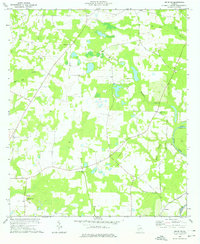 1973 Leslie SE1976 Print · USGSLee and Worth counties meet along the river in the early 1970s, showing a landscape of small rural settlements and agricultural ties. Researchers can trace local heritage through sites like St Mathews Ch, Mossy Dell, and the community of Tarpley.2 unique versions available
 - 1974 Map of Doerun, 1976 Print
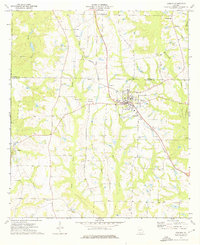 1974 Doerun1976 Print · USGSThe rural agricultural landscapes of Colquitt and Worth counties are captured here in the mid-1970s. Genealogists and historians can trace family roots through sites like Hillcrest Sch, the community at Minnesota, and cemeteries including Smith Cem.
 - 1974 Map of Tempy, 1976 Print
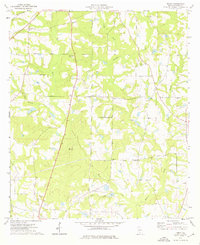 1974 Tempy1976 Print · USGSWorth County in the mid-1970s is a landscape of rural crossroads and timber tracts centered on the Georgia Northern railroad. Researchers can locate family burial sites at Evergreen Cem and New Bethel Cem or trace the Oak Grove Ch Sandpit.2 unique versions available
 - 1974 Map of Sigsbee, 1976 Print
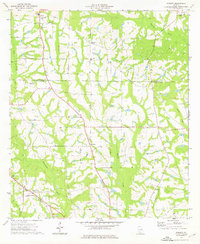 1974 Sigsbee1976 Print · USGSColquitt County in the mid-seventies remained a landscape of creek-bottom forests and dispersed agricultural communities connected by rail. Genealogists can trace family roots through the many local landmarks like Sigsbee, Minton Sch, and Kimball Ch.2 unique versions available
 - 1974 Map of Bridgeboro, 1976 Print
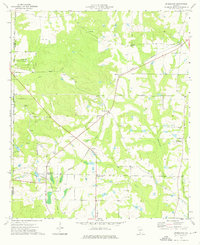 1974 Bridgeboro1976 Print · USGSWorth County agricultural and rail life is well-documented in this mid-seventies survey of the Bridgeboro area. Researchers can trace family history through sites like Rocky Mount Cem or locate the junction of the Georgia Northern railroad at Parkerville.2 unique versions available
 - 1977 Map of Pateville
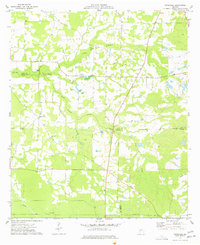 1977 Pateville1977 Print · USGSThe South Georgia plains near the Crisp and Worth county lines come alive in the late 1970s through this detailed survey. Researchers can trace family ties at the Story-Odum Cem, locate the old New Hope Sch, or follow the waters of Swift Creek through Pateville.
 - 1977 Map of Warwick
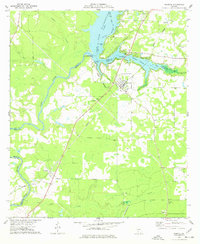 1977 Warwick1977 Print · USGSIn the late 1970s, the area around Warwick was defined by the waters of the Flint River and Lake Blackshear. Genealogists and historians can trace local landmarks like Bethlehem Ch, Davis Mill, and the Georgia Northern rail line.
Showing maps 1-25 of 29
Top cities of Worth County
Frequently asked questions
- What are the different types of historical maps available for Worth County?
- What is the oldest map of Worth County?
- Where can I purchase historical maps of Worth County for my home or office?
- Where can I download high-res historical maps of Worth County?
- Are there historical topographic maps available for Worth County?
- Is there historical aerial imagery available for Worth County?
- Where are historical maps of Worth County sourced from?