Old Maps of Oregon, Illinois
Explore 24 old maps of Oregon, spanning from 1918 to today. These high-resolution historic maps reveal how streets, neighborhoods, landmarks, and natural features evolved over time — perfect for genealogy, metal detecting, research, and local history exploration.
What you can do with these maps:
- See how Oregon changed over time: Compare historical maps to modern-day views to trace roads, homesites, rail lines & more.
- View detailed metadata: Each map includes creators, publishers, year, scale, and archive source.
- Overlay maps with satellite & LiDAR: Visualize the past alongside modern tools to explore terrain & human change.
- Trusted historical sources: Maps sourced from the USGS, Library of Congress, and other archives.
- Access maps your way: View online, download high-res files, or order prints for personal or research use.
Start exploring old maps of Oregon to uncover forgotten places, hidden landmarks, and the deep history beneath your feet.
Oregon, IL maps
(24)- 1918 Map of Dixon
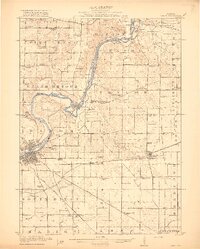 1918 Dixon1918 Print · USGSLee and Ogle Counties are captured at a pivotal moment during the First World War when the rural schoolhouse system was at its peak. Genealogists can trace family footprints across townships to landmarks like Grand Detour, Pennsylvania Corners, and the White Temple School.3 unique versions available
 - 1922 Map of Oregon, 1967 Print
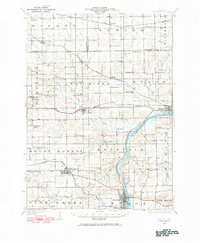 1922 Oregon1967 Print · USGSNorthern Illinois at the start of the twenties reveals a landscape of thriving rail towns and numerous one-room schoolhouses. Genealogists can trace family footprints at Wessels School, Ebenezer Church, and early village sites like Adeline and Egan.
 - 1924 Map of Oregon
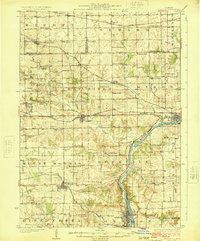 1924 Oregon1924 Print · USGSOgle County's rural landscape is captured here in the early twenties, showing a network of river-valley settlements and busy rail lines. Researchers can trace family history through numerous landmarks like the German Valley PO and station, St Thomas Church, and Mount Morris.3 unique versions available
 - 1950 Map of Dixon, 1964 Print
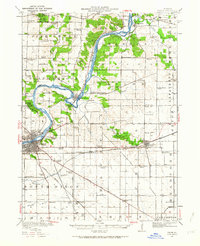 1950 Dixon1964 Print · USGSThe Rock River valley in the mid-twentieth century shows a landscape of busy river towns and dense rural school districts. Genealogists can locate family-named landmarks like Tealls Corners School, Emmert School, and the White Temple church.2 unique versions available
 - 1954 Map of Rockford
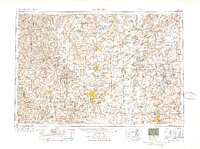 1954 Rockford1954 Print · USGSThe Rock River valley and the Illinois-Wisconsin borderlands are captured here in the mid-1950s during a period of robust industrial and agricultural activity. Genealogists and historians can trace rail-era corridors like the Illinois Central RR and locate landmarks from Big Foot Prairie to Lake Geneva.
 - 1955 Map of Rockford
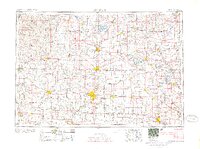 1955 Rockford1955 Print · USGSThe Rock River valley and southern Wisconsin dairy country are shown here in the mid-fifties as the region's manufacturing centers grew. Genealogists and historians can trace the paths of the Chicago and North Western RR and Illinois Central RR through hubs like Rockford and Beloit.
 - 1958 Map of Aurora, 1969 Print
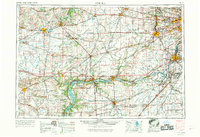 1958 Aurora1969 Print · USGSNorthern Illinois in the late fifties shows a landscape of powerful river industry and expanding transport corridors. Genealogists and historians can trace the development of Aurora and Joliet or locate sites like the Elwood Ordnance Plant and Starved Rock.3 unique versions available
 - 1958 Map of Rockford, 1974 Print
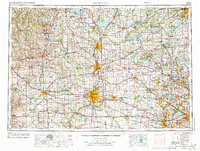 1958 Rockford1974 Print · USGSNorthern Illinois and southern Wisconsin are shown here in the mid-twentieth century as rail-dependent industrial towns began to interface with growing lakefront communities. Genealogists can trace family roots through settlements like Saylesville and Tess Corners or locate historical landmarks like the Rockford Ordnance Depot.4 unique versions available
 - 1961 Map of Aurora
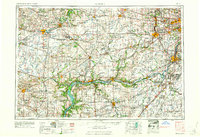 1961 Aurora1961 Print · USGSNorthern Illinois at the height of the post-war era reveals a landscape of massive industrial works and thriving river towns. Genealogists and historians can trace the paths of the Lincoln Highway or locate long-standing landmarks like the Green River Ordnance Plant and Starved Rock State Park.
 - 1963 Map of Rockford
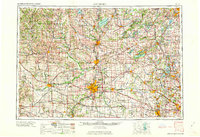 1963 Rockford1963 Print · USGSThe mid-century industrial corridor along the Rock River is shown here during a period of rapid post-war growth. Researchers can trace the extensive rail lines of the Chicago and North Western or locate local landmarks like the Rockford Ordnance Depot and Holy Hill.
 - 1981 Map of Rockford
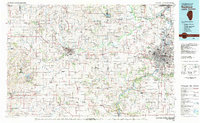 1981 Rockford1981 Print · USGSNorthern Illinois during the early eighties shows a landscape shaped by river valleys and a maturing rail network. Genealogists can trace family roots through settlements like Morseville and Buckhorn Corners while exploring the Rock River valley.2 unique versions available
 - 1983 Map of Oregon, 1984 Print
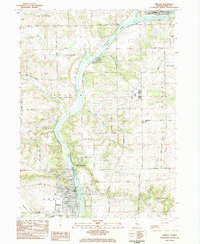 1983 Oregon1984 Print · USGSOgle County's river valley comes to life in the early eighties as the Rock River winds between the towns of Oregon and Byron. Genealogists and historians can trace local landmarks like St Marys Cem, Lowden State Park, and the Burlington Northern line.
 - 1983 Map of Daysville, 1984 Print
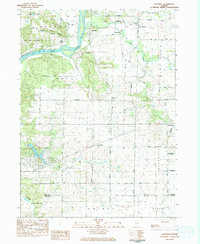 1983 Daysville1984 Print · USGSOgle County's agricultural heartland and the bluffs of the Rock River are captured here in the early 1980s. Genealogists can trace family names and local landmarks through sites like Daysville Cem, Lighthouse Ch, and the settlement of Watertown.
 - 1985 Map of Dixon
 1985 Dixon1985 Print · USGSNorth-central Illinois in the mid-eighties was a land of river cities and expansive prairies defined by rail lines and private airfields. Researchers can locate family landmarks like Oakwood Cem, the Sword Landing Strip, and Sauk Valley College while tracing the C & N W railroad.2 unique versions available
 - 2012 Map of Oregon, 2012 Print
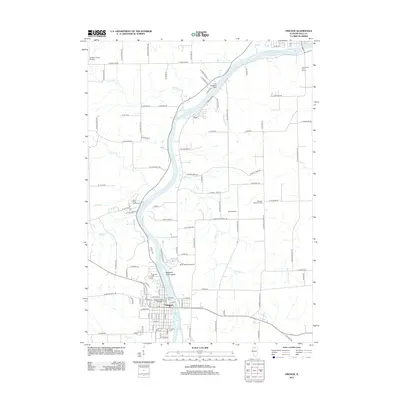 2012 Oregon2012 Print · USGSOgle County and the city of Oregon are shown here along the banks of the Rock River in the early 2010s. Researchers can locate historic sites such as Riverside Cem, the Oregon Bible College, and the riverside Lowden State Park.
 - 2012 Map of Daysville, 2012 Print
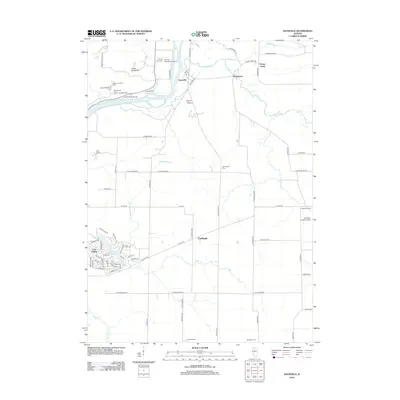 2012 Daysville2012 Print · USGSOgle County's rural character and riverside developments are captured here in the early twenty-first century. Researchers can locate family history at Lighthouse Cem and County Farm Cem or trace the distinct shoreline of Lost Lake at Lost Nation.
 - 2015 Map of Daysville, 2015 Print
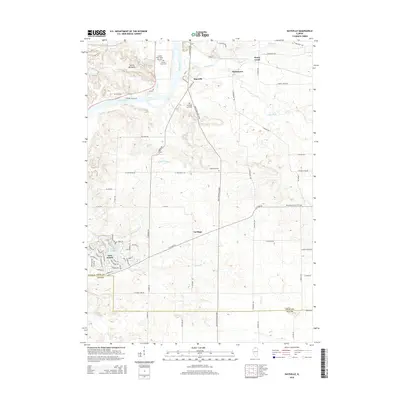 2015 Daysville2015 Print · USGSThe Rock River valley south of Oregon comes into focus during the mid-2010s, showing a blend of historic farmsteads and modern lakefront living. Genealogists can locate several burial grounds, including the County Farm Cemetery and Lighthouse Cemetery, alongside rural settlements like Daysville.
 - 2015 Map of Oregon, 2015 Print
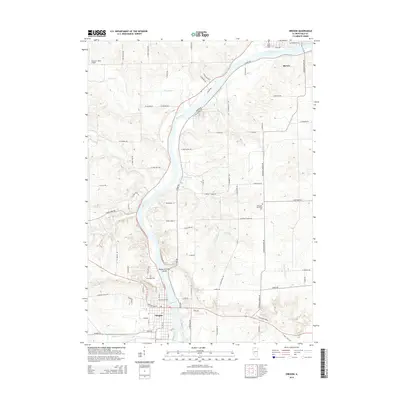 2015 Oregon2015 Print · USGSOgle County's riverfront communities come into focus during the mid-2010s as the Rock River winds between the settlements of Byron and Oregon. Researchers can trace local lineage through several landmarks, including Riverview Cem, Riverside Cem, and Margaret Fuller Island.
 - 2018 Map of Oregon, 2018 Print
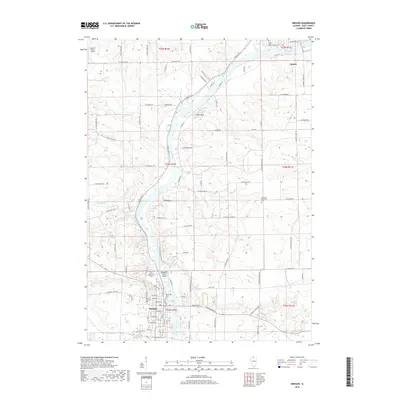 2018 Oregon2018 Print · USGSThe Rock River valley in Ogle County is captured here in the late 2010s, showing the corridor between Byron and Oregon. Researchers can locate several historic burial grounds like Ebenezer Reformed Cem and landmarks such as Fuller Island.
 - 2018 Map of Daysville, 2018 Print
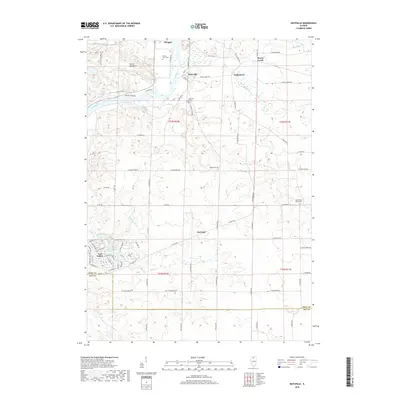 2018 Daysville2018 Print · USGSThe Ogle County river valley and its surrounding townships are shown here in the late twenty-teens as the landscape balances rural heritage with modern residential growth. Trace family history at Daysville Cem and Washington Grove Cem or follow the waters of the Rock River.
 - 2021 Map of Daysville, 2021 Print
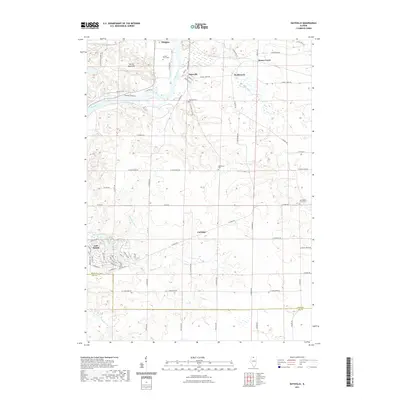 2021 Daysville2021 Print · USGSThe Ogle County countryside near Oregon is documented here in the early 2020s, centered on the Rock River valley. Researchers can trace local heritage through sites like Lost Nation, County Farm Cem, and the historic crossroads at Daysville.
 - 2021 Map of Oregon, 2021 Print
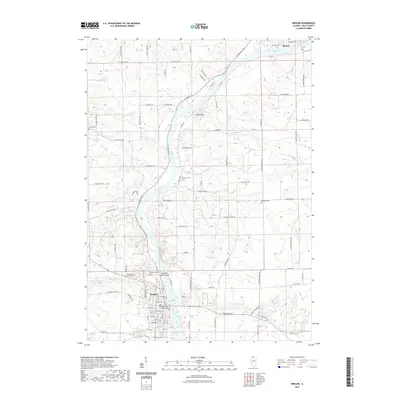 2021 Oregon2021 Print · USGSThe Rock River valley in Ogle County is captured here in recent years, showing the established communities of Oregon and Byron. Researchers can locate several historic burial grounds, such as Camling Cem and Ebenezer Cem, and notable river landmarks like Margaret Fuller Island.
 - 2024 Map of Oregon, 2024 Print
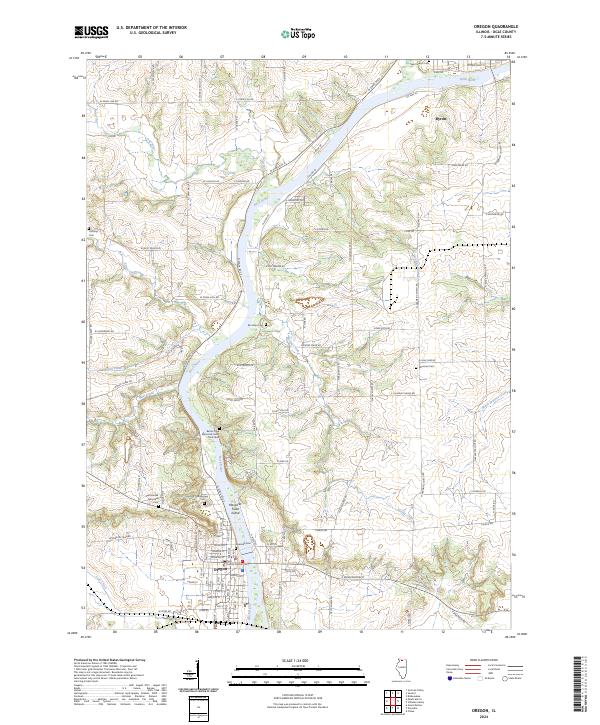 2024 Oregon2024 Print · USGSThe Rock River valley in Ogle County serves as a focal point for this contemporary survey of Oregon and Byron. Researchers can trace local lineage through numerous sites like Riverview Cem, Brooklyn Cem, and the Saint Brides Episcopal church grounds.
 - 2024 Map of Daysville, 2024 Print
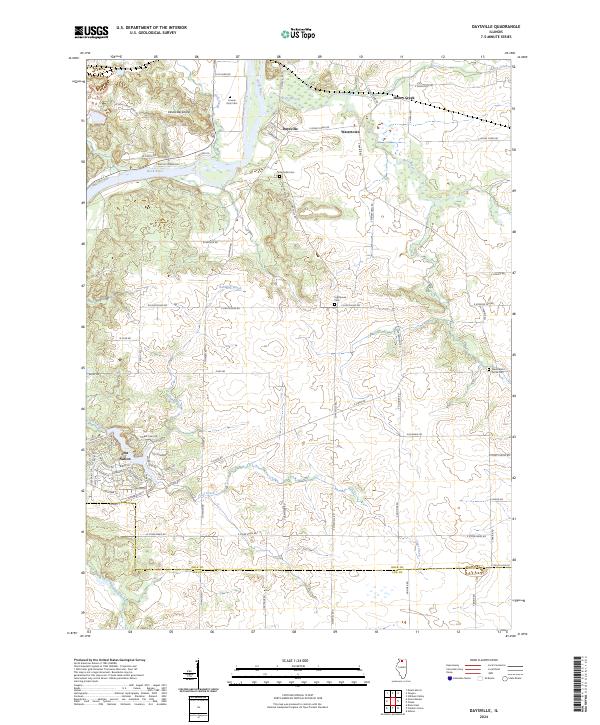 2024 Daysville2024 Print · USGSOgle County's river valleys and rural settlements are preserved here in the early 21st century. Researchers can trace family history through sites like Daysville Cem or locate the distinctive Devils Backbone ridge along the Rock River.
End of results
Showing maps 1-24 of 24
Top cities near Oregon
- Rockford historical maps
- Dixon historical maps
- Rochelle historical maps
- Byron historical maps
- Mount Morris historical maps
- Davis Junction historical maps
See more
Frequently asked questions
- What are the different types of historical maps available for Oregon?
- What is the oldest map of Oregon?
- Where can I purchase historical maps of Oregon for my home or office?
- Where can I download high-res historical maps of Oregon?
- Are there historical topographic maps available for Oregon?
- Is there historical aerial imagery available for Oregon?
- Where are historical maps of Oregon sourced from?