Old Maps of Avilla, Indiana for Genealogy
Trace your family roots with 32 historic maps of Avilla. These high-res maps reveal old neighborhoods, homesites, landmarks, and streets — helping you uncover where your ancestors lived and how the area evolved over time.
- Explore historic neighborhoods: Identify where your relatives may have lived in the 1800s or 1900s.
- Compare maps over time: Trace the changes in streets, buildings, and landmarks for multi-generational research.
- Perfect for genealogy & ancestry research: Used by family historians and researchers to map out lineage and migration.
These maps are an incredible resource for exploring your personal connection to Avilla's past.
Avilla, IN maps
(32)- 1953 Map of Fort Wayne, 1963 Print
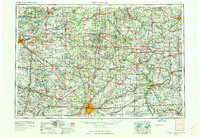 1953 Fort Wayne1963 Print · USGSNortheast Indiana and its neighboring borderlands in Michigan and Ohio appear here during a peak era of rail and road expansion. Researchers can trace the massive rail networks of the Nickel Plate Road and Wabash or locate lakeside landmarks like Lake Wawasee and Clear Lake.4 unique versions available
 - 1955 Map of Corunna, 1957 Print
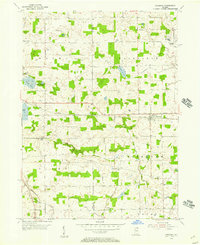 1955 Corunna1957 Print · USGSDeKalb and Noble Counties are captured here in the mid-1950s, showing a landscape shaped by glacial lakes and the reach of the Pennsylvania railroad. Researchers can trace rural life through landmarks like Allen Chapel, the Township Sch, and the small settlement at Fairfield Center.
 - 1955 Map of Ege, 1957 Print
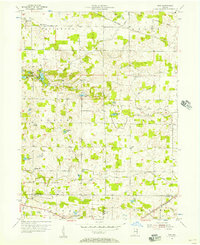 1955 Ege1957 Print · USGSNoble County's glacial landscape is captured here in the mid-1950s, showing a rural network of small farming communities and rail-side settlements. Researchers can trace family history through sites like Bakerstown, Rehoboth Ch, and cemeteries including Hooper Cem and Grays Cem.
 - 1955 Map of Kendallville, 1957 Print
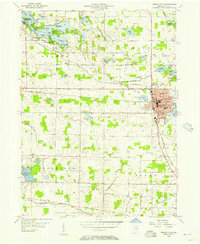 1955 Kendallville1957 Print · USGSNorthern Indiana's lake country is captured here in the mid-1950s, centered on the rail crossroads of Noble County. You can trace the grounds of the Gene Stratton Porter State Memorial or locate family sites near Lisbon and Mt Pleasant Ch.
 - 1956 Map of Fort Wayne
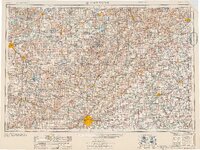 1956 Fort Wayne1956 Print · USGSThe tri-state borderlands of Indiana, Michigan, and Ohio are captured here in the mid-fifties, centered on the growing industrial hub of Fort Wayne. Researchers can trace the heavy rail lines of the New York Central and Pennsylvania alongside prominent water features like Lake Wawasee and the Maumee River.2 unique versions available
 - 1957 Map of Garrett, 1959 Print
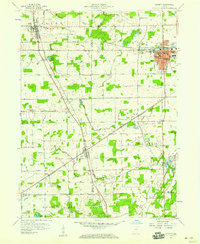 1957 Garrett1959 Print · USGSDeKalb and Noble County landscapes converge here in the late fifties, showcasing a robust railroad economy centered on Garrett. Genealogists and local historians can trace rural family roots through landmarks like Bethlehem Ch, Fitch, and the Swan Cem.
 - 1965 Map of Ege, 1968 Print
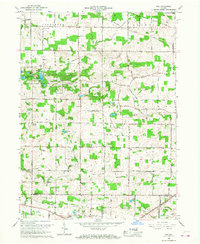 1965 Ege1968 Print · USGSNoble and Whitley counties are captured here in the mid-1960s, showing a rural landscape of glacial lakes and small farming hamlets. You can trace family history at Rehoboth Cem or locate old community centers like Bakertown and Green Center.3 unique versions available
 - 1973 Map of Corunna, 1974 Print
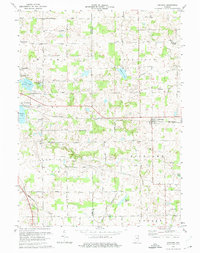 1973 Corunna1974 Print · USGSDeKalb and Noble Counties are shown in the early seventies as a series of well-defined rural townships and small rail-side settlements. Local historians can trace the foundations of the community through the Corunna Cemetery, Allen Chapel, and the Penn Central line.
 - 1973 Map of Garrett, 1974 Print
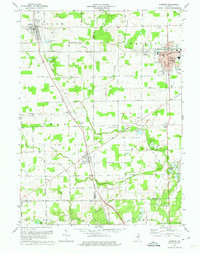 1973 Garrett1974 Print · USGSIn the early 1970s, the industrial rail center of Garrett and its neighboring agricultural townships were defined by the Penn Central line. Genealogists and local historians can trace family-named sites like Swan Cem and Embrey Cem, or locate landmarks such as Bethlehem Ch and the Old Railroad Grade near Altona.
 - 1973 Map of Kendallville, 1975 Print
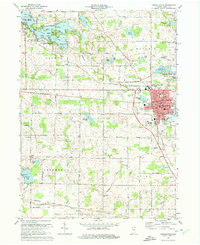 1973 Kendallville1975 Print · USGSKendallville and Rome City thrived as rail and lakeside hubs in the early 1970s. Researchers can trace family history through sites like Lakeview Cem, explore the grounds of the Gene Stratton Porter State Memorial, or locate the rural Sweet Ch.2 unique versions available
 - 1984 Map of Fort Wayne, 1985 Print
 1984 Fort Wayne1985 Print · USGSNortheast Indiana in the mid-1980s reveals a complex landscape of glacial lakes, thriving college towns, and heavy rail infrastructure. Researchers can trace the development of Winona Lake, locate Manchester College in North Manchester, and find rural landmarks like Oakwood Cem or the Tri-County State Fish and Game Area.
 - 1994 Map of Fort Wayne
 1994 Fort Wayne1994 Print · USGSNortheast Indiana in the mid-nineties shows a landscape deeply tied to its glacial lakes and early rail networks. Genealogists and historians can trace old transit lines like the Old Ind RR and explore lakeside settlements such as Enchanted Hills and Syracuse.
 - 2010 Map of Corunna, 2010 Print
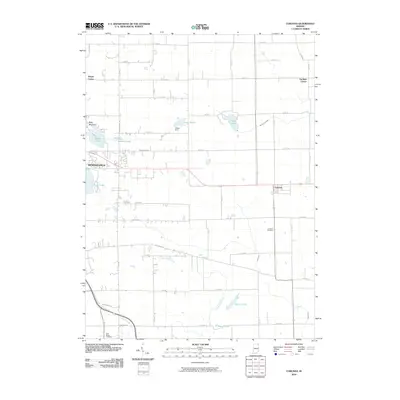 2010 Corunna2010 Print · USGSKendallville and Corunna appear in the early twenty-first century, showing a landscape defined by a structured road grid and regional waterways. Genealogists and local historians can locate Corunna Cemetery, Saint Marys Cemetery, and family-named landmarks like Lake Maxler.
 - 2010 Map of Ege, 2010 Print
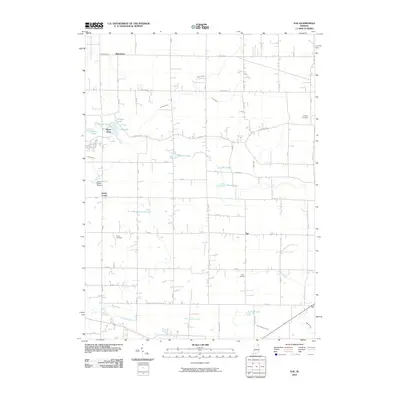 2010 Ege2010 Print · USGSNortheast Indiana at the dawn of the 21st century remains a landscape of quiet crossroads and historic farmsteads. Genealogists and local historians can trace family roots through Hooper Cemetery or explore the rural hubs of Green Center and Ege.
 - 2010 Map of Garrett, 2010 Print
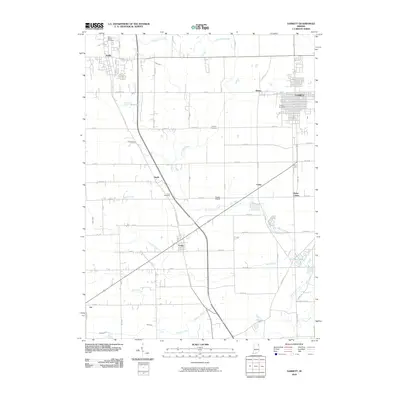 2010 Garrett2010 Print · USGSDeKalb County and the areas surrounding Garrett are documented here during a period of steady growth and rural continuity. Researchers can trace the layout of small towns like Laotto and find family names at Embrey Cemetery or Saint Marys Cemetery.
 - 2010 Map of Kendallville, 2010 Print
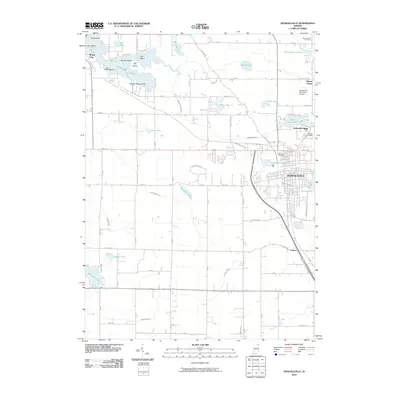 2010 Kendallville2010 Print · USGSKendallville and Rome City appear in this late-era survey of Indiana's lake country, characterized by its unique glacial hydrology and growing rural settlements. Researchers can trace family history at Perseverance Cemetery or explore the shores of Sylvan Lake and Bixler Lake.
 - 2013 Map of Garrett, 2013 Print
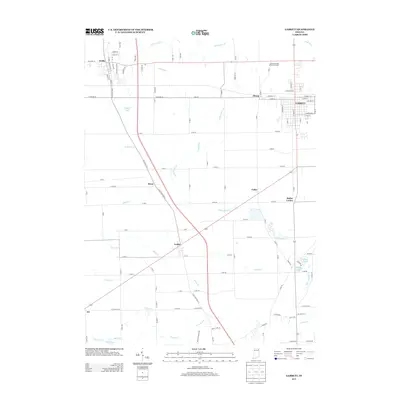 2013 Garrett2013 Print · USGSDeKalb County and the surrounding countryside appear in detail during the early twenty-first century. Researchers can trace the development of Garrett, Avilla, and smaller hamlets like Laotto and Butler Center alongside drainage networks like Yarde Ditch.
 - 2013 Map of Ege, 2013 Print
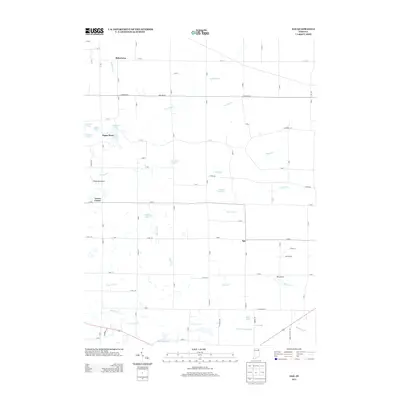 2013 Ege2013 Print · USGSNortheast Indiana's agricultural heartland is documented here in the early twenty-first century, showing a landscape of drainage ditches and small lakes. Genealogists and local historians can trace legacy sites like Bakertown, Ege, and family-named features such as Growcock Br.
 - 2013 Map of Corunna, 2013 Print
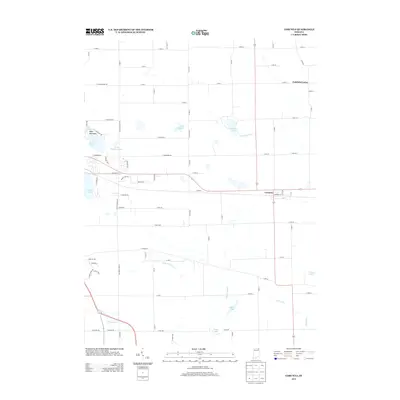 2013 Corunna2013 Print · USGSNortheastern Indiana’s agricultural heartland is captured here in the early twenty-first century, showing a landscape defined by glacial lakes and straight country roads. Genealogists and local historians can trace the footprints of Corunna and Fairfield Center, alongside landmarks like Baby Mountain and Bixler Lake.
 - 2013 Map of Kendallville, 2013 Print
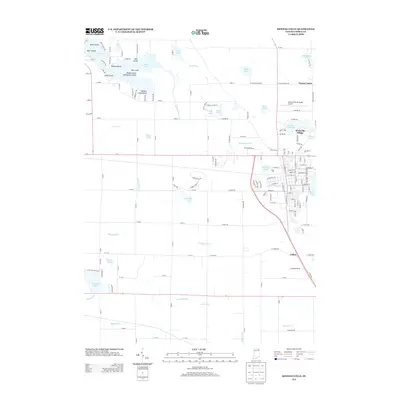 2013 Kendallville2013 Print · USGSNoble County in the early twenty-first century remains a landscape defined by its post-glacial lakes and historic crossroads. Genealogists and local historians can trace the development of Lisbon and Wayne Center or explore the unique island names on Sylvan Lake.
 - 2016 Map of Corunna, 2016 Print
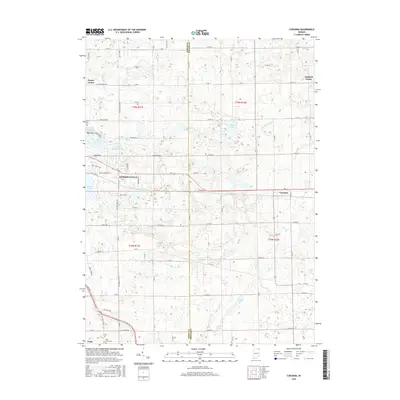 2016 Corunna2016 Print · USGSKendallville and the surrounding rural townships of Noble and DeKalb Counties are shown here during the mid-2010s. Researchers can trace local heritage through sites like Corunna Cem, explore the shoreline of Bixler Lake, or locate family-named crossroads like Fairfield Center.
 - 2016 Map of Ege, 2016 Print
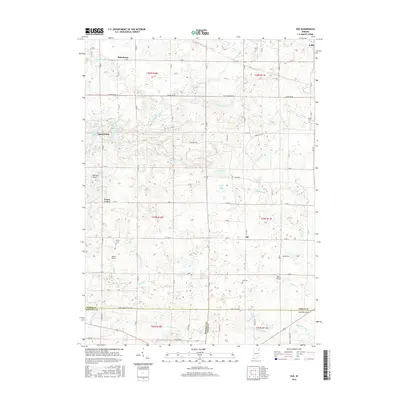 2016 Ege2016 Print · USGSThe tri-county borderlands of Noble, Whitley, and Allen Counties are mapped in detail during the mid-2010s. Local researchers can locate family landmarks like Hooper Cem, trace the upper Blue River, and explore rural hubs like Green Center or Bakertown.
 - 2016 Map of Garrett, 2016 Print
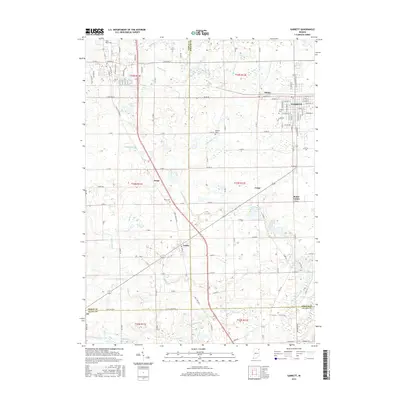 2016 Garrett2016 Print · USGSDeKalb County’s rail-and-road heritage is centered here in the mid-2010s, showing the established layouts of Garrett and Altona. Researchers can trace old family roots at Saint Marys Cem or locate the rural crossroads of Swan and Laotto.
 - 2016 Map of Kendallville, 2016 Print
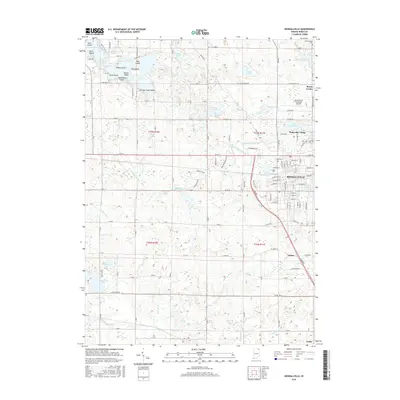 2016 Kendallville2016 Print · USGSKendallville and its surrounding lake country are shown here in the mid-2010s, capturing the area's mix of urban development and glacial geography. Researchers can trace local history through the Old Cem, Wayne Center, and the many islands of Sylvan Lake.
 - 2019 Map of Ege, 2019 Print
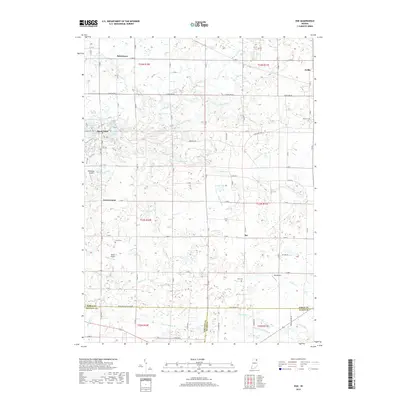 2019 Ege2019 Print · USGSNear the intersection of Noble, Whitley, and Allen counties in the late 2010s, this area maintains a network of small family cemeteries and private airfields. Genealogists can locate Hooper Cem and Grays Cem or trace the drainage paths of Thumma Ditch and the Blue River.
Showing maps 1-25 of 32
Top cities near Avilla
- Fort Wayne historical maps
- Auburn historical maps
- Kendallville historical maps
- Columbia City historical maps
- Garrett historical maps
- Leo-Cedarville historical maps
See more
Frequently asked questions
- What are the different types of historical maps available for Avilla?
- What is the oldest map of Avilla?
- Where can I purchase historical maps of Avilla for my home or office?
- Where can I download high-res historical maps of Avilla?
- Are there historical topographic maps available for Avilla?
- Is there historical aerial imagery available for Avilla?
- Where are historical maps of Avilla sourced from?