Old Maps of Farmers, Indiana
Explore 13 old maps of Farmers, spanning from 1908 to today. These high-resolution historic maps reveal how streets, neighborhoods, landmarks, and natural features evolved over time — perfect for genealogy, metal detecting, research, and local history exploration.
What you can do with these maps:
- See how Farmers changed over time: Compare historical maps to modern-day views to trace roads, homesites, rail lines & more.
- View detailed metadata: Each map includes creators, publishers, year, scale, and archive source.
- Overlay maps with satellite & LiDAR: Visualize the past alongside modern tools to explore terrain & human change.
- Trusted historical sources: Maps sourced from the USGS, Library of Congress, and other archives.
- Access maps your way: View online, download high-res files, or order prints for personal or research use.
Start exploring old maps of Farmers to uncover forgotten places, hidden landmarks, and the deep history beneath your feet.
Farmers, IN maps
(13)- 1908 Map of Bloomfield, 1954 Print
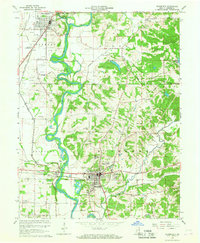 1908 Bloomfield1954 Print · USGSGreene County is defined by the sweeping bends of the White River and a dense network of early railroads in the late 1960s. Researchers can locate many family-named landmarks and old church sites like Stalcup Cem, Hashtown, and Tulip Ch.
 - 1950 Map of Arney
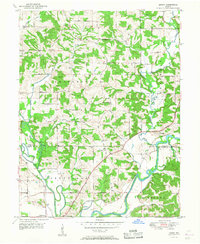 1950 Arney1950 Print · USGSMid-century Owen County life centered on the river junctions and rural townships. Trace the paths of the New York Central railroad and find historic river landmarks like Farmers Ferry and small settlements like Point Commerce.2 unique versions available
 - 1953 Map of Indianapolis, 1965 Print
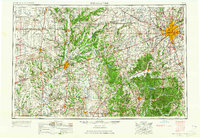 1953 Indianapolis1965 Print · USGSCentral Indiana and the Illinois borderlands are captured in the mid-sixties, showing the growth of Indianapolis and its industrial rail corridors. Genealogists and historians can trace the development of outlying towns like Zionsville or Beech Grove and find landmarks such as Atterbury AAF and Turkey Run State Park.4 unique versions available
 - 1956 Map of Indianapolis
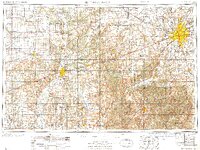 1956 Indianapolis1956 Print · USGSCentral Indiana in the mid-fifties is captured during a period of industrial growth and military presence. Genealogists and historians can trace the rail networks of the New York Central or locate regional landmarks like Fort Benjamin Harrison and Camp Atterbury.
 - 1957 Map of Indianapolis
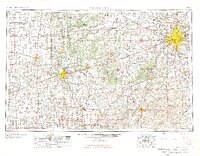 1957 Indianapolis1957 Print · USGSCentral Indiana in the mid-fifties is captured here as a crossroads of major rail lines and nascent federal highways. Genealogists and historians can trace family-named ridges like Poplar Ridge or locate strategic sites like Camp Atterbury and Speedway.2 unique versions available
 - 1962 Map of Indianapolis
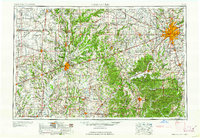 1962 Indianapolis1962 Print · USGSCentral Indiana and the Illinois borderlands are captured here in the early sixties, showing the region's dense rail networks and growing urban centers. Genealogists and historians can locate family-named landmarks and institutions like Crown Hill Cem, Indiana University, and the Indianapolis Motor Speedway.
 - 1966 Map of Arney, 1968 Print
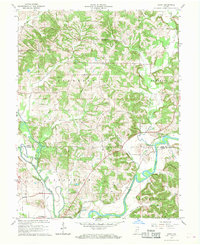 1966 Arney1968 Print · USGSThe confluence of the White and Eel Rivers defines Owen and Greene Counties during the late sixties. Researchers can trace rural life through the Farmers Ferry, the Penn Central rail line, and family landmarks like Griffith Cem and Dutch Bethel Ch.3 unique versions available
 - 1986 Map of Bloomington
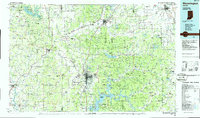 1986 Bloomington1986 Print · USGSMid-century development and vast conservation areas define south-central Indiana during the eighties. Genealogists and historians can trace family roots through numerous landmarks like Beanblossom Cem, New Unionville Church, and the historic corridors of the Indiana RR.3 unique versions available
 - 2010 Map of Arney, 2010 Print
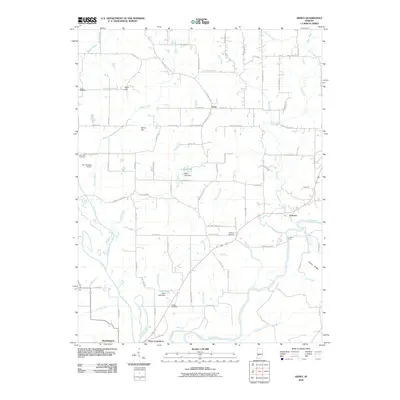 2010 Arney2010 Print · USGSIndiana's Greene County river country is captured in the early 2000s, showing the vital confluence of the Eel River and White River. Genealogists and local historians can trace family roots at Griffith Cemetery or locate the site of Point Commerce and the Farmers Ferry crossing.
 - 2013 Map of Arney, 2013 Print
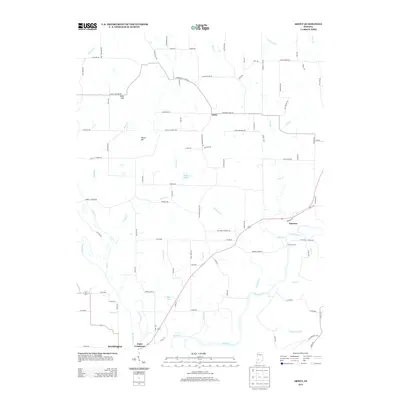 2013 Arney2013 Print · USGSThe confluence of the White River and Eel River defines this Indiana landscape in the early twenty-first century. Genealogists and local historians can trace family-named routes like Fiscus Cemetary Rd and locate settlements like Point Commerce and Farmers.
 - 2016 Map of Arney, 2016 Print
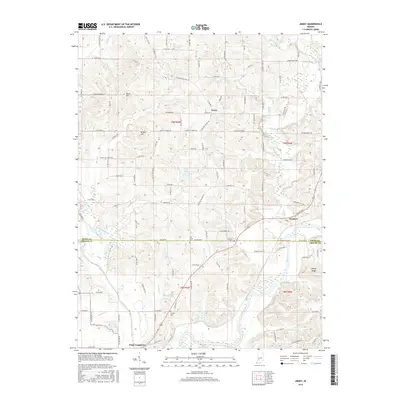 2016 Arney2016 Print · USGSNear the Owen and Greene County border, this 2010s survey captures the confluence of the Eel River and the White River. Trace local history through the sites of Arney and Point Commerce, or find family roots at Griffith Cem and Oak Grove Cem.
 - 2019 Map of Arney, 2019 Print
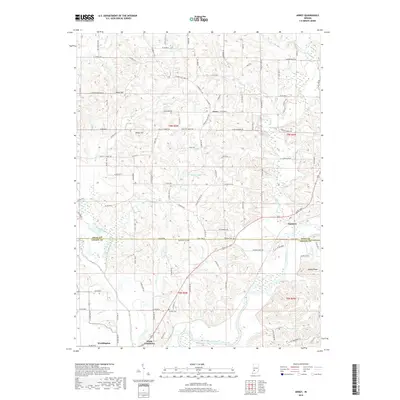 2019 Arney2019 Print · USGSThe Greene and Owen County line comes into focus in this recent survey of the Indiana river country. Researchers can trace family ties at Oak Grove Cem and Griffith Cem, or explore the historic river confluence near Point Commerce.
 - 2022 Map of Arney, 2022 Print
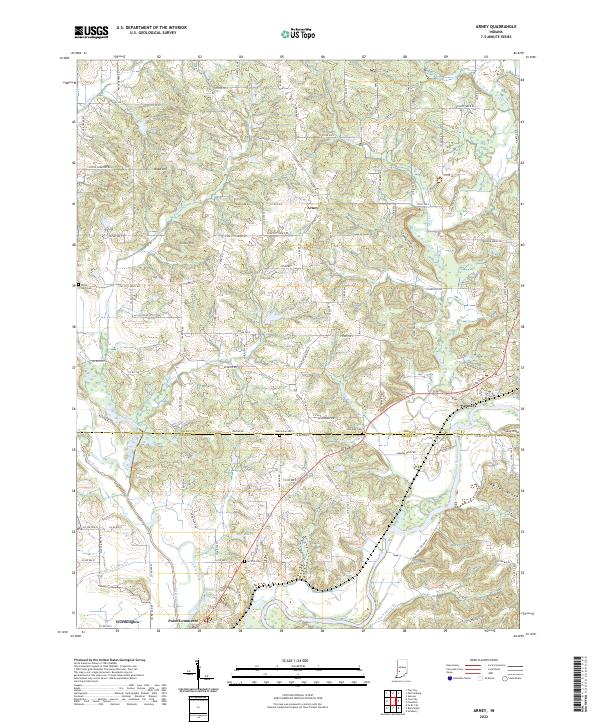 2022 Arney2022 Print · USGSThe confluence of the Eel and White Rivers defines this Owen and Greene County border region as it appears in the early 2020s. Local researchers can locate rural burial sites like Oak Grove Cem and trace the legacy of Point Commerce near Worthington.
End of results
Showing maps 1-13 of 13
Top cities near Farmers
- Bloomfield historical maps
- Spencer historical maps
- Worthington historical maps
- Clay City historical maps
- Lyons historical maps
- Gosport historical maps
See more
Frequently asked questions
- What are the different types of historical maps available for Farmers?
- What is the oldest map of Farmers?
- Where can I purchase historical maps of Farmers for my home or office?
- Where can I download high-res historical maps of Farmers?
- Are there historical topographic maps available for Farmers?
- Is there historical aerial imagery available for Farmers?
- Where are historical maps of Farmers sourced from?