Old Maps of Coxville, Indiana
Explore 12 old maps of Coxville, spanning from 1951 to today. These high-resolution historic maps reveal how streets, neighborhoods, landmarks, and natural features evolved over time — perfect for genealogy, metal detecting, research, and local history exploration.
What you can do with these maps:
- See how Coxville changed over time: Compare historical maps to modern-day views to trace roads, homesites, rail lines & more.
- View detailed metadata: Each map includes creators, publishers, year, scale, and archive source.
- Overlay maps with satellite & LiDAR: Visualize the past alongside modern tools to explore terrain & human change.
- Trusted historical sources: Maps sourced from the USGS, Library of Congress, and other archives.
- Access maps your way: View online, download high-res files, or order prints for personal or research use.
Start exploring old maps of Coxville to uncover forgotten places, hidden landmarks, and the deep history beneath your feet.
Coxville, IN maps
(12)- 1951 Map of Mecca, 1953 Print
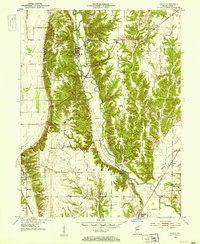 1951 Mecca1953 Print · USGSParke County in the early fifties shows a landscape shaped by clay manufacturing and a dense network of steam railroads. Researchers can trace the industrial Kilns at Mecca, find rural landmarks like the Thorpe Ford Bridge, or locate family sites at Union Cem and Bethel Ch.2 unique versions available
 - 1953 Map of Indianapolis, 1965 Print
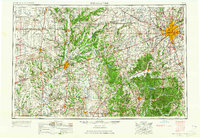 1953 Indianapolis1965 Print · USGSCentral Indiana and the Illinois borderlands are captured in the mid-sixties, showing the growth of Indianapolis and its industrial rail corridors. Genealogists and historians can trace the development of outlying towns like Zionsville or Beech Grove and find landmarks such as Atterbury AAF and Turkey Run State Park.4 unique versions available
 - 1956 Map of Indianapolis
 1956 Indianapolis1956 Print · USGSCentral Indiana in the mid-fifties is captured during a period of industrial growth and military presence. Genealogists and historians can trace the rail networks of the New York Central or locate regional landmarks like Fort Benjamin Harrison and Camp Atterbury.
 - 1957 Map of Indianapolis
 1957 Indianapolis1957 Print · USGSCentral Indiana in the mid-fifties is captured here as a crossroads of major rail lines and nascent federal highways. Genealogists and historians can trace family-named ridges like Poplar Ridge or locate strategic sites like Camp Atterbury and Speedway.2 unique versions available
 - 1962 Map of Indianapolis
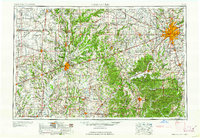 1962 Indianapolis1962 Print · USGSCentral Indiana and the Illinois borderlands are captured here in the early sixties, showing the region's dense rail networks and growing urban centers. Genealogists and historians can locate family-named landmarks and institutions like Crown Hill Cem, Indiana University, and the Indianapolis Motor Speedway.
 - 1963 Map of Mecca, 1964 Print
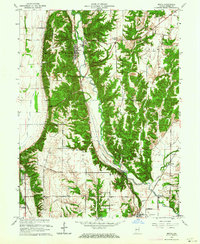 1963 Mecca1964 Print · USGSParke County's river valleys and railroad crossings are documented here in the early sixties, showing a landscape defined by the Wabash and Big Raccoon Creek. Genealogists and historians can trace old settlements like Mecca and Jessup, or locate regional landmarks like the Roseville Covered Bridge and Hixon Cem.3 unique versions available
 - 1986 Map of Paris
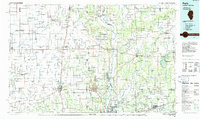 1986 Paris1986 Print · USGSThe Illinois-Indiana borderlands thrive in the mid-1980s as a hub of river-side industry and fertile farmland. Genealogists and historians can trace rail-centered settlements like Chrisman and Metcalf, or locate family sites at the Quaker Cem and Bethel Ch.2 unique versions available
 - 2010 Map of Mecca, 2010 Print
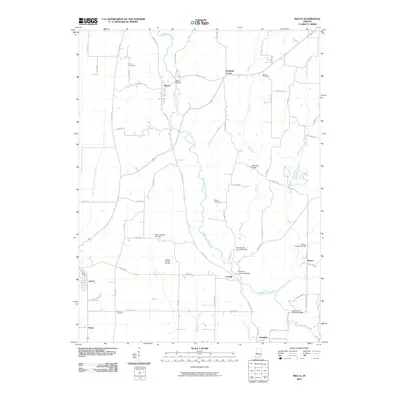 2010 Mecca2010 Print · USGSParke County in the early twenty-first century remains a landscape defined by its historic crossings and small rural centers. Genealogists and historians can trace family ties at Union Cemetery or explore a remarkable series of landmarks including the Roseville Covered Bridge and Mecca Bridge.
 - 2013 Map of Mecca, 2013 Print
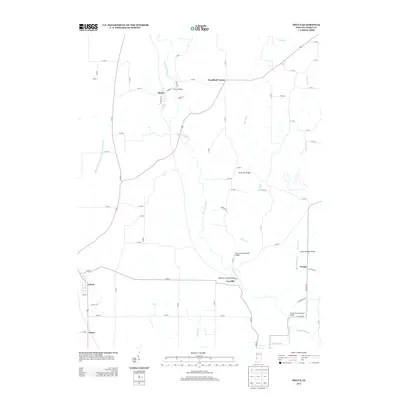 2013 Mecca2013 Print · USGSParke County’s renowned collection of covered bridges is well-documented in this early twenty-first-century survey of the Wabash Valley region. Historians can locate several historic crossings like the Harry Evans Covered Bridge and Jessup Covered Bridge along the banks of Big Raccoon Cr.
 - 2016 Map of Mecca, 2016 Print
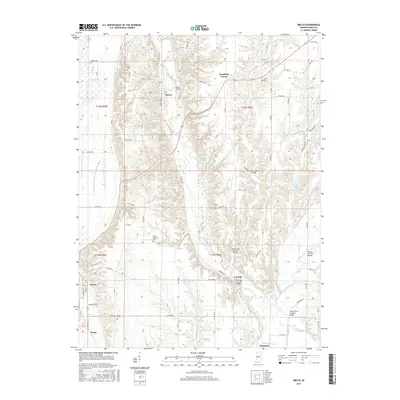 2016 Mecca2016 Print · USGSParke County’s famous river crossings are well-documented here during the mid-2010s, showing a landscape of small settlements and rural cemeteries. You can trace historic routes across the Mecca Bridge, Roseville Covered Bridge, and Jessup Covered Bridge while locating family sites like Mount Pleasant Cem.
 - 2019 Map of Mecca, 2019 Print
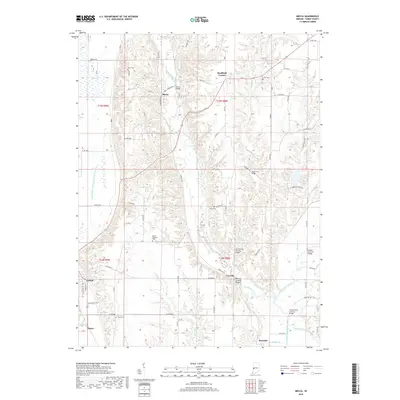 2019 Mecca2019 Print · USGSParke County’s rural landscape is documented here in the late twenty-tens, showing the enduring structure of its creek-side settlements. Researchers can pinpoint historic family locations near Mecca, Coxville, and cemeteries like Mount Pleasant Cem.
 - 2022 Map of Mecca, 2022 Print
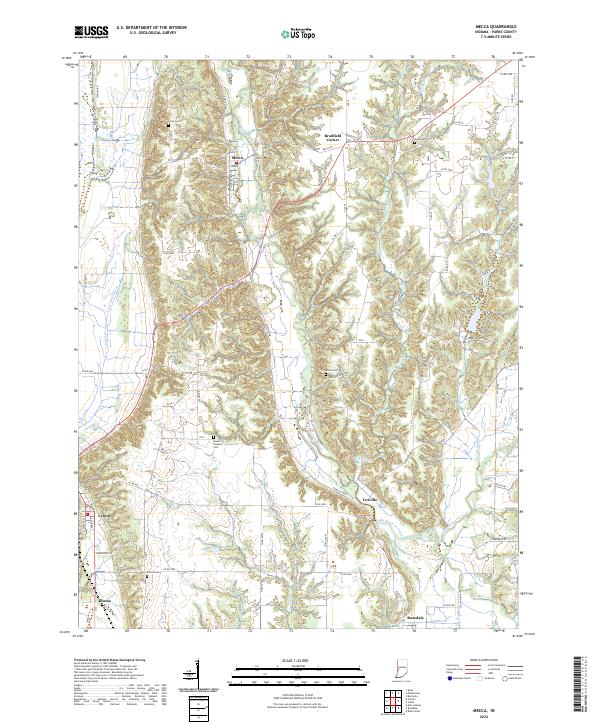 2022 Mecca2022 Print · USGSParke County in the early 2020s shows a landscape deeply tied to its waterways and rural community centers. Researchers can trace local history through the many burial grounds like Mount Pleasant Cem and Bound Cem or locate historical points in Mecca and Rosedale.
End of results
Showing maps 1-12 of 12
Top cities near Coxville
- Terre Haute historical maps
- Brazil historical maps
- Clinton historical maps
- Rockville historical maps
- West Terre Haute historical maps
- Highland historical maps
See more
Frequently asked questions
- What are the different types of historical maps available for Coxville?
- What is the oldest map of Coxville?
- Where can I purchase historical maps of Coxville for my home or office?
- Where can I download high-res historical maps of Coxville?
- Are there historical topographic maps available for Coxville?
- Is there historical aerial imagery available for Coxville?
- Where are historical maps of Coxville sourced from?