Old Maps of Warren County, Indiana for Metal Detecting
Plan your next treasure hunt with 94 historic maps of Warren County. Find old homesites, ghost towns, trails, and gathering spots that may be lost to time — perfect for identifying promising metal detecting locations.
- Locate forgotten sites: Uncover places like long-lost settlements, abandoned rail lines, or gathering spots.
- Plan better hunts: Use map overlays combined with LiDAR or satellite views to narrow in on historically rich areas.
- Made for detectorists: Thousands of hobbyists use these maps to discover relics, coins, and hidden history.
Use these historic maps to boost your research and find new opportunities beneath the surface of Warren County.
Warren County, IN maps
(94)- 1899 Map of Danville
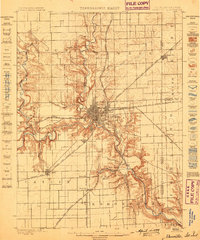 1899 Danville1899 Print · USGSDanville and the surrounding Vermilion County townships thrived at a massive rail intersection before the turn of the century. Genealogists and historians can trace the early layouts of Batestown, Catlin, and Rileysburg along the Vermilion River.
 - 1900 Map of Danville
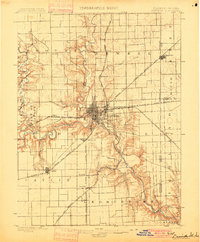 1900 Danville1900 Print · USGSVermilion County at the turn of the century is a bustling rail center defined by the junction of major freight lines and the Vermilion River. Genealogists can trace family footprints in early settlements like Westville, Batestown, and the border community of State Line.7 unique versions available
 - 1933 Map of Hoopeston
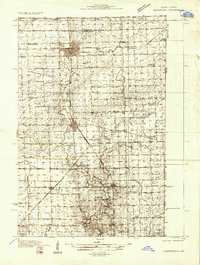 1933 Hoopeston1933 Print · USGSVermilion County and the Illinois-Indiana borderlands are captured here in the early 1930s as a thriving rail and agricultural corridor. Genealogists can locate dozens of rural schools like White Sch and family-linked landmarks such as Ross Cem or Manns Chapel.
 - 1938 Map of Hoopeston
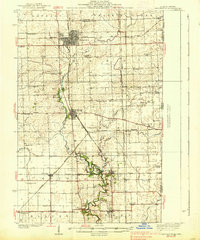 1938 Hoopeston1938 Print · USGSEastern Illinois at the height of the rail era shows a landscape defined by busy junctions and tightly knit rural communities. Genealogists and historians can trace family roots through dozens of local landmarks like Squankum Sch, Rose Cem, and Pleasant View Ch.3 unique versions available
 - 1942 Map of Otterbein
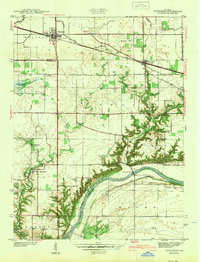 1942 Otterbein1942 Print · USGSIndiana's prairie meets the Wabash River valley at the start of the 1940s, showing a landscape defined by rail lines and early canal history. Genealogists and historians can trace family roots through rural landmarks like Asbury Cem, the Armstrong Chapel, and the community of Green Hill.
 - 1950 Map of Danville NE, 1962 Print
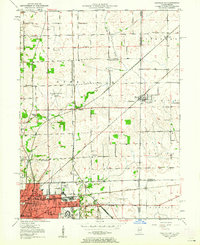 1950 Danville NE1962 Print · USGSDanville and the surrounding Illinois-Indiana borderlands are captured here at a mid-century peak of rail and industry. Researchers can trace family roots through numerous rural institutions like Grange Hall Sch, Spring Hill Cemetery, and the Hopewell Ch.
 - 1951 Map of Danville NE
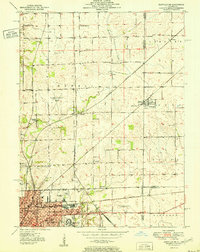 1951 Danville NE1951 Print · USGSThe Illinois and Indiana state line comes alive in the early 1950s as Danville's rail-and-road network reaches toward the border. Researchers can trace family history at Oaklawn Cem and Bryley Cem or locate vanished rural schoolhouses like Lamb Sch and Ash Corner Sch.
 - 1951 Map of Otterbein
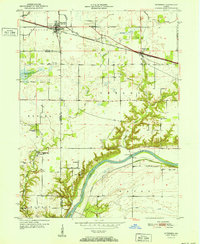 1951 Otterbein1951 Print · USGSTippecanoe and Warren Counties were defined by the convergence of major railroads and river commerce in the early 1950s. Genealogists and historians can trace the Abandoned Canal near the Wabash River or locate family sites like Spencer Cem and Ross Camp.2 unique versions available
 - 1953 Map of Danville, 1965 Print
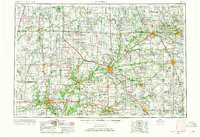 1953 Danville1965 Print · USGSIndiana and Illinois crossroads come to life in this mid-century survey as the interstate era begins to reshape the river-and-rail landscape. Genealogists and collectors can trace the historic paths of the Nickel Plate railroad or locate smaller communities like Veedersburg, Goodland, and Bismarck.3 unique versions available
 - 1955 Map of Danville
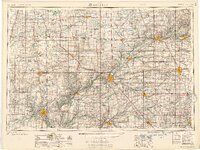 1955 Danville1955 Print · USGSThe Indiana-Illinois borderlands during the mid-fifties reveal a landscape of thriving rail hubs and university towns. Researchers can trace the legacy of Purdue University, the Tippecanoe Battlefield, and the path of the Pennsylvania RR.
 - 1956 Map of Danville
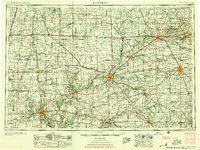 1956 Danville1956 Print · USGSMid-century Indiana and Illinois are captured here as the river-and-rail economy evolved into the modern highway era. Researchers can trace ancestral roots and old transport lines through Logansport, Battle Ground, and the dams at Lake Shafer.
 - 1958 Map of Stonebluff, 1959 Print
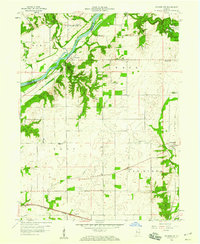 1958 Stonebluff1959 Print · USGSFountain County in the late fifties was a landscape of winding creek ravines and quiet rail junctions. Genealogists and local historians can locate early landmarks like Osborn Prairie Ch, the Township Sch, and the unique geological formation at Portland Arch.
 - 1958 Map of Covington, 1960 Print
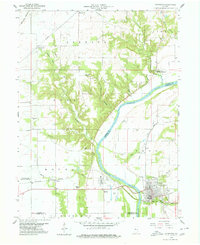 1958 Covington1960 Print · USGSCovington and the Wabash River valley appear here in the late fifties, showcasing a landscape defined by its river-and-rail industry. Researchers can trace the New York Central lines or locate legacy sites like Baltimore Cem, Foster, and Galloway Chapel.4 unique versions available
 - 1961 Map of Chatterton, 1962 Print
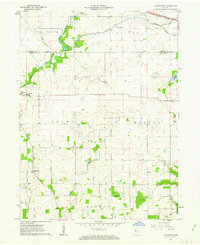 1961 Chatterton1962 Print · USGSWestern Indiana farming life is captured here in the early sixties as the landscape transitions between Warren and Benton Counties. Genealogists and historians can trace old homesteads and landmarks like Quaker Cem, Chatterton, and the Pine Village Sch.
 - 1961 Map of Tab, 1962 Print
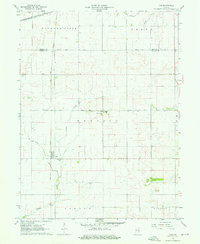 1961 Tab1962 Print · USGSAgricultural life in Warren County is captured in the early sixties as railroads and drainage ditches defined the rural landscape. Trace the history of Tab through its elevators, Locust Grove Cem, and Township Sch.4 unique versions available
 - 1961 Map of Pine Village, 1962 Print
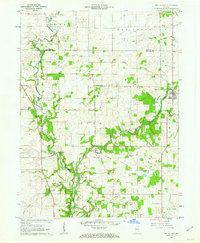 1961 Pine Village1962 Print · USGSWarren County at the dawn of the sixties shows a landscape of creek-side settlements and family farmsteads. Genealogists and local historians can trace legacy burial sites like Smith Cem and Van Reed Cem or explore the layouts of Pine Village and Rainsville.2 unique versions available
 - 1961 Map of Otterbein, 1963 Print
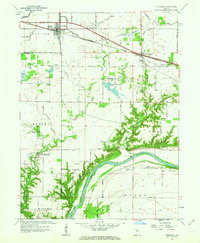 1961 Otterbein1963 Print · USGSThe Wabash River valley and the fertile plains of Western Indiana meet in this early 1960s survey. Genealogists and local historians can trace rural family sites like Pond Grove Cem, Armstrong Chapel, and the riverside settlement of Green Hill.3 unique versions available
 - 1961 Map of West Lebanon, 1964 Print
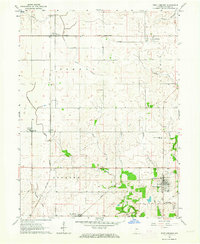 1961 West Lebanon1964 Print · USGSWarren County at the start of the sixties is captured here as a thriving rail and agricultural hub. Researchers can trace family history through sites like Old Town, Redwood Cem, and rural stops along the New York Central railroad.2 unique versions available
 - 1962 Map of Williamsport, 1964 Print
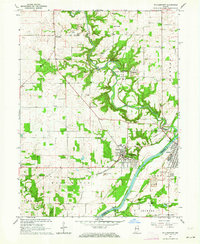 1962 Williamsport1964 Print · USGSWilliamsport and Attica anchor the Wabash River crossing in the early sixties, a time when mineral spring resorts and river industry shaped the county line. Researchers can trace family sites at McCabe Cem, visit the old Falls Sch, or locate the Mudlavia Springs grounds.3 unique versions available
 - 1962 Map of Westpoint, 1964 Print
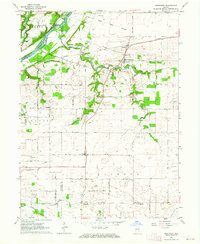 1962 Westpoint1964 Print · USGSTippecanoe and Fountain Counties are captured here in the early 1960s, a landscape defined by the winding Wabash River and legacy survey lines. Genealogists and local historians can trace the positions of the Salem Ch, Sherry Cem, and the settlement of Westpoint.
 - 1962 Map of Attica, 1964 Print
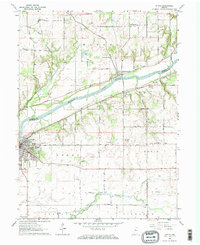 1962 Attica1964 Print · USGSThe banks of the Wabash River dominate this early 1960s Indiana landscape at the border of Fountain and Warren counties. Local historians can trace established homesteads near Attica, the rural crossroads of Banning Corner, and scattered landmarks like Bethel Ch and Riley Airfield.2 unique versions available
 - 1964 Map of Bismarck, 1965 Print
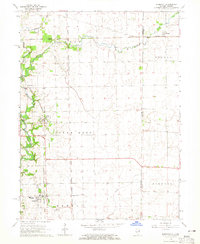 1964 Bismarck1965 Print · USGSBismarck and the Illinois-Indiana borderlands are shown in the mid-1960s as a hub for the Chicago and Eastern Illinois and Milwaukee Road rail lines. Genealogists and local historians can trace family roots through Miller Cem, locate the Township High Sch in Bismarck, or follow the Old Railroad Grade near Alvin.2 unique versions available
 - 1964 Map of Ambia, 1965 Print
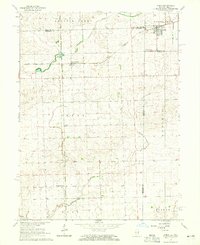 1964 Ambia1965 Print · USGSThe Illinois-Indiana borderlands of the mid-1960s are captured here during a period of active rail transit and rural agriculture. Genealogists and local historians can trace family roots through settlements like Cheneyville, Powley Corners, and the rural Antioch Ch.
 - 1966 Map of Danville NE, 1967 Print
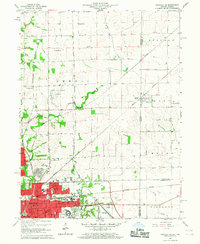 1966 Danville NE1967 Print · USGSThe Illinois-Indiana borderlands come to life in the mid-1960s as Danville expands toward the state line. Genealogists and historians can trace rail-side settlements like Newell and find several family-named landmarks including Leonard Cem and Bryley Cem.2 unique versions available
 - 1967 Map of Stone Bluff, 1969 Print
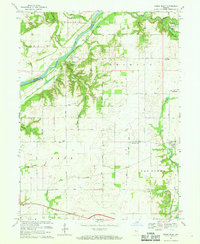 1967 Stone Bluff1969 Print · USGSFountain County in the late sixties reveals a landscape of river-bend settlements and fertile prairie farms defined by the Wabash River. Genealogists and researchers can locate family landmarks like Rob Roy Cem, Brown Cem, and the historic Portland Arch.
Showing maps 1-25 of 94
Top cities of Warren County
Frequently asked questions
- What are the different types of historical maps available for Warren County?
- What is the oldest map of Warren County?
- Where can I purchase historical maps of Warren County for my home or office?
- Where can I download high-res historical maps of Warren County?
- Are there historical topographic maps available for Warren County?
- Is there historical aerial imagery available for Warren County?
- Where are historical maps of Warren County sourced from?