Old Maps of Van Buren, Iowa for Genealogy
Trace your family roots with 13 historic maps of Van Buren. These high-res maps reveal old neighborhoods, homesites, landmarks, and streets — helping you uncover where your ancestors lived and how the area evolved over time.
- Explore historic neighborhoods: Identify where your relatives may have lived in the 1800s or 1900s.
- Compare maps over time: Trace the changes in streets, buildings, and landmarks for multi-generational research.
- Perfect for genealogy & ancestry research: Used by family historians and researchers to map out lineage and migration.
These maps are an incredible resource for exploring your personal connection to Van Buren's past.
Van Buren, IA maps
(13)- 1935 Map of Miles, 1957 Print
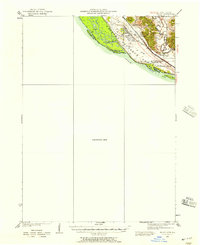 1935 Miles1957 Print · USGSIn the mid-1930s, the Mississippi River shoreline was defined by military expansion and the rail economy. Genealogists and historians can trace the foundations of the Savanna Ordnance Depot and local landmarks like Whitton and Lost Mound Sch.
 - 1941 Map of Miles
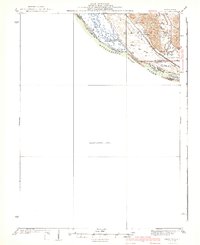 1941 Miles1941 Print · USGSThe Mississippi River borderlands come alive in this pre-war survey, documenting the small settlements and rail lines that defined the Jo Daviess and Carroll County line. Researchers can trace the river's complex island system or find local landmarks like Whitton, Lost Mound, and the Lost Mound Sch.2 unique versions available
 - 1959 Map of Dubuque, 1982 Print
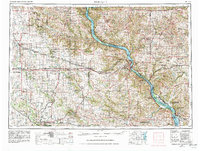 1959 Dubuque1982 Print · USGSThe Tri-State region comes alive in the mid-twentieth century as a hub of river commerce and rail transit. Genealogists and historians can trace the paths of the Illinois Central Gulf through Dubuque or locate the Savanna Ordnance Depot and Lock and Dam No 11.
 - 1961 Map of Dubuque
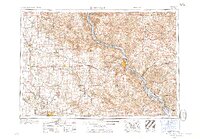 1961 Dubuque1961 Print · USGSThe Tri-State region's river-and-rail landscape is captured here during the early sixties, showing the convergence of Iowa, Illinois, and Wisconsin. Trace mid-century rail lines like the Chicago Great Western Ry and explore sites like the Savanna Ordnance Depot and Backbone State Park.
 - 1962 Map of Dubuque
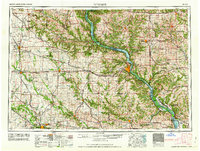 1962 Dubuque1962 Print · USGSThe Tri-State region's river-and-rail economy is captured here in the early sixties, centered on the Mississippi River bluffs. Genealogists and historians can locate Numerous lead and zinc mines, the New Melleray Abbey Monastery, and rural hubs like Saint Olaf.2 unique versions available
 - 1976 Map of Dubuque
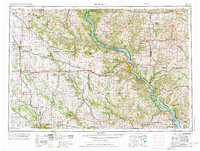 1976 Dubuque1976 Print · USGSThe tri-state borderlands of Iowa, Wisconsin, and Illinois come alive during the mid-seventies, showing a region built on river commerce and mining. Genealogists and historians can trace the paths of the Illinois Central railroad or locate heritage sites like the New Melleray Abbey Monastery and Backbone State Park.
 - 1980 Map of Miles, 1981 Print
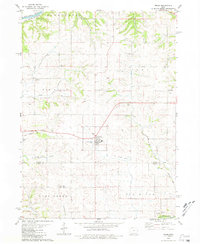 1980 Miles1981 Print · USGSJackson County agriculture and the transition of rail travel define this 1980s look at Miles. Genealogists and local historians can trace family plots at Buckeye Cem or Preston Cem and follow the Old Railroad Grade through the countryside.
 - 1984 Map of Dubuque South, 1985 Print
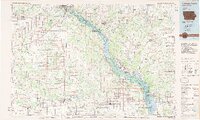 1984 Dubuque South1985 Print · USGSEastern Iowa and Northwest Illinois meet along the Mississippi in the mid-eighties, a landscape defined by river industry and limestone bluffs. Trace the rail lines of the Illinois Central Gulf or explore notable sites like the Savanna Army Depot and Maquoketa Caves State Park.4 unique versions available
 - 2010 Map of Miles, 2010 Print
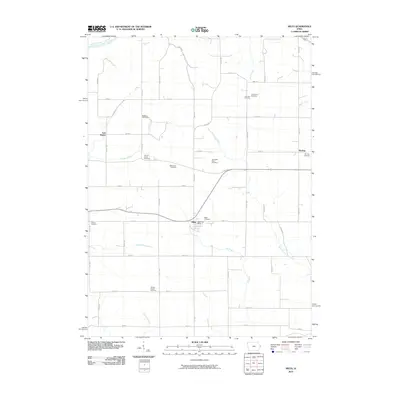 2010 Miles2010 Print · USGSJackson County agricultural life is captured here in the decade following the turn of the millennium. Local historians can trace the lineage of the land through numerous rural burial grounds like Buckeye Cemetery, Vernon Prairie Cemetery, and the namesake Miles Cemetery.
 - 2013 Map of Miles, 2013 Print
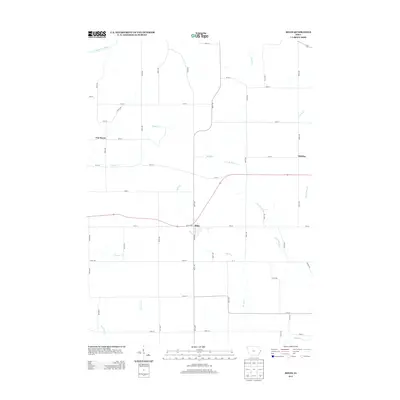 2013 Miles2013 Print · USGSJackson County agricultural life is centered on the town of Miles in the early twenty-first century. Genealogists and local historians can trace the rural road network and watercourse boundaries near Sterling, Van Buren, and the banks of the Elk River.
 - 2015 Map of Miles, 2015 Print
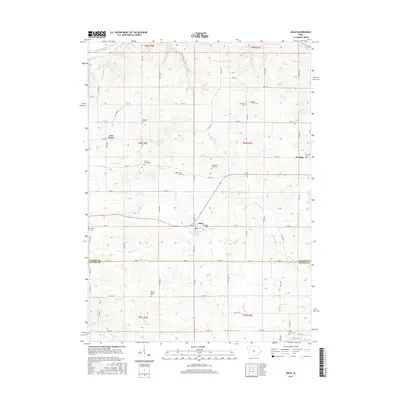 2015 Miles2015 Print · USGSJackson and Clinton Counties are captured here in the mid-2010s, showcasing a landscape of creek-fed farms and scattered historic settlements. Genealogists can trace family heritage through numerous rural burial sites including Buckeye Cem, Watts Farm Cem, and Miles Cem.
 - 2018 Map of Miles, 2018 Print
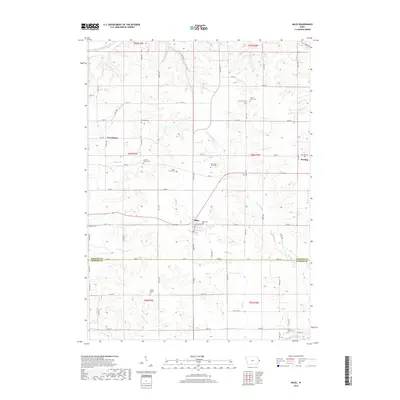 2018 Miles2018 Print · USGSEastern Iowa farmland meets the rolling drainage of the Elk River in this detailed study of Jackson and Clinton Counties. Genealogists can trace decades of local history through numerous family burial sites, including Buckeye Cem, Miles Cem, and Old Van Buren Cem.
 - 2022 Map of Miles, 2022 Print
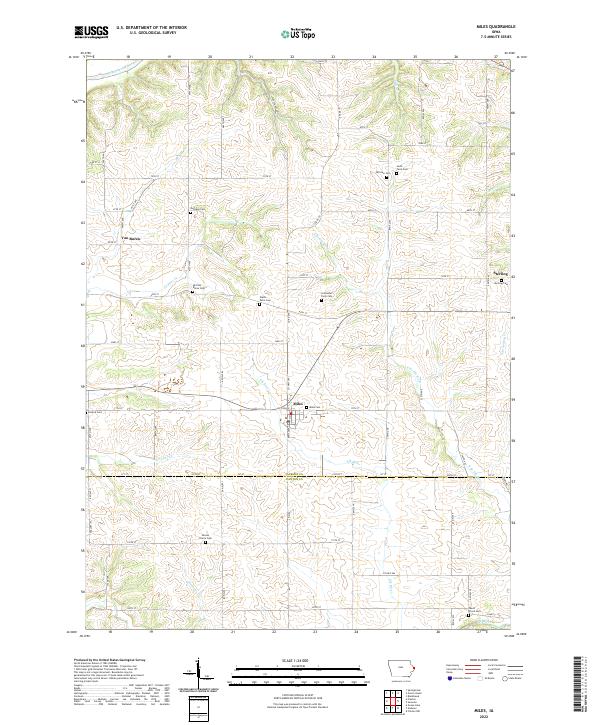 2022 Miles2022 Print · USGSThe border of Jackson and Clinton counties comes alive in this recent survey of eastern Iowa's rolling farmland. Genealogists can trace family heritage through numerous rural burial sites including Buckeye Cem, Old Van Buren Cem, and Teeds Grove Cem.
End of results
Showing maps 1-13 of 13
Top cities near Van Buren
- Clinton historical maps
- Fulton historical maps
- Savanna historical maps
- Bellevue historical maps
- Preston historical maps
- Hanover historical maps
See more
Frequently asked questions
- What are the different types of historical maps available for Van Buren?
- What is the oldest map of Van Buren?
- Where can I purchase historical maps of Van Buren for my home or office?
- Where can I download high-res historical maps of Van Buren?
- Are there historical topographic maps available for Van Buren?
- Is there historical aerial imagery available for Van Buren?
- Where are historical maps of Van Buren sourced from?