Old Maps of Ankeny, Iowa for Hiking & Exploration
Hike through history with 34 historic maps of Ankeny. Explore old trails, ghost towns, and forgotten backroads — perfect for outdoor adventurers and local explorers.
- Rediscover forgotten places: Map out old mining camps, roads, and footpaths that no longer exist on modern maps.
- Layer with modern tools: Combine with LiDAR or satellite views to plan hikes through historical terrain.
- Made for exploration: Popular among hikers, overlanders, and local history lovers.
Use these maps to find adventure and explore the hidden past of Ankeny.
Ankeny, IA maps
(34)- 1905 Map of Des Moines, 1954 Print
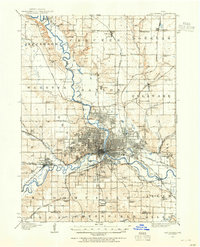 1905 Des Moines1954 Print · USGSAt the dawn of the twentieth century, the state capital was a thriving rail hub where the Des Moines River met a complex network of iron rails. Genealogists and historians can trace early neighborhood development near the State Fairgrounds or locate family roots near rural landmarks like Red Brick School and Valley Junction.
 - 1907 Map of Des Moines
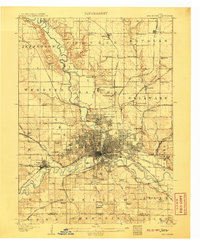 1907 Des Moines1907 Print · USGSThe capital city and its surrounding coal-and-rail towns are shown in detail at the start of the twentieth century. Genealogists can locate family homesteads near Fort Des Moines or trace ancestors in vanished settlements like Oralabor, Saylorville, and Valley Junction.3 unique versions available
 - 1911 Map of Slater, 1960 Print
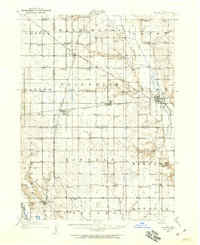 1911 Slater1960 Print · USGSCentral Iowa at the dawn of the twentieth century was a landscape of rail-driven prairie towns and a schoolhouse at nearly every mile. Genealogists can trace the rural roots of local families through specific sites like Nip-and-tuck School, Polk City Junction, and Huxley.
 - 1913 Map of Slater
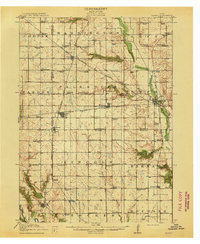 1913 Slater1913 Print · USGSCentral Iowa's farm country and rail corridors are captured here just before the First World War, showing a landscape tightly knit by steam and electric lines. Genealogists can locate dozens of neighborhood landmarks like Nip-and-tuck School, the Sydnes School, and the early plats of Slater and Huxley.2 unique versions available
 - 1954 Map of Des Moines, 1973 Print
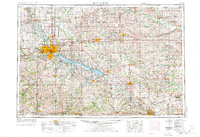 1954 Des Moines1973 Print · USGSCentral Iowa's evolving landscape is captured here in the early seventies, just as major reservoirs were reshaping the river valleys. Genealogists and historians can trace the rail corridors of the Burlington Northern or locate family roots near Pella, Indianola, and Knoxville.2 unique versions available
 - 1956 Map of Des Moines
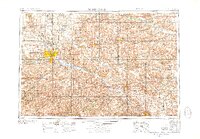 1956 Des Moines1956 Print · USGSCentral Iowa in the mid-fifties shows a landscape defined by bustling rail hubs and deep-rooted agricultural research. Genealogists and researchers can trace the growth of Des Moines and Ames, locate the Sac and Fox Indian Reservation, or study the paths of the Skunk River and South Skunk River.
 - 1956 Map of Des Moines NW, 1958 Print
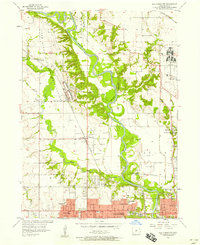 1956 Des Moines NW1958 Print · USGSNorthwest of Des Moines in the mid-fifties, the landscape was a mix of military training grounds and rapidly growing suburbs. Genealogists and historians can trace the footprint of Camp Dodge, find lost family plots like Kinsey Cem, and locate the early sites of Dodge Airport and Olmstead Sch.5 unique versions available
 - 1956 Map of Des Moines NE, 1958 Print
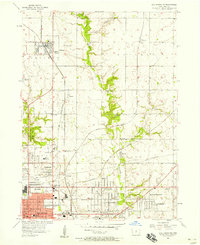 1956 Des Moines NE1958 Print · USGSThe northern Des Moines suburbs and the rail hubs of Polk County are captured here in the mid-fifties. Researchers can trace the original footprints of Ankeny and Oralabor, or locate rural landmarks like Greenwood Ch and Highland Memory Gardens.4 unique versions available
 - 1956 Map of Des Moines, 1959 Print
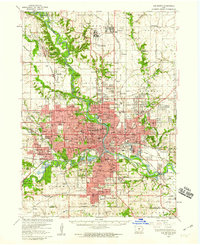 1956 Des Moines1959 Print · USGSThe Des Moines metro area is captured in the mid-1950s, showing a landscape defined by rapid suburban growth and deep-rooted military and rail history. Trace the development of Urbandale and Windsor Heights alongside landmarks like Camp Dodge and the State Fairgrounds.
 - 1957 Map of Des Moines
 1957 Des Moines1957 Print · USGSCentral Iowa's post-war landscape is defined here by the converging rail lines and river valleys that shaped its earliest settlements. Genealogists and historians can trace the paths of the Rock Island Railroad and locate community landmarks in Des Moines, Ames, and Newton.
 - 1969 Map of Des Moines
 1969 Des Moines1969 Print · USGSCentral Iowa's fertile plains and growing capital are captured here during the late sixties, a time of major highway expansion and reservoir construction. Genealogists and researchers can trace rural township boundaries, local cemeteries, and rail lines serving towns like Pella, Grinnell, and Oskaloosa.
 - 1972 Map of Elkhart, 1975 Print
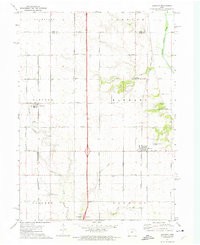 1972 Elkhart1975 Print · USGSNorth of Des Moines in the early seventies, this rural landscape reveals the tightly organized farm grids and rail towns of Polk County. Genealogists can locate family landmarks like Keller Cem, White Oak Ch, and the streets of Alleman.
 - 1972 Map of Polk City, 1975 Print
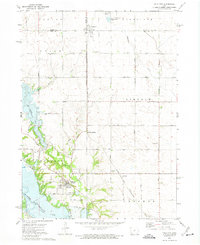 1972 Polk City1975 Print · USGSCentral Iowa was undergoing a massive landscape shift in the early seventies as the Saylorville project took shape. Researchers can trace the original rail path of the Chicago and North Western and locate quiet rural landmarks like Sheldahl Cem and Crocker.2 unique versions available
 - 1984 Map of Des Moines, 1985 Print
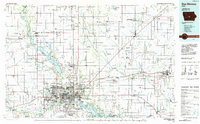 1984 Des Moines1985 Print · USGSCentral Iowa's heartland is captured in the mid-1980s as suburban growth met long-standing farm and rail infrastructure. Genealogists and researchers can trace the reaches of the Chicago and North Western through Maxwell or locate Laurel Hill Cem and Camp Dodge Military Reservation.2 unique versions available
 - 2010 Map of Des Moines NW, 2010 Print
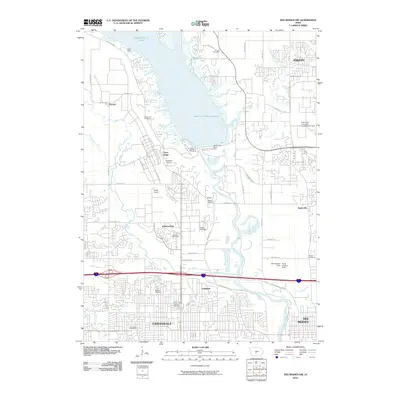 2010 Des Moines NW2010 Print · USGSGreater Des Moines and its northern suburbs are shown here at a time of rapid growth and water management. Researchers can trace family history through numerous burial sites like Union Cemetery or explore the geography of Camp Dodge and the Saylorville Dam.
 - 2010 Map of Elkhart, 2010 Print
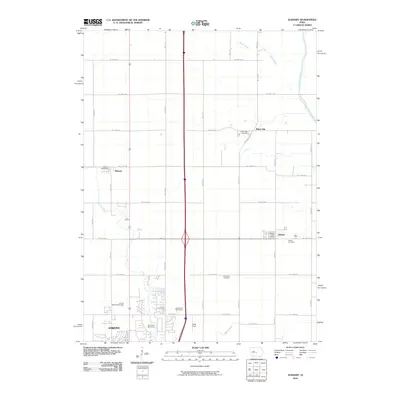 2010 Elkhart2010 Print · USGSThe northern Des Moines periphery comes into focus during this era of suburban growth. Genealogists and local historians can trace family roots through several local landmarks including White Oak Cemetery, Alleman, and Ankeny Memorial Gardens.
 - 2010 Map of Des Moines NE, 2010 Print
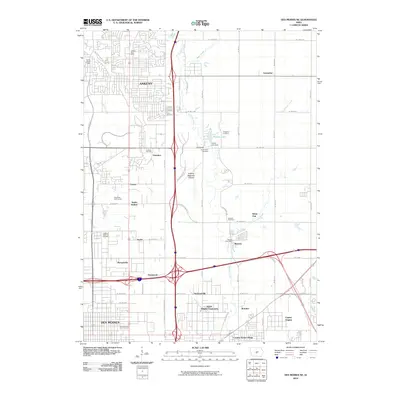 2010 Des Moines NE2010 Print · USGSThe northern suburbs of the Iowa capital are captured here during a period of significant growth at the start of the decade. Genealogists can locate family sites at Oralabor Cemetery or Greenwood Cemetery and trace the footprints of communities like Berwick and Marquisville.
 - 2010 Map of Polk City, 2010 Print
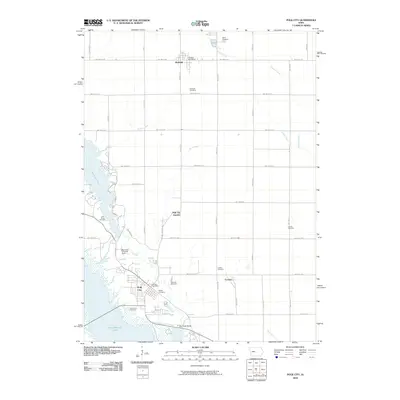 2010 Polk City2010 Print · USGSThe northern Des Moines river valley in the early 21st century reveals a landscape defined by massive reservoir projects and deep-rooted pioneer history. Trace local genealogy and land use through numerous burial sites like Beebe Cemetery and vanished stops such as Ulm or Crocker.
 - 2013 Map of Des Moines NE, 2013 Print
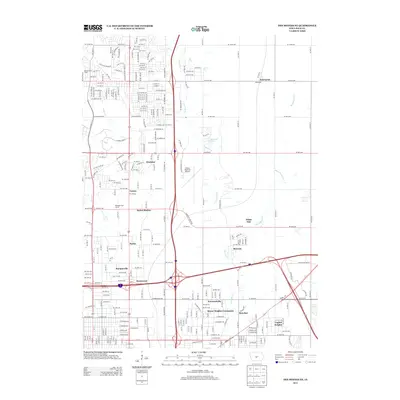 2013 Des Moines NE2013 Print · USGSNortheast Polk County in the early twenty-first century shows a landscape defined by its vital highway junctions and expanding neighborhoods. Trace the layouts of historic communities like Saylor and Berwick or the growing Ankeny Regional Airport.
 - 2013 Map of Polk City, 2013 Print
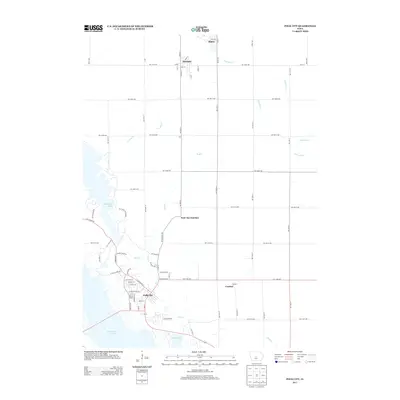 2013 Polk City2013 Print · USGSThe transition from residential growth to traditional Iowa farmland is captured here in the early twenty-first century. Researchers can trace the layout of Polk City and locate smaller settlements like Sheldahl, Ulm, and Crocker among the waters of Saylorville Lake.
 - 2013 Map of Elkhart, 2013 Print
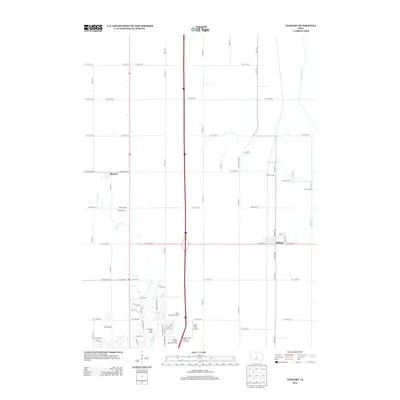 2013 Elkhart2013 Print · USGSPolk County shows the meeting of agricultural traditions and modern suburban expansion in the early 2010s. Researchers can trace the development of Alleman and Elkhart or locate landmarks like Todd Field Airport and the S Skunk River.
 - 2013 Map of Des Moines NW, 2013 Print
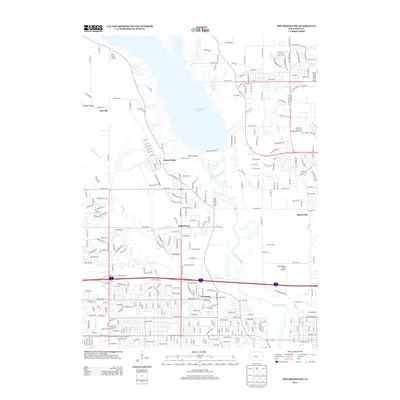 2013 Des Moines NW2013 Print · USGSThe northern suburbs of Des Moines appear in 2013 as a landscape of military installations, managed waterways, and expanding residential tracts. Genealogists and local historians can trace the development of Johnston and Saylorville near Camp Dodge and the Des Moines River.
 - 2015 Map of Elkhart, 2015 Print
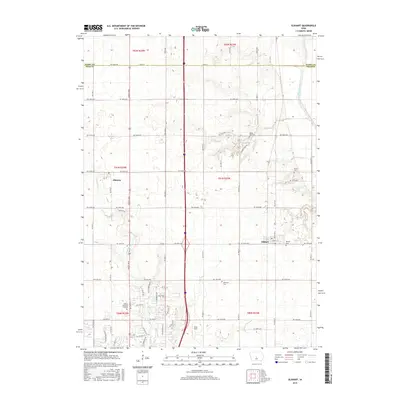 2015 Elkhart2015 Print · USGSElkhart and Alleman appear within a meticulously surveyed landscape of central Iowa in the mid-2010s. Researchers can trace rural lineages through local landmarks like Elkhart Cem, White Oak Cem, and the path of the South Skunk River.
 - 2015 Map of Des Moines NE, 2015 Print
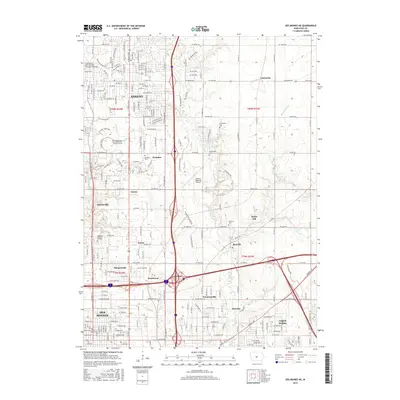 2015 Des Moines NE2015 Print · USGSDes Moines and Ankeny are captured in a period of rapid suburban expansion during the mid-2010s. Researchers can trace family history at Highland Memory Gardens or locate the boundaries of small communities like Marquisville and Norwoodville.
 - 2015 Map of Polk City, 2015 Print
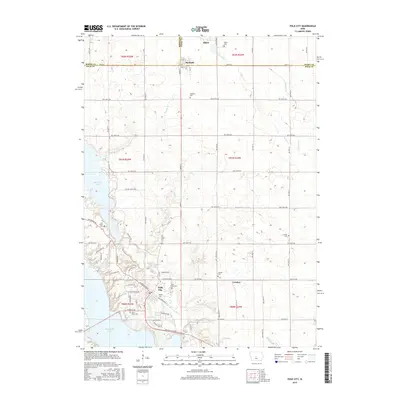 2015 Polk City2015 Print · USGSPolk County is shown during a period of modern growth and recreational development north of Des Moines. Researchers can locate numerous historic burial sites such as Beebe Cem and Sheldahl Cem, or trace the shorelines of Big Creek Lake.
Showing maps 1-25 of 34
Top cities near Ankeny
- Des Moines historical maps
- West Des Moines historical maps
- Urbandale historical maps
- Johnston historical maps
- Waukee historical maps
- Altoona historical maps
See more
Top neighborhoods of Ankeny
Frequently asked questions
- What are the different types of historical maps available for Ankeny?
- What is the oldest map of Ankeny?
- Where can I purchase historical maps of Ankeny for my home or office?
- Where can I download high-res historical maps of Ankeny?
- Are there historical topographic maps available for Ankeny?
- Is there historical aerial imagery available for Ankeny?
- Where are historical maps of Ankeny sourced from?