Old Maps of Ewart, Iowa
Explore 11 old maps of Ewart, spanning from 1954 to today. These high-resolution historic maps reveal how streets, neighborhoods, landmarks, and natural features evolved over time — perfect for genealogy, metal detecting, research, and local history exploration.
What you can do with these maps:
- See how Ewart changed over time: Compare historical maps to modern-day views to trace roads, homesites, rail lines & more.
- View detailed metadata: Each map includes creators, publishers, year, scale, and archive source.
- Overlay maps with satellite & LiDAR: Visualize the past alongside modern tools to explore terrain & human change.
- Trusted historical sources: Maps sourced from the USGS, Library of Congress, and other archives.
- Access maps your way: View online, download high-res files, or order prints for personal or research use.
Start exploring old maps of Ewart to uncover forgotten places, hidden landmarks, and the deep history beneath your feet.
Ewart, IA maps
(11)- 1954 Map of Des Moines, 1973 Print
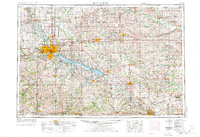 1954 Des Moines1973 Print · USGSCentral Iowa's evolving landscape is captured here in the early seventies, just as major reservoirs were reshaping the river valleys. Genealogists and historians can trace the rail corridors of the Burlington Northern or locate family roots near Pella, Indianola, and Knoxville.2 unique versions available
 - 1956 Map of Des Moines
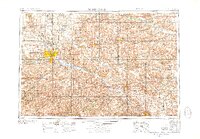 1956 Des Moines1956 Print · USGSCentral Iowa in the mid-fifties shows a landscape defined by bustling rail hubs and deep-rooted agricultural research. Genealogists and researchers can trace the growth of Des Moines and Ames, locate the Sac and Fox Indian Reservation, or study the paths of the Skunk River and South Skunk River.
 - 1957 Map of Des Moines
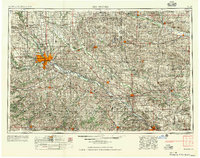 1957 Des Moines1957 Print · USGSCentral Iowa's post-war landscape is defined here by the converging rail lines and river valleys that shaped its earliest settlements. Genealogists and historians can trace the paths of the Rock Island Railroad and locate community landmarks in Des Moines, Ames, and Newton.
 - 1969 Map of Des Moines
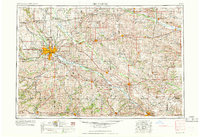 1969 Des Moines1969 Print · USGSCentral Iowa's fertile plains and growing capital are captured here during the late sixties, a time of major highway expansion and reservoir construction. Genealogists and researchers can trace rural township boundaries, local cemeteries, and rail lines serving towns like Pella, Grinnell, and Oskaloosa.
 - 1979 Map of Malcom, 1980 Print
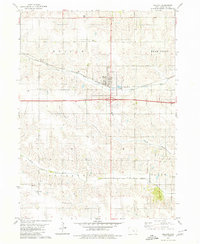 1979 Malcom1980 Print · USGSPoweshiek County's rural character is preserved here in the late seventies, centered on the railroad town of Malcom. Genealogists can trace family plots at Ivy Hill Cem and Ewart Cem or locate the old rail siding at Ewart.
 - 1984 Map of Grinnell, 1985 Print
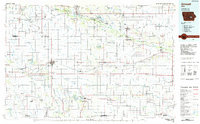 1984 Grinnell1985 Print · USGSCentral Iowa's prairie towns and rail corridors are captured in the mid-1980s, showcasing the agricultural grid and protected marshlands. Researchers can trace historic routes along the Chicago and North Western or locate family roots near the Sac and Fox Indian Reservation and Lake Ponderosa.2 unique versions available
 - 2010 Map of Malcom, 2010 Print
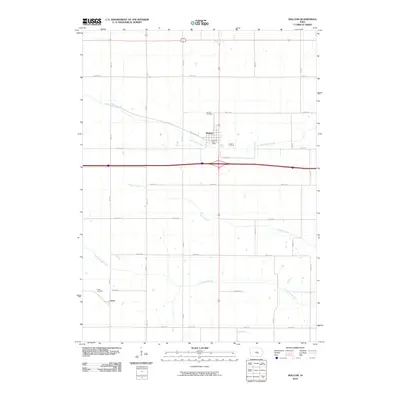 2010 Malcom2010 Print · USGSPoweshiek County farmland and the village of Malcom are documented here during the first decade of the new millennium. Genealogists and local researchers can trace family plots at Ivy Hill Cemetery or locate the rural settlement of Ewart near the North English River.
 - 2013 Map of Malcom, 2013 Print
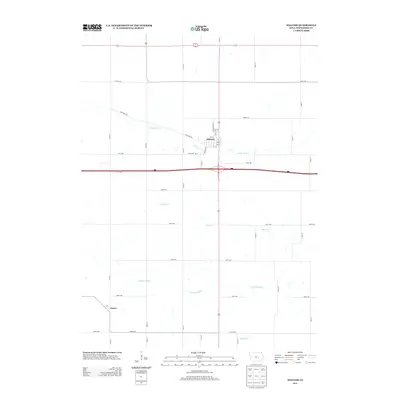 2013 Malcom2013 Print · USGSPoweshiek County agricultural life and early road networks are preserved here in the years following the turn of the millennium. Genealogists can trace the rural landscape surrounding Malcom and Ewart, including local waterways like Little Bear Cr and the N English River.
 - 2015 Map of Malcom, 2015 Print
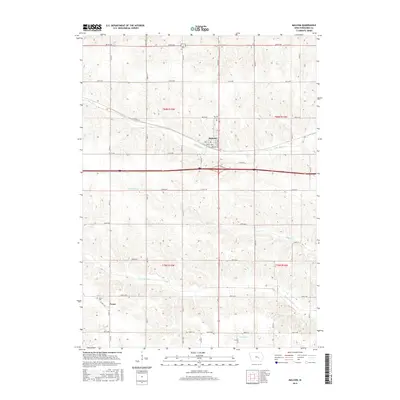 2015 Malcom2015 Print · USGSThe rural landscapes of Poweshiek County are captured here in the mid-2010s, showing the intersection of historical township roads and modern infrastructure. Genealogists can trace family roots at Ivy Hill Cem and Ewart Cem or explore the old grid of Malcom.
 - 2018 Map of Malcom, 2018 Print
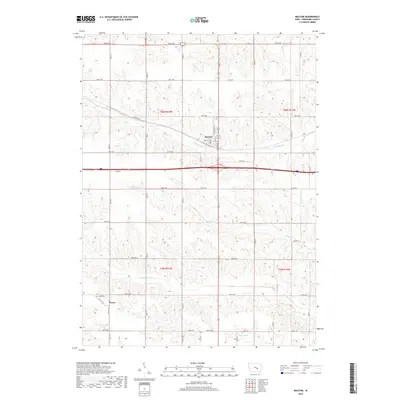 2018 Malcom2018 Print · USGSPoweshiek County's rural heartland is documented here in the late 2010s, centered on the historic town of Malcom. Researchers can trace old family names at Ivy Hill Cem or explore the settlement of Ewart along the winding N English River.
 - 2022 Map of Malcom, 2022 Print
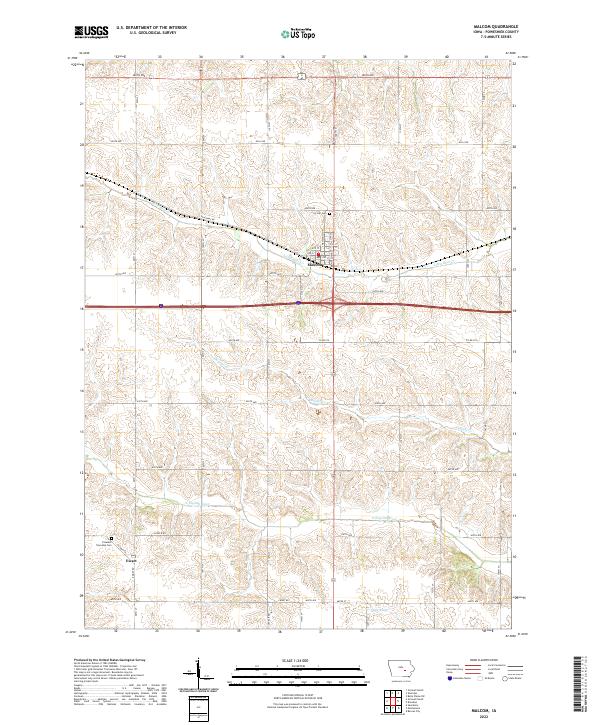 2022 Malcom2022 Print · USGSPoweshiek County agricultural life is captured here in the early twenty-first century, centered on the historic town of Malcom. Researchers can trace local heritage at Ivy Hill Cem or follow the paths of Little Bear Cr and the N English River.
End of results
Showing maps 1-11 of 11
Top cities near Ewart
- Grinnell historical maps
- Brooklyn historical maps
- Montezuma historical maps
- New Sharon historical maps
- Lynnville historical maps
- Malcom historical maps
See more
Frequently asked questions
- What are the different types of historical maps available for Ewart?
- What is the oldest map of Ewart?
- Where can I purchase historical maps of Ewart for my home or office?
- Where can I download high-res historical maps of Ewart?
- Are there historical topographic maps available for Ewart?
- Is there historical aerial imagery available for Ewart?
- Where are historical maps of Ewart sourced from?