Old Maps of Richland Township, Iowa for Genealogy
Trace your family roots with 26 historic maps of Richland Township. These high-res maps reveal old neighborhoods, homesites, landmarks, and streets — helping you uncover where your ancestors lived and how the area evolved over time.
- Explore historic neighborhoods: Identify where your relatives may have lived in the 1800s or 1900s.
- Compare maps over time: Trace the changes in streets, buildings, and landmarks for multi-generational research.
- Perfect for genealogy & ancestry research: Used by family historians and researchers to map out lineage and migration.
These maps are an incredible resource for exploring your personal connection to Richland Township's past.
Richland Township, IA maps
(26)- 1910 Map of Milo
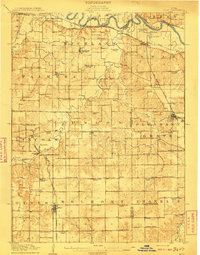 1910 Milo1910 Print · USGSWarren and Marion counties are captured here at the height of their early 20th-century rural development, before the modernization of the road network. Genealogists can trace family footprints through numerous country schools like Prairie Creek School and the river-crossing at Hammondsburg Bridge.2 unique versions available
 - 1930 Map of Mitchellville
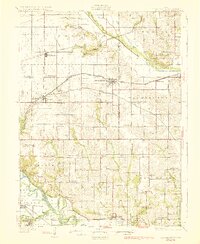 1930 Mitchellville1930 Print · USGSCentral Iowa's fertile prairie and river valleys come alive in this late 1920s survey of the settlements between the Skunk and Des Moines rivers. Researchers can locate dozens of country schools like Nebo Sch and Peacock Sch or trace family roots near Camp Center Ch.3 unique versions available
 - 1954 Map of Des Moines, 1973 Print
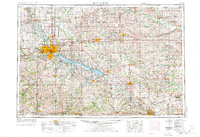 1954 Des Moines1973 Print · USGSCentral Iowa's evolving landscape is captured here in the early seventies, just as major reservoirs were reshaping the river valleys. Genealogists and historians can trace the rail corridors of the Burlington Northern or locate family roots near Pella, Indianola, and Knoxville.2 unique versions available
 - 1956 Map of Des Moines
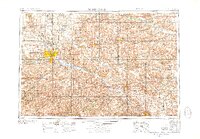 1956 Des Moines1956 Print · USGSCentral Iowa in the mid-fifties shows a landscape defined by bustling rail hubs and deep-rooted agricultural research. Genealogists and researchers can trace the growth of Des Moines and Ames, locate the Sac and Fox Indian Reservation, or study the paths of the Skunk River and South Skunk River.
 - 1957 Map of Des Moines
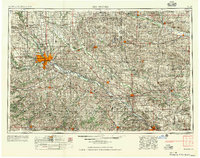 1957 Des Moines1957 Print · USGSCentral Iowa's post-war landscape is defined here by the converging rail lines and river valleys that shaped its earliest settlements. Genealogists and historians can trace the paths of the Rock Island Railroad and locate community landmarks in Des Moines, Ames, and Newton.
 - 1965 Map of Pleasantville, 1966 Print
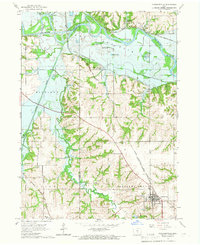 1965 Pleasantville1966 Print · USGSIn the mid-1960s, this portion of Marion County was undergoing significant hydrological change as the reservoir system began to shape the river valleys. Researchers can trace the paths of three major rail lines and locate local landmarks like Swan Cem, the Scatling Mine, and the village of Beech.
 - 1965 Map of Hartford, 1966 Print
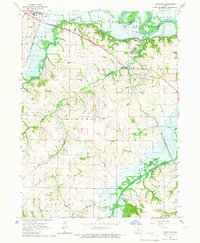 1965 Hartford1966 Print · USGSThe mid-1960s landscape of Warren County is defined by the valley of the Des Moines River and the emerging Lake Red Rock. Genealogists and researchers can trace the rail lines of the Chicago Rock Island and Pacific or locate burial sites like Black Cem and Carlisle Cem.
 - 1969 Map of Des Moines
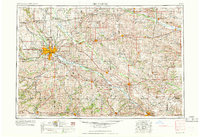 1969 Des Moines1969 Print · USGSCentral Iowa's fertile plains and growing capital are captured here during the late sixties, a time of major highway expansion and reservoir construction. Genealogists and researchers can trace rural township boundaries, local cemeteries, and rail lines serving towns like Pella, Grinnell, and Oskaloosa.
 - 1972 Map of Rising Sun, 1974 Print
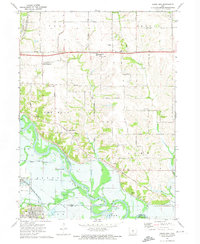 1972 Rising Sun1974 Print · USGSSoutheast of Des Moines in the early seventies, the river landscape around Carlisle and Rising Sun shows a blend of rural township life and growing suburban tracts. Researchers can trace the heritage of local families at Powers-Warren Cem and locate old rail corridors like the Chicago Rock Island and Pacific Railroad.
 - 1984 Map of Indianola
 1984 Indianola1984 Print · USGSSouth-central Iowa in the mid-1980s reveals a patchwork of established rail hubs and significant new conservation areas. Trace the Chicago and North Western rail lines and explore rural landmarks like Lake Ahquabi State Park or the Strip Mine near Knoxville.
 - 1984 Map of Des Moines, 1985 Print
 1984 Des Moines1985 Print · USGSCentral Iowa's heartland is captured in the mid-1980s as suburban growth met long-standing farm and rail infrastructure. Genealogists and researchers can trace the reaches of the Chicago and North Western through Maxwell or locate Laurel Hill Cem and Camp Dodge Military Reservation.2 unique versions available
 - 2010 Map of Pleasantville, 2010 Print
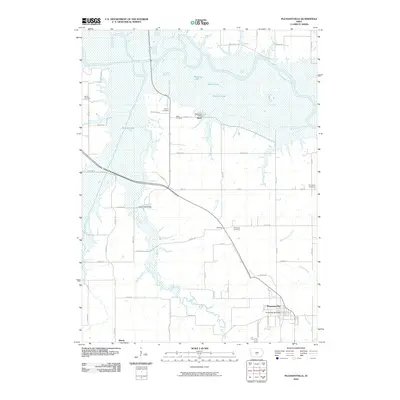 2010 Pleasantville2010 Print · USGSMarion County at the start of the 2010s shows a landscape defined by the Des Moines River valley and the growing hub of Pleasantville. Genealogists can locate family names at Moore Cemetery and Swan Cemetery or trace old routes near Wheling.
 - 2010 Map of Hartford, 2010 Print
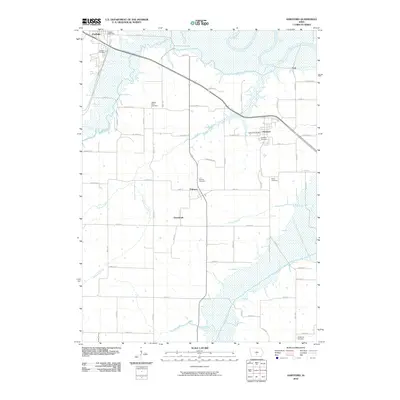 2010 Hartford2010 Print · USGSIn the early twenty-first century, the river valleys of Warren County remained a landscape of quiet crossroads and historic burial grounds. Genealogists and local researchers can locate family sites at Black Cemetery and Sandyville Cemetery or trace the rural routes connecting Greenbush and Palmyra.
 - 2010 Map of Rising Sun, 2010 Print
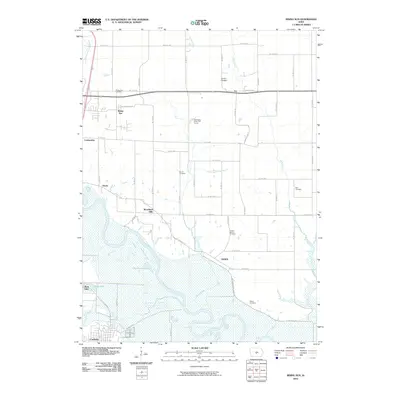 2010 Rising Sun2010 Print · USGSSoutheast of Des Moines in the early twenty-first century, this landscape shows the quiet meeting of agricultural roots and modern residential growth. Researchers can find numerous family burial sites like Wicker Cemetery and Spry Cemetery alongside small communities such as Adelphi and Hastie.
 - 2013 Map of Pleasantville, 2013 Print
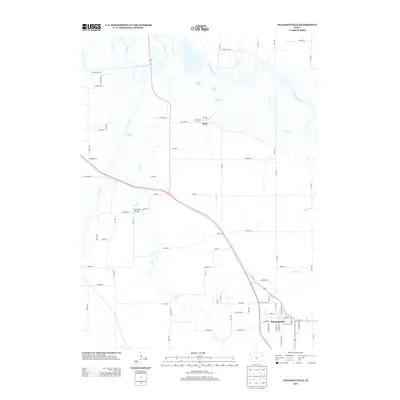 2013 Pleasantville2013 Print · USGSMarion County in the early twenty-first century reveals a landscape shaped by the Des Moines River and the growth of Pleasantville. Researchers can trace the grid of old settlements and water crossings like Swan, Wheling, and the Coal Creek Bridge.
 - 2013 Map of Rising Sun, 2013 Print
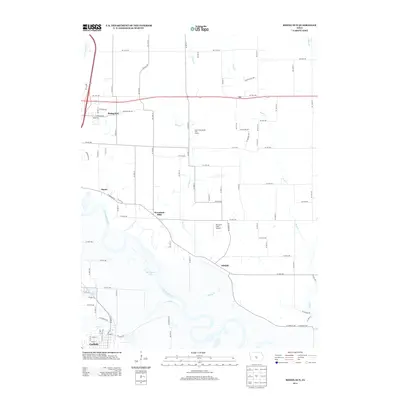 2013 Rising Sun2013 Print · USGSSoutheast of Des Moines in the early 2010s, the river valleys and small crossroads communities show a mix of old farmland and new growth. Trace local history through landmarks like the De Louis Field Airport, the settlement of Adelphi, and the Randleman Lake area.
 - 2013 Map of Hartford, 2013 Print
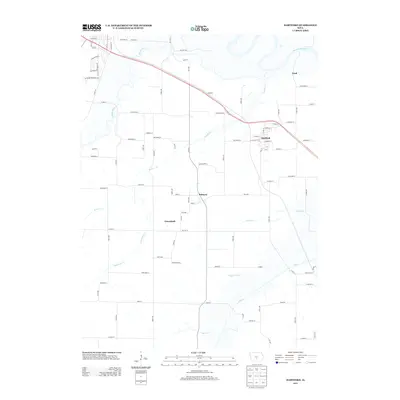 2013 Hartford2013 Print · USGSWarren County, Iowa, is shown here in the early twenty-first century as a landscape of river confluences and established rural townships. Researchers can trace the layout of Hartford and Palmyra or locate local landmarks like Lindhart Park and the banks of the Middle River.
 - 2015 Map of Pleasantville, 2015 Print
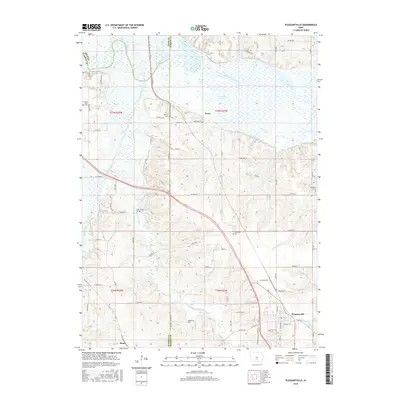 2015 Pleasantville2015 Print · USGSMarion County's rural and town life are documented here during the mid-2010s, from the streets of Pleasantville to the banks of the Des Moines River. Researchers can locate several historical burial sites like Swan Cem and Wheeling Cem or trace the path of Coal Cr.
 - 2015 Map of Rising Sun, 2015 Print
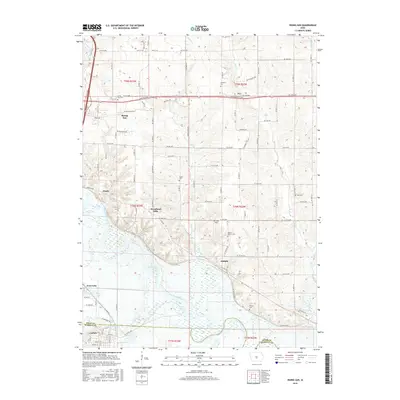 2015 Rising Sun2015 Print · USGSThe river valleys and farm plateaus east of Des Moines are captured here in the mid-2010s. Genealogists and local historians can trace legacy landmarks through numerous burial sites like Rising Sun Cem and the riverfront communities of Adelphi and Avon Lake.
 - 2015 Map of Hartford, 2015 Print
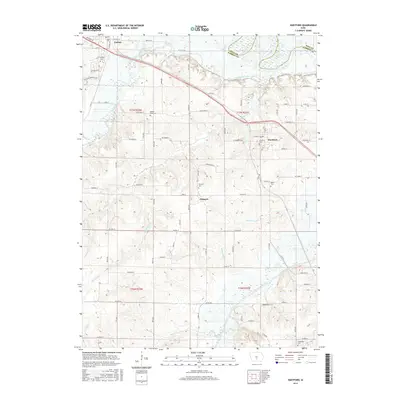 2015 Hartford2015 Print · USGSThe confluence of the Des Moines and Middle Rivers in Warren County comes into sharp focus during the mid-2010s. Local researchers can trace family lineages through numerous burial grounds like Black Cem, Palmyra Cem, and Sandyville Cem across the rural landscape.
 - 2018 Map of Pleasantville, 2018 Print
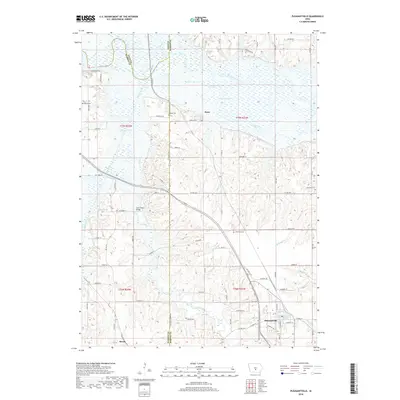 2018 Pleasantville2018 Print · USGSMarion and Warren counties meet in this 2010s landscape where the Des Moines River winds past small rural communities. Researchers can trace family history at the Swan Cem and Spurgeon Cem or locate the crossing at Coal Creek Bridge.
 - 2018 Map of Rising Sun, 2018 Print
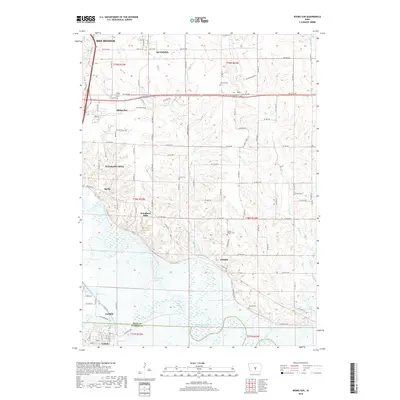 2018 Rising Sun2018 Print · USGSSoutheast of the capital in the late 2010s, this area reveals the meeting of the Des Moines River and rural township life. Genealogists can locate several local burial sites such as Spry Cem and trace the small communities of Adelphi and Rising Sun.
 - 2018 Map of Hartford, 2018 Print
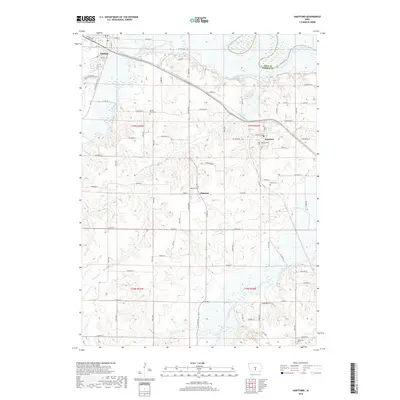 2018 Hartford2018 Print · USGSWarren County at the end of the second decade of the millennium shows a landscape defined by the meeting of three rivers. Genealogists can trace family footprints at Carlisle Cem, Black Cem, and Palmyra, located among the bends of the Middle River.
 - 2022 Map of Pleasantville, 2022 Print
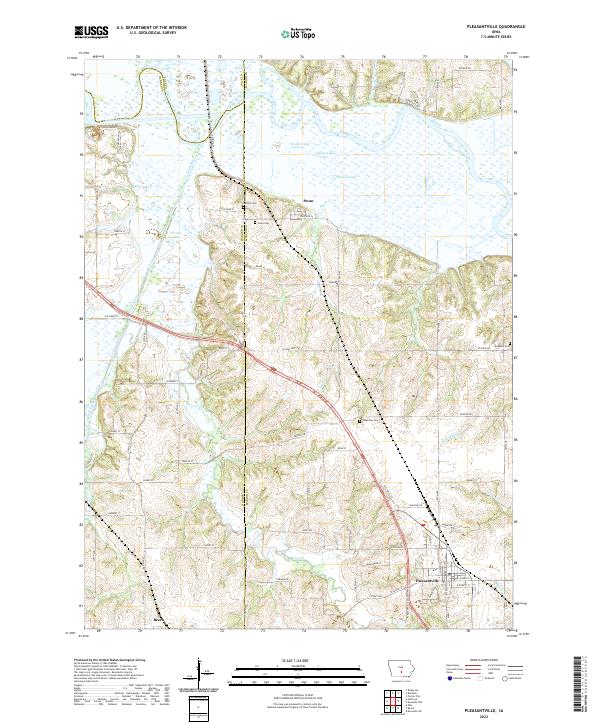 2022 Pleasantville2022 Print · USGSThe river bottomlands of Marion and Warren counties are captured here in the early twenty-first century as they surround the settlements of Swan and Pleasantville. Researchers can trace family sites at Wheeling Cem or follow the winding course of the Des Moines River and its tributary Coal Cr.
 - 2022 Map of Hartford, 2022 Print
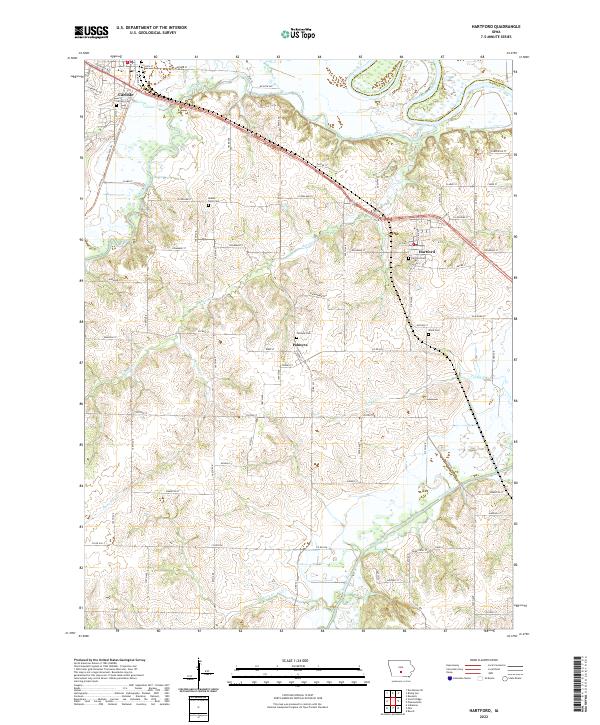 2022 Hartford2022 Print · USGSWarren and Polk counties are mapped here in the early twenty-first century as the Des Moines and Middle rivers converge. Researchers can locate several historical burial sites including Middle River Cem and Palmyra Cem, or trace the rural reaches of Skinaway Cr.
Showing maps 1-25 of 26
Top cities near Richland Township
- Des Moines historical maps
- Ankeny historical maps
- Altoona historical maps
- Indianola historical maps
- Pleasant Hill historical maps
- Bondurant historical maps
See more
Top neighborhoods of Richland Township
Frequently asked questions
- What are the different types of historical maps available for Richland Township?
- What is the oldest map of Richland Township?
- Where can I purchase historical maps of Richland Township for my home or office?
- Where can I download high-res historical maps of Richland Township?
- Are there historical topographic maps available for Richland Township?
- Is there historical aerial imagery available for Richland Township?
- Where are historical maps of Richland Township sourced from?