Old Maps of Fayette County, Kentucky for Metal Detecting
Plan your next treasure hunt with 107 historic maps of Fayette County. Find old homesites, ghost towns, trails, and gathering spots that may be lost to time — perfect for identifying promising metal detecting locations.
- Locate forgotten sites: Uncover places like long-lost settlements, abandoned rail lines, or gathering spots.
- Plan better hunts: Use map overlays combined with LiDAR or satellite views to narrow in on historically rich areas.
- Made for detectorists: Thousands of hobbyists use these maps to discover relics, coins, and hidden history.
Use these historic maps to boost your research and find new opportunities beneath the surface of Fayette County.
Fayette County, KY maps
(107)- 1892 Map of Richmond
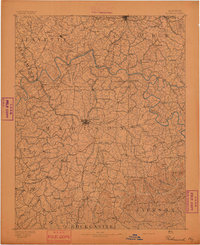 1892 Richmond1892 Print · USGSMadison and Clark counties are mapped here in the late nineteenth century, centered on the growing railroad hub of Richmond. Genealogists can trace family land and travel routes through historic crossings like Boonesboro, river towns like Ford, and high points such as Combs Mtn.
 - 1897 Map of Richmond
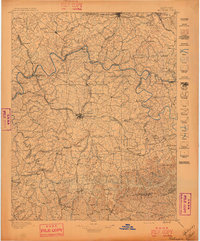 1897 Richmond1897 Print · USGSMadison and Clark counties are mapped here during a decade of rapid railroad expansion and river-based commerce. Genealogists can trace family names and extinct locales from Boonesboro to the industrial Stone Quarry and the hub at Winchester.5 unique versions available
 - 1905 Map of Harrodsburg
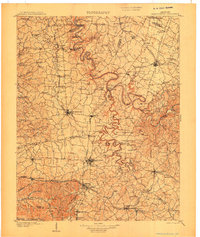 1905 Harrodsburg1905 Print · USGSCentral Kentucky's Bluegrass region is captured here in the early twentieth century, showing a landscape defined by the deep gorges of the Kentucky River. Researchers can trace the era's vital rail networks and river commerce through features like Lock No 7 and the Louisville and Nashville RR.3 unique versions available
 - 1906 Map of Georgetown, 1954 Print
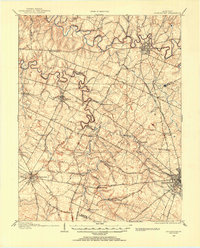 1906 Georgetown1954 Print · USGSCentral Kentucky at the opening of the twentieth century was a landscape shaped by winding creeks and a dense web of steam rail lines. Local researchers can trace the historic rail corridors of the Southern R R and find early settlements like Paynes Depot and Great Crossing.
 - 1908 Map of Georgetown
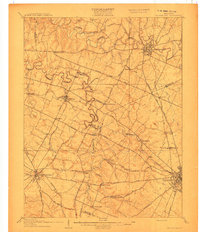 1908 Georgetown1908 Print · USGSCentral Kentucky at the turn of the century reveals a landscape of thriving rail depots and historic turnpikes connecting major county seats. Genealogists and historians can trace the early footprints of Midway, Donerail, and Great Crossing along the winding North Elkhorn Creek.2 unique versions available
 - 1927 Map of Lexington
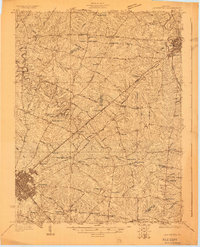 1927 Lexington1927 Print · USGSCentral Kentucky's Bluegrass region in the late twenties was a landscape of influential pikes and rural rail junctions. Genealogists can trace family-named settlements like Mattoxtown and Uttingertown or find local landmarks like Antioch Ch.
 - 1929 Map of Lexington
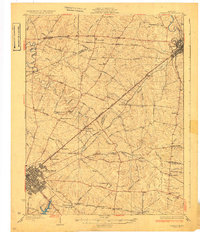 1929 Lexington1929 Print · USGSThe heart of the Kentucky Bluegrass comes to life in the late twenties, centered on the growing urban hubs of Lexington and Paris. Researchers can locate ancestral crossroads and rural institutions like Russell Cave Sch, Antioch Ch, and the grounds of Elmendorf.2 unique versions available
 - 1950 Map of Lexington East, 1952 Print
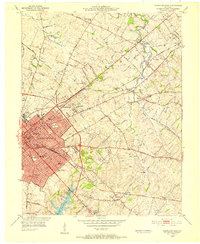 1950 Lexington East1952 Print · USGSLexington and the surrounding Bluegrass estates are captured at mid-century as the city expanded along the historic pikes and rail lines. Genealogists and historians can locate family landmarks like the Home of Henry Clay, the Horse Cem, and the settlement of Cadentown.
 - 1950 Map of Lexington West, 1952 Print
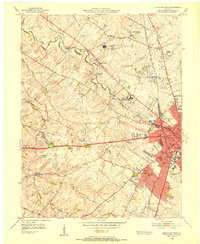 1950 Lexington West1952 Print · USGSThe Bluegrass region around Lexington is captured here in the mid-century, showcasing the era's legendary horse farms and expanding urban footprint. Researchers can trace the grounds of Calumet Farm, locate the Kentucky House of Reform, and explore the 1950s layout of the University of Kentucky.
 - 1952 Map of Keene, 1953 Print
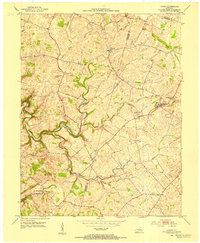 1952 Keene1953 Print · USGSThe rolling Bluegrass region near the Jessamine and Woodford county lines is captured here in the early fifties. Genealogists and historians can trace the rural communities of Keene and Dixon Town, or locate landmarks like Ebenezer Cem and Clover Bottom Ch.3 unique versions available
 - 1952 Map of Valley View, 1953 Print
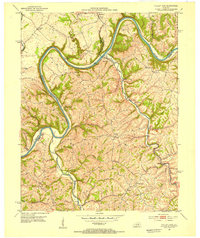 1952 Valley View1953 Print · USGSThe Kentucky River meanders through the Madison and Jessamine county lines in the early fifties, anchored by the river landing at Valley View. Genealogists and local historians can trace rural schoolhouses like Newby Sch and several country churches, including Taylors Chapel and Antioch Ch.3 unique versions available
 - 1952 Map of Nicholasville, 1953 Print
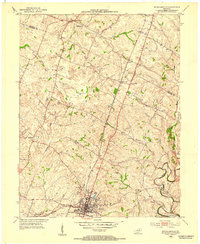 1952 Nicholasville1953 Print · USGSThe Bluegrass heartland of Jessamine County comes alive in the early fifties, documenting a landscape of rural schools and rail-side settlements. Researchers can trace family roots through landmarks like Providence Ch, Lyons Sch, and the winding path of Hickman Creek.
 - 1952 Map of Coletown, 1953 Print
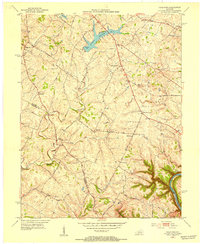 1952 Coletown1953 Print · USGSFayette and Jessamine counties are captured here in the early fifties, showing a rural landscape defined by historic pikes and the winding Kentucky River. Researchers can trace old family sites and crossroads communities like Coletown, Jonestown, and the Eldridge Cem.
 - 1952 Map of Clintonville, 1953 Print
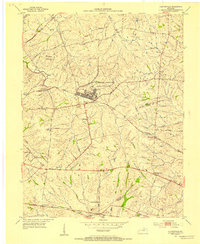 1952 Clintonville1953 Print · USGSFayette County in the early 1950s is a landscape of established rail lines and significant military activity at the Lexington Signal Depot. Researchers can trace the layout of rural communities like Uttingertown and Old Pine Grove, along with historic sites like Little Zion Ch and Briar Hill Sch.
 - 1952 Map of Ford, 1954 Print
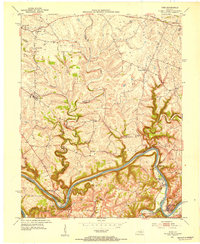 1952 Ford1954 Print · USGSThe Kentucky River corridor and its surrounding uplands appear here in the early fifties, showing a landscape defined by sharp river bends and family-run farms. Genealogists can trace rural roots through Durbin Memorial Ch and family plots like Younger Cem and Evans Cem.
 - 1952 Map of Richmond North, 1954 Print
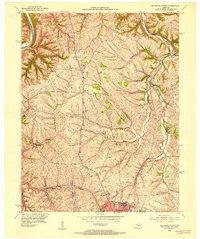 1952 Richmond North1954 Print · USGSMadison County at the start of the 1950s shows the winding Kentucky River and the rural communities surrounding Richmond. Genealogists and historians can trace old property lines near Boonesboro, find Mt Pleasant Ch, or follow the Louisville and Nashville rail line.
 - 1954 Map of Lexington East, 1955 Print
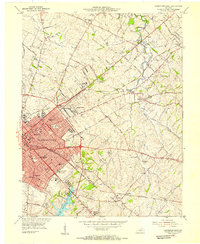 1954 Lexington East1955 Print · USGSMid-century Fayette County comes to life during a period of urban expansion and traditional horse country life. Genealogists and historians can trace institutional roots at Transylvania University or locate family markers at Horse Cem and Howards Grove Cem.
 - 1954 Map of Versailles, 1955 Print
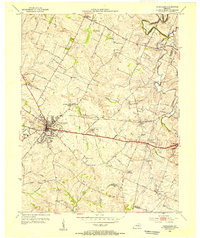 1954 Versailles1955 Print · USGSMid-century Versailles and Woodford County are captured here during a period of steady growth and local industrial activity. Researchers can trace family-named sites and vanished institutions like Hunter Town, Simmons High Sch, and the Phosphate Strip Mine.
 - 1954 Map of Paris West, 1955 Print
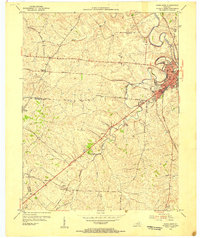 1954 Paris West1955 Print · USGSThe Bluegrass country of Bourbon County is shown here in the mid-1950s, centered on the growing town of Paris. Genealogists can trace family footprints through rural landmarks like Elizabeth Station, Hopewell Ch, and Mt Olive Cem along the historic rail lines.4 unique versions available
 - 1954 Map of Centerville, 1955 Print
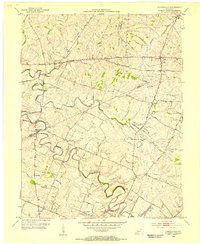 1954 Centerville1955 Print · USGSMid-century central Kentucky comes alive in this survey of the Bluegrass region at the intersection of Scott, Bourbon, and Fayette counties. Trace the paths of historic hamlets like Newtown and New Zion, or locate the Man-O-War Monument and the old Lemons Mill.4 unique versions available
 - 1954 Map of Georgetown, 1955 Print
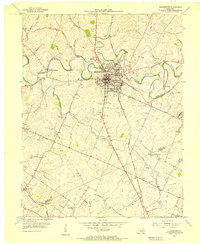 1954 Georgetown1955 Print · USGSScott County enters the mid-fifties as a hub of education and transport centered on the crossing of major rail lines and the winding Elkhorn Creek. Researchers can trace the grounds of Georgetown College, locate Paynes Depot, or find rural landmarks like Bethel Ch and Cardome Academy.
 - 1955 Map of Lexington West, 1956 Print
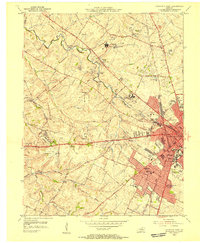 1955 Lexington West1956 Print · USGSMid-century Lexington and its famed horse country are revealed in this detailed survey as the city expands westward. Researchers can trace the footprints of legendary estates like Calumet Farm, the original University of Kentucky campus, and the U S Veterans Hospital.
 - 1956 Map of Louisville, 1971 Print
 1956 Louisville1971 Print · USGSThe Ohio River valley and the Kentucky Bluegrass are captured here during a period of rapid mid-century growth and industrial activity. Genealogists and historians can trace rail-centered towns and military land use at Fort Knox and the Jefferson Proving Ground.2 unique versions available
 - 1957 Map of Winchester, 1968 Print
 1957 Winchester1968 Print · USGSCentral Kentucky's landscape in the mid-twentieth century features the sprawling Fort Knox and the early parkway system. Genealogists and historians can trace rail lines like the Southern Railway and find landmarks from Bernheim Forest to Pilot Knob.3 unique versions available
 - 1959 Map of Lexington East, 1960 Print
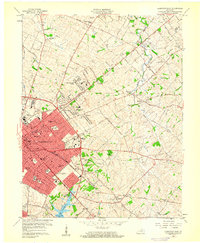 1959 Lexington East1960 Print · USGSThe Bluegrass heartland around Lexington is shown here just as post-war suburban growth began reshaping the old estate lands. Genealogists and historians can locate family landmarks like the Home of Henry Clay, the Horse Cem at Elmendorf, and the historic Bryan Sta Ch.
Showing maps 1-25 of 107
Top cities of Fayette County
Frequently asked questions
- What are the different types of historical maps available for Fayette County?
- What is the oldest map of Fayette County?
- Where can I purchase historical maps of Fayette County for my home or office?
- Where can I download high-res historical maps of Fayette County?
- Are there historical topographic maps available for Fayette County?
- Is there historical aerial imagery available for Fayette County?
- Where are historical maps of Fayette County sourced from?