Old Maps of Valley Downs, Louisville for Genealogy
Trace your family roots with 16 historic maps of Valley Downs. These high-res maps reveal old neighborhoods, homesites, landmarks, and streets — helping you uncover where your ancestors lived and how the area evolved over time.
- Explore historic neighborhoods: Identify where your relatives may have lived in the 1800s or 1900s.
- Compare maps over time: Trace the changes in streets, buildings, and landmarks for multi-generational research.
- Perfect for genealogy & ancestry research: Used by family historians and researchers to map out lineage and migration.
These maps are an incredible resource for exploring your personal connection to Valley Downs's past.
Valley Downs, Louisville maps
(16)- 1909 Map of Kosmosdale
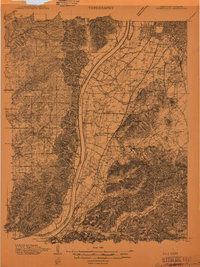 1909 Kosmosdale1909 Print · USGSSouthwest of Louisville at the turn of the century, the river valley meets the steep slopes of Muldraughs Hill. Researchers can trace early rural life through several family-named schoolhouses and small settlements like Kosmosdale, Valley Sta, and the County Infirmary.
 - 1912 Map of Kosmosdale
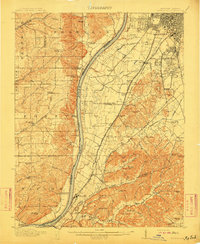 1912 Kosmosdale1912 Print · USGSThe Ohio River valley and the Kentucky Knobs come alive in this pre-war survey, showing the expansion of southern Louisville and the rural hills of Jefferson and Bullitt counties. Researchers can locate vanished landmarks like Locust Point P.O. and the County Infirmary, or trace the old riverboat stops at Stewarts Landing.4 unique versions available
 - 1950 Map of Kosmosdale, 1959 Print
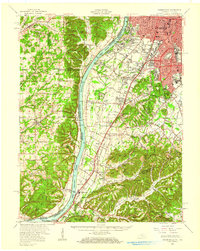 1950 Kosmosdale1959 Print · USGSGreater Louisville and the Ohio River valley are captured here at mid-century, showing the city's industrial south side meeting rural river towns. Genealogists and historians can trace family locations through Lanesville Cem, the Waverly Hills Sanatorium, and Churchill Downs.
 - 1951 Map of Valley Station
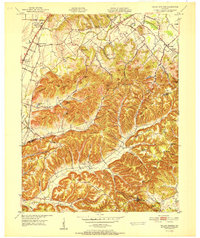 1951 Valley Station1951 Print · USGSJefferson and Bullitt counties are shown here in the early fifties as small communities like Valley Station and Fairdale began to expand along the major rail lines. Genealogists can trace family roots through several rural landmarks, including the South Jefferson Cem, Stonestreet, and Bethany Ch.
 - 1955 Map of Valley Station, 1956 Print
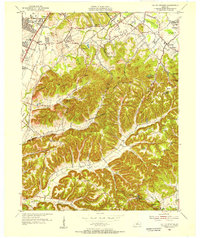 1955 Valley Station1956 Print · USGSThe Knobs region of Jefferson and Bullitt Counties comes into focus during the mid-fifties as suburban growth began to meet rural ridges. Researchers can locate many family cemeteries such as Reidinger Cem and Aebers Cem, or trace the rail lines through Valley Station and Barrallton.
 - 1956 Map of Louisville, 1971 Print
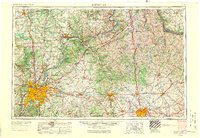 1956 Louisville1971 Print · USGSThe Ohio River valley and the Kentucky Bluegrass are captured here during a period of rapid mid-century growth and industrial activity. Genealogists and historians can trace rail-centered towns and military land use at Fort Knox and the Jefferson Proving Ground.2 unique versions available
 - 1960 Map of Valley Station
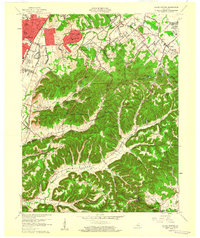 1960 Valley Station1960 Print · USGSJefferson County and Bullitt County neighborhoods were rapidly evolving in the early sixties as suburbs reached into the knobs. Genealogists can locate family landmarks like Bethany Memorial Cem, Medora Sch, and the community at Fairdale.2 unique versions available
 - 1964 Map of Louisville
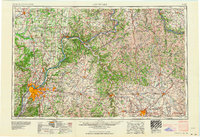 1964 Louisville1964 Print · USGSThe Ohio River valley and Kentucky Bluegrass are captured in the mid-1960s, showing a region balanced between industrial growth and its agrarian roots. Genealogists and historians can trace the development of county seats like Shelbyville and Paris, or locate established institutions such as Georgetown College and Bernheim Forest.
 - 1982 Map of Valley Station
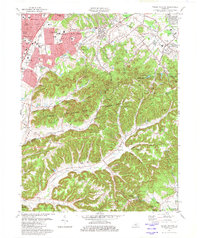 1982 Valley Station1982 Print · USGSSouthern Jefferson County in the early eighties shows the suburban growth of Valley Station pressing against the wooded slopes of the Jefferson County Memorial Forest. Researchers can trace local lineage through numerous family burial sites like Risinger Cem and Brown Cem, or locate landmarks from Waverly Hills to the quiet rail stop at Barralton.4 unique versions available
 - 1986 Map of Louisville
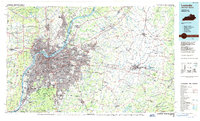 1986 Louisville1986 Print · USGSMid-1980s Louisville and southern Indiana are shown here during a decade of significant suburban growth and infrastructure development. Researchers can trace the layout of Cave Hill Cemetery, the expansion of Standiford Field, and industrial sites like the Indiana Army Ammunition Plant.2 unique versions available
 - 1993 Map of Valley Station, 1996 Print
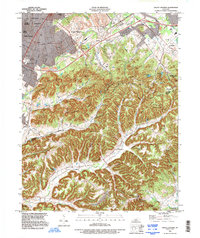 1993 Valley Station1996 Print · USGSSouth of Louisville in the early nineties, the suburban growth of Valley Station meets the steep knobs of the Jefferson County Memorial Forest. Genealogists can locate numerous family burial sites like Bethany Mem Cem and Risinger Cem tucked among landmarks like Potato Knob.
 - 2010 Map of Valley Station, 2010 Print
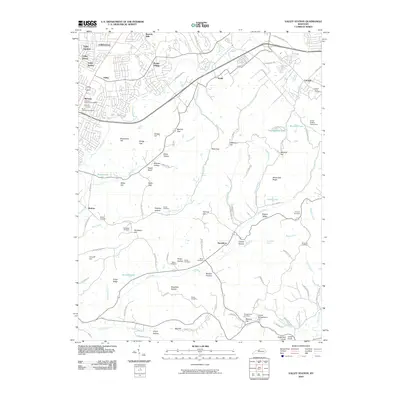 2010 Valley Station2010 Print · USGSSouthwest of Louisville in the early twenty-first century, this area balances residential expansion with the steep terrain of the Kentucky Knobs. Researchers can locate numerous local burial grounds including Mount Holly Cemetery and Graham Cemetery, or trace the winding paths through Metz Gap and Dodge Hollow.
 - 2013 Map of Valley Station, 2013 Print
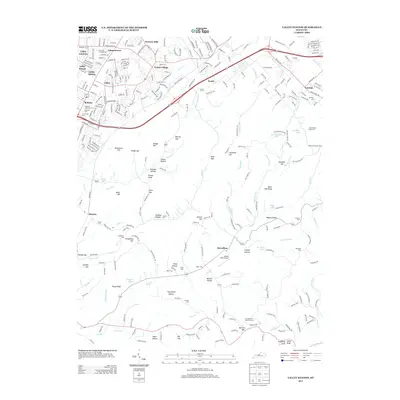 2013 Valley Station2013 Print · USGSJefferson County south of Louisville in the early 2010s shows a mix of suburban growth and deeply rooted local landmarks. Genealogists can locate family burial sites like Bethany Cem and Weird Cem or trace the geography of Penile and Fairdale.
 - 2016 Map of Valley Station, 2016 Print
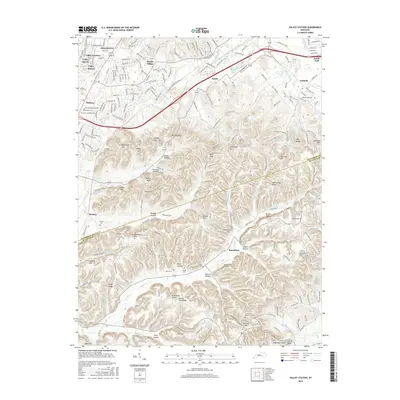 2016 Valley Station2016 Print · USGSThe Jefferson and Bullitt County borderlands are shown here during a period of modern growth and rural preservation. Genealogists and hikers can trace old family burial sites like Bethany Memorial Cem or explore the rugged gaps of Dodge Gap and Scott Gap.
 - 2019 Map of Valley Station, 2019 Print
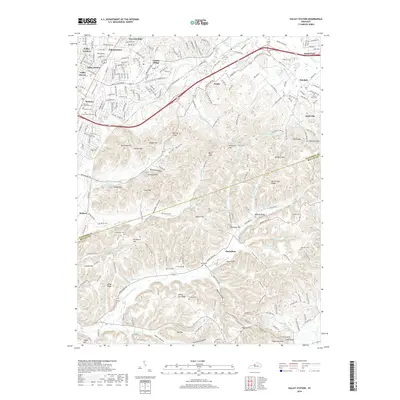 2019 Valley Station2019 Print · USGSLouisville's southern suburbs meet the Kentucky knobs in this modern survey of the Jefferson and Bullitt county line. Genealogists can locate numerous burial sites like Mount Holly Cem and Bethany Cem near established communities like Fairdale and Penile.
 - 2022 Map of Valley Station, 2022 Print
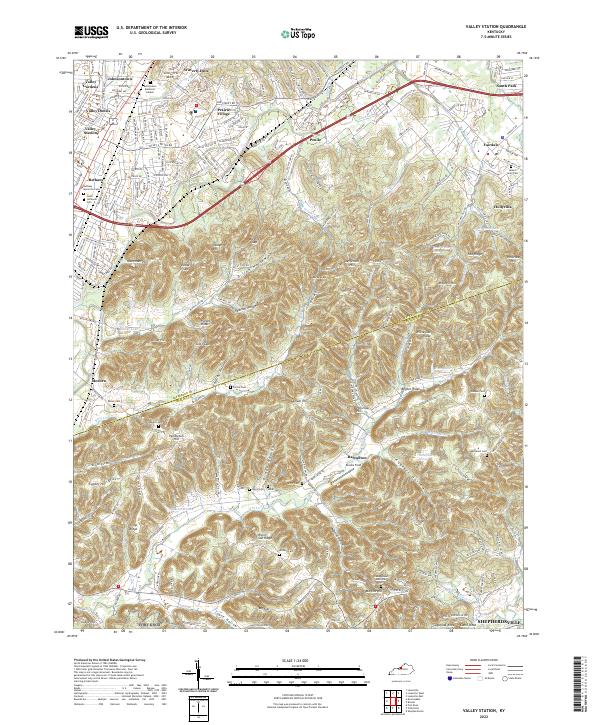 2022 Valley Station2022 Print · USGSSouth of Louisville as the suburbs meet the Kentucky knobs, this map reveals a landscape defined by family-named ridges and hollows. Genealogists can trace family names at the Bethany Memorial Cem, Horine Cem, and McDaniel Cem.
End of results
Showing maps 1-16 of 16
Top cities near Valley Downs
- Louisville historical maps
- Jeffersonville historical maps
- New Albany historical maps
- Clarksville historical maps
- Shively historical maps
- Shepherdsville historical maps
See more
Frequently asked questions
- What are the different types of historical maps available for Valley Downs?
- What is the oldest map of Valley Downs?
- Where can I purchase historical maps of Valley Downs for my home or office?
- Where can I download high-res historical maps of Valley Downs?
- Are there historical topographic maps available for Valley Downs?
- Is there historical aerial imagery available for Valley Downs?
- Where are historical maps of Valley Downs sourced from?