Old Maps of Webster County, Kentucky for Metal Detecting
Plan your next treasure hunt with 110 historic maps of Webster County. Find old homesites, ghost towns, trails, and gathering spots that may be lost to time — perfect for identifying promising metal detecting locations.
- Locate forgotten sites: Uncover places like long-lost settlements, abandoned rail lines, or gathering spots.
- Plan better hunts: Use map overlays combined with LiDAR or satellite views to narrow in on historically rich areas.
- Made for detectorists: Thousands of hobbyists use these maps to discover relics, coins, and hidden history.
Use these historic maps to boost your research and find new opportunities beneath the surface of Webster County.
Webster County, KY maps
(110)- 1906 Map of Sebree
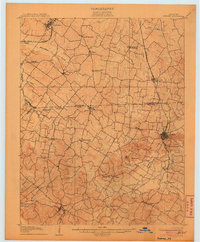 1906 Sebree1906 Print · USGSWestern Kentucky at the dawn of the twentieth century was a landscape of rail-connected towns and crossroads hamlets. Genealogists can trace family footprints near Sebree and Dixon, or locate vanished schoolhouses and churches like Oakland Schoolhouse and Mt Pleasant Church.3 unique versions available
 - 1907 Map of Earlington
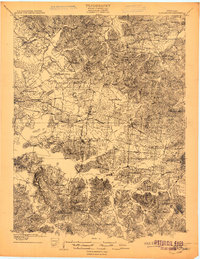 1907 Earlington1907 Print · USGSWestern Kentucky coal and farm country comes alive in the early 1900s, centered on the growing hubs of Madisonville and Earlington. Genealogists and historians can trace dozens of rural schools and churches like Ramsey School, Nebo, and Mt Carmel Church.
 - 1907 Map of Morganfield
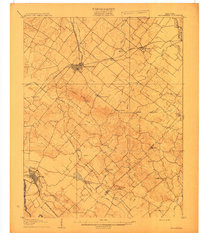 1907 Morganfield1907 Print · USGSUnion County during the first decade of the twentieth century shows a landscape transitioning between its agrarian roots and a growing rail economy. Genealogists can locate family landmarks like Waggoner Church, the remote Topeka Crossroads, and the settlement at Seven Gums.3 unique versions available
 - 1908 Map of Calhoun
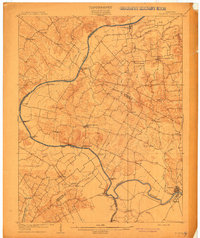 1908 Calhoun1908 Print · USGSWestern Kentucky's river-driven economy is on full display in the first decade of the twentieth century, centered on the winding Green River. Researchers can trace ancestral locations in Beechgrove, Ashbyburg, and Calhoun, or locate vanished river crossings like Steamboat Ferry.2 unique versions available
 - 1909 Map of Earlington
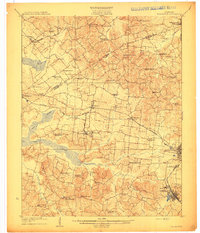 1909 Earlington1909 Print · USGSWestern Kentucky’s coal and rail corridor comes into focus in the years before the Great War. Researchers can trace ancestral locations through a dense network of local landmarks like Silent Run PO, Johnson Island Church, and Oakland Store.3 unique versions available
 - 1909 Map of Madisonville
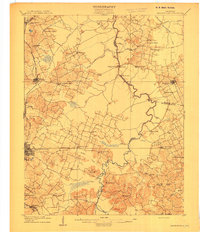 1909 Madisonville1909 Print · USGSWestern Kentucky at the peak of the coal and rail era shows a landscape defined by river crossings and growing mining towns. Researchers can locate dozens of early rural landmarks, from Island Ford and Barnsley to the New Providence School and Brier Creek Church.3 unique versions available
 - 1909 Map of Providence
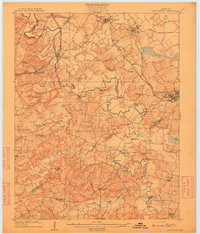 1909 Providence1909 Print · USGSWestern Kentucky's coal and river country comes alive in the early 1900s as railroads begin to reshape the Tradewater Valley. Genealogists and researchers can trace old river crossings like Rices Mill Jericho Ford or locate lost community landmarks such as Numms Sta Gladstone PO and Rock Spring Church.3 unique versions available
 - 1949 Map of Sebree, 1965 Print
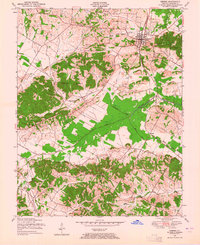 1949 Sebree1965 Print · USGSThe rail-and-river landscape of Webster County comes alive in the late 1940s, centered on the town of Sebree. Researchers can trace old family lines through dozens of local landmarks like Akins Cem, Mt Lebanon Ch, and the outlying Pratt settlement.
 - 1949 Map of Poole, 1967 Print
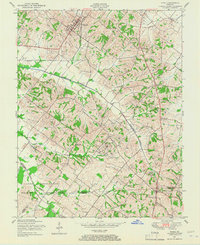 1949 Poole1967 Print · USGSKentucky's tri-county borderlands come into focus in the late 1940s, showing a landscape defined by military land use and the Illinois Central railroad. Genealogists can locate numerous family-named burial sites like Liles Cem and Sisk Cem near the Camp Breckinridge Military Reservation.
 - 1949 Map of Robards, 1967 Print
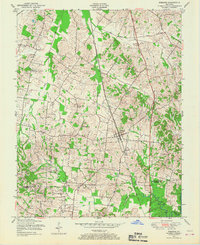 1949 Robards1967 Print · USGSRobards was a busy railroad and petroleum hub in the late 1940s, marking the border of Henderson and Webster Counties. Genealogists can trace family burial sites like Denton Cem and rural landmarks such as McMullin Chapel near the sprawling Oil Field.
 - 1951 Map of Dixon
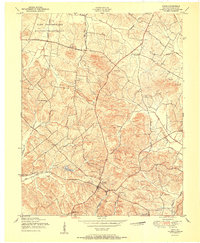 1951 Dixon1951 Print · USGSDixon and northern Webster County are captured here in the early fifties during the height of activity at the nearby military reservation. Genealogists can locate dozens of family burial sites including Crews Cem and Yates Cem, while tracing the rural settlements of Tilden and Wanamaker.
 - 1951 Map of Poole
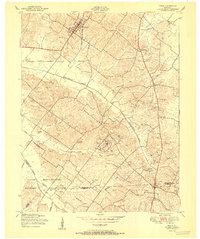 1951 Poole1951 Print · USGSNorthwest Kentucky is captured here during the early Cold War era as military and industrial interests expanded. Genealogists and local historians can trace family plots like Watson Cem and explore the rail corridor of the Illinois Central.
 - 1951 Map of Bordley
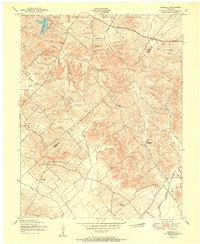 1951 Bordley1951 Print · USGSThe rural border of Union and Webster counties appears here in the early fifties, just after the establishment of Camp Breckinridge Military Reservation. Genealogists can trace family landmarks like the Odd Fellows Cem, Walnut Grove Ch, and the settlement of Bordley.
 - 1951 Map of Sebree
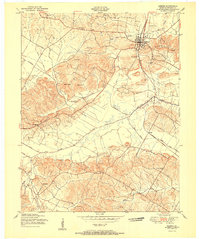 1951 Sebree1951 Print · USGSIn the early 1950s, the rail town of Sebree anchored a landscape of family farms and creek valleys. Genealogists can trace decades of history across dozens of family-named landmarks like Hunter Cem, Groves Chapel, and the community at Petersburg.
 - 1951 Map of Sturgis
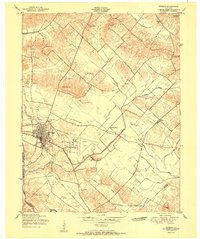 1951 Sturgis1951 Print · USGSThe coal and rail hub of Sturgis thrives in the early fifties at the meeting of the Illinois Central and Western Kentucky lines. Trace local heritage through the Poplar Ridge Mine, Pythian Ridge Cem, and Bethany Church.
 - 1951 Map of Robards
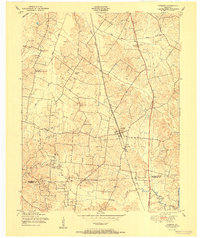 1951 Robards1951 Print · USGSRobards sits at a critical rail and river junction south of the Ohio River during the early postwar years. Genealogists and local researchers can trace a dense network of family burial sites like Denton Cem and Smith Cem, or locate the mid-century Oil Fields.
 - 1952 Map of Beech Grove, 1954 Print
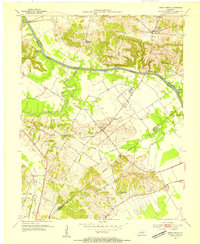 1952 Beech Grove1954 Print · USGSThe Green River valley in the early fifties shows a rural Kentucky landscape shaped by both water and rail. Researchers can locate river-access points like Steamboat Landing, the Louisville and Nashville railroad, and local landmarks such as Onton Cem.2 unique versions available
 - 1952 Map of Hanson, 1954 Print
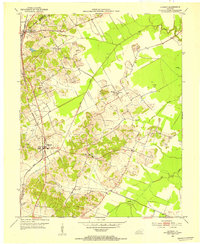 1952 Hanson1954 Print · USGSHopkins County in the early 1950s shows a landscape of rural family homesteads and early oil extraction along the Louisville and Nashville railroad. Genealogists can trace local roots through numerous sites like the County Farm, Slaughtersville, and Old Salem Cem.
 - 1953 Map of Delaware, 1954 Print
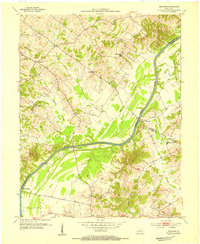 1953 Delaware1954 Print · USGSThe Green River valley comes to life in the early fifties, showing a rural Kentucky landscape of active oil wells and riverfront landings. Genealogists can trace family names at Boston Cem and Mackey Cem or locate the old Delaware and Euterpe settlements.3 unique versions available
 - 1954 Map of Evansville
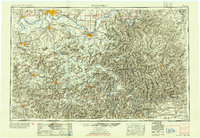 1954 Evansville1954 Print · USGSThe Ohio River borderlands between Indiana and Kentucky appear here during a period of robust industrial and military growth. Genealogists and researchers can trace the rail corridors of the Illinois Central and find landmarks like US Lock and Dam No 48 or Camp Breckinridge.
 - 1954 Map of Nebo, 1955 Print
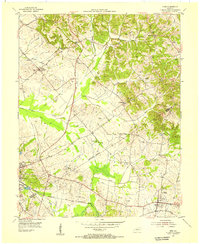 1954 Nebo1955 Print · USGSWestern Kentucky in the mid-fifties shows a landscape of drainage ditches and family farms spanning the Hopkins and Webster county line. Researchers can trace rural life through numerous landmarks like Hayes Chapel, the Stanhope Cem, and an Old Railroad Grade.
 - 1954 Map of Providence, 1955 Print
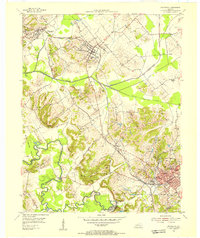 1954 Providence1955 Print · USGSThe Western Kentucky coalfields and rail hubs of Webster and Hopkins counties come alive in the mid-fifties. Researchers can trace family roots at New Harmony Cem and Wynn Cem or locate industrial sites like Mine No 10 and the ILLINOIS CENTRAL rail lines.
 - 1954 Map of Dalton, 1955 Print
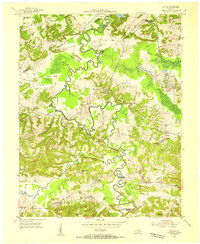 1954 Dalton1955 Print · USGSMid-century western Kentucky comes alive along the winding Tradewater River and its many historic crossings. Genealogists and researchers can trace rural life through landmarks like Kirkwood Springs, the Illinois Central rail line, and family sites such as Harper Cem.2 unique versions available
 - 1954 Map of Blackford, 1955 Print
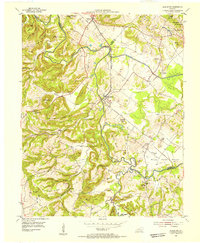 1954 Blackford1955 Print · USGSCrittenden and Union Counties in the mid-fifties show a landscape defined by the Tradewater River and the Illinois Central rail line. Researchers can locate family landmarks like Nunn Cem, Crowell Cem, and the small settlements of Sullivan and Blackford.2 unique versions available
 - 1954 Map of Slaughters, 1955 Print
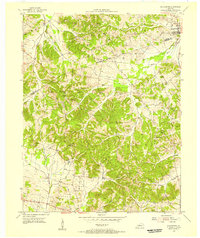 1954 Slaughters1955 Print · USGSSlaughters and the rugged Shake Rag Hills are documented here in the mid-fifties, during a period of transition for the Webster and Hopkins County line. Genealogists can locate numerous family burial sites like Tapp Cem and country churches such as Oakley Home Ch.2 unique versions available
Showing maps 1-25 of 110
Top cities of Webster County
- Providence historical maps
- Sebree historical maps
- Clay historical maps
- Dixon historical maps
- Slaughters historical maps
- Wheatcroft historical maps
Frequently asked questions
- What are the different types of historical maps available for Webster County?
- What is the oldest map of Webster County?
- Where can I purchase historical maps of Webster County for my home or office?
- Where can I download high-res historical maps of Webster County?
- Are there historical topographic maps available for Webster County?
- Is there historical aerial imagery available for Webster County?
- Where are historical maps of Webster County sourced from?