Old Maps of Cranes Corners, Orland
Explore 16 old maps of Cranes Corners, spanning from 1900 to today. These high-resolution historic maps reveal how streets, neighborhoods, landmarks, and natural features evolved over time — perfect for genealogy, metal detecting, research, and local history exploration.
What you can do with these maps:
- See how Cranes Corners changed over time: Compare historical maps to modern-day views to trace roads, homesites, rail lines & more.
- View detailed metadata: Each map includes creators, publishers, year, scale, and archive source.
- Overlay maps with satellite & LiDAR: Visualize the past alongside modern tools to explore terrain & human change.
- Trusted historical sources: Maps sourced from the USGS, Library of Congress, and other archives.
- Access maps your way: View online, download high-res files, or order prints for personal or research use.
Start exploring old maps of Cranes Corners to uncover forgotten places, hidden landmarks, and the deep history beneath your feet.
Cranes Corners, Orland maps
(16)- 1900 Map of Orland
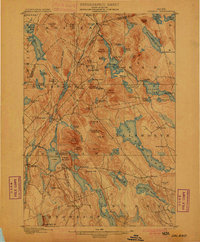 1900 Orland1900 Print · USGSMaine's interior hills and glacial lakes are shown in detail at the turn of the century as the rail lines reached into Hancock County. Trace the development of small settlements like East Orland and Dedham, or locate the early U.S. Fish Hatchery near Green Lake.6 unique versions available
 - 1942 Map of Orland
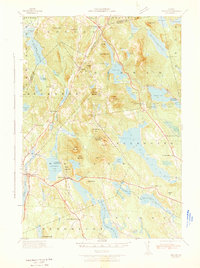 1942 Orland1942 Print · USGSIn the early 1940s, the rugged interior between the Penobscot River and Ellsworth was a landscape of high summits and conservation-focused industry. Genealogists and historians can trace old homesteads and landmarks like Bucks Mills, the U S Fish Hatchery, and the scattered settlements of East Orland and North Ellsworth.
 - 1948 Map of Bangor
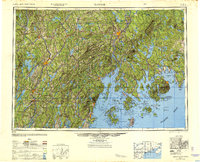 1948 Bangor1948 Print · USGSThe Maine coast and its industrial river valleys are captured here shortly after the war, showing the vital shipping and rail hubs of the late 1940s. Genealogists and historians can trace the tracks of the Maine Central RR connecting Bangor, Augusta, and Old Town.
 - 1948 Map of Orland
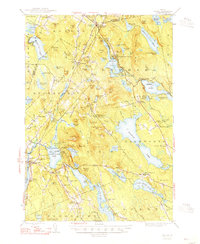 1948 Orland1948 Print · USGSHancock and Penobscot counties are shown here just after the war, when rural hamlets and lakeside retreats defined the landscape. Researchers can locate the Annear Copper Mine, the US Fish Hatchery, and numerous family burial grounds like Evergreen Cemetery.2 unique versions available
 - 1955 Map of Orland, 1956 Print
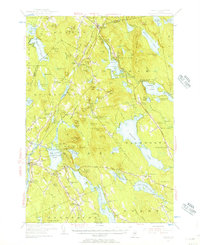 1955 Orland1956 Print · USGSCoastal Maine in the mid-fifties is captured here as a landscape of interconnected ponds and granite ridges. Genealogists and historians can trace family-named landmarks like Condon Hill, locate the U S Fish Hatchery, and find the Annear Copper Mine.4 unique versions available
 - 1956 Map of Bangor, 1966 Print
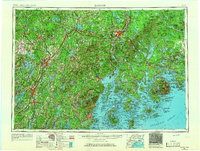 1956 Bangor1966 Print · USGSMid-century Maine comes alive in this survey of the rugged coast and river valleys during the 1950s. Genealogists and historians can trace the vital rail corridors of the Maine Central RR connecting timber towns like Old Town to the coast at Bar Harbor.3 unique versions available
 - 1960 Map of Bangor
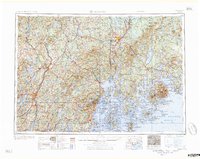 1960 Bangor1960 Print · USGSCentral Maine in the sixties reveals a landscape of river-powered industry and sprawling coastal island chains. Researchers can trace the rail corridors of the Maine Central or locate mid-century aviation landmarks like Dow Air Force Base.
 - 1961 Map of Bangor
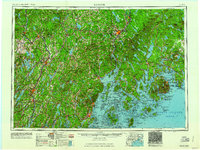 1961 Bangor1961 Print · USGSMid-century Maine comes alive through its busy river ports and rocky archipelagoes during a period of steady maritime and rail commerce. Researchers can trace the path of the Maine Central railroad and locate coastal landmarks from Acadia National Park to Vinalhaven Island.
 - 1982 Map of Orland, 1983 Print
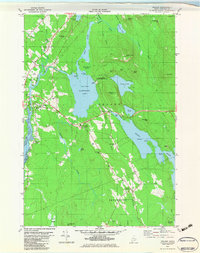 1982 Orland1983 Print · USGSHancock County’s coastal interior is captured here in the early eighties, showing the transition from riverfront settlements to inland lakes. Researchers can trace ancestral sites at Back Ridge Cem, visit East Orland, or locate the Craig Brook National Fish Hatchery.
 - 1985 Map of Bangor
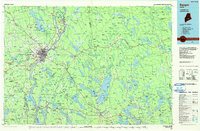 1985 Bangor1985 Print · USGSMid-Maine during the mid-eighties centers on the industrial pulse of the Penobscot River and its critical rail connections. Genealogists and historians can trace the development of river towns from Old Town to Ellsworth and locate regional landmarks like Fort Knox State Park.
 - 1994 Map of Bangor
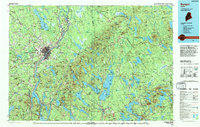 1994 Bangor1994 Print · USGSThe Penobscot River valley and the coastal highlands of eastern Maine are captured here in the mid-1990s. Researchers can trace the industrial rail corridors of the Maine Central Railroad or explore the landscape around Old Town, Bucksport, and Graham Lake.
 - 2011 Map of Orland, 2011 Print
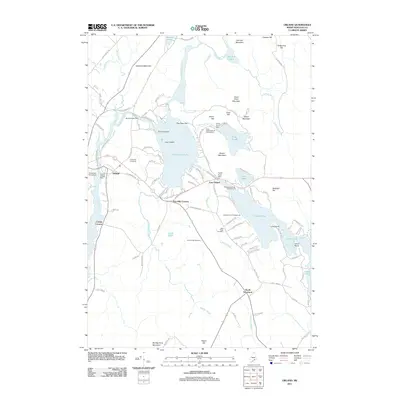 2011 Orland2011 Print · USGSCoastal Maine's interior comes into focus here during the early twenty-first century, showing a landscape of interconnected lakes and mountain ridges. Genealogists can locate family sites near Evergreen Cemetery or trace the early industrial infrastructure of the Orland Village Dam and Alamoosook Dam.
 - 2014 Map of Orland, 2014 Print
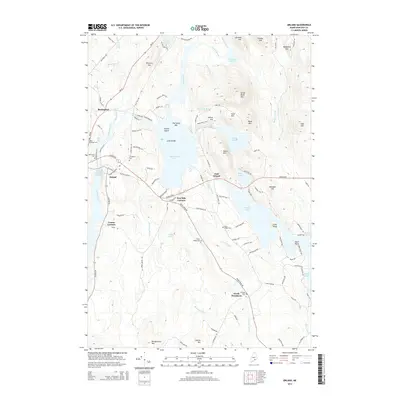 2014 Orland2014 Print · USGSCoastal Maine's network of lakes and granite peaks comes into focus in this modern era, centered on the historic village of Orland. Genealogists and local historians can locate several family cemeteries, including Evergreen Cem, and trace old routes through Five Mile Corners and Cranes Corners.
 - 2018 Map of Orland, 2018 Print
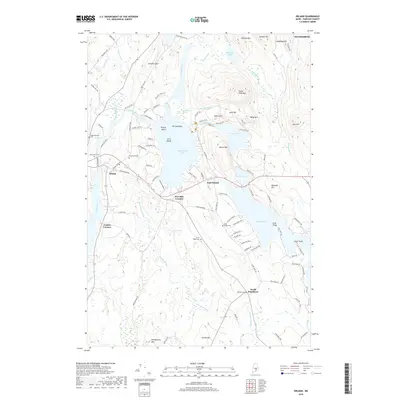 2018 Orland2018 Print · USGSHancock County’s lakelands and river valleys are captured here in the late twenty-teens, showing the enduring rural character of the Maine woods. Genealogists can locate several family burial sites like Oak Grove Cem or Hillside Cem while tracing the settlements at East Orland and Five Mile Corners.
 - 2021 Map of Orland, 2021 Print
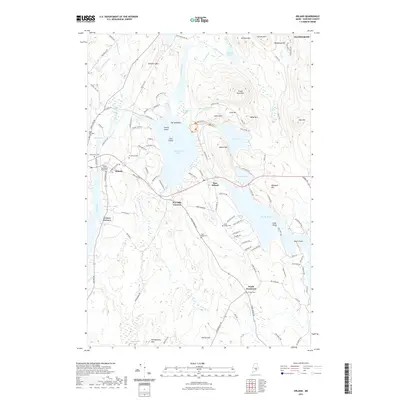 2021 Orland2021 Print · USGSCoastal Maine's interior comes into focus in this recent study of the hills and lakes east of the Penobscot. Researchers can trace local lineage through numerous burial sites like Oak Grove Cem and Hillside Cem, or locate historic junctions at Five Mile Corners and Cranes Corners.
 - 2024 Map of Orland, 2024 Print
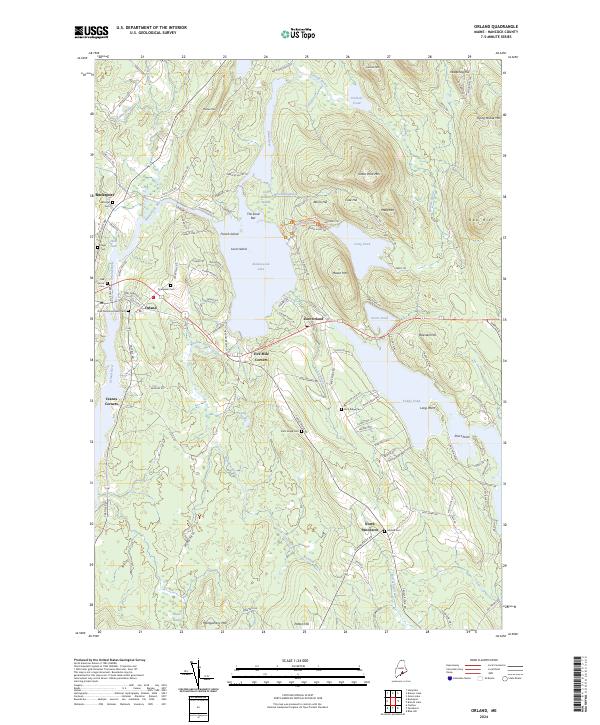 2024 Orland2024 Print · USGSHancock County’s inland waters and crossroads come into focus during this modern era of coastal Maine history. Local researchers can trace family lines through numerous rural burial sites like Front Ridge Cem and Back Ridge Cem, or locate the historic Craig Brook National Fish Hatchery.
End of results
Showing maps 1-16 of 16
Frequently asked questions
- What are the different types of historical maps available for Cranes Corners?
- What is the oldest map of Cranes Corners?
- Where can I purchase historical maps of Cranes Corners for my home or office?
- Where can I download high-res historical maps of Cranes Corners?
- Are there historical topographic maps available for Cranes Corners?
- Is there historical aerial imagery available for Cranes Corners?
- Where are historical maps of Cranes Corners sourced from?