Old Maps of Bryant Pond, Woodstock
Explore 15 old maps of Bryant Pond, spanning from 1911 to today. These high-resolution historic maps reveal how streets, neighborhoods, landmarks, and natural features evolved over time — perfect for genealogy, metal detecting, research, and local history exploration.
What you can do with these maps:
- See how Bryant Pond changed over time: Compare historical maps to modern-day views to trace roads, homesites, rail lines & more.
- View detailed metadata: Each map includes creators, publishers, year, scale, and archive source.
- Overlay maps with satellite & LiDAR: Visualize the past alongside modern tools to explore terrain & human change.
- Trusted historical sources: Maps sourced from the USGS, Library of Congress, and other archives.
- Access maps your way: View online, download high-res files, or order prints for personal or research use.
Start exploring old maps of Bryant Pond to uncover forgotten places, hidden landmarks, and the deep history beneath your feet.
Bryant Pond, Woodstock maps
(15)- 1911 Map of Bryant Pond, 1953 Print
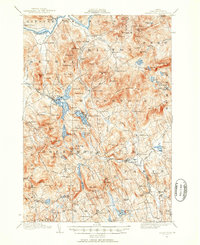 1911 Bryant Pond1953 Print · USGSOxford County at the start of the twentieth century shows a landscape of mountain ridges and valley mill towns. You can trace the rural school system and early transport lines through Bryant Pond, West Paris, and the waters of Mt Zircon Spring.3 unique versions available
 - 1914 Map of Bryant Pond
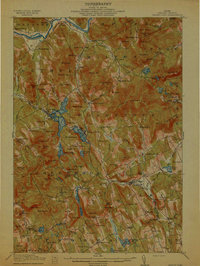 1914 Bryant Pond1914 Print · USGSOxford County at the dawn of the Great War was a land of valley mills and mountain schools connected by the iron rail. Genealogists can trace family footprints near Paris Hill, or locate long-standing landmarks like Abbotts Mill and the Patch Mountain School.4 unique versions available
 - 1942 Map of Bryant Pond
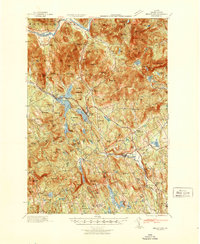 1942 Bryant Pond1942 Print · USGSOxford County at the dawn of the 1940s shows a landscape of mountain ridges and busy valley railroads. Genealogists can locate family-named landmarks like Walkers Mill and Trap Corner or trace rural education at the Millettville Sch and Patch Mountain Sch.
 - 1950 Map of Lewiston
 1950 Lewiston1950 Print · USGSThe Maine and New Hampshire borderlands come alive in this post-war survey of the White Mountains and Androscoggin valley. Genealogists and historians can trace rail lines like the Maine Central Railroad and find high-altitude landmarks from Mount Washington to Bretton Woods.2 unique versions available
 - 1956 Map of Lewiston, 1975 Print
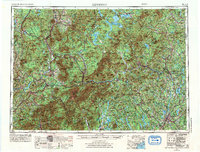 1956 Lewiston1975 Print · USGSThe Northern New England interior is documented here in the mid-fifties, from the industrial Androscoggin River to the high peaks of the White Mountains. Trace the Grand Trunk Railway through mountain passes or locate family landmarks near Sabbathday Lake and Bretton Woods.
 - 1961 Map of Lewiston
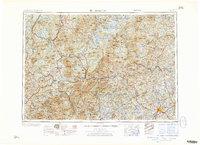 1961 Lewiston1961 Print · USGSWestern Maine and the White Mountains appear here during the early sixties, showing the industrial river towns and vast timberlands before the modern interstate era. Genealogists and historians can trace the Grand Trunk RR through Berlin or locate landmarks like Old Speck Mountain and Elephant Mountain.
 - 1962 Map of Lewiston
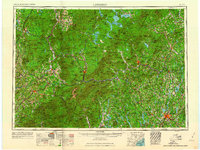 1962 Lewiston1962 Print · USGSThe industrial river valleys and high peaks of Maine and New Hampshire define the region in the early sixties. Trace the rail-and-river network from Lewiston to the White Mountains, passing through mill towns like Berlin and Rumford.
 - 1967 Map of Bryant Pond, 1969 Print
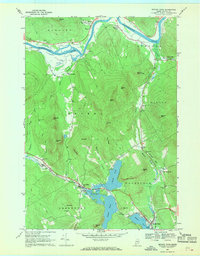 1967 Bryant Pond1969 Print · USGSThe Oxford County highlands in the late sixties show a landscape shaped by the Grand Trunk rail corridor and the Androscoggin River. Genealogists can locate family names at Bartlett Cem or Howe Hill Cem and trace the mills at Locke Mills.3 unique versions available
 - 1969 Map of Lewiston
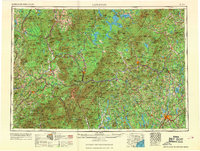 1969 Lewiston1969 Print · USGSThe northern New England highlands come into focus during the mid-fifties, showing the vital rail and river networks connecting industrial centers to the deep woods. Researchers can trace the path of the Grand Trunk RR or locate landmarks like Mt Washington and Rangeley Lake.
 - 1986 Map of Lewiston
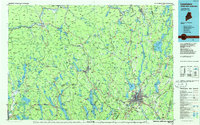 1986 Lewiston1986 Print · USGSMaine’s industrial river valleys and western mountain foothills are captured here in the mid-eighties as rail and road networks tied the region together. Genealogists and historians can trace the development of mill towns and lakefront settlements from Lisbon to Bethel, following the Androscoggin River and the path of the Maine Central Railroad.2 unique versions available
 - 2011 Map of Bryant Pond, 2011 Print
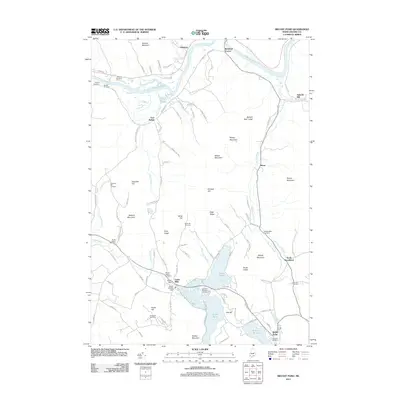 2011 Bryant Pond2011 Print · USGSOxford County mountain villages and glacial lakes define this landscape during the early twenty-first century. Researchers can locate numerous family burial grounds like Cole Hill Cemetery and trace the industrial legacy of Abbotts Mill or Locke Mills.
 - 2014 Map of Bryant Pond, 2014 Print
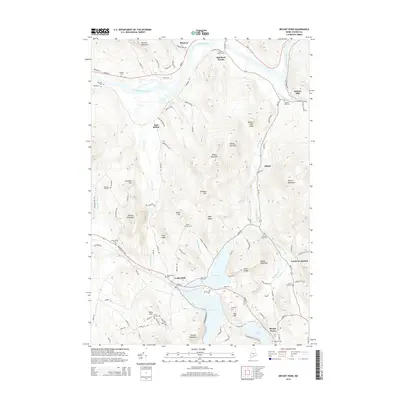 2014 Bryant Pond2014 Print · USGSWestern Maine's river valleys and mountain ridges are documented here in the early twenty-first century, spanning from Hanover to the namesake Bryant Pond. Genealogists and historians can trace numerous family burial grounds including Rumford Corner Cem and Mount Abram Cem.
 - 2018 Map of Bryant Pond, 2018 Print
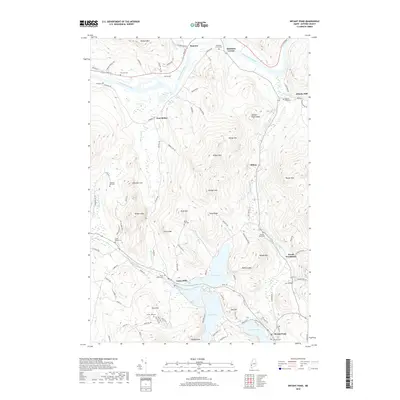 2018 Bryant Pond2018 Print · USGSOxford County mountain valleys and glacial lakes appear in modern detail on this 2018 survey. Genealogists can locate over a dozen burial sites, including Lakeside Cem and Mount Abram Cem, while tracing the Alder River through Locke Mills.
 - 2021 Map of Bryant Pond, 2021 Print
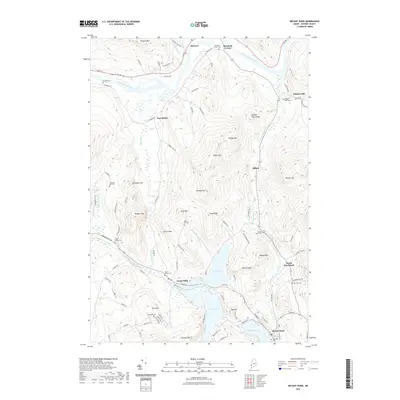 2021 Bryant Pond2021 Print · USGSOxford County mountain and lake country is captured in the early twenty-first century, showing the enduring geography of the Androscoggin valley. Genealogists can locate family sites at Mount Abram Cem or Abbotts Mills Cem and trace the historic mill village of Locke Mills.
 - 2024 Map of Bryant Pond, 2024 Print
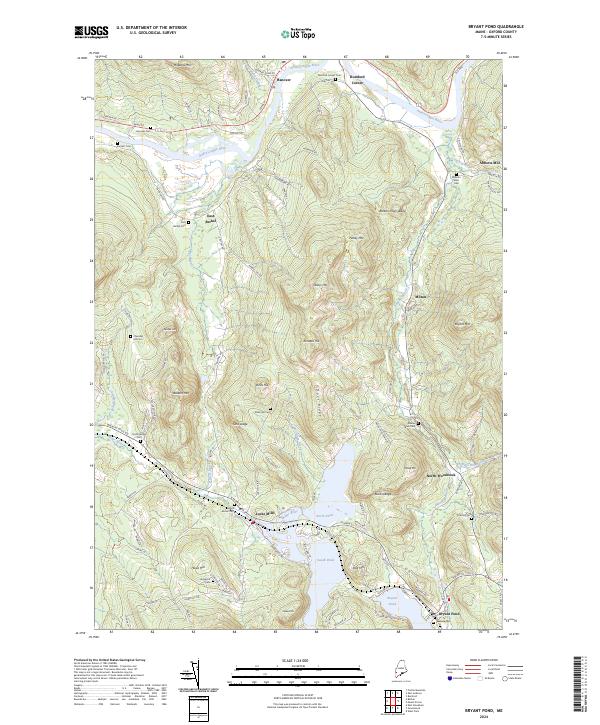 2024 Bryant Pond2024 Print · USGSOxford County settlement and terrain are captured in this recent survey of the highlands north of Bryant Pond. Genealogists and historians can trace numerous family-named landmarks and burial sites, including Locke Mills, Mount Abram Cem, and Abbotts Mill along the Concord River.
End of results
Showing maps 1-15 of 15
Top cities near Bryant Pond
- Paris historical maps
- Norway historical maps
- Rumford historical maps
- Oxford historical maps
- Mexico historical maps
- Bethel historical maps
See more
Frequently asked questions
- What are the different types of historical maps available for Bryant Pond?
- What is the oldest map of Bryant Pond?
- Where can I purchase historical maps of Bryant Pond for my home or office?
- Where can I download high-res historical maps of Bryant Pond?
- Are there historical topographic maps available for Bryant Pond?
- Is there historical aerial imagery available for Bryant Pond?
- Where are historical maps of Bryant Pond sourced from?