Old Maps of East Lowell, Lowell
Explore 15 old maps of East Lowell, spanning from 1931 to today. These high-resolution historic maps reveal how streets, neighborhoods, landmarks, and natural features evolved over time — perfect for genealogy, metal detecting, research, and local history exploration.
What you can do with these maps:
- See how East Lowell changed over time: Compare historical maps to modern-day views to trace roads, homesites, rail lines & more.
- View detailed metadata: Each map includes creators, publishers, year, scale, and archive source.
- Overlay maps with satellite & LiDAR: Visualize the past alongside modern tools to explore terrain & human change.
- Trusted historical sources: Maps sourced from the USGS, Library of Congress, and other archives.
- Access maps your way: View online, download high-res files, or order prints for personal or research use.
Start exploring old maps of East Lowell to uncover forgotten places, hidden landmarks, and the deep history beneath your feet.
East Lowell, Lowell maps
(15)- 1931 Map of Saponac
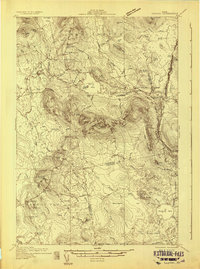 1931 Saponac1931 Print · USGSThe Maine wilderness of the early thirties is captured here before modern development, spanning the border of Penobscot and Hancock counties. Researchers can trace rural life through the locations of the Greenfield Cemetery, the Morrison Mill, and several district schools like School No 1.
 - 1934 Map of Saponac
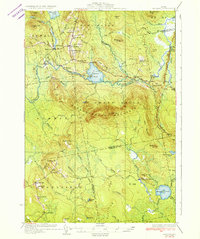 1934 Saponac1934 Print · USGSPenobscot County was a landscape of small mill towns and mountain ridges in the 1930s. Researchers can locate early district schools like Longfellow Sch, industrial sites such as Morrison Mill, and family landmarks including Crocker Turn.3 unique versions available
 - 1954 Map of Millinocket, 1968 Print
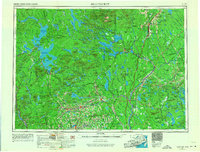 1954 Millinocket1968 Print · USGSMaine's North Woods and the Penobscot Valley are captured here during the mid-century era of logging and rail dominance. You can trace the path of the Bangor and Aroostook Railroad through timber towns like Millinocket, Mattawamkeag, and Silver Ridge.3 unique versions available
 - 1957 Map of Saponac, 1959 Print
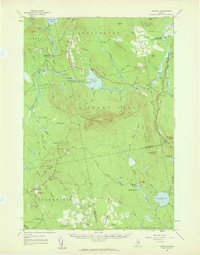 1957 Saponac1959 Print · USGSPenobscot and Hancock counties are shown here in the late fifties, during a period of rural stability in the Maine north woods. Researchers can locate family landmarks like Mt Repose Cem, the Thirty-Nine Tannery, and the Corner Sch in Lowell.4 unique versions available
 - 1958 Map of Millinocket
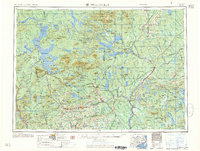 1958 Millinocket1958 Print · USGSMaine's North Woods and the Penobscot river valley are captured here in the mid-1950s, showing a landscape of timber, rail, and wild waters. Researchers can trace the legacy of the Canadian Pacific railroad and find historic settlements like Millinocket, Sherman Station, and Mattawamkeag.
 - 1960 Map of Millinocket
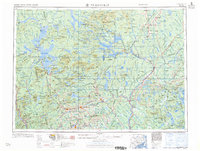 1960 Millinocket1960 Print · USGSThe Maine North Woods and Penobscot River valley are captured at mid-century during the height of the paper milling era. Researchers can trace the Appalachian Trail near Mount Katardin or locate family roots in towns like Dover-Foxcroft and Milo.3 unique versions available
 - 1975 Map of Saponac NW, 1980 Print
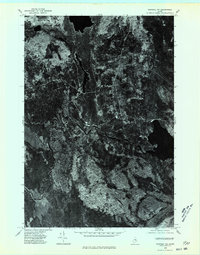 1975 Saponac NW1980 Print · USGSPenobscot County timberlands and river corridors are captured in this mid-seventies aerial survey. Researchers can trace the winding Passadumkeag River and the shoreline of Saponac Pond amidst the dense forest.
 - 1985 Map of Lincoln, 1994 Print
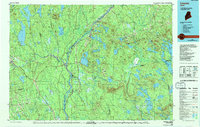 1985 Lincoln1994 Print · USGSPenobscot County in the mid-eighties remains a landscape of river-based commerce and sprawling timberlands connected by rail. You can trace the historic paths of the Maine Central RR and Canadian Pacific RR or locate rural sites like Enfield Station and the Winn Cem.
 - 1986 Map of Lincoln
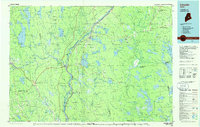 1986 Lincoln1986 Print · USGSMid-century Maine settlement and industry converge along the Penobscot and Piscataquis rivers during the 1980s. Researchers can trace the rail networks of the Maine Central and Bangor and Aroostook through towns like Howland and Milo.
 - 1988 Map of Burlington
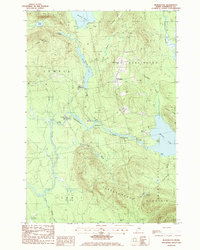 1988 Burlington1988 Print · USGSPenobscot County, Maine, in the late 1980s shows a landscape defined by its timber-country waters and small village centers. Genealogists and local historians can trace the roads and waterways around Burlington, Lowell, and landmarks like Town House Hill or the Pasadumkeag River.
 - 2011 Map of Burlington, 2011 Print
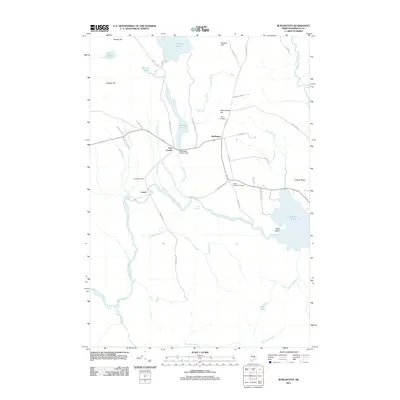 2011 Burlington2011 Print · USGSPenobscot County's interior is showcased here in the early twenty-first century, centered on the historic settlements of Burlington and Lowell. Researchers can trace local heritage through Mount Repose Cemetery, the Eskutassis Stream Dam, and old routes like Tannery Rd.
 - 2014 Map of Burlington, 2014 Print
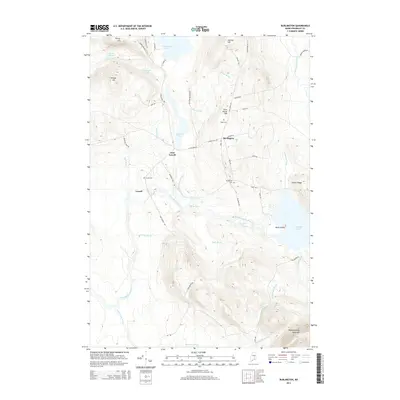 2014 Burlington2014 Print · USGSPenobscot County in the early twenty-first century reveals a landscape of river-fed basins and prominent ridges. Genealogists and local historians can trace the foundations of Burlington and East Lowell, locating landmarks like Town House Hill and the Page Cem near the riverbanks.
 - 2018 Map of Burlington, 2018 Print
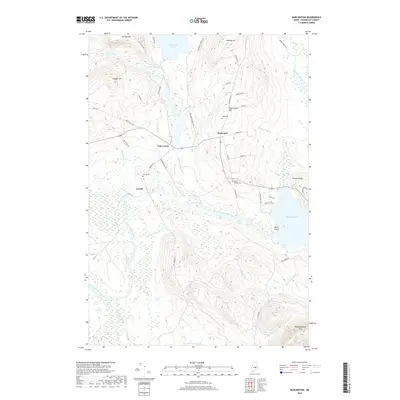 2018 Burlington2018 Print · USGSPenobscot County life centers on the winding Passadumkeag River and its rural townships during the late 2010s. Genealogists and local historians can trace family locations through Lowell Cem or follow old routes like Woodman Mill Rd near East Lowell.
 - 2021 Map of Burlington, 2021 Print
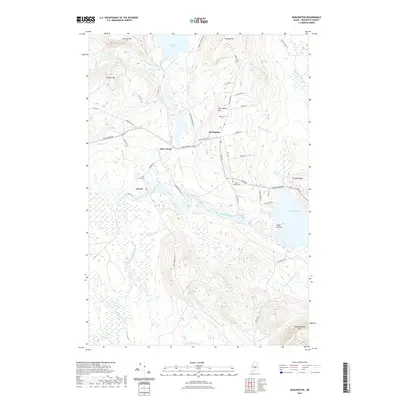 2021 Burlington2021 Print · USGSPenobscot County's river-driven landscape comes alive in the early 2020s, showing the enduring layout of the riverfront and timberlands. Genealogists can trace family connections at Mount Repose Cem and Page Cem or locate homes near Eskutassis Pond and Town House Hill.
 - 2024 Map of Burlington, 2024 Print
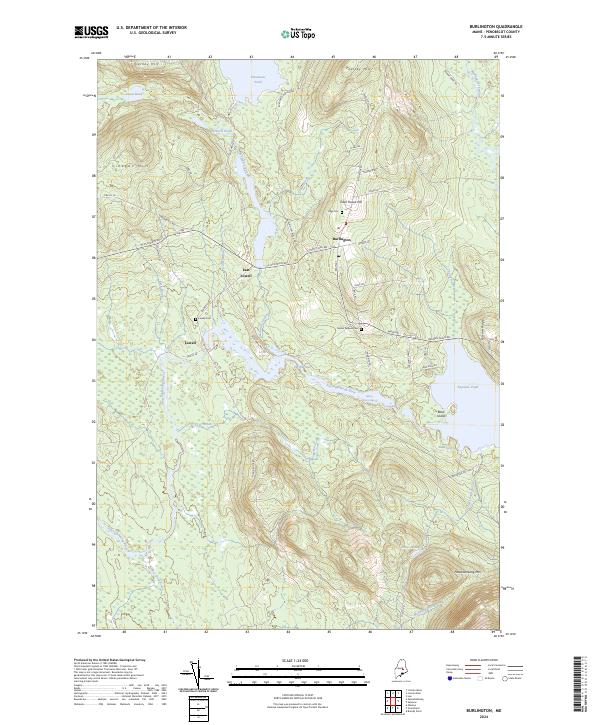 2024 Burlington2024 Print · USGSPenobscot County's wooded ridges and river valleys are captured here in the early twenty-first century, showcasing the villages of Burlington and Lowell. Genealogists and historians can locate Lowell Cem, Page Cem, and landmarks along the Passadumkeag River.
End of results
Showing maps 1-15 of 15
Frequently asked questions
- What are the different types of historical maps available for East Lowell?
- What is the oldest map of East Lowell?
- Where can I purchase historical maps of East Lowell for my home or office?
- Where can I download high-res historical maps of East Lowell?
- Are there historical topographic maps available for East Lowell?
- Is there historical aerial imagery available for East Lowell?
- Where are historical maps of East Lowell sourced from?