Old Maps of Dayton, Maine for Genealogy
Trace your family roots with 35 historic maps of Dayton. These high-res maps reveal old neighborhoods, homesites, landmarks, and streets — helping you uncover where your ancestors lived and how the area evolved over time.
- Explore historic neighborhoods: Identify where your relatives may have lived in the 1800s or 1900s.
- Compare maps over time: Trace the changes in streets, buildings, and landmarks for multi-generational research.
- Perfect for genealogy & ancestry research: Used by family historians and researchers to map out lineage and migration.
These maps are an incredible resource for exploring your personal connection to Dayton's past.
Dayton, ME maps
(35)- 1891 Map of Kennebunk
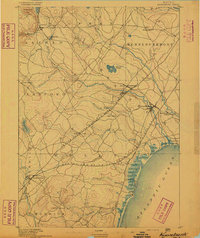 1891 Kennebunk1891 Print · USGSCoastal York County comes alive in the late Victorian era as the railroad network expands through the marshes and timberlands. Researchers can trace the dual tracks of the Boston and Maine Railroad and locate vanished stops like Wells Depot or the early industry at Littlefield's Mills.
 - 1891 Map of Buxton
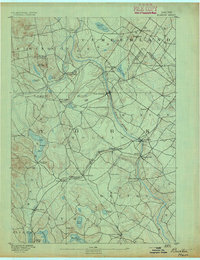 1891 Buxton1891 Print · USGSThe Saco River valley at the end of the nineteenth century is captured here in detail, showcasing a network of mill villages and early rail lines. Researchers can trace the path of the Portland and Rochester Railroad and locate historic sites like Shaker Village, Salmon Falls, and Nasons Mills.
 - 1892 Map of Buxton, 1913 Print
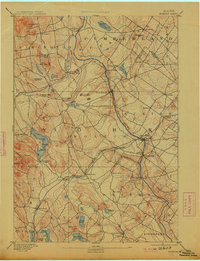 1892 Buxton1913 Print · USGSSouthern Maine's mill towns and river valleys are captured here in the late nineteenth century as the industrial economy thrived along the Saco River. Genealogists and historians can trace the early layouts of Shaker Village, Nasons Mills, and Salmon Falls before modern development changed these rural landscapes.4 unique versions available
 - 1893 Map of Kennebunk
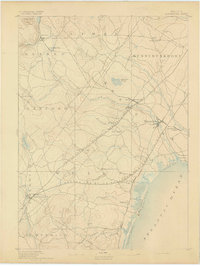 1893 Kennebunk1893 Print · USGSThe coastal and inland reaches of York County are documented here in the final decade of the nineteenth century, showing a landscape defined by river power and rail. Genealogists and historians can trace the early layouts of Littlefield's Mills, the bustling Kennebunk Landing, and the tracks of the Boston and Maine Railroad.
 - 1893 Map of Buxton
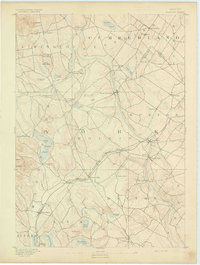 1893 Buxton1893 Print · USGSThe York County interior flourished in the late nineteenth century as a hub of river-powered industry and rail transport. Genealogists and historians can trace family-named sites and vanished mill hamlets like Shaker Village, Nasons Mills, and Salmon Falls.3 unique versions available
 - 1898 Map of Kennebunk
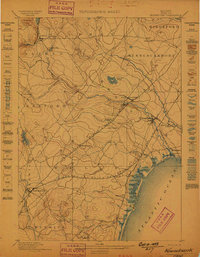 1898 Kennebunk1898 Print · USGSThe York County coastline and inland mill towns thrive in the late nineteenth century as the railroad era reaches its peak. Genealogists and historians can trace old homesteads and depots near Littlefields Mills, Kennebunk Landing, and the seaside reaches of Ogunquit.6 unique versions available
 - 1941 Map of Kennebunk, 1952 Print
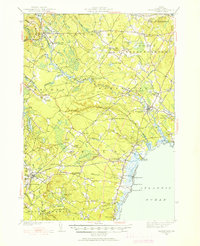 1941 Kennebunk1952 Print · USGSCoastal Maine in the early 1940s reveals a landscape of industrial mill sites and growing seaside resorts connected by the nascent Maine Turnpike. Genealogists can trace family roots through numerous numbered schoolhouses and landmarks like Merriland Ch and Evergreen Cem.2 unique versions available
 - 1942 Map of Buxton, 1958 Print
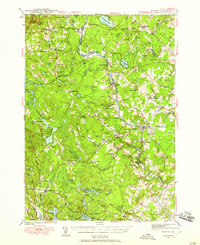 1942 Buxton1958 Print · USGSIn the early 1940s, the river valleys of southern Maine were defined by a tight-knit network of mill towns and rail corridors. Trace family roots and local industry through features like Salmon Falls, Shaw Mills, and the Chadbourne Cem.3 unique versions available
 - 1944 Map of Buxton
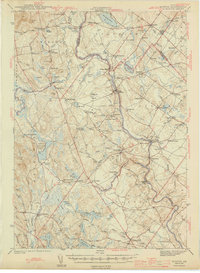 1944 Buxton1944 Print · USGSThe Saco River valley during the mid-forties reveals a landscape of mill towns and interconnected rural hamlets. Genealogists and local historians can trace the foundations of Bar Mills, locate the Chadbourne Cem, or follow the path of the Boston and Maine railroad.3 unique versions available
 - 1944 Map of Kennebunk
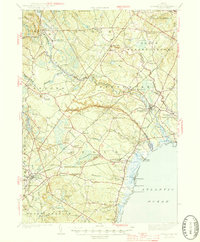 1944 Kennebunk1944 Print · USGSCoastal Maine thrives along the rivers and rails of York County in the early 1940s. Genealogists and historians can trace family roots through numerous local landmarks, from Evergreen Cem and Merriland Ch to the many numbered schoolhouses like School No 10.2 unique versions available
 - 1949 Map of Portland
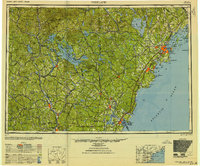 1949 Portland1949 Print · USGSCoastal Maine and the New Hampshire interior are shown in detail during the late forties, from the bustling harbors to the lakeside villages. Researchers can trace historical rail networks like the Boston & Maine RR and locate coastal defenses such as Fort Preble.3 unique versions available
 - 1956 Map of Kennebunk, 1959 Print
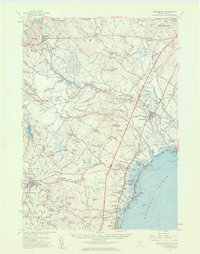 1956 Kennebunk1959 Print · USGSCoastal York County during the mid-fifties shows a fascinating mix of old mill culture and new turnpike development. Researchers can trace family history through dozens of named locations like Hobbs Crossing, Parsonage Corner, and Bartlett Mills.4 unique versions available
 - 1956 Map of Portland, 1963 Print
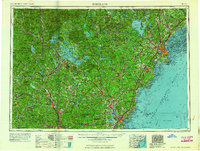 1956 Portland1963 Print · USGSSouthern Maine and eastern New Hampshire are captured here in the mid-fifties, during a time of major highway expansion and military growth. You can trace the path of the Maine Turnpike and locate landmarks like the Portsmouth Naval Shipyard and Sebago Lake.4 unique versions available
 - 1959 Map of Portland
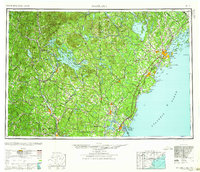 1959 Portland1959 Print · USGSThe Maine and New Hampshire coastlines meet in this mid-century portrait of maritime commerce and inland rail networks. Researchers can trace the legacy of coastal defense at Fort Williams and follow the historic path of the Maine Central RR through the White Mountain National Forest.2 unique versions available
 - 1963 Map of Portland
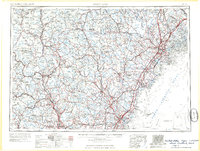 1963 Portland1963 Print · USGSCoastal Maine and New Hampshire thrived as maritime and industrial hubs during the mid-sixties, linked by a dense network of rail and river. Researchers can trace historic transit corridors like the Maine Central RR and locate key sites such as the Portsmouth Naval Shipyard or Pease Air Force Base.3 unique versions available
 - 1983 Map of Kennebunk, 1984 Print
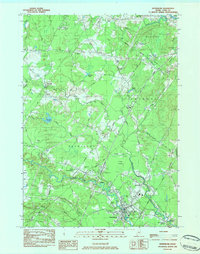 1983 Kennebunk1984 Print · USGSCoastal Maine's interior comes into focus during the early eighties as the village of Kennebunk and its outlying hamlets expanded. Genealogists and local historians can trace historical property lines and small-town landmarks like Bartlett Mills, Hope Cem, and the Boston and Maine Railroad.2 unique versions available
 - 1983 Map of Waterboro, 1984 Print
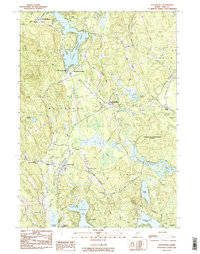 1983 Waterboro1984 Print · USGSWaterboro and the surrounding York County timberlands are captured here in the early eighties as the town's historic villages remained distinct. Genealogists and local historians can locate several family burial sites like Deering Cem and rural landmarks including Waterboro Old Corner and St Stephen the Martyr Mission.2 unique versions available
 - 1983 Map of Bar Mills, 1984 Print
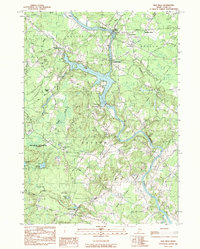 1983 Bar Mills1984 Print · USGSThe Saco River valley in the early eighties remains a landscape of industrial hamlets and rural crossroads. Local historians can trace the paths of the Old Railroad Grade and find historic landmarks like Bear Hill Ch or the Dayton School.
 - 1985 Map of Kittery, 1986 Print
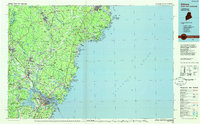 1985 Kittery1986 Print · USGSThe Maine and New Hampshire borderlands are shown here in the mid-eighties, centered on the strategic Piscataqua River harbor. Genealogists and historians can trace the development of coastal towns like York or locate the sprawling Portsmouth Naval Shipyard and Pease Air Force Base.2 unique versions available
 - 1985 Map of Portland, 1986 Print
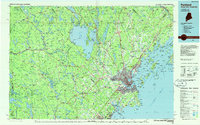 1985 Portland1986 Print · USGSThe Maine coast and Sebago Lake region are captured in the mid-1980s, showcasing the transition from traditional maritime centers to a modern transportation hub. Genealogists and historians can trace rail lines like the Grand Trunk RR and find local landmarks such as the U.S. Marine Hospital or Old Orchard Beach.2 unique versions available
 - 2011 Map of Kennebunk, 2011 Print
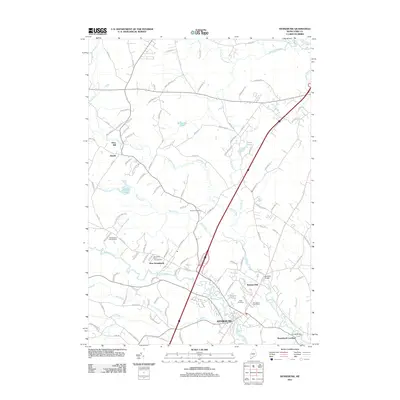 2011 Kennebunk2011 Print · USGSKennebunk and the surrounding York County countryside are shown here at the start of the twenty-first century. Local historians can trace the development of settlements from Kennebunk to Kennebunk Landing, and locate family burial plots at Hope Cemetery or Russell Cemetery.
 - 2011 Map of Bar Mills, 2011 Print
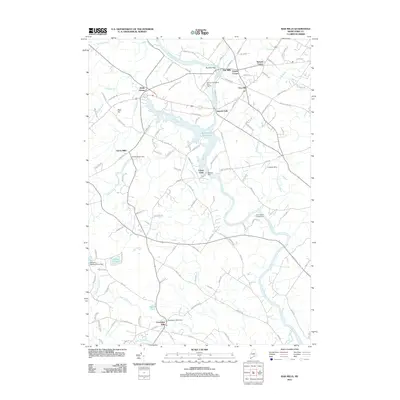 2011 Bar Mills2011 Print · USGSSouthern Maine's river-driven industrial heritage is preserved here as it appeared in the early 2010s. Researchers can trace the legacy of water power at the Bar Mills Dam or locate family landmarks in old village centers like Goodwins Mills and Hollis Center.
 - 2011 Map of Waterboro, 2011 Print
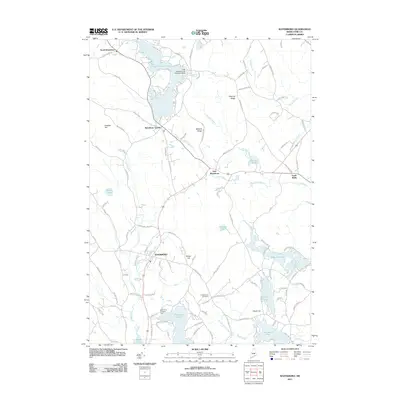 2011 Waterboro2011 Print · USGSWaterboro and the surrounding York County lakelands are captured here in the early twenty-first century. Genealogists and local historians can trace family-named landmarks like Chadbourne Cemetery and Roberts Ridge, or locate the Little Ossipee Lake Seaplane Base on the northern shore.
 - 2014 Map of Bar Mills, 2014 Print
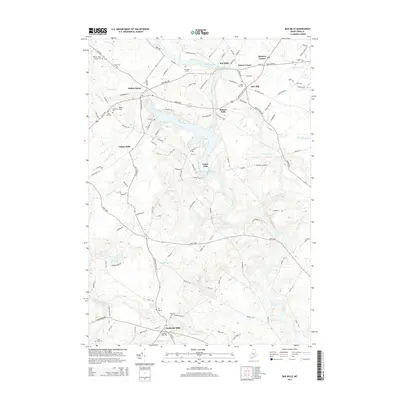 2014 Bar Mills2014 Print · USGSCoastal Maine's riverine interior comes into focus during the early 2010s as the Saco River flows through historic industrial hamlets. Researchers can trace family lots and local landmarks like Goodwins Mills, Tory Hill Cem, and the riverfront at Salmon Falls.
 - 2014 Map of Waterboro, 2014 Print
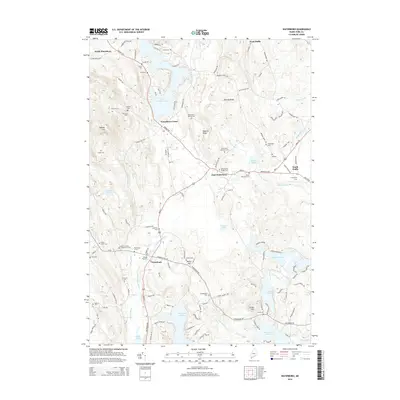 2014 Waterboro2014 Print · USGSYork County's landscape of glacial ponds and family farmsteads is captured here in the early twenty-first century. Genealogists can locate dozens of small family burial grounds, including the Colcord Smith Chadbourne Cem and Dominicus Warren Cem near Waterboro Center.
Showing maps 1-25 of 35
Top cities near Dayton
- South Portland historical maps
- Biddeford historical maps
- Scarborough historical maps
- Sanford historical maps
- Westbrook historical maps
- Saco historical maps
See more
Top neighborhoods of Dayton
Frequently asked questions
- What are the different types of historical maps available for Dayton?
- What is the oldest map of Dayton?
- Where can I purchase historical maps of Dayton for my home or office?
- Where can I download high-res historical maps of Dayton?
- Are there historical topographic maps available for Dayton?
- Is there historical aerial imagery available for Dayton?
- Where are historical maps of Dayton sourced from?