Old Maps of Seabury, York for Metal Detecting
Plan your next treasure hunt with 17 historic maps of Seabury. Find old homesites, ghost towns, trails, and gathering spots that may be lost to time — perfect for identifying promising metal detecting locations.
- Locate forgotten sites: Uncover places like long-lost settlements, abandoned rail lines, or gathering spots.
- Plan better hunts: Use map overlays combined with LiDAR or satellite views to narrow in on historically rich areas.
- Made for detectorists: Thousands of hobbyists use these maps to discover relics, coins, and hidden history.
Use these historic maps to boost your research and find new opportunities beneath the surface of Seabury.
Seabury, York maps
(17)- 1893 Map of York
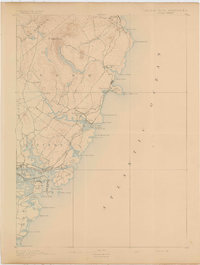 1893 York1893 Print · USGSThe Maine and New Hampshire coastlines meet in the 1890s at a time of maritime industry and emerging seaside travel. Researchers can trace the development of York Village, the operations at the Navy Yard, and the early route of the York Beach and Railroad.5 unique versions available
 - 1920 Map of York
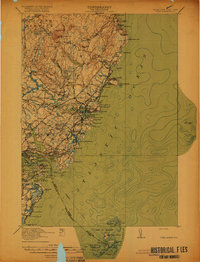 1920 York1920 Print · USGSThe Maine and New Hampshire shoreline comes to life during the late 1910s, showing a region balanced between naval defense and coastal commerce. Genealogists and historians can locate old landmarks like the Lincoln School, the Coast Guard Sta, and the path of the Electric Railway.6 unique versions available
 - 1944 Map of Kittery
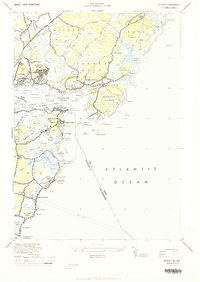 1944 Kittery1944 Print · USGSThe Maine and New Hampshire coastlines are shown here at the height of World War II, revealing a landscape defined by strategic defense. Genealogists and historians can trace family land and military footprints at Fort Dearborn, Admiralty Village, and Kittery Point.2 unique versions available
 - 1949 Map of Portland
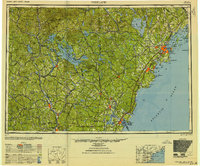 1949 Portland1949 Print · USGSCoastal Maine and the New Hampshire interior are shown in detail during the late forties, from the bustling harbors to the lakeside villages. Researchers can trace historical rail networks like the Boston & Maine RR and locate coastal defenses such as Fort Preble.3 unique versions available
 - 1956 Map of Kittery, 1957 Print
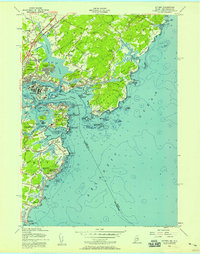 1956 Kittery1957 Print · USGSThe Maine and New Hampshire coastlines meet here in the mid-1950s, a landscape shaped by centuries of maritime defense and growing suburban neighborhoods. Genealogists and historians can trace the foundations of Kittery and New Castle, locating landmarks like Fort McClary State Park and the Whaleback Lighthouse.5 unique versions available
 - 1956 Map of York, 1960 Print
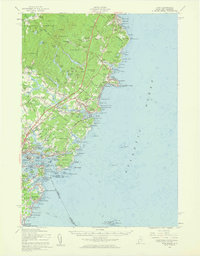 1956 York1960 Print · USGSThe Maine coastline in the mid-fifties shows a world of historic harbor defenses and growing seaside resorts. Genealogists can trace family names at Brixham Upper Corners, locate the First Parish Ch, and explore the shoreline from York Cliffs to Kittery.4 unique versions available
 - 1956 Map of Portland, 1963 Print
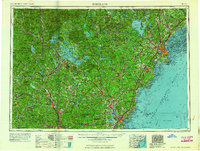 1956 Portland1963 Print · USGSSouthern Maine and eastern New Hampshire are captured here in the mid-fifties, during a time of major highway expansion and military growth. You can trace the path of the Maine Turnpike and locate landmarks like the Portsmouth Naval Shipyard and Sebago Lake.4 unique versions available
 - 1959 Map of Portland
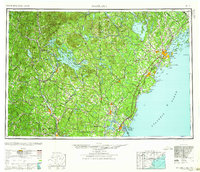 1959 Portland1959 Print · USGSThe Maine and New Hampshire coastlines meet in this mid-century portrait of maritime commerce and inland rail networks. Researchers can trace the legacy of coastal defense at Fort Williams and follow the historic path of the Maine Central RR through the White Mountain National Forest.2 unique versions available
 - 1963 Map of Portland
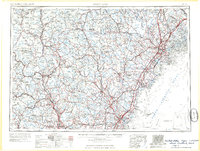 1963 Portland1963 Print · USGSCoastal Maine and New Hampshire thrived as maritime and industrial hubs during the mid-sixties, linked by a dense network of rail and river. Researchers can trace historic transit corridors like the Maine Central RR and locate key sites such as the Portsmouth Naval Shipyard or Pease Air Force Base.3 unique versions available
 - 1977 Map of Kittery, 1981 Print
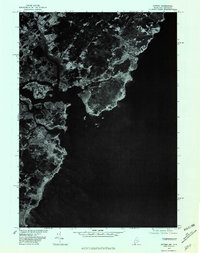 1977 Kittery1981 Print · USGSThe Maine and New Hampshire coastline comes into sharp focus during the late seventies, revealing the maritime landscape of the Piscataqua River area. Researchers can trace development on Seavey Island and the layouts of Kittery Point and Fairhill Manor.
 - 1985 Map of Kittery, 1986 Print
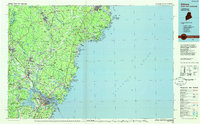 1985 Kittery1986 Print · USGSThe Maine and New Hampshire borderlands are shown here in the mid-eighties, centered on the strategic Piscataqua River harbor. Genealogists and historians can trace the development of coastal towns like York or locate the sprawling Portsmouth Naval Shipyard and Pease Air Force Base.2 unique versions available
 - 1995 Map of Kittery, 1999 Print
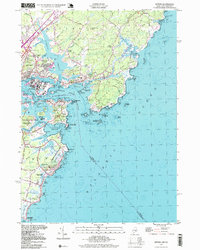 1995 Kittery1999 Print · USGSThe Maine and New Hampshire coastlines meet here in the late twentieth century, centered on the historic maritime corridor of the Piscataqua River. Researchers can trace the layout of the Portsmouth Naval Base and explore coastal defense sites like Fort Stark St Hist Site and Ft McClary State Park.
 - 2011 Map of Kittery, 2011 Print
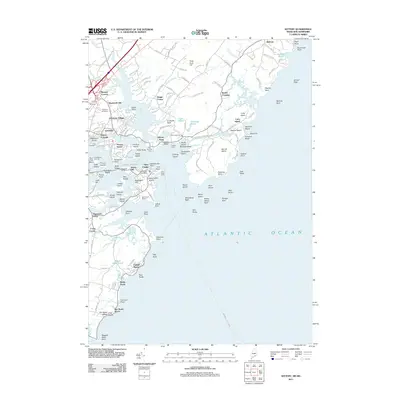 2011 Kittery2011 Print · USGSThe Maine and New Hampshire borderlands are depicted here in the early twenty-first century, centered on the historic maritime corridors of the Piscataqua River. Researchers can trace local lineage through the Old Burying Yard or explore coastal landings at Kittery Point and Frisbee Wharf.
 - 2014 Map of Kittery, 2014 Print
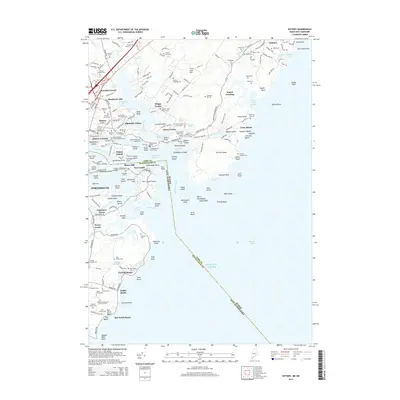 2014 Kittery2014 Print · USGSCoastal Maine and New Hampshire meet at the mouth of the Piscataqua during the early twenty-first century, showing a landscape defined by naval history and colonial family roots. Genealogists can locate numerous family-named landmarks and burial sites, including the Brackett Massacre Burial Ground, Kittery Point, and Odiorne Cem.
 - 2018 Map of Kittery, 2018 Print
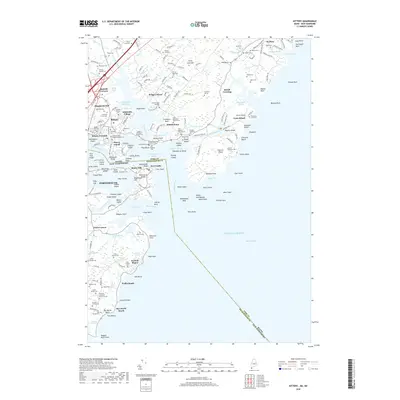 2018 Kittery2018 Print · USGSThe coastal Maine and New Hampshire borderlands are shown here in the 2010s, revealing a landscape defined by tidal creeks and maritime history. Genealogists can trace family footprints through the Brackett Massacre Burial Ground, Old Burying Yard, and numerous named properties like the William Manson Lot.
 - 2021 Map of Kittery, 2021 Print
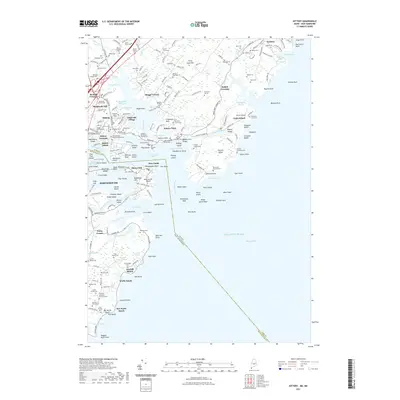 2021 Kittery2021 Print · USGSThe Maine and New Hampshire coastlines meet in this recent survey of the historic Piscataqua River mouth. Researchers can locate dozens of ancestral burial sites like the Old Burying Yard, Brackett Massacre Burial Ground, and the Hoyt Lord Plot.
 - 2024 Map of Kittery, 2024 Print
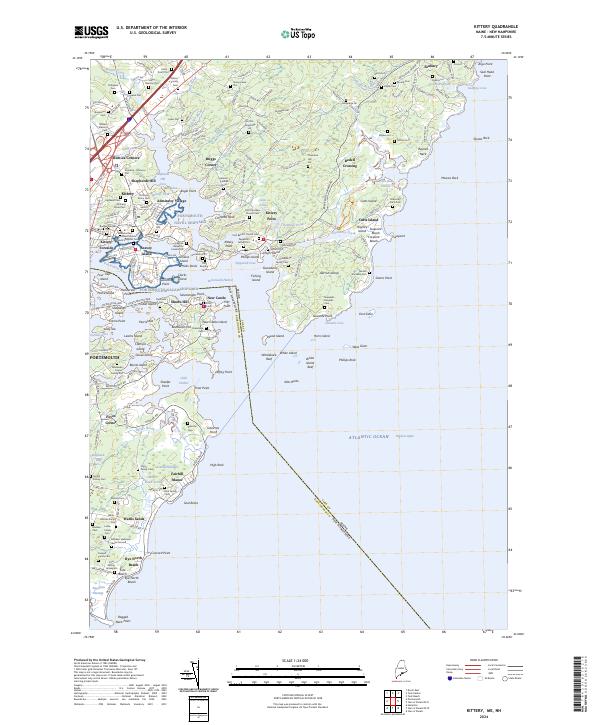 2024 Kittery2024 Print · USGSCoastal Maine and New Hampshire meet here at the mouth of the Piscataqua during the mid-2020s. Genealogists can locate dozens of private burial sites like the Brackett Massacre Burial Ground and family plots near Kittery Foreside and Seavey Island.
End of results
Showing maps 1-17 of 17
Frequently asked questions
- What are the different types of historical maps available for Seabury?
- What is the oldest map of Seabury?
- Where can I purchase historical maps of Seabury for my home or office?
- Where can I download high-res historical maps of Seabury?
- Are there historical topographic maps available for Seabury?
- Is there historical aerial imagery available for Seabury?
- Where are historical maps of Seabury sourced from?