Old Maps of Parkside, Maryland for Metal Detecting
Plan your next treasure hunt with 18 historic maps of Parkside. Find old homesites, ghost towns, trails, and gathering spots that may be lost to time — perfect for identifying promising metal detecting locations.
- Locate forgotten sites: Uncover places like long-lost settlements, abandoned rail lines, or gathering spots.
- Plan better hunts: Use map overlays combined with LiDAR or satellite views to narrow in on historically rich areas.
- Made for detectorists: Thousands of hobbyists use these maps to discover relics, coins, and hidden history.
Use these historic maps to boost your research and find new opportunities beneath the surface of Parkside.
Parkside, MD maps
(18)- 1892 Map of Ellicott
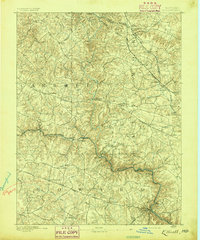 1892 Ellicott1892 Print · USGSMaryland's rolling Piedmont is mapped here at the end of the nineteenth century, showing a landscape defined by industrial granite quarries and emerging rail corridors. Researchers can trace ancestral roots through dozens of named settlements such as Owings Mills and Randallstown, or locate historic sites like St. Charles College and Shock Mill.
 - 1894 Map of Ellicott
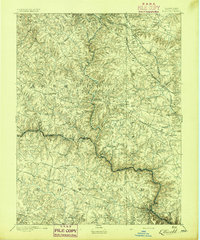 1894 Ellicott1894 Print · USGSThe Maryland interior at the end of the nineteenth century reveals a landscape defined by the Patapsco River and a growing rail network. Genealogists and historians can trace family roots through settlements like Reisterstown, landmarks like St. Charles College, and industry at the Quarries near Granite.3 unique versions available
 - 1906 Map of Ellicott
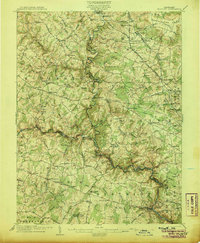 1906 Ellicott1906 Print · USGSCentral Maryland at the turn of the century shows a landscape of institutional growth and heavy rail development. Trace family roots and local history through Reisterstown, the grounds of St Charles College, and Owings Mills.6 unique versions available
 - 1908 Map of Patapsco
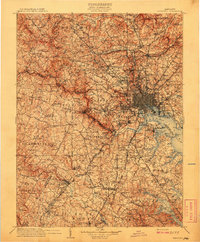 1908 Patapsco1908 Print · USGSMaryland's central corridor at the opening of the twentieth century reveals a dense network of harbor defenses and rail-line economies. Genealogists and historians can trace the foundations of Baltimore alongside local landmarks like Ashland Furnace, St Charles College, and Fort McHenry.4 unique versions available
 - 1944 Map of Finksburg
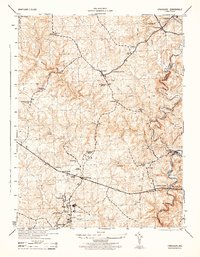 1944 Finksburg1944 Print · USGSCarroll County agriculture and industry meet along the Patapsco River during the mid-1940s. Genealogists and local historians can trace family-named landmarks and institutions like Springfield State Hospital, Sykesville, and Comet Roller Mills.2 unique versions available
 - 1948 Map of Baltimore
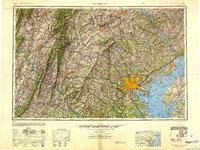 1948 Baltimore1948 Print · USGSMaryland and Pennsylvania crossroads are captured in the late 1940s, showing a landscape defined by historic rail lines and major military installations. Genealogists can trace family connections in Gettysburg, Westminster, and near the U.S. Naval Academy in Annapolis.2 unique versions available
 - 1953 Map of Finksburg, 1955 Print
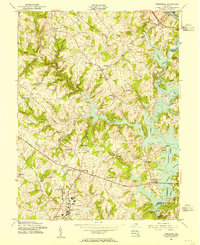 1953 Finksburg1955 Print · USGSSoutheastern Carroll County is captured here in the early fifties as the rising waters of Liberty Lake reshaped the Patapsco valley. Researchers can trace the legacy of local institutions like the Springfield State Hospital and Strawbridge Home for Boys.5 unique versions available
 - 1954 Map of Baltimore
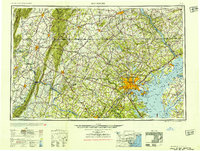 1954 Baltimore1954 Print · USGSThe Mid-Atlantic region in the early fifties shows a landscape of growing suburban centers and heavy rail corridors. Trace mid-century transit networks and military landmarks from the Aberdeen Proving Ground to the Gettysburg National Military Park.
 - 1956 Map of Baltimore
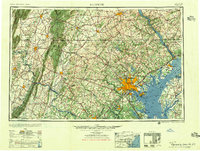 1956 Baltimore1956 Print · USGSMid-century Maryland and Pennsylvania are captured here during a period of massive suburban and military growth across the Chesapeake region. Genealogists and historians can trace the rail corridors of the Baltimore & Ohio RR and locate landmarks like Fort McHenry or the Aberdeen Proving Ground.
 - 1957 Map of Baltimore, 1964 Print
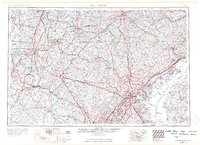 1957 Baltimore1964 Print · USGSMaryland and Southern Pennsylvania are shown during the mid-century expansion of the Baltimore-Washington corridor. Researchers can trace the extensive rail lines of the Baltimore & Ohio RR and locate sites like Fort Detrick and Gettysburg National Military Park.5 unique versions available
 - 1961 Map of Baltimore
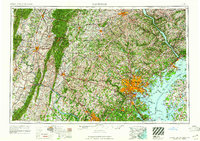 1961 Baltimore1961 Print · USGSMaryland and Pennsylvania are captured at a mid-century peak of industrial and military expansion. Genealogists and historians can trace rail corridors like the Western Maryland Ry or locate regional landmarks such as Camp Detrick and Kent Island.
 - 1984 Map of Baltimore
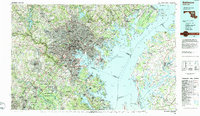 1984 Baltimore1984 Print · USGSThe Baltimore and Annapolis corridor in the mid-eighties shows a landscape of rapid suburban growth and deep-seated maritime history. Researchers can trace the massive footprints of the U S Naval Academy, Fort George G Meade, and Goddard Space Flight Ctr.
 - 1989 Map of Baltimore
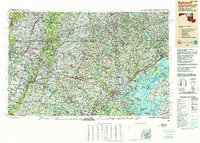 1989 Baltimore1989 Print · USGSThe Mid-Atlantic corridor in the late eighties is captured here, from the Baltimore harbor to the Blue Ridge foothills. Researchers can trace the sprawling footprints of Aberdeen Proving Ground, the historic grounds of Gettysburg National Military Park, and the winding Susquehanna River.
 - 2011 Map of Finksburg, 2011 Print
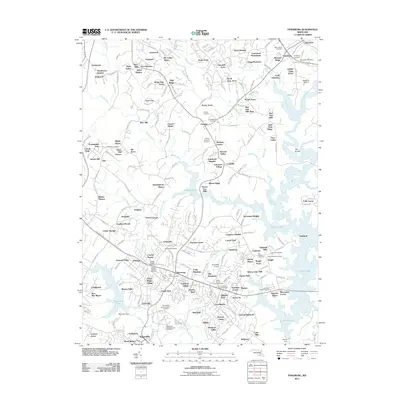 2011 Finksburg2011 Print · USGSMaryland's Piedmont reveals a landscape of massive reservoirs and institutional history in the years before the recent census. Researchers can trace family sites at Wesley-Freedom Cemetery, locate the Finksburg Post Office, or map the sprawling Springfield State Hospital.
 - 2014 Map of Finksburg, 2014 Print
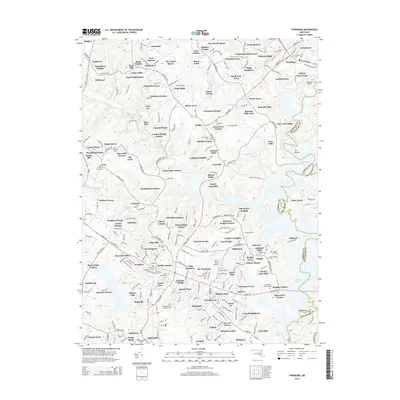 2014 Finksburg2014 Print · USGSCarroll County's transition from rural farmland to a suburban residential hub is fully realized in this early 21st-century survey of the Finksburg and Eldersburg area. Researchers can locate numerous local burial grounds and established estates, from Springfield State Hospital Cem to the neighborhoods of Linton Springs and My Ladies Manor.
 - 2016 Map of Finksburg, 2016 Print
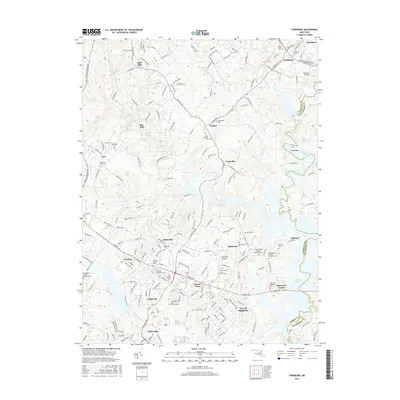 2016 Finksburg2016 Print · USGSCarroll County’s rolling hills and the sprawling waters of Liberty Lake characterize this region during the mid-2010s. Genealogists and local historians can trace dozens of family and institutional sites, from the Springfield State Hospital Cem to the Wesley Freedom Cem.
 - 2019 Map of Finksburg, 2019 Print
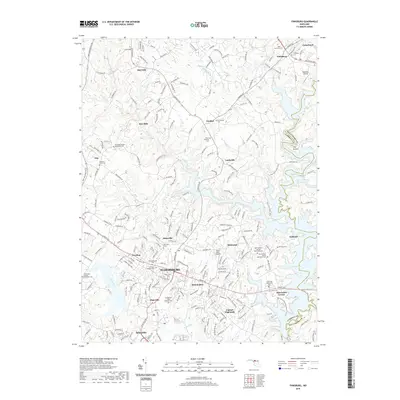 2019 Finksburg2019 Print · USGSSoutheast Carroll County comes into focus in this recent survey, where the sprawling fingers of Liberty Lake meet established towns. Genealogists and researchers can trace local roots through numerous sites like Springfield State Hospital Cem and Harmony Grove Cem.
 - 2023 Map of Finksburg, 2023 Print
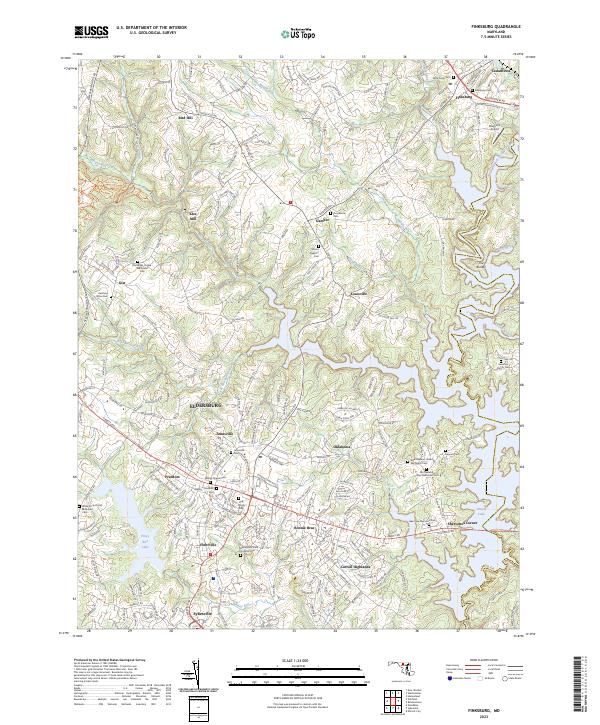 2023 Finksburg2023 Print · USGSThe Carroll County suburbs and Patapsco riverfront are shown here as they appeared in the early 2020s. Genealogists can trace dozens of local burial sites like Beth Jacob Cem, Springfield State Hospital Cem, and Harmony Grove Cem.
End of results
Showing maps 1-18 of 18
Top cities near Parkside
- Columbia historical maps
- Ellicott City historical maps
- Randallstown historical maps
- Owings Mills historical maps
- Eldersburg historical maps
- Milford Mill historical maps
See more
Frequently asked questions
- What are the different types of historical maps available for Parkside?
- What is the oldest map of Parkside?
- Where can I purchase historical maps of Parkside for my home or office?
- Where can I download high-res historical maps of Parkside?
- Are there historical topographic maps available for Parkside?
- Is there historical aerial imagery available for Parkside?
- Where are historical maps of Parkside sourced from?