Old Maps of Ashfield, Massachusetts for Hiking & Exploration
Hike through history with 65 historic maps of Ashfield. Explore old trails, ghost towns, and forgotten backroads — perfect for outdoor adventurers and local explorers.
- Rediscover forgotten places: Map out old mining camps, roads, and footpaths that no longer exist on modern maps.
- Layer with modern tools: Combine with LiDAR or satellite views to plan hikes through historical terrain.
- Made for exploration: Popular among hikers, overlanders, and local history lovers.
Use these maps to find adventure and explore the hidden past of Ashfield.
Ashfield, MA maps
(65)- 1886 Map of Hawley
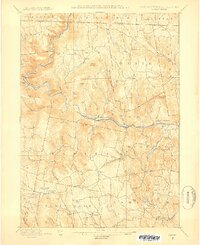 1886 Hawley1886 Print · USGSThe northern Berkshires and Vermont border are captured in the late 1800s as railroads began to pierce the highlands. Trace the engineering of the Hoosac Tunnel or locate old settlements like Monroe Bridge and Buckland Four Corners.
 - 1886 Map of Chesterfield
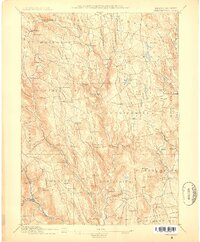 1886 Chesterfield1886 Print · USGSThe Hampshire Hills are captured here in the late nineteenth century, showing a network of upland hamlets and river-powered industry. Researchers can trace historic family locations along Ireland Street or locate the old Bisbee Mill and the Boston and Albany rail line.
 - 1888 Map of Chesterfield
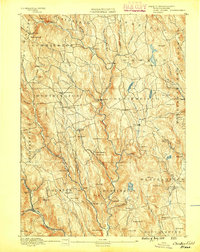 1888 Chesterfield1888 Print · USGSHampshire County in the late 1880s is shown here as a landscape of river-driven hamlets and upland farms. Genealogists can trace family holdings near rural crossroads like Ireland Street, Shack Street, and the riverside Bisbee Mill.
 - 1890 Map of Hawley
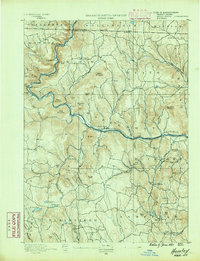 1890 Hawley1890 Print · USGSFranklin County and the Vermont borderlands are shown here in the 1880s as the railroad era transformed the Deerfield Valley. Trace the path of the Fitchburg Railroad through the Hoosac Tunnel or find old roads in Hawley and Ashfield.
 - 1890 Map of Greenfield
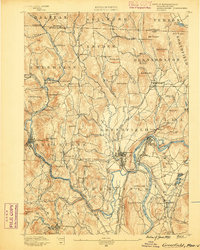 1890 Greenfield1890 Print · USGSFranklin County's industrial and rail corridors are captured in the late nineteenth century as the river valleys pulsed with water-powered manufacturing. Genealogists and historians can trace the foundations of Turners Falls, the layout of Lake Pleasant Camp Ground, and the rail connections at Conway Depot.
 - 1893 Map of Chesterfield
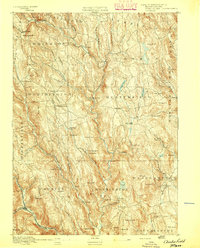 1893 Chesterfield1893 Print · USGSThe Hampshire County highlands are captured here in the late nineteenth century as a network of river-powered mill towns and mountain farmsteads. Local historians can trace early neighborhood clusters like Ireland Street and Shack Street or locate industrial sites like Risbee Mill.
 - 1894 Map of Greenfield
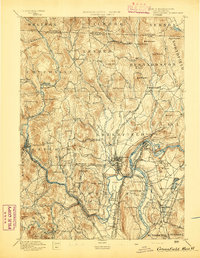 1894 Greenfield1894 Print · USGSFranklin County's industrial river valleys are captured here in the late 19th century as rail lines and water power drove local growth. Genealogists and historians can trace the foundations of Turner Falls, the transit hub at Cheapside, and the historic village of Deerfield.10 unique versions available
 - 1894 Map of Hawley
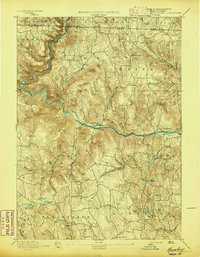 1894 Hawley1894 Print · USGSThe northern Berkshires in the late nineteenth century are defined by the Deerfield River and the legendary Hoosac Tunnel rail route. Researchers can trace old upland hamlets like Spruce Corner, locate riverside settlements such as Monroe Bridge, and study the early rail network through Zoar.8 unique versions available
 - 1895 Map of Chesterfield
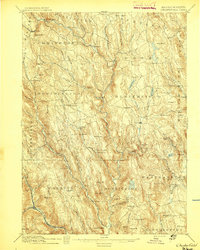 1895 Chesterfield1895 Print · USGSThe Hampshire County uplands in the late nineteenth century show a landscape of steep river valleys and small mill towns. Researchers can trace the early industrial footprint at Risbees Mill or locate family homesteads in hamlets like Ireland Street and Jordansville.8 unique versions available
 - 1896 Map of Holyoke
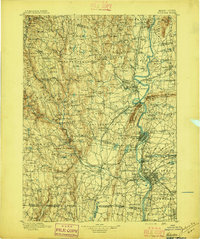 1896 Holyoke1896 Print · USGSThe Pioneer Valley and the eastern Berkshire foothills thrive in the 1890s as a complex network of industrial towns and upland farming communities. Historians can trace early infrastructure through the Bisbee Mill, the Agricultural College, and the prominent Ox Bow on the Connecticut River.
 - 1897 Map of Holyoke
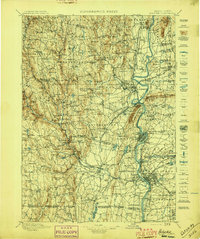 1897 Holyoke1897 Print · USGSThe Pioneer Valley and surrounding highlands thrive in the 1890s, caught here at the height of the region's industrial and agricultural development. Genealogists and historians can trace family roots through dozens of hill towns and river settlements, from Agricultural College in Amherst to the mills of Holyoke and the remote tracks of the Athol Br. R. R..
 - 1901 Map of Holyoke
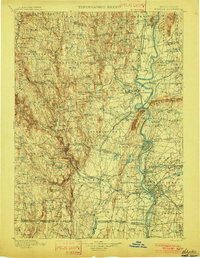 1901 Holyoke1901 Print · USGSThe Pioneer Valley and surrounding highlands thrive at the turn of the century, showing a landscape defined by mill towns and early rail networks. Genealogists and historians can trace old homesteads and local landmarks like Bisbee Mill, South Ferry, and the Agricultural College.4 unique versions available
 - 1937 Map of Shelburne Falls
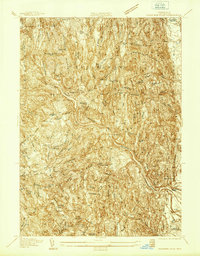 1937 Shelburne Falls1937 Print · USGSFranklin County's river valleys and ridgelines are captured here in the late thirties as the Mohawk Trail and the Boston and Maine Railroad shaped local commerce. Researchers can trace family sites like the Skinner Cem or locate the old Roberts Sch and Union Ch.
 - 1941 Map of Shelburne Falls
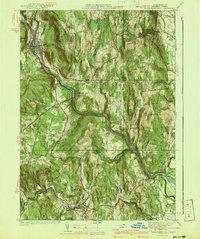 1941 Shelburne Falls1941 Print · USGSFranklin County's hill towns and river valleys are captured here during the early 1940s, showing the intersection of industry and rural life. Trace the path of the Mohawk Trail and find local landmarks such as Arms Cem, Union Ch, and the settlement of Burkville.3 unique versions available
 - 1943 Map of Holyoke
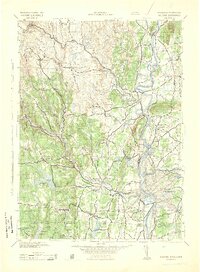 1943 Holyoke1943 Print · USGSThe Pioneer Valley and the eastern Berkshires are captured here in the early 1940s, showing a robust network of river-side industry and hill-country forests. Researchers can locate vanished landmarks and institutional grounds like Northampton State Hospital, Barnes Airport, and the Nat Gd Rifle Range.
 - 1943 Map of Brattleboro
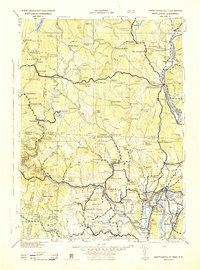 1943 Brattleboro1943 Print · USGSSouthern Vermont and the Massachusetts border area appear in this mid-century survey as a landscape of timbered peaks and river-connected villages. Genealogists can trace family roots through markers like Arms Cem or follow the rails at Dummerston Sta and Putney Sta.
 - 1943 Map of Ashfield
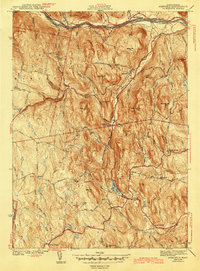 1943 Ashfield1943 Print · USGSFranklin County hill towns and the river valley are captured here just before the mid-century, showing a landscape of small hamlets and high ridges. Trace old family plots at Leavitt Cem or follow the historic Mohawk Trail and Ashfield Pond.2 unique versions available
 - 1947 Map of Plainfield
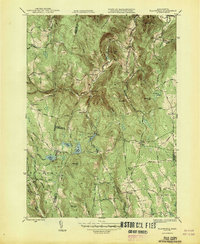 1947 Plainfield1947 Print · USGSThe Western Massachusetts hill towns are captured in the mid-1940s, showing a landscape of upland farms and mountain brooks. Researchers can trace family roots at Hilltop Cem or locate former schoolhouses like Bozrah Sch and North Sch.2 unique versions available
 - 1948 Map of Goshen
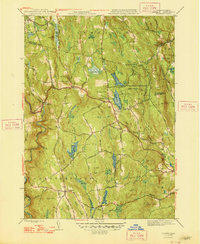 1948 Goshen1948 Print · USGSHampshire County at the height of the post-war era shows a landscape of deep-rooted hill towns and new state parklands. Genealogists and historians can trace the foundations of Chesterfield and Goshen, locating family landmarks such as Bagg Ledges and The Mount Cem.2 unique versions available
 - 1948 Map of Plainfield
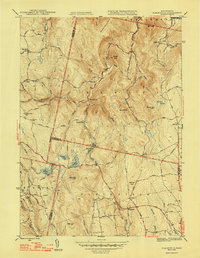 1948 Plainfield1948 Print · USGSThe hill towns of the Berkshires remained deeply rural just after the war, defined by high summits and small crossroads hamlets. Genealogists and hikers can trace old family burial grounds like Hilltop Cem, historic district schools such as Bozrah Sch, and the winding course of the Chickley River.2 unique versions available
 - 1948 Map of Albany, 1951 Print
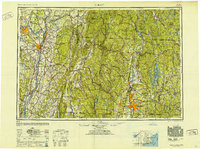 1948 Albany1951 Print · USGSThe Hudson and Connecticut River valleys are captured here in the late 1940s, showing the vital rail and water corridors of the Northeast. You can trace the Boston and Maine tracks past Mt Greylock or locate early settlements like Great Barrington and Bennington.
 - 1949 Map of Shelburne Falls
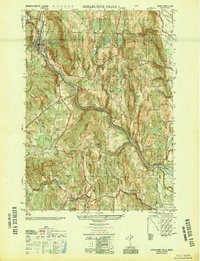 1949 Shelburne Falls1949 Print · USGSFranklin County's highland terrain and river valleys are shown here in the late Forties, when the village of Shelburne Falls served as a vital regional hub. Researchers can trace historic family burial sites like Pine Grove Cem and follow the route of the Boston and Maine Railroad.2 unique versions available
 - 1955 Map of Plainfield, 1956 Print
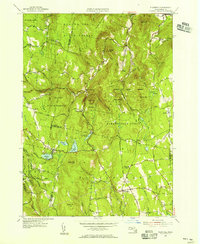 1955 Plainfield1956 Print · USGSThe northern Berkshires in the mid-1950s appear as a landscape of interconnected state forests and quiet upland hamlets. Researchers can trace family sites at Hilltop Cem, visit School No 7, or explore the terrain around Windsor Jambs and Hallockville.4 unique versions available
 - 1955 Map of Ashfield, 1956 Print
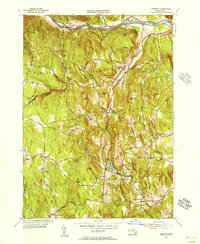 1955 Ashfield1956 Print · USGSThe hill towns of Franklin County appear here in the mid-fifties, showing a landscape shaped by the Berkshire foothills and the Deerfield River. Researchers can trace rural lineages through old village sites like Buckland Four Corners, remote cemeteries like Leavitt Cem, and named peaks such as Moonshine Hill.3 unique versions available
 - 1955 Map of Goshen, 1956 Print
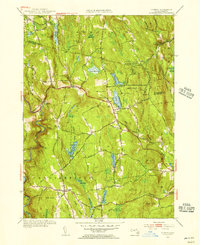 1955 Goshen1956 Print · USGSThe Berkshire foothills of Hampshire County are shown in the mid-1950s, a period of transition for these upland villages. Trace local genealogy and land history at Goshen Cem, the settlement of Lithia, and the camps around Highland Lakes.3 unique versions available
Showing maps 1-25 of 65
Top cities near Ashfield
- Northampton historical maps
- Greenfield historical maps
- South Hadley historical maps
- Easthampton historical maps
- Montague historical maps
- Hadley historical maps
See more
Top neighborhoods of Ashfield
- Baptist Corner historical maps
- South Ashfield historical maps
- Spruce Corner historical maps
- Watson historical maps
- Beldingville historical maps
Frequently asked questions
- What are the different types of historical maps available for Ashfield?
- What is the oldest map of Ashfield?
- Where can I purchase historical maps of Ashfield for my home or office?
- Where can I download high-res historical maps of Ashfield?
- Are there historical topographic maps available for Ashfield?
- Is there historical aerial imagery available for Ashfield?
- Where are historical maps of Ashfield sourced from?