Old Maps of Erving, Massachusetts for Academic Research
Study the evolution of Erving with 74 high-resolution historic maps. Whether you're teaching, researching, or modeling changes in land use, these maps provide essential visual documentation of urban, environmental, and geographic change.
- Analyze long-term change: Track patterns in development, transportation, and natural features.
- Ideal for environmental or urban studies: Support academic projects with primary historical map data.
- Use in the classroom or lab: Educators and researchers rely on these maps to bring historical context to life.
These maps are a powerful tool for teaching, research, and visualizing how Erving has changed over the decades.
Erving, MA maps
(74)- 1887 Map of Warwick
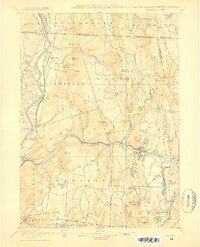 1887 Warwick1887 Print · USGSUpper Massachusetts and the New Hampshire border at the close of the nineteenth century reveal a landscape of river-powered industry and rail-connected villages. Researchers can trace the path of the Fitchburg R.R. through Millers Falls or locate early river crossings like Munns Ferry.
 - 1889 Map of Warwick
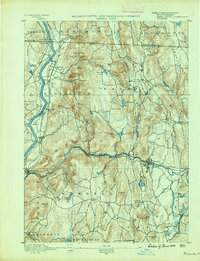 1889 Warwick1889 Print · USGSFranklin County in the late 1880s was defined by its busy rail junctions and river valleys. Genealogists and historians can trace the development of Orange and Northfield, or locate vanished rail stops like Gill Station and Wendell Depot along the Fitchburg Railroad.
 - 1890 Map of Greenfield
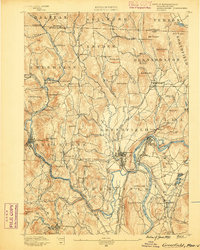 1890 Greenfield1890 Print · USGSFranklin County's industrial and rail corridors are captured in the late nineteenth century as the river valleys pulsed with water-powered manufacturing. Genealogists and historians can trace the foundations of Turners Falls, the layout of Lake Pleasant Camp Ground, and the rail connections at Conway Depot.
 - 1894 Map of Greenfield
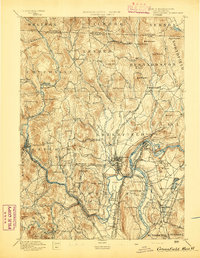 1894 Greenfield1894 Print · USGSFranklin County's industrial river valleys are captured here in the late 19th century as rail lines and water power drove local growth. Genealogists and historians can trace the foundations of Turner Falls, the transit hub at Cheapside, and the historic village of Deerfield.10 unique versions available
 - 1894 Map of Warwick
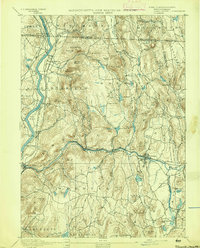 1894 Warwick1894 Print · USGSNorthern Massachusetts and New Hampshire borderlands are captured here in the late nineteenth century, showing a landscape shaped by the Millers River. Researchers can trace the path of the Central Vermont Railroad and find early settlements like Wendell Depot and Northfield.6 unique versions available
 - 1932 Map of Warwick
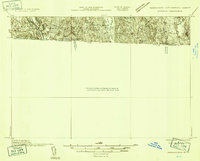 1932 Warwick1932 Print · USGSIn the early 1930s, the tri-state border region of Massachusetts, New Hampshire, and Vermont was a vital corridor of rail and river transit. Genealogists and researchers can trace the old rail lines of the Central Vermont Ry, locate the East Northfield Sta, or find family landmarks like Curtis Corners and Wheeler Fall.
 - 1935 Map of Warwick
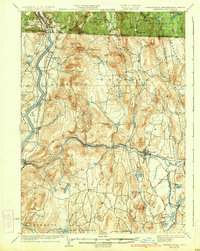 1935 Warwick1935 Print · USGSUpper Massachusetts and the Tri-State borderlands thrive during the mid-thirties as rail corridors and river valleys connect mountain villages. Researchers can trace the Central Vermont Ry through Northfield or locate family landmarks like Barrows Cem and Barber Sch.2 unique versions available
 - 1936 Map of Greenfield
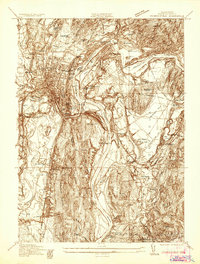 1936 Greenfield1936 Print · USGSFranklin County is captured in the mid-1930s as a thriving rail and river hub at the heart of the Pioneer Valley. Genealogists and local historians can trace family roots through the streets of Greenfield, locate the Swedish Cem, or find the C C C Camp No 1226.
 - 1936 Map of Millers Falls
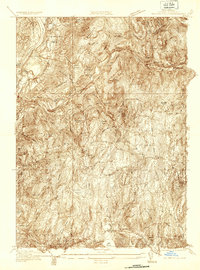 1936 Millers Falls1936 Print · USGSFranklin County's river valleys and rail corridors are captured here in the mid-1930s. Researchers can locate family homesteads near Northfield Farms Cem, trace the vanished Tyler City, or follow the historic Mohawk Trail.
 - 1936 Map of Northfield
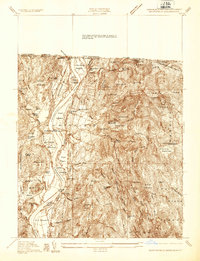 1936 Northfield1936 Print · USGSIn the mid-1930s, the Connecticut River valley at the tri-state border was a landscape of rail corridors and river crossings. Trace family roots at Coller Cem, locate the Deserted Village, or find old industrial sites like Warwick Mill.
 - 1937 Map of Orange
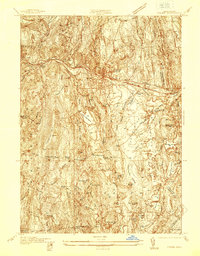 1937 Orange1937 Print · USGSThe Millers River valley and the Franklin-Worcester county line are captured here in the late thirties. Researchers can trace the Boston and Maine Railroad through Orange or locate family sites like Wilbur Cem and Morse Village Sch.
 - 1937 Map of Mt Grace
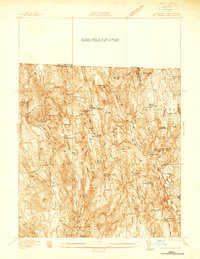 1937 Mt Grace1937 Print · USGSThe rural highlands of North-Central Massachusetts are captured here in the late 1930s before modern development. Researchers can trace family-named sites like Mayo Corners and Blissville, or locate early conservation landmarks like the CCC Camp and the Fire Tower on Mt Grace.
 - 1941 Map of Mt Grace
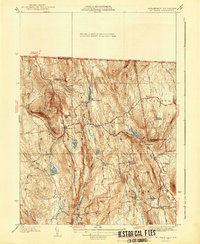 1941 Mt Grace1941 Print · USGSThe upland villages of northern Massachusetts are captured here in the early 1940s, showing a landscape defined by high ridges and small mill ponds. Local historians can trace family-named sites from the Fire Tower on Mt Grace to Baptist Corners and Blissville.2 unique versions available
 - 1941 Map of Greenfield
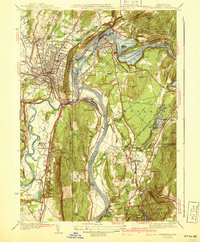 1941 Greenfield1941 Print · USGSFranklin County's river-driven industry and academic centers are on full display in this pre-war survey of the Pioneer Valley. Researchers can trace the rail networks and find local landmarks like Deerfield Academy, Lake Pleasant, and the High St Cem.3 unique versions available
 - 1941 Map of Millers Falls
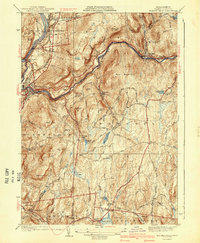 1941 Millers Falls1941 Print · USGSFranklin County's river valleys and upland hills are captured here in the years before the mid-century expansion. Genealogists can locate family names and rural landmarks such as Locks Village, the Northfield Farms Cem, and the Farley Sch.3 unique versions available
 - 1941 Map of Northfield
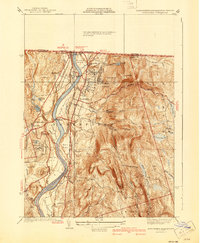 1941 Northfield1941 Print · USGSThe Connecticut River valley at the onset of the 1940s shows a landscape of busy rail lines and storied educational institutions. Genealogists and historians can trace Northfield landmarks like the Mt Hermon School, South Mtn Cem, and Schell Bridge.2 unique versions available
 - 1941 Map of Orange
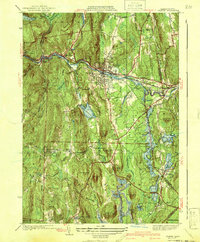 1941 Orange1941 Print · USGSFranklin County in the early 1940s reveals a transition from the industrial Millers River valley to the rural highlands above the Quabbin Reservoir. Local researchers can trace family landmarks like the Morse Village Sch, Jones Cem, and the old rail siding at Wendell Depot.3 unique versions available
 - 1942 Map of Keene
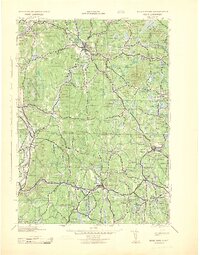 1942 Keene1942 Print · USGSCheshire County at the start of the war shows a landscape of busy river valleys and upland farms. You can trace the path of the Boston & Maine RR through towns like Westmoreland and find old district landmarks like Sch No 10 or the Rand Cem.
 - 1943 Map of Brattleboro
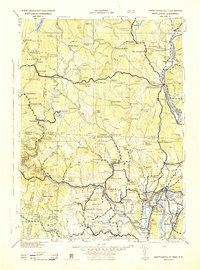 1943 Brattleboro1943 Print · USGSSouthern Vermont and the Massachusetts border area appear in this mid-century survey as a landscape of timbered peaks and river-connected villages. Genealogists can trace family roots through markers like Arms Cem or follow the rails at Dummerston Sta and Putney Sta.
 - 1945 Map of Mt Grace, 1958 Print
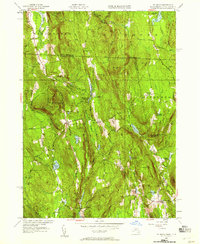 1945 Mt Grace1958 Print · USGSThe hills of the Massachusetts-New Hampshire border come alive in this mid-century survey of the Warwick and North Orange area. Researchers can trace old mountain paths like the Winchester Trail, locate family history at Newton Cem, and explore the industrial roots of Richards Mill Pond.
 - 1945 Map of Northfield, 1958 Print
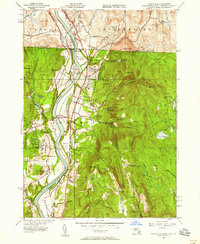 1945 Northfield1958 Print · USGSThe tri-state border region of Massachusetts, New Hampshire, and Vermont is shown here in the mid-1940s as a landscape of river-valley schools and railroads. Researchers can locate the Northfield Seminary, trace the Central Vermont Railway, or find family sites like Coller Cem and Sky Farm.2 unique versions available
 - 1946 Map of Northfield
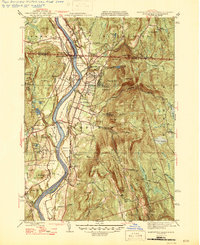 1946 Northfield1946 Print · USGSThe Connecticut River valley and the tri-state border region of Massachusetts, New Hampshire, and Vermont are captured here during the mid-forties. Researchers can trace the grounds of the Northfield Seminary, locate rural burial sites like South Mtn Cem, and follow the old rail lines serving Mt Hermon Sta.2 unique versions available
 - 1946 Map of Mt Grace
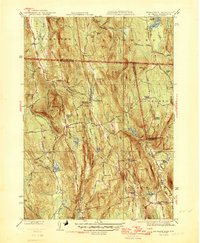 1946 Mt Grace1946 Print · USGSFranklin County and the New Hampshire borderlands are captured here in the mid-1940s, showing a landscape of upland ridges and old mill ponds. Genealogists can trace family holdings and local landmarks near Warwick, Mayo Corners, and the prominent Mt Grace.2 unique versions available
 - 1948 Map of Albany, 1951 Print
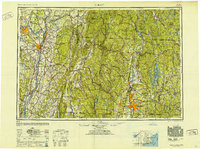 1948 Albany1951 Print · USGSThe Hudson and Connecticut River valleys are captured here in the late 1940s, showing the vital rail and water corridors of the Northeast. You can trace the Boston and Maine tracks past Mt Greylock or locate early settlements like Great Barrington and Bennington.
 - 1948 Map of Millers Falls, 1958 Print
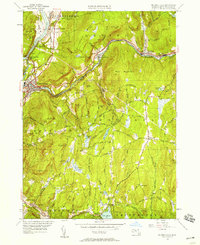 1948 Millers Falls1958 Print · USGSFranklin County's river valleys and rail junctions are shown here in the late 1940s as the regional economy hummed along the water. Researchers can trace historic family-named cemeteries like Gardner Cem or find the local Northfield Farms Sch and Locks Village Ch.
Showing maps 1-25 of 74
Top cities near Erving
- Amherst historical maps
- Greenfield historical maps
- Athol historical maps
- Montague historical maps
- Orange historical maps
- Brattleboro historical maps
See more
Top neighborhoods of Erving
Frequently asked questions
- What are the different types of historical maps available for Erving?
- What is the oldest map of Erving?
- Where can I purchase historical maps of Erving for my home or office?
- Where can I download high-res historical maps of Erving?
- Are there historical topographic maps available for Erving?
- Is there historical aerial imagery available for Erving?
- Where are historical maps of Erving sourced from?