Old Maps of Rice, Minnesota for Genealogy
Trace your family roots with 33 historic maps of Rice. These high-res maps reveal old neighborhoods, homesites, landmarks, and streets — helping you uncover where your ancestors lived and how the area evolved over time.
- Explore historic neighborhoods: Identify where your relatives may have lived in the 1800s or 1900s.
- Compare maps over time: Trace the changes in streets, buildings, and landmarks for multi-generational research.
- Perfect for genealogy & ancestry research: Used by family historians and researchers to map out lineage and migration.
These maps are an incredible resource for exploring your personal connection to Rice's past.
Rice, MN maps
(33)- 1948 Map of Pierz, 1967 Print
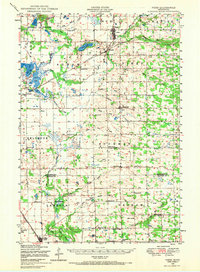 1948 Pierz1967 Print · USGSMorrison and Benton Counties in the late 1940s are characterized by a dense network of rail lines and rural school districts. Genealogists can trace family roots through numerous numbered schools, St Johns Church, and local landmarks like Rosemarks Store.
 - 1948 Map of Little Falls, 1973 Print
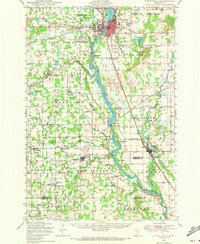 1948 Little Falls1973 Print · USGSMid-century Central Minnesota comes alive in this survey of the river valleys and rail towns north of St. Cloud. Genealogists can locate family landmarks like St Mary Church, Pike Creek Town Hall, and numerous rural schools from Bowlus to Royalton.
 - 1950 Map of Little Falls
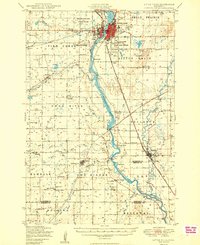 1950 Little Falls1950 Print · USGSMid-century Morrison County reveals a landscape of river-driven industry and rural township life along the Mississippi River. Genealogists can trace family roots through numerous sites like St Stan Kostka Cemetery, School No 54, and Pike Creek Town Hall.2 unique versions available
 - 1950 Map of Pierz
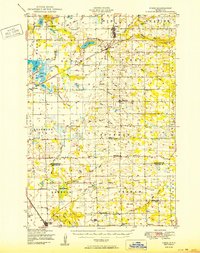 1950 Pierz1950 Print · USGSIn the mid-twentieth century, this central Minnesota region was a bustling network of small farming townships and rail-connected villages. Genealogists can trace family roots through dozens of local landmarks like St Johns Church, Rosemarks Store, and numerous rural schoolhouses.
 - 1950 Map of St. Cloud, 1952 Print
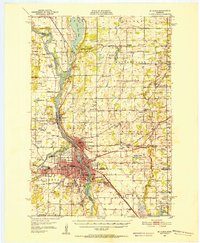 1950 St. Cloud1952 Print · USGSMid-century St. Cloud and its neighbors grew along the river as a hub of education, granite quarrying, and transport. Local researchers can locate the State Teachers College, the State Reformatory, and numerous rural schools like School No 5.3 unique versions available
 - 1953 Map of Saint Cloud, 1968 Print
 1953 Saint Cloud1968 Print · USGSCentral Minnesota's lake country and the Mississippi River valley are caught in a period of steady mid-century growth. Researchers can trace historic rail lines, old granite works, and local landmarks like St. Johns University, Camp Ripley, and the shores of Lake Minnewaska.3 unique versions available
 - 1957 Map of Saint Cloud
 1957 Saint Cloud1957 Print · USGSCentral Minnesota's lake country and rail corridors are meticulously detailed in the mid-1950s. Genealogists and researchers can trace the growth of towns like Alexandria, Willmar, and Saint Cloud along the Great Northern railroad line.
 - 1958 Map of Saint Cloud
 1958 Saint Cloud1958 Print · USGSCentral Minnesota in the mid-1950s shows a landscape of growing regional hubs and hundreds of glacial lakes connected by an extensive rail network. Genealogists and historians can trace the early footprints of Saint Cloud, Alexandria, and Willmar along the Great Northern Railway.
 - 1965 Map of St Stephen, 1966 Print
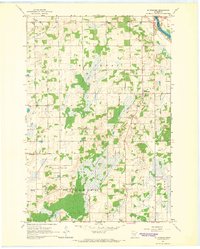 1965 St Stephen1966 Print · USGSStearns County townships like Brockway and St Wendel are shown here in the mid-sixties as the rural school system remained highly localized. Genealogists can trace family footprints near Mt Carmel Cem or identify the specific district buildings like School No 1920 and School No 1915.2 unique versions available
 - 1974 Map of Little Rock Lake, 1976 Print
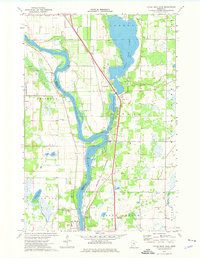 1974 Little Rock Lake1976 Print · USGSBenton and Stearns County river life in the mid-seventies centers on the winding Mississippi River and the shores of Little Rock Lake. Researchers can trace early transportation and industry through the Burlington Northern line and local landmarks like Rice Cem and Watab.3 unique versions available
 - 1978 Map of Royalton
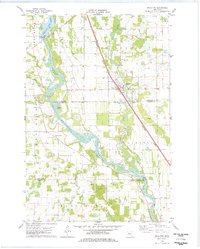 1978 Royalton1978 Print · USGSThe Mississippi and Platte rivers converge in this late 1970s survey of central Minnesota, capturing the rail-and-river economy of the day. Genealogists can trace local roots at Holy Trinity Cem and Royalton Cem, or locate family landmarks near North Prairie and Blanchard Dam.
 - 1978 Map of Rice
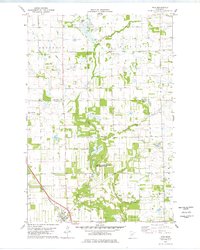 1978 Rice1978 Print · USGSBenton County in the late seventies is captured here as a landscape of rural townships and winding waterways. Researchers can trace the Burlington Northern rail line through Rice, locate Skounter Hill, or explore the Sartell Swamp wetlands.
 - 1986 Map of St. Cloud
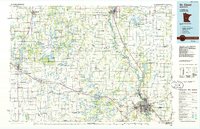 1986 St. Cloud1986 Print · USGSCentral Minnesota in the mid-1980s reveals a landscape where river industry and growing highway corridors meet traditional farming communities. Researchers can trace the layout of small-town landmarks like St Wendel Ch and St Anna Cem or follow the path of the Sauk River as it winds toward the Mississippi.2 unique versions available
 - 2010 Map of Little Rock Lake, 2010 Print
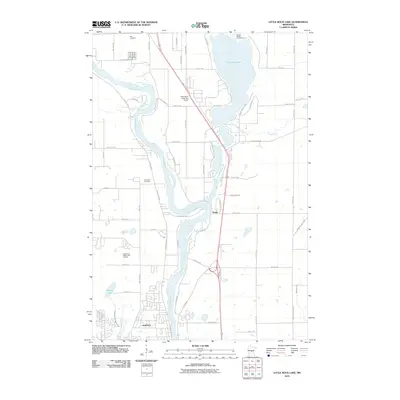 2010 Little Rock Lake2010 Print · USGSUpper Mississippi River life and the shores of Little Rock Lake are documented here in the early twenty-first century. Genealogists and local historians can trace family locations near Rice Cemetery and Brockway Cemetery or examine the small settlement of Watab.
 - 2010 Map of Royalton, 2010 Print
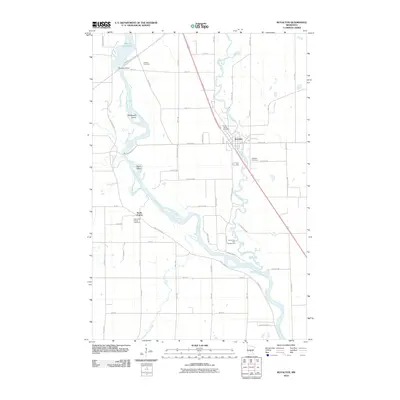 2010 Royalton2010 Print · USGSThe riverfront communities of central Minnesota are captured here in the early twenty-first century, centered on the confluence of the Mississippi and Platte rivers. Genealogists and local historians can trace burial sites at Pioneer Cemetery or Holy Cross Church Cemetery and locate river landmarks like Blanchard Dam.
 - 2010 Map of Rice, 2010 Print
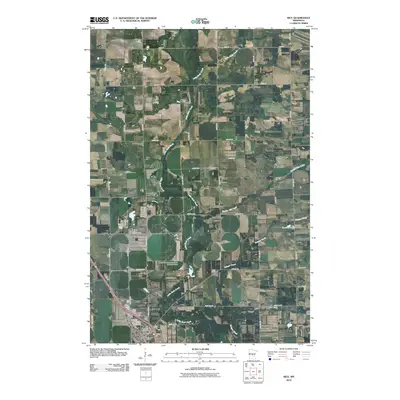 2010 Rice2010 Print · USGSRice and the surrounding rural townships are captured in detail during the early 2010s. Genealogists and local historians can trace family locations near the Immaculate Conception Cemetery and follow the paths of Little Rock Creek and Zuleger Creek.
 - 2010 Map of Saint Stephen, 2010 Print
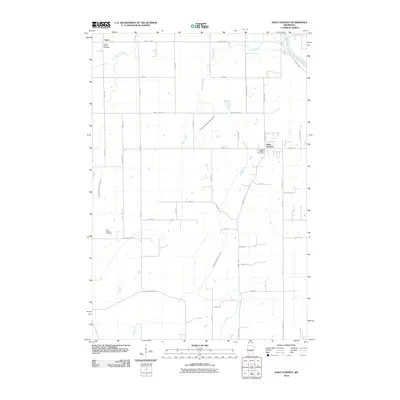 2010 Saint Stephen2010 Print · USGSThe rural landscapes of Stearns County are captured in this 2010 survey of the area surrounding Saint Stephen. Genealogists can trace family roots at Saint Stephni Cemetery, Mount Carmel Cemetery, or along the banks of the Mississippi River.
 - 2013 Map of Rice, 2013 Print
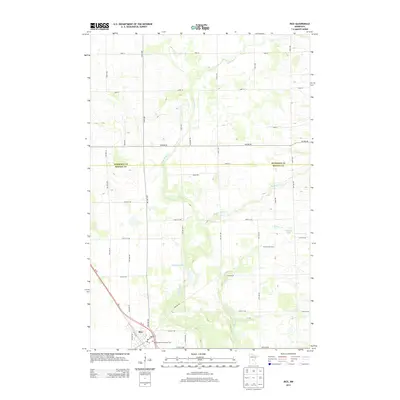 2013 Rice2013 Print · USGSThe rural landscape surrounding Rice is captured here in the early twenty-first century as agricultural life continues along the county line. Researchers can trace local landmarks like Inmaculate Conception Cem or follow the waters of Little Rock Creek and Graham Lake.
 - 2013 Map of Saint Stephen, 2013 Print
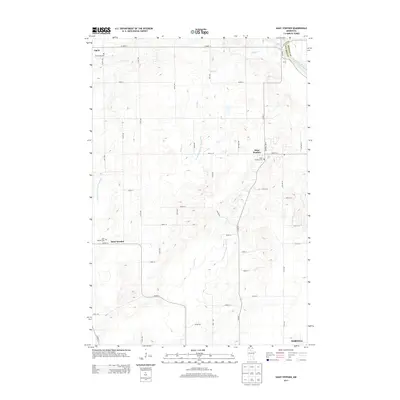 2013 Saint Stephen2013 Print · USGSSaint Stephen and the rural townships of Stearns County are shown here in the early twenty-first century as agricultural traditions meet modern growth. Genealogists and local historians can locate family sites like Mt Carmel Cem and trace the paths of Spunk Cr and Stony Cr.
 - 2013 Map of Little Rock Lake, 2013 Print
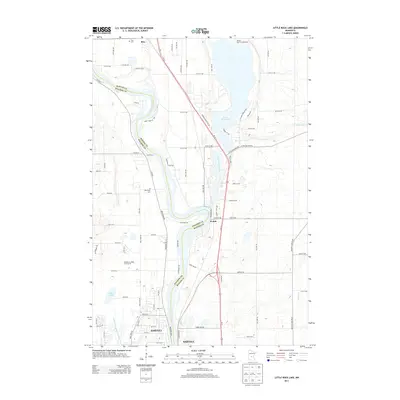 2013 Little Rock Lake2013 Print · USGSThe Mississippi River corridor between Sartell and Rice is captured here in the early twenty-first century as suburban growth meets rural lakefront. Genealogists and local historians can locate Rice Cem and Brockway Cem, or trace the winding course of Little Rock Creek toward the shores of Little Rock Lake.
 - 2013 Map of Royalton, 2013 Print
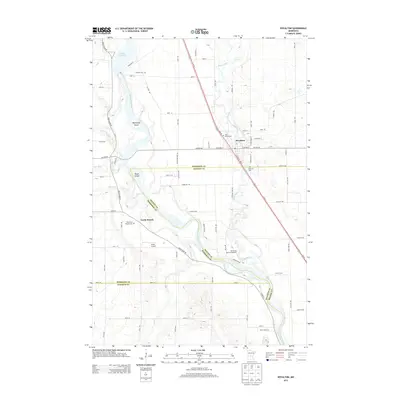 2013 Royalton2013 Print · USGSRoyalton and the surrounding riverlands are captured in detail during the early twenty-first century as agricultural and water-borne interests converge. Genealogists can trace family sites at Pioneer Cem or locate rural landmarks like Fussy Airport and North Prairie.
 - 2016 Map of Saint Stephen, 2016 Print
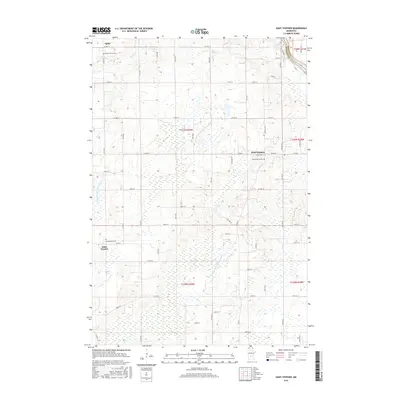 2016 Saint Stephen2016 Print · USGSStearns County townships were deeply established as rural agricultural centers by the mid-2010s, defined by a network of drainage ditches and family cemeteries. Genealogists can trace local heritage through sites like Mount Carmel Cem near Opole or Saint Stephni Cem in Saint Stephen.
 - 2016 Map of Little Rock Lake, 2016 Print
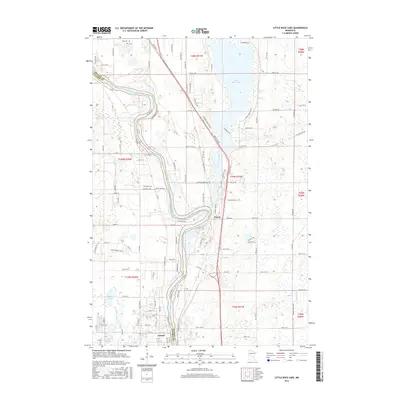 2016 Little Rock Lake2016 Print · USGSThe Mississippi River valley north of Sartell is documented here in the mid-2010s, showcasing the water-rich landscape of Benton and Stearns counties. Genealogists and local historians can locate Brockway Cem and Rice Cem or trace the drainage of Little Rock Lake.
 - 2016 Map of Royalton, 2016 Print
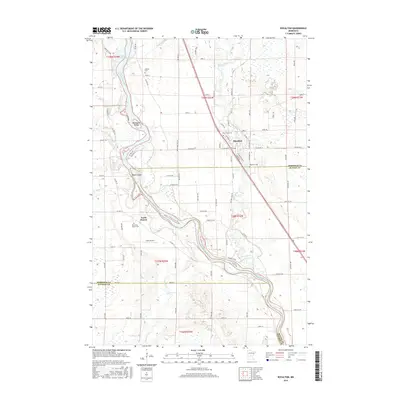 2016 Royalton2016 Print · USGSThe confluence of the Mississippi and Platte Rivers defines this central Minnesota landscape in 2016. Genealogists and local historians can trace family ties at the Holy Cross Church Cem, locate the Fussy Airport, or explore the settlement of North Prairie.
 - 2016 Map of Rice, 2016 Print
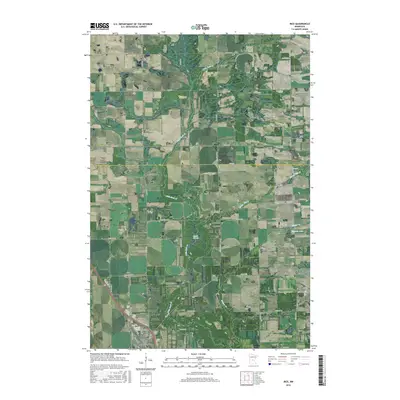 2016 Rice2016 Print · USGSBenton and Morrison counties come together in the mid-2010s at the town of Rice, a community shaped by the BNSF Railway. Researchers can trace local heritage at Immaculate Conception Cem or follow the waters of Graham Lake and Sartell Swamp.
Showing maps 1-25 of 33
Top cities near Rice
- St. Cloud historical maps
- Saint Cloud historical maps
- Sauk Rapids historical maps
- Sartell historical maps
- Little Falls historical maps
- Waite Park historical maps
See more
Frequently asked questions
- What are the different types of historical maps available for Rice?
- What is the oldest map of Rice?
- Where can I purchase historical maps of Rice for my home or office?
- Where can I download high-res historical maps of Rice?
- Are there historical topographic maps available for Rice?
- Is there historical aerial imagery available for Rice?
- Where are historical maps of Rice sourced from?