Old Maps of Camden Township, Minnesota for Academic Research
Study the evolution of Camden Township with 34 high-resolution historic maps. Whether you're teaching, researching, or modeling changes in land use, these maps provide essential visual documentation of urban, environmental, and geographic change.
- Analyze long-term change: Track patterns in development, transportation, and natural features.
- Ideal for environmental or urban studies: Support academic projects with primary historical map data.
- Use in the classroom or lab: Educators and researchers rely on these maps to bring historical context to life.
These maps are a powerful tool for teaching, research, and visualizing how Camden Township has changed over the decades.
Camden Township, MN maps
(34)- 1953 Map of Saint Paul, 1964 Print
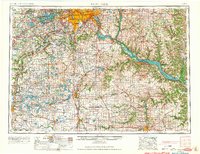 1953 Saint Paul1964 Print · USGSThe Twin Cities and the Mississippi River valley are captured here at a mid-century turning point. Trace the early growth of Minneapolis and Saint Paul alongside landmarks like Lake Minnetonka and the St Croix River.4 unique versions available
 - 1953 Map of New Ulm, 1968 Print
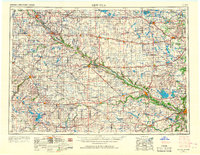 1953 New Ulm1968 Print · USGSSouthern Minnesota in the mid-1950s is defined by its deep river valleys and the expanding reach of the Great Northern and Chicago and North Western railroads. Researchers can trace rural lineages through landmarks like the Milford State Monument, St. John's Ch, and the Upper Sioux Indian Res.3 unique versions available
 - 1957 Map of New Ulm
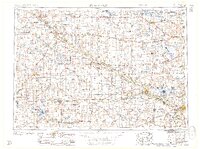 1957 New Ulm1957 Print · USGSCentral Minnesota in the mid-fifties remains a landscape of river-valley commerce and prairie agriculture defined by its historic mission sites and rail towns. Genealogists and local historians can trace the development of New Ulm and Montevideo, or locate specific landmarks like the Milford State Monument and Minnesota Falls.
 - 1957 Map of Waconia, 1959 Print
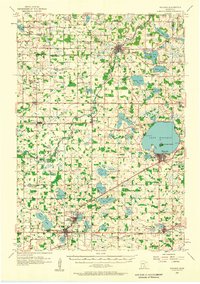 1957 Waconia1959 Print · USGSCarver County and parts of Wright County are captured in the late fifties, showing a rural landscape in transition. Genealogists can trace family roots through numerous small schools and cemeteries, including St Mark Cem, Oakland Cem, and the Hydes Lake Sch.2 unique versions available
 - 1958 Map of New Ulm
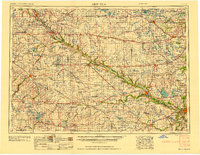 1958 New Ulm1958 Print · USGSSouth-central Minnesota’s river valleys and prairie towns are captured here in the mid-fifties, during the height of the region's rail-and-river economy. Genealogists and historians can trace the legacy of the Upper Sioux Indian Mission or locate early rail stops along the Chicago and North Western Ry in towns like Redwood Falls and Glencoe.
 - 1958 Map of Glencoe, 1959 Print
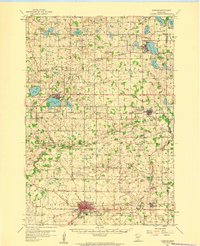 1958 Glencoe1959 Print · USGSMcLeod County is shown here in the late fifties as a bustling agricultural and rail corridor. Genealogists and local historians can locate early schools and burial sites like Baker School, the Bohemian Cemetery, and St. Johns School and Church.
 - 1959 Map of Saint Paul
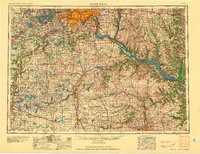 1959 Saint Paul1959 Print · USGSThe Twin Cities and southeastern Minnesota appear here in the late fifties, showing the peak of the rail era and post-war suburban growth. Genealogists can trace family footprints near Lake Minnetonka, the Univ Of Minn Rosemount Research Center, or the growing neighborhoods of Richfield.2 unique versions available
 - 1967 Map of New Ulm
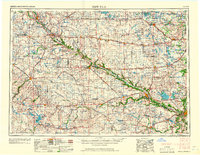 1967 New Ulm1967 Print · USGSSouthern Minnesota in the mid-fifties is captured here as a landscape of river-valley missions and busy prairie rail towns. Researchers can trace the Yellow Medicine Trail and locate historic sites like the Morton Indian Mission and Milford State Monument.
 - 1981 Map of Mayer
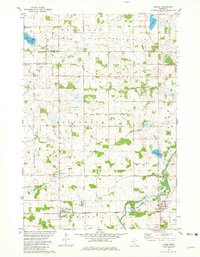 1981 Mayer1981 Print · USGSCarver and Wright counties are shown here in the early eighties as a landscape of established rail corridors and river-bound townships. Genealogists and local historians can locate St Mark Cem, trace the Burlington Northern line, and find the Ziermann Landing Strip near Mayer.
 - 1981 Map of Norwood, 1982 Print
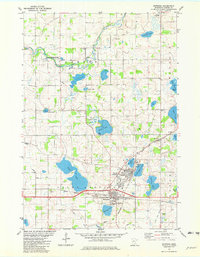 1981 Norwood1982 Print · USGSThe neighboring towns of Young America and Norwood are captured in the early eighties as separate centers tied by rail. Genealogists and historians can trace local family landmarks through Forest Hills Cem, Tiger Lake, and the crossing of two major railroads.
 - 1982 Map of Plato
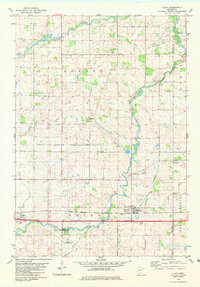 1982 Plato1982 Print · USGSMcLeod County farming and rail transport are captured here in the early eighties as the rail line serves the grain elevators of Plato. Genealogists and historians can locate rural landmarks like St Paul Cem, the Swedish Ch, and the Glencoe Municipal Airfield.
 - 1982 Map of Winsted, 1983 Print
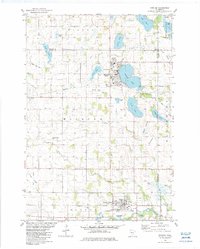 1982 Winsted1983 Print · USGSDuring the early 1980s, this area of McLeod and Wright counties maintained its strong rural identity along the Crow River South Fork. Genealogists and local historians can trace family roots through Holy Trinity Cem, Swedish Cem, and the old rail corridor of the Luce Line State Recreational Trail.
 - 1985 Map of Saint Paul
 1985 Saint Paul1985 Print · USGSThe Twin Cities metropolitan area and its southern suburbs are captured here in the mid-eighties as the urban landscape expanded toward the Minnesota River. Researchers can trace the layout of the Fort Snelling Military Reservation, find local landmarks like St Benedict Church, and study the rail routes of the Soo Line.2 unique versions available
 - 1986 Map of Glencoe
 1986 Glencoe1986 Print · USGSThe south-central Minnesota prairie and its glacial lake basins are captured here in the mid-1980s, showcasing a landscape of intensive farming and conservation. Genealogists can locate family-named landmarks and trace the rail lines of the Soo Line and Chicago and North Western through towns like Gaylord, Olivia, and Hutchinson.2 unique versions available
 - 2010 Map of Winsted, 2010 Print
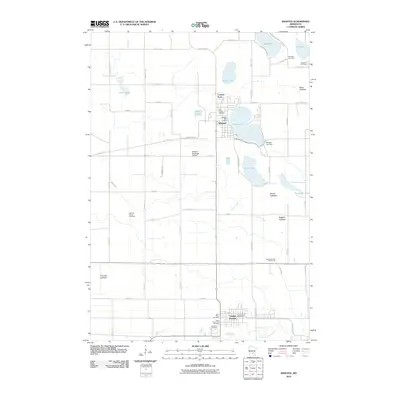 2010 Winsted2010 Print · USGSMcLeod County farmland at the start of the 2010s shows a landscape of productive fields interspersed with numerous historic lakebeds. Genealogists can locate several family and community burial sites, including Nylunda Cemetery, Old Holy Trinity Cemetery, and Saint Peter Cemetery.
 - 2010 Map of Plato, 2010 Print
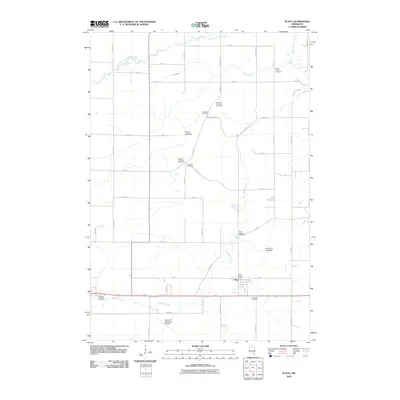 2010 Plato2010 Print · USGSPlato and the surrounding McLeod County townships are captured here during a period of modern agricultural stability. Researchers can locate numerous family and parish landmarks, such as Bergan Township Cemetery, Saint Johns Cemetery, and the Plato Post Office.
 - 2010 Map of Mayer, 2010 Print
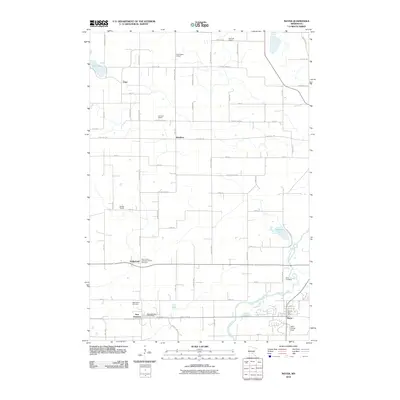 2010 Mayer2010 Print · USGSCarver County’s agricultural landscape is documented here in the early twenty-first century, showing the enduring layout of prairie towns and river valleys. Researchers can locate several historic rural school sites like Connally School and trace the path of the Luce Line Trl.
 - 2010 Map of Norwood, 2010 Print
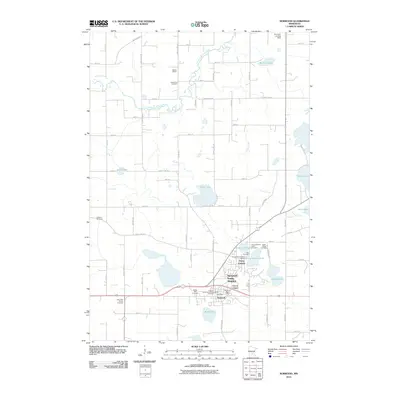 2010 Norwood2010 Print · USGSThe community of Norwood Young America is captured here during a period of local growth amidst its traditional lake-dotted landscape. Researchers can trace numerous family and parish sites, from the Crow River Cemetery to the historic Mielke School and Faxon Court.
 - 2013 Map of Plato, 2013 Print
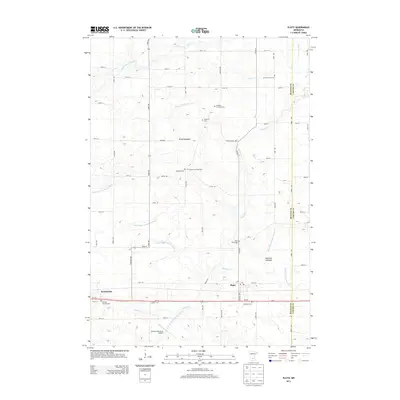 2013 Plato2013 Print · USGSMcLeod and Carver counties appear here in the early twenty-first century, showing a landscape defined by agriculture and water management. Local historians can trace early settlement through sites like Swedish Lutheran Cem and Plato, or explore the drained basins of Brush Lakebed.
 - 2013 Map of Winsted, 2013 Print
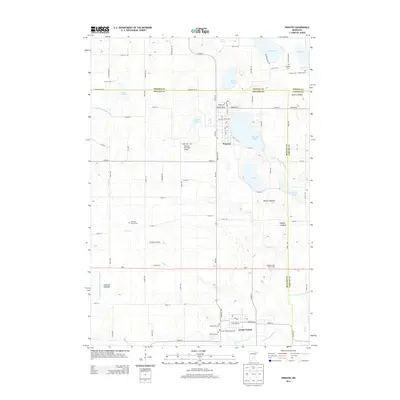 2013 Winsted2013 Print · USGSThe rural landscape of eastern McLeod County comes into focus in this recent survey, showing the agricultural plains surrounding Winsted and Lester Prairie. Genealogists can locate several local burial sites, including Holy Trinity Cem and Nylunda Cem near the Wright County line.
 - 2013 Map of Norwood, 2013 Print
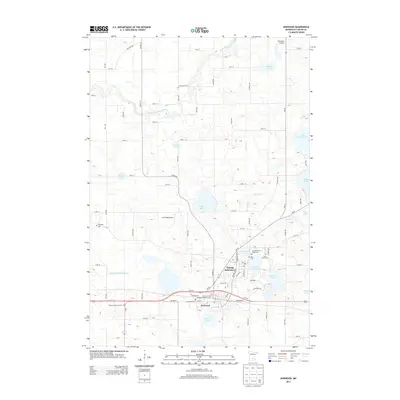 2013 Norwood2013 Print · USGSNorwood and Young America are shown as they grew together in the early twenty-first century, anchored by the rail corridor and a series of glacial lakes. Local historians can trace numerous family sites at Crow River Cem, Reformed Church Cem, and Ferguson Cem.
 - 2013 Map of Mayer, 2013 Print
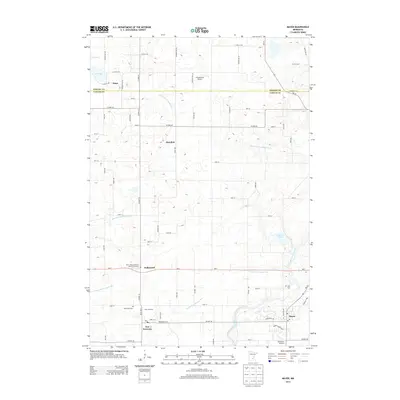 2013 Mayer2013 Print · USGSCarver County’s agricultural heartland is documented here in the early twenty-first century, showing the enduring layout of rural communities and drainage systems. Genealogists and local historians can trace family sites near New Germany, Mayer, and the Saint Mark Cem.
 - 2016 Map of Mayer, 2016 Print
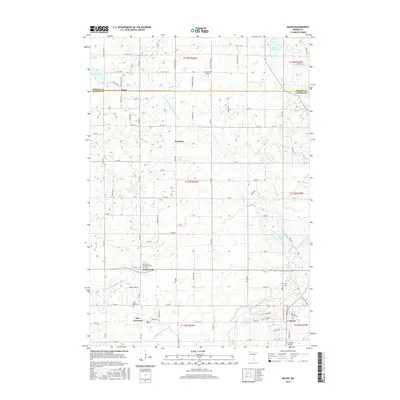 2016 Mayer2016 Print · USGSThe rural landscape between New Germany and Mayer is captured here in the mid-2010s, showing a well-established network of farmsteads and managed waterways. Genealogists can trace local roots at Saint Mark Cem, Zion Cem, and Saint John's Lutheran Church.
 - 2016 Map of Norwood, 2016 Print
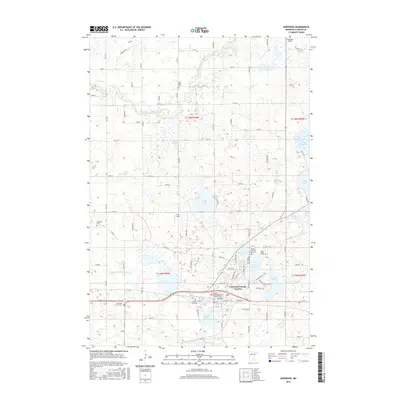 2016 Norwood2016 Print · USGSCarver County settlement patterns and glacial geography are on full display in this mid-2010s survey of Norwood Young America. Researchers can trace local genealogy through numerous sites like Saint Johns Cem, Ferguson Cem, and the Reformed Church Cem.
 - 2016 Map of Winsted, 2016 Print
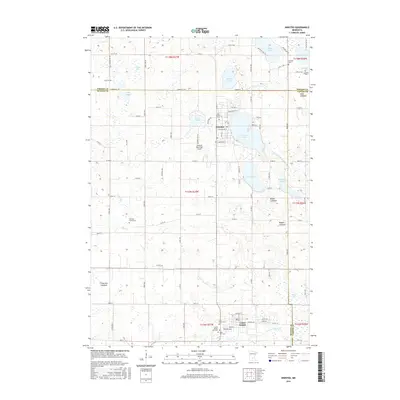 2016 Winsted2016 Print · USGSThe agricultural plains of McLeod County are shown here in the mid-2010s, centered on the lakes and parishes of Winsted. Genealogists can trace family heritage across numerous local burial sites like Nylunda Cem and the Lester Prairie City Cem.
Showing maps 1-25 of 34
Top cities near Camden Township
- Waconia historical maps
- Minnetrista historical maps
- Glencoe historical maps
- Delano historical maps
- Belle Plaine historical maps
- Watertown historical maps
See more
Frequently asked questions
- What are the different types of historical maps available for Camden Township?
- What is the oldest map of Camden Township?
- Where can I purchase historical maps of Camden Township for my home or office?
- Where can I download high-res historical maps of Camden Township?
- Are there historical topographic maps available for Camden Township?
- Is there historical aerial imagery available for Camden Township?
- Where are historical maps of Camden Township sourced from?