Old Maps of Dakota County, Minnesota for Genealogy
Trace your family roots with 155 historic maps of Dakota County. These high-res maps reveal old neighborhoods, homesites, landmarks, and streets — helping you uncover where your ancestors lived and how the area evolved over time.
- Explore historic neighborhoods: Identify where your relatives may have lived in the 1800s or 1900s.
- Compare maps over time: Trace the changes in streets, buildings, and landmarks for multi-generational research.
- Perfect for genealogy & ancestry research: Used by family historians and researchers to map out lineage and migration.
These maps are an incredible resource for exploring your personal connection to Dakota County's past.
Dakota County, MN maps
(155)- 1896 Map of Minneapolis
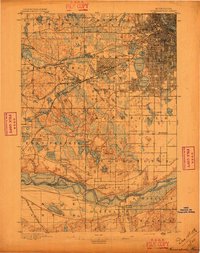 1896 Minneapolis1896 Print · USGSHennepin County and the Minnesota River valley appear here in the mid-1890s, when the region was a mix of lakeside retreats and rail-side settlements. Genealogists and local historians can locate early landmarks like Edina Mills, the Washburn Home, and the Bloomington Ferry crossing.
 - 1896 Map of St. Paul
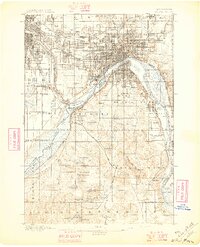 1896 St. Paul1896 Print · USGSSt. Paul and the surrounding river townships are captured in the mid-1890s during a period of massive railroad and urban expansion. Genealogists and historians can trace the early footprints of Mendota, South St. Paul, and St. Anthony Park along with the grounds of Fort Snelling.11 unique versions available
 - 1901 Map of Minneapolis
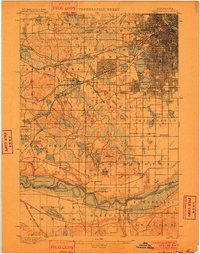 1901 Minneapolis1901 Print · USGSThe Twin Cities suburbs begin to take shape in the late nineteenth century as rail lines weave through lake-studded prairies. Trace the origins of local industry and transit at Edina Mills, the Bloomington Ferry, and the St. Louis Park rail junction.8 unique versions available
 - 1944 Map of Red Wing
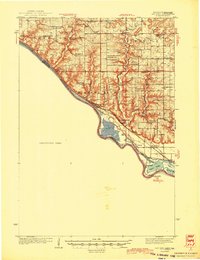 1944 Red Wing1944 Print · USGSThe Wisconsin side of the Mississippi River valley is shown here just before the mid-century, where rail and river networks met. Genealogists can locate family-named landmarks and rural hubs like Moeville, Hager City, and St Marys Sch.2 unique versions available
 - 1946 Map of Hudson, 1954 Print
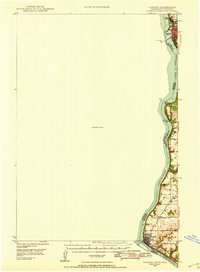 1946 Hudson1954 Print · USGSThe riverfront communities of the St. Croix Valley are captured here just after the war, showing the distinct border towns of Wisconsin. Genealogists and local historians can trace the streets and benchmarks of Hudson, North Hudson, and Prescott.
 - 1949 Map of Hudson
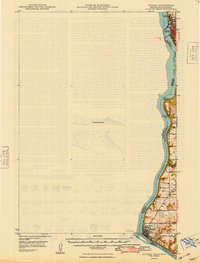 1949 Hudson1949 Print · USGSThe riverfront communities of St. Croix and Pierce counties are captured here in the late 1940s as the rail-and-river economy flourished. Genealogists and historians can trace the paths of the Chicago St Paul Minneapolis and Omaha line through Hudson and down to the river junction at Prescott.
 - 1950 Map of St Paul Park, 1962 Print
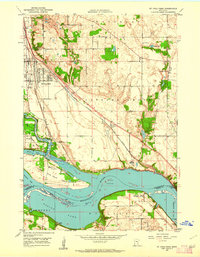 1950 St Paul Park1962 Print · USGSThe Mississippi River valley south of St. Paul is captured here at mid-century, showing the rail-dependent corridor between Newport and Nininger. Researchers can trace the legacy of local families through the Cottage Grove Cem and Sunny Hill Sch.
 - 1951 Map of St Paul Park
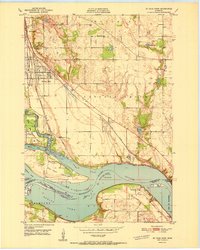 1951 St Paul Park1951 Print · USGSSoutheast of the Twin Cities in the early 1950s, the river and rail lines dictated the growth of towns along the Mississippi. Researchers can trace family sites at Grey Cloud Cem, follow the rail junction at Langdon, or locate the historic riverfront settlement of Nininger.2 unique versions available
 - 1951 Map of Prescott
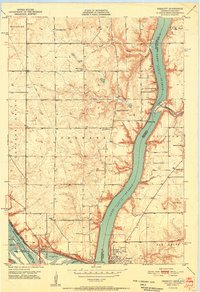 1951 Prescott1951 Print · USGSThe river confluence at the Minnesota-Wisconsin border in the early fifties shows a landscape of busy waterways and rural school districts. Genealogists can locate family landmarks like the Johnson Cem and Barkley Sch near the Kinnickinnic River bluffs.4 unique versions available
 - 1951 Map of St. Paul West, 1953 Print
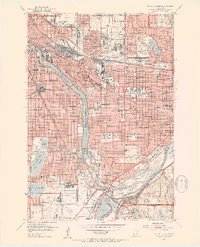 1951 St. Paul West1953 Print · USGSThe Twin Cities riverfront and academic centers are captured here just after the war, showing the industrial and institutional expansion of the era. Genealogists and researchers can locate family plots in Roselawn Cemetery or trace the early runways of Wold-Chamberlain Airport.2 unique versions available
 - 1951 Map of Inver Grove, 1953 Print
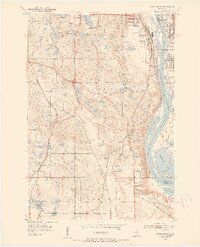 1951 Inver Grove1953 Print · USGSThe Mississippi River valley south of St. Paul is documented here just as the post-war era began reshaping the Dakota County countryside. Researchers can trace the legacy of local education and faith at Rosemount Sch, St Patrick Cem, and the historic Pine Bend settlement.3 unique versions available
 - 1951 Map of St. Paul SW, 1953 Print
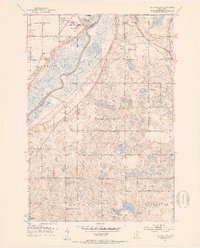 1951 St. Paul SW1953 Print · USGSThe Minnesota River valley south of the Twin Cities appears in the early fifties as a landscape of rural townships and river wetlands. Genealogists and local historians can trace the foundations of Richfield and Nicols or locate early landmarks like St Johns Cem and Pilot Knob.3 unique versions available
 - 1951 Map of St. Paul East, 1953 Print
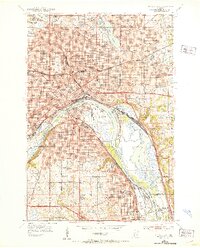 1951 St. Paul East1953 Print · USGSSaint Paul during the early fifties reveals a thriving river-and-rail hub anchored by the State Capitol and a dense network of neighborhoods. Researchers can trace the mid-century city layout, from institutional landmarks like Gillette State Hospital to the industrial Stock Yards and Holman Airport.2 unique versions available
 - 1951 Map of St. Paul, 1959 Print
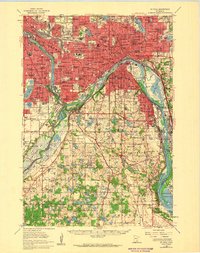 1951 St. Paul1959 Print · USGSThe Twin Cities region during the post-war boom shows the rapid growth of St Paul and Minneapolis toward their southern suburbs. Genealogists and historians can trace numerous rural landmarks like School No 73, Roselawn Cemetery, and the St Johns Cem before suburban sprawl fully arrived.2 unique versions available
 - 1952 Map of Red Wing, 1954 Print
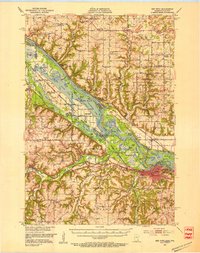 1952 Red Wing1954 Print · USGSRed Wing and the Mississippi River valley are shown here in the early fifties, a time when rail lines and river sloughs defined local geography. Genealogists can trace family names at the Vasa Childrens Home School No 3, St Johns Cem, and the Prairie Island Indian Reservation.3 unique versions available
 - 1953 Map of Saint Paul, 1964 Print
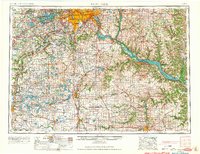 1953 Saint Paul1964 Print · USGSThe Twin Cities and the Mississippi River valley are captured here at a mid-century turning point. Trace the early growth of Minneapolis and Saint Paul alongside landmarks like Lake Minnetonka and the St Croix River.4 unique versions available
 - 1954 Map of Bloomington, 1956 Print
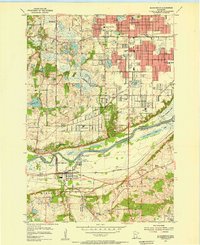 1954 Bloomington1956 Print · USGSThe Minnesota River valley in the mid-fifties is captured at the moment of its suburban expansion south of the Twin Cities. Genealogists and local historians can trace family sites from Savage to Oxboro, locating landmarks like Port Cargill and the Bloomington Ferry Ch.2 unique versions available
 - 1954 Map of Minneapolis, 1959 Print
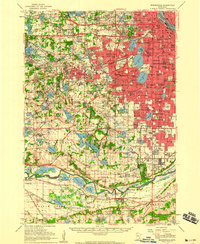 1954 Minneapolis1959 Print · USGSThe Twin Cities suburbs were in the midst of a post-war transformation during the early fifties as the urban grid expanded into the surrounding lake country. Researchers can find many lost local landmarks, from the Glen Lake Sanatorium and Flying Cloud Airport to the rural Eden Prairie Ch and Bloomington Cem.
 - 1957 Map of Farmington, 1958 Print
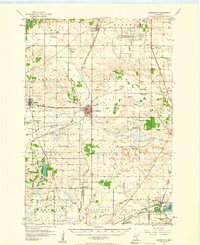 1957 Farmington1958 Print · USGSDakota County in the late fifties shows a landscape of busy rail junctions and transitioning rural schools. You can trace family roots through sites like Christiania Church or locate vanished landmarks like Southport Landing Field and School No 55.2 unique versions available
 - 1957 Map of Prior Lake, 1958 Print
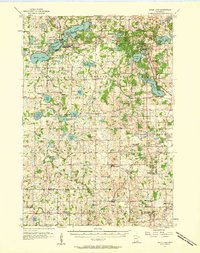 1957 Prior Lake1958 Print · USGSScott and Rice Counties appear here in the late 1950s, showing a region defined by its numerous glacial lakes and small farming hamlets. Genealogists and researchers can trace rural school locations and historic churches such as St Catherine Ch, Elko, and several noted sites like School No 52 (Abandoned).2 unique versions available
 - 1957 Map of Hastings, 1959 Print
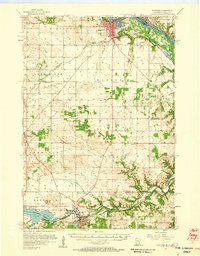 1957 Hastings1959 Print · USGSDakota County and the Mississippi riverfront appear in the late fifties as a hub of rail transit and agricultural industry. Genealogists and researchers can locate landmarks like St Lukes Cem, the Mineral Springs Sanatorium, and the tracks of the Chicago Great Western.2 unique versions available
 - 1959 Map of Saint Paul
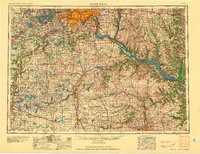 1959 Saint Paul1959 Print · USGSThe Twin Cities and southeastern Minnesota appear here in the late fifties, showing the peak of the rail era and post-war suburban growth. Genealogists can trace family footprints near Lake Minnetonka, the Univ Of Minn Rosemount Research Center, or the growing neighborhoods of Richfield.2 unique versions available
 - 1960 Map of Northfield, 1961 Print
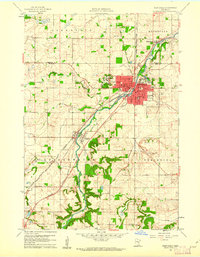 1960 Northfield1961 Print · USGSNorthfield and its surrounding townships are shown at a peak of mid-century growth, serving as a vital rail junction between the Twin Cities and southern Minnesota. Researchers can trace institutional grounds at St Olaf College and Carleton College or find rural landmarks like Little Prairie Ch and Dundas.2 unique versions available
 - 1960 Map of Dennison, 1961 Print
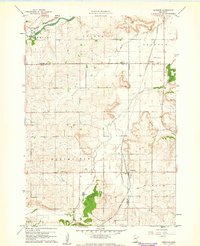 1960 Dennison1961 Print · USGSSoutheast Minnesota's agricultural heartland is documented here at the start of the 1960s. Family historians and researchers can trace the rail-side growth of Dennison and Stanton, locate the Prairie Creek Cem, and find landmarks like Carleton Airport.
 - 1960 Map of Little Chicago, 1961 Print
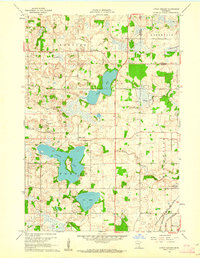 1960 Little Chicago1961 Print · USGSRice and Dakota Counties are shown in the early sixties, a time when three major railroads still converged in the southeastern corner. Genealogists can trace rural roots at Christdala Ch, Township Cem, and the old Millersburg townsite.2 unique versions available
Showing maps 1-25 of 155
Top cities of Dakota County
- Eagan historical maps
- Burnsville historical maps
- Lakeville historical maps
- Apple Valley historical maps
- Inver Grove Heights historical maps
- Hastings historical maps
See more
Frequently asked questions
- What are the different types of historical maps available for Dakota County?
- What is the oldest map of Dakota County?
- Where can I purchase historical maps of Dakota County for my home or office?
- Where can I download high-res historical maps of Dakota County?
- Are there historical topographic maps available for Dakota County?
- Is there historical aerial imagery available for Dakota County?
- Where are historical maps of Dakota County sourced from?