Old Maps of Douglas County, Minnesota for Academic Research
Study the evolution of Douglas County with 119 high-resolution historic maps. Whether you're teaching, researching, or modeling changes in land use, these maps provide essential visual documentation of urban, environmental, and geographic change.
- Analyze long-term change: Track patterns in development, transportation, and natural features.
- Ideal for environmental or urban studies: Support academic projects with primary historical map data.
- Use in the classroom or lab: Educators and researchers rely on these maps to bring historical context to life.
These maps are a powerful tool for teaching, research, and visualizing how Douglas County has changed over the decades.
Douglas County, MN maps
(119)- 1911 Map of Barrett
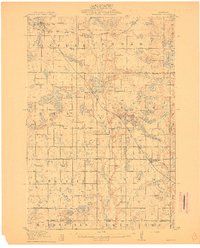 1911 Barrett1911 Print · USGSGrant County is a mosaic of prairie lakes and early rail towns at the dawn of the twentieth century. Genealogists can locate over twenty numbered school sites and early settlements like Thorsborg, Erdahl, and the lake-front village of Barrett.2 unique versions available
 - 1913 Map of Ashby
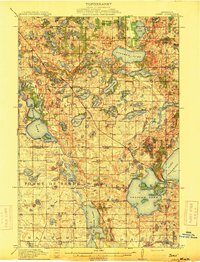 1913 Ashby1913 Print · USGSBefore the modernization of the Midwest, this part of Minnesota was a patchwork of numbered school districts and vital rail lines. Genealogists can trace family footprints near Dalton or search for local landmarks like School No 81, Tenmile Lake, and the Northern Pacific RR.4 unique versions available
 - 1953 Map of Brainerd, 1966 Print
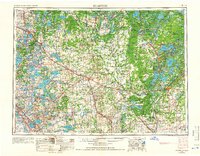 1953 Brainerd1966 Print · USGSCentral Minnesota's lake country and iron ranges are detailed in the mid-fifties, showing the intersection of industry and wilderness. Researchers can locate specific local landmarks like the Crow Wing County Courthouse or trace the early paths of the Soo Line Railroad and the Cuyuna Range Iron Mines.3 unique versions available
 - 1953 Map of Saint Cloud, 1968 Print
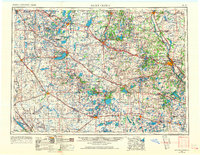 1953 Saint Cloud1968 Print · USGSCentral Minnesota's lake country and the Mississippi River valley are caught in a period of steady mid-century growth. Researchers can trace historic rail lines, old granite works, and local landmarks like St. Johns University, Camp Ripley, and the shores of Lake Minnewaska.3 unique versions available
 - 1957 Map of Brainerd
 1957 Brainerd1957 Print · USGSNorth-central Minnesota's lake-rich landscape is captured in the mid-1950s as a crossroads of rail, river, and forest. Genealogists and historians can trace the paths of the Great Northern and Soo Line railroads through hubs like Brainerd, Wadena, and Detroit Lakes.
 - 1957 Map of Saint Cloud
 1957 Saint Cloud1957 Print · USGSCentral Minnesota's lake country and rail corridors are meticulously detailed in the mid-1950s. Genealogists and researchers can trace the growth of towns like Alexandria, Willmar, and Saint Cloud along the Great Northern railroad line.
 - 1958 Map of Saint Cloud
 1958 Saint Cloud1958 Print · USGSCentral Minnesota in the mid-1950s shows a landscape of growing regional hubs and hundreds of glacial lakes connected by an extensive rail network. Genealogists and historians can trace the early footprints of Saint Cloud, Alexandria, and Willmar along the Great Northern Railway.
 - 1958 Map of Brainerd
 1958 Brainerd1958 Print · USGSCentral Minnesota in the late fifties is a landscape of dense lake chains, rail hubs, and sprawling state forests. Genealogists and local historians can trace old property alignments near the Mississippi River or locate family sites in Brainerd, Little Falls, and Detroit Lakes.
 - 1965 Map of Brainerd
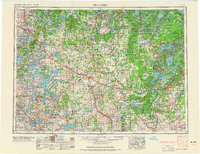 1965 Brainerd1965 Print · USGSNorth-central Minnesota in the mid-fifties presents a complex landscape of sprawling lake systems and established rail corridors. Genealogists and historians can trace the growth of timber towns along the Northern Pacific RR and explore early borders of the White Earth Indian Reservation or Tamarac National Wildlife Refuge.
 - 1966 Map of Brandon, 1967 Print
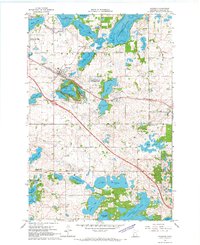 1966 Brandon1967 Print · USGSDouglas County in the mid-sixties reveals a glacial landscape of lakes and small-town rail commerce. Genealogists can trace family locations near Brandon via landmarks like Moe Heights Cem, West Moe Ch, and the Townhall.2 unique versions available
 - 1966 Map of Alexandria West, 1967 Print
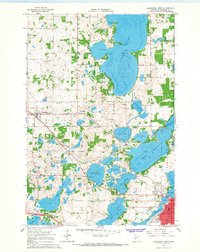 1966 Alexandria West1967 Print · USGSThe lake country of Douglas County is captured in the mid-sixties as the rural landscape around Alexandria began to modernize. Genealogists and local historians can trace family locations near St Lukes Cem, the old Glendale Sch, and the village of Garfield.2 unique versions available
 - 1966 Map of Farwell, 1967 Print
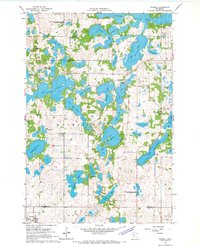 1966 Farwell1967 Print · USGSThe glacial lake country of Douglas and Pope Counties comes to life in the mid-1960s, showing a landscape of small farmsteads and rural parishes. Genealogists can trace family roots through numerous sites like St Pauls Ch Cem, Holmes City, and the Park Region Sch.
 - 1966 Map of Osakis, 1967 Print
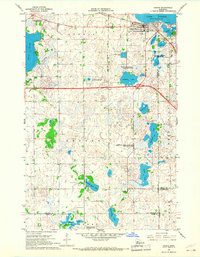 1966 Osakis1967 Print · USGSThe lakeside community of Osakis thrived as a transportation and recreation hub in the mid-sixties. Researchers can trace the town's layout near Lake Osakis, locating St Agnes Sch, the Great Northern rail line, and numerous rural burial grounds like English Grove Cem.2 unique versions available
 - 1966 Map of Kensington, 1967 Print
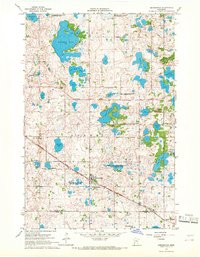 1966 Kensington1967 Print · USGSThe Douglas County prairie is captured here in the mid-sixties, a landscape of glacial lakes and pioneer heritage. Researchers can trace the Soo Line Railroad Grade into Kensington or locate historic sites like Runestone Hill and Solem Ch.2 unique versions available
 - 1966 Map of Quam Lake, 1967 Print
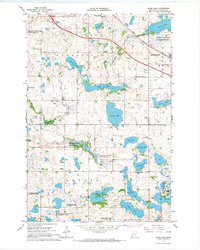 1966 Quam Lake1967 Print · USGSWestern Douglas County was a landscape of deep glacial lakes and burgeoning wildlife refuges in the mid-1960s. Genealogists and local historians can trace the rural community through landmarks like St Petrie Ch, the Fryksende Cem, and the Great Northern rail line.
 - 1966 Map of Lake Osakis West, 1968 Print
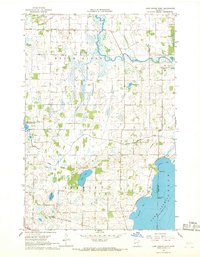 1966 Lake Osakis West1968 Print · USGSDouglas County’s lake-rich landscape is captured here in the mid-sixties, showcasing the expansive northern shores of Lake Osakis. Genealogists and historians can trace the Great Northern rail line and locate landmarks like Pahlun Ch or Yates Point.2 unique versions available
 - 1966 Map of Lake Mary, 1968 Print
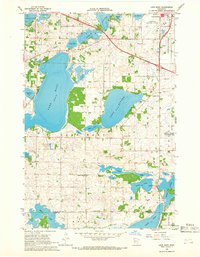 1966 Lake Mary1968 Print · USGSDouglas County’s lake country is captured here during the mid-1960s, showing the intersection of rural agriculture and expanding infrastructure. Researchers can locate several historic district schools like Oak Grove Sch and ancestral sites including Bohemian Cem.3 unique versions available
 - 1966 Map of Alexandria East, 1968 Print
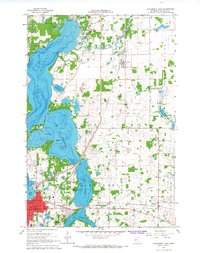 1966 Alexandria East1968 Print · USGSDouglas County's lake country is captured in the mid-sixties, showing the growth of Alexandria and nearby Nelson. Researchers can trace family history through sites like Carlos Cem, Washington Sch, and early lakeside retreats such as Mount Carmel Camp.4 unique versions available
 - 1966 Map of Forada, 1968 Print
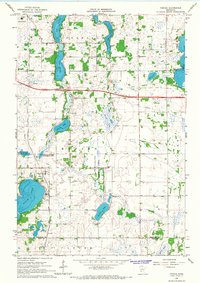 1966 Forada1968 Print · USGSCentral Minnesota lake country is captured here in the mid-sixties, showing the growth of Forada and Alexandria. Researchers can trace old school districts like Sunnyside Sch and find family-named landmarks such as Hudson Cem or Hazel Hill.3 unique versions available
 - 1969 Map of Lake Miltona West, 1971 Print
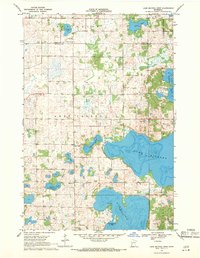 1969 Lake Miltona West1971 Print · USGSDouglas County’s sprawling lake country comes into focus in the late sixties, highlighting the intricate shorelines and early communities of the region. Genealogists and local researchers can trace family landmarks like Leaf Valley, St James Ch, and the many docks along Lake Miltona.
 - 1969 Map of Lake Miltona East, 1971 Print
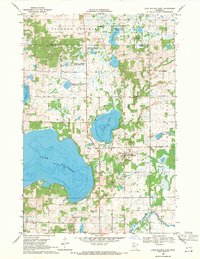 1969 Lake Miltona East1971 Print · USGSDouglas County’s lake country is captured here in the late sixties as the area balanced recreation with local industry and conservation. Genealogists and historians can locate the Miltona settlement, St Pauls Ch, and family sites near Lake Irene.
 - 1969 Map of Millerville, 1971 Print
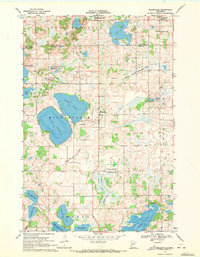 1969 Millerville1971 Print · USGSMillerville and the high ridges of the Leaf Mountains are captured here in the late sixties as the region’s landscape balanced agriculture with conservation. Local historians can trace family-named sites and landmarks like Trinity Ch, the Cem near Lake Moses, and the rural village of Urbank.
 - 1969 Map of Rose City, 1971 Print
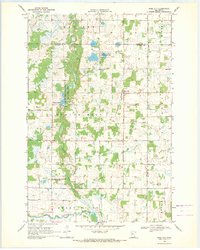 1969 Rose City1971 Print · USGSIn the late sixties, this portion of Douglas County was a landscape of managed wildlife areas and small rural settlements. Researchers can locate the Rose City community and trace historical burials at the Esther Ch Cemetery or the Scribner Cemetery.
 - 1969 Map of Evansville, 1971 Print
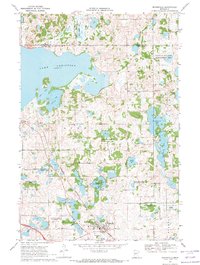 1969 Evansville1971 Print · USGSThe glacial lake country of Douglas County is captured here in the late sixties as the rail lines were transitioning. Researchers can locate the Christina Lake Ch and Christina Lake Cem or trace the Old Railroad Grade near Evansville.
 - 1973 Map of Ashby, 1975 Print
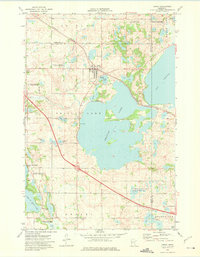 1973 Ashby1975 Print · USGSThe lake-strewn country of West Central Minnesota is captured here in the early 1970s, focused on the town of Ashby. Researchers can trace the Burlington Northern line and locate local landmarks like the Pelican Lake Cem and Erdahl Cem.
Showing maps 1-25 of 119
Top cities of Douglas County
- Alexandria historical maps
- Osakis historical maps
- Holmes City historical maps
- Evansville historical maps
- Leaf Valley historical maps
- Belle River historical maps
See more
Frequently asked questions
- What are the different types of historical maps available for Douglas County?
- What is the oldest map of Douglas County?
- Where can I purchase historical maps of Douglas County for my home or office?
- Where can I download high-res historical maps of Douglas County?
- Are there historical topographic maps available for Douglas County?
- Is there historical aerial imagery available for Douglas County?
- Where are historical maps of Douglas County sourced from?