Old Maps of Orono, Minnesota for Genealogy
Trace your family roots with 40 historic maps of Orono. These high-res maps reveal old neighborhoods, homesites, landmarks, and streets — helping you uncover where your ancestors lived and how the area evolved over time.
- Explore historic neighborhoods: Identify where your relatives may have lived in the 1800s or 1900s.
- Compare maps over time: Trace the changes in streets, buildings, and landmarks for multi-generational research.
- Perfect for genealogy & ancestry research: Used by family historians and researchers to map out lineage and migration.
These maps are an incredible resource for exploring your personal connection to Orono's past.
Orono, MN maps
(40)- 1905 Map of Minnetonka, 1957 Print
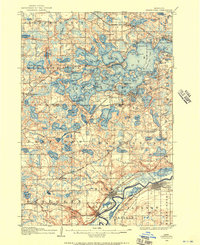 1905 Minnetonka1957 Print · USGSLake Minnetonka and the Minnesota River valley are seen here during the early twentieth century as the region's resort and rail economy reached its height. Genealogists and historians can trace rail stops like Mound Sta, the summer colonies of Deephaven, and the riverfront streets of Chaska.
 - 1907 Map of Minnetonka
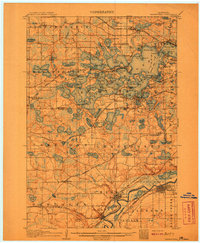 1907 Minnetonka1907 Print · USGSLake Minnetonka was a premier summer destination at the turn of the century, crisscrossed by a Steamboat Route and multiple railroads. Genealogists and historians can trace old lakeside landings and early rail stops like Spring Park Sta, Mound Sta, and Zumbra Heights Sta.3 unique versions available
 - 1909 Map of Rockford
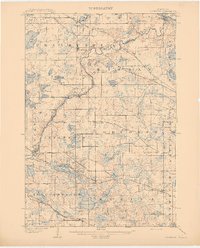 1909 Rockford1909 Print · USGSWright and Hennepin counties are shown here in the first decade of the twentieth century as the railroads transformed rural Minnesota. Genealogists can locate family-named features like Berning Mill, Salem Church, and early schools in Burschville or Hassan.2 unique versions available
 - 1953 Map of Saint Paul, 1964 Print
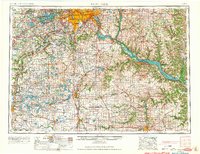 1953 Saint Paul1964 Print · USGSThe Twin Cities and the Mississippi River valley are captured here at a mid-century turning point. Trace the early growth of Minneapolis and Saint Paul alongside landmarks like Lake Minnetonka and the St Croix River.4 unique versions available
 - 1953 Map of Stillwater, 1980 Print
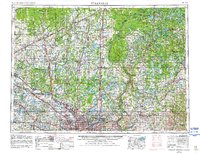 1953 Stillwater1980 Print · USGSThe Twin Cities and the St. Croix Valley are captured in this mid-century survey as the interstate era began to transform the Upper Midwest. Genealogists and historians can trace the rail-and-river geography of Stillwater, locate landmarks in Anoka, or explore the sprawling St Croix State Park.
 - 1955 Map of Stillwater, 1965 Print
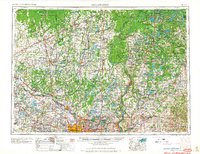 1955 Stillwater1965 Print · USGSThe Upper St. Croix Valley and the growing Twin Cities area are shown here during the mid-fifties, before the interstate era transformed the regional commute. You can trace the lines of the Northern Pacific RR through towns like Rush City or locate the Saint Croix Indian Reservation.
 - 1958 Map of Stillwater
 1958 Stillwater1958 Print · USGSThe Upper Mississippi and St. Croix River valleys appear in the mid-fifties as the Twin Cities expanded north. Genealogists can locate family landmarks like Oak Park Cem, Saint Michael Church, and the Soo Line RR rail corridors.2 unique versions available
 - 1958 Map of Rockford, 1959 Print
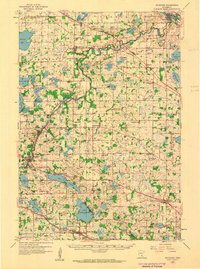 1958 Rockford1959 Print · USGSWright and Hennepin counties are shown here in the late fifties, during a period of steady rural growth and agricultural stability. Researchers can trace ancestral roots at Berning Mill, find small country schoolhouses like Oakdale School, or locate parish centers such as St Michael Church.2 unique versions available
 - 1958 Map of Mound, 1959 Print
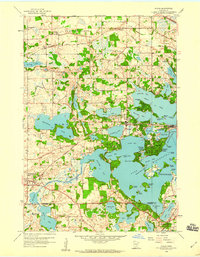 1958 Mound1959 Print · USGSThe western shores of Lake Minnetonka are captured here in the late fifties, showing a landscape of burgeoning lakeside communities and established rail lines. Genealogists and local historians can trace family-named points and historic sites like Phelps Island, the Jesuit Seminary, and the Copeland Sch.4 unique versions available
 - 1958 Map of Lake Minnetonka, 1959 Print
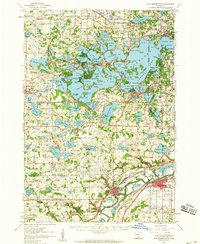 1958 Lake Minnetonka1959 Print · USGSThe western suburbs of Minneapolis appear in a period of transition during the late fifties, centered on the complex shores of Lake Minnetonka. Genealogists and historians can trace the foundations of Wayzata, Deephaven, and Shakopee, or locate family landmarks like Calvin Ch and the Jesuit Seminary.2 unique versions available
 - 1958 Map of Excelsior, 1959 Print
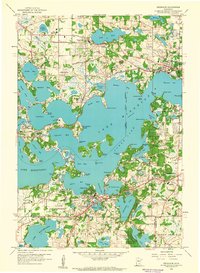 1958 Excelsior1959 Print · USGSThe Lake Minnetonka region flourished in the late fifties as a suburban and recreational hub west of Minneapolis. Genealogists and historians can trace family roots through Resurrection Cem, old school sites like Minnewashta Sch, and the rail lines of the Great Northern.5 unique versions available
 - 1959 Map of Saint Paul
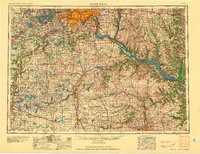 1959 Saint Paul1959 Print · USGSThe Twin Cities and southeastern Minnesota appear here in the late fifties, showing the peak of the rail era and post-war suburban growth. Genealogists can trace family footprints near Lake Minnetonka, the Univ Of Minn Rosemount Research Center, or the growing neighborhoods of Richfield.2 unique versions available
 - 1965 Map of Stillwater
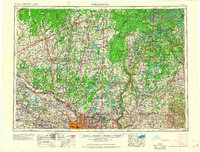 1965 Stillwater1965 Print · USGSThe Twin Cities and the St. Croix Valley are mapped here during a period of significant post-war growth and industrial transit. Genealogists and historians can trace rail lines like the Northern Pacific RR through towns such as Rush City, Amery, and Balsam Lake.
 - 1975 Map of Stillwater
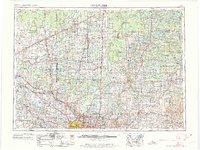 1975 Stillwater1975 Print · USGSThe Twin Cities and the St. Croix Valley are captured in the mid-seventies, showing the urban growth of Minneapolis and St Paul. Researchers can trace old rail corridors of the Northern Pacific RR and locate tribal lands at the Mille Lacs Indian Reservation.2 unique versions available
 - 1981 Map of Rockford
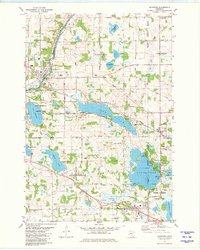 1981 Rockford1981 Print · USGSCentral Minnesota lake country is captured here in the early eighties as the Crow River and the Burlington Northern railroad shaped local growth. Researchers can locate family sites near Burschville, Loretto, or the SS Peter & Paul Cem.2 unique versions available
 - 1981 Map of Hamel
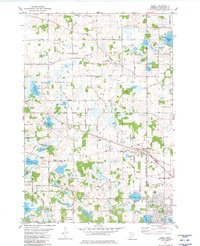 1981 Hamel1981 Print · USGSHennepin County was undergoing significant suburban growth in the early eighties as residential developments moved into the lake country. Genealogists and local researchers can trace early family sites like St James Cem and Old St Thomas Cem near the Soo Line tracks.2 unique versions available
 - 1985 Map of Saint Paul
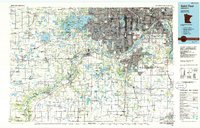 1985 Saint Paul1985 Print · USGSThe Twin Cities metropolitan area and its southern suburbs are captured here in the mid-eighties as the urban landscape expanded toward the Minnesota River. Researchers can trace the layout of the Fort Snelling Military Reservation, find local landmarks like St Benedict Church, and study the rail routes of the Soo Line.2 unique versions available
 - 1985 Map of Anoka
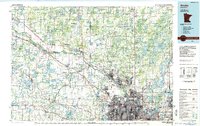 1985 Anoka1985 Print · USGSThe northern Twin Cities suburbs and the Mississippi River valley are captured here in the mid-eighties as suburban growth began to meet rural conservation lands. Trace the expansion of Anoka and Blaine, or locate family landmarks near the Rum River and Buffalo Lake.
 - 1991 Map of Anoka, 1992 Print
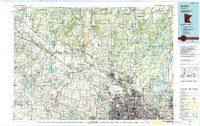 1991 Anoka1992 Print · USGSThe northern Twin Cities suburbs and the upper Mississippi River valley are captured here in the early nineties during a period of rapid suburban expansion. Trace the rail corridors of the Burlington Northern Railroad or explore the boundaries of the Sherburne National Wildlife Refuge and Lake Maria State Park.
 - 1997 Map of Excelsior, 1999 Print
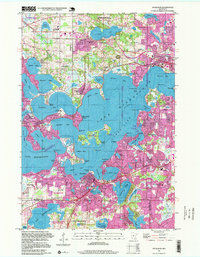 1997 Excelsior1999 Print · USGSLake Minnetonka's intricate bays and peninsula towns are captured here in the late nineties as suburban growth matured around the water. Researchers can trace local landmarks like Woodside Cemetery, the Soo Line railroad, and Big Island.
 - 2010 Map of Hamel, 2010 Print
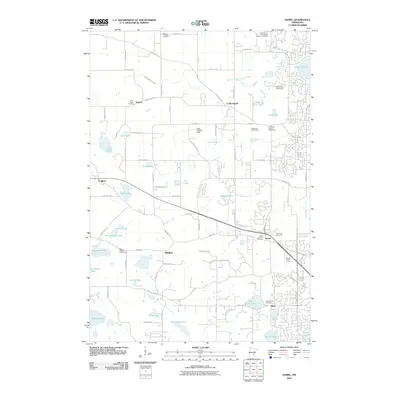 2010 Hamel2010 Print · USGSHennepin County at the start of the 21st century shows a landscape where suburban growth meets rural roots. Genealogists can trace family heritage at Saint Anne's Cemetery or Ditter, while locating landmarks like the Hennepin County Fairgrounds.
 - 2010 Map of Rockford, 2010 Print
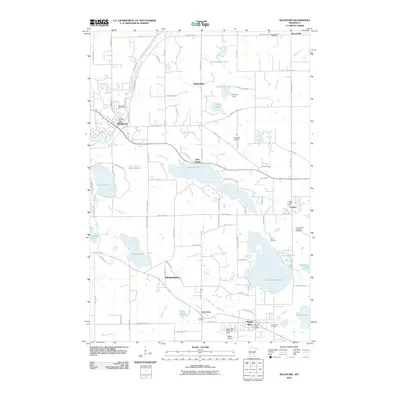 2010 Rockford2010 Print · USGSHennepin County was characterized by a rich network of small townships and glacial lakes at the turn of the century. Genealogists and local historians can trace family roots through sites like Elmwood Cemetery and Saints Peter and Paul Cemetery or locate old postal hubs in Rockford and Loretto.
 - 2010 Map of Mound, 2010 Print
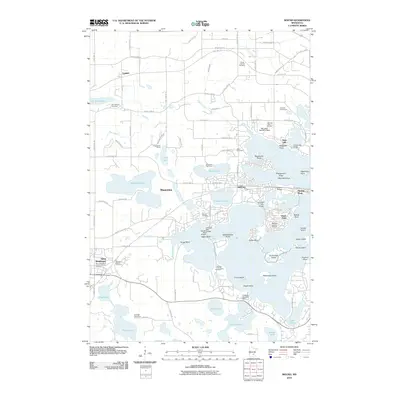 2010 Mound2010 Print · USGSThe western bays of Lake Minnetonka are captured here in the early twenty-first century, showing the established communities of Mound and Saint Bonifacius. Family historians can trace local roots at the Halsted Family Cemetery or locate landmarks like the Peil-Juliar Seaplane Base and Saga Hill.
 - 2010 Map of Excelsior, 2010 Print
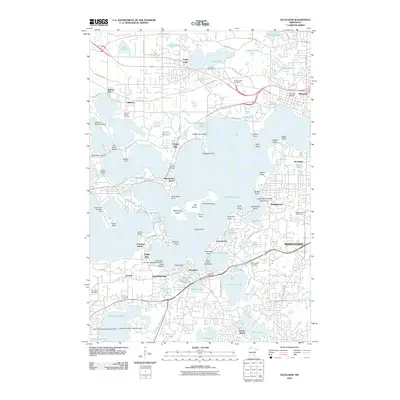 2010 Excelsior2010 Print · USGSThe western suburbs of the Twin Cities are shown at the start of the 2010s, centered on the sprawling bays and points of Lake Minnetonka. Researchers can locate several historic burial sites like the Maxwell Family Cemetery or trace aviation history at the Vasa Park Seaplane Base.
 - 2013 Map of Mound, 2013 Print
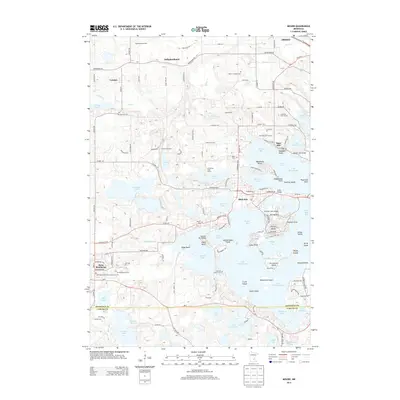 2013 Mound2013 Print · USGSThe western reaches of Lake Minnetonka are captured here in the early twenty-first century, showcasing a landscape defined by intricate bays and island communities. Researchers can trace family history at several local burial grounds, including the Halsted Family Cem, Mound Cem, and Minnestrista Cem.
Showing maps 1-25 of 40
Top cities near Orono
- Bloomington historical maps
- Brooklyn Park historical maps
- Plymouth historical maps
- Maple Grove historical maps
- Coon Rapids historical maps
- Eden Prairie historical maps
See more
Top neighborhoods of Orono
- Stubbs Bay historical maps
- Saga Hill historical maps
- Navarre historical maps
- Crystal Bay historical maps
Frequently asked questions
- What are the different types of historical maps available for Orono?
- What is the oldest map of Orono?
- Where can I purchase historical maps of Orono for my home or office?
- Where can I download high-res historical maps of Orono?
- Are there historical topographic maps available for Orono?
- Is there historical aerial imagery available for Orono?
- Where are historical maps of Orono sourced from?