Old Maps of Wirt, Minnesota for Academic Research
Study the evolution of Wirt with 12 high-resolution historic maps. Whether you're teaching, researching, or modeling changes in land use, these maps provide essential visual documentation of urban, environmental, and geographic change.
- Analyze long-term change: Track patterns in development, transportation, and natural features.
- Ideal for environmental or urban studies: Support academic projects with primary historical map data.
- Use in the classroom or lab: Educators and researchers rely on these maps to bring historical context to life.
These maps are a powerful tool for teaching, research, and visualizing how Wirt has changed over the decades.
Wirt, MN maps
(12)- 1954 Map of Hibbing, 1966 Print
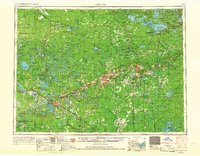 1954 Hibbing1966 Print · USGSNorthern Minnesota's Iron Range thrives during the mid-1960s, showing the industrial landscape between the Mesabi Range and the Mississippi River. Genealogists and historians can trace the rail lines of the Great Northern RR through mining hubs like Hibbing and Virginia.3 unique versions available
 - 1957 Map of Hibbing
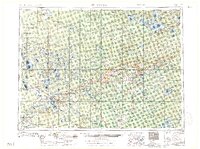 1957 Hibbing1957 Print · USGSNorthern Minnesota's Iron Range is shown at its industrial peak in the mid-fifties, dominated by the massive iron pits and rail corridors of the Mesabi Range. Researchers can trace the rail networks of the Duluth Missabe and Iron Range and locate mining hubs like Hibbing, Virginia, and Bovey.
 - 1958 Map of Hibbing
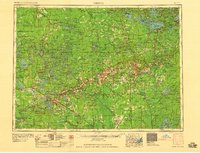 1958 Hibbing1958 Print · USGSThe Mesabi Iron Range reached its mid-century height during this era, defining the landscape between Grand Rapids and Virginia. Genealogists and historians can trace the mining-town networks of Hibbing and Chisholm or locate numerous iron mines and rail spurs.
 - 1964 Map of Hibbing
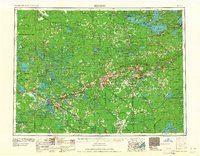 1964 Hibbing1964 Print · USGSNorthern Minnesota’s iron-rich corridor is captured here during a peak era of mid-century industrial activity. Researchers can trace the rail-to-mine connections through Mesabi Range towns like Hibbing and Virginia or locate lakefront settlements near Pokegama Lake.
 - 1970 Map of Wirt, 1973 Print
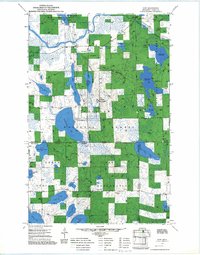 1970 Wirt1973 Print · USGSItasca County’s timber and water resources are on full display in the early 1970s, where the Chippewa National Forest meets the Leech Lake Indian Reservation. Trace family history at Wirt Cem or explore the hydrologic history of Whitefish Lake and the Big Fork River.2 unique versions available
 - 1976 Map of Bigfork, 1994 Print
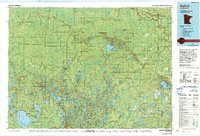 1976 Bigfork1994 Print · USGSNorthern Minnesota's woods and waters are captured in the mid-seventies, showing the intersection of logging country and forest conservation. Researchers can trace rural post offices and fire lookouts like the Scenic Lookout Tower alongside lakes such as Bello Lake and Deer Lake.
 - 1996 Map of Wirt, 1998 Print
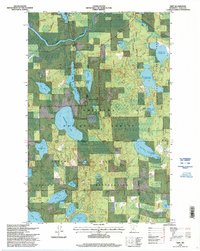 1996 Wirt1998 Print · USGSNorthern Itasca County was a landscape of dense forests and managed waterways in the mid-nineties. Researchers can locate the settlement of Wirt near the Big Fork River and trace local genealogy at Wirt Cemetery or Sand Lake Cemetery.
 - 2011 Map of Wirt, 2011 Print
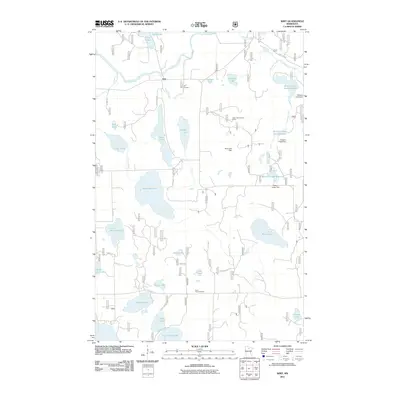 2011 Wirt2011 Print · USGSThe northern woods of Itasca County are centered around the settlement of Wirt during the early 2000s, where the Big Fork River winds through a landscape of timber and water. Researchers can trace local history through the Wirt Cemetery or locate landmarks like the Bass Lake Lookout Tower and Beaver Lodge Dam.
 - 2013 Map of Wirt, 2013 Print
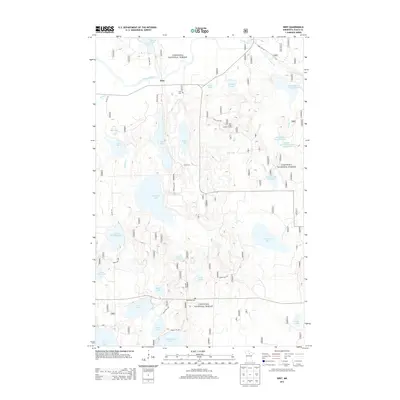 2013 Wirt2013 Print · USGSItasca County’s lake-filled forest lands are captured in 2013, showing the remote settlement of Wirt and the surrounding wilderness. Genealogists and historians can locate the Wirt Cem, the Sand Lake Cem, and the high vantage of the Bass Lake Lookout Tower.
 - 2016 Map of Wirt, 2016 Print
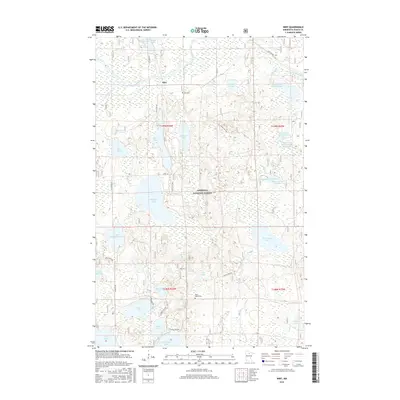 2016 Wirt2016 Print · USGSThe northern woods of Itasca County are surveyed here during the mid-2010s, showing a landscape of managed wetlands and forestry. Genealogists and researchers can locate the Wirt Cem and Sand Lake Cem or trace the winding course of the Big Fork River.
 - 2019 Map of Wirt, 2019 Print
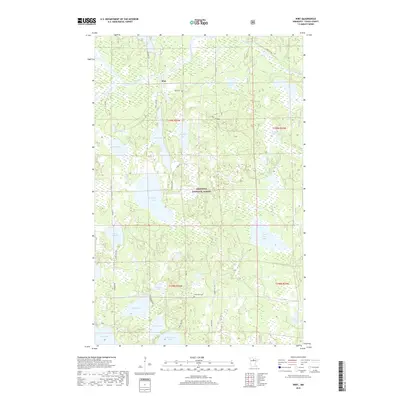 2019 Wirt2019 Print · USGSItasca County’s Northwoods are captured here in the late 2010s, showing a landscape of timber and water within the Chippewa National Forest. Genealogists and local historians can locate Wirt Cem and Sand Lake Cem among the many lakes like Whitefish Lake.
 - 2022 Map of Wirt, 2022 Print
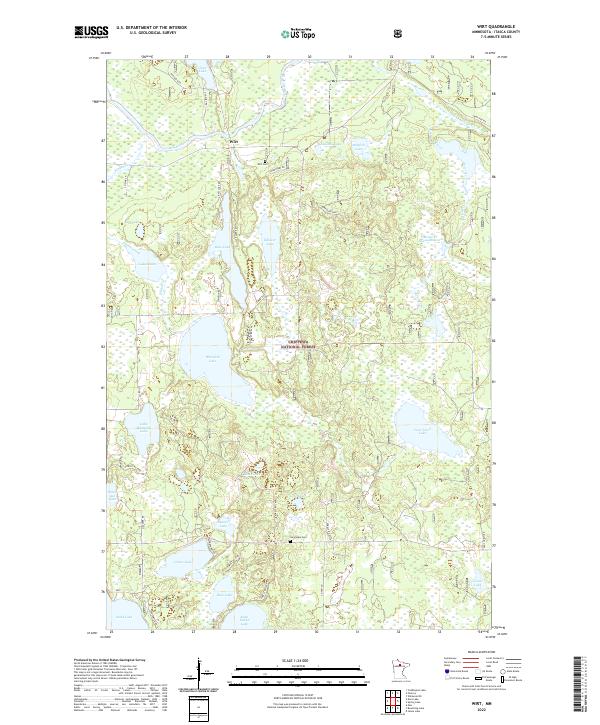 2022 Wirt2022 Print · USGSItasca County’s lake country is captured here in the 2020s, showing the intersection of the Big Fork River and the settlement of Wirt. Researchers can locate historic burial grounds at Wirt Cem and Sand Lake Cem while tracing the shores of Whitefish Lake.
End of results
Showing maps 1-12 of 12
Top cities near Wirt
- Bowstring historical maps
- Max historical maps
- Squaw Lake / Gaa-waawiyegamaag historical maps
- Pomroy historical maps
Frequently asked questions
- What are the different types of historical maps available for Wirt?
- What is the oldest map of Wirt?
- Where can I purchase historical maps of Wirt for my home or office?
- Where can I download high-res historical maps of Wirt?
- Are there historical topographic maps available for Wirt?
- Is there historical aerial imagery available for Wirt?
- Where are historical maps of Wirt sourced from?