Old Maps of Ranier, Minnesota
Explore 13 old maps of Ranier, spanning from 1919 to today. These high-resolution historic maps reveal how streets, neighborhoods, landmarks, and natural features evolved over time — perfect for genealogy, metal detecting, research, and local history exploration.
What you can do with these maps:
- See how Ranier changed over time: Compare historical maps to modern-day views to trace roads, homesites, rail lines & more.
- View detailed metadata: Each map includes creators, publishers, year, scale, and archive source.
- Overlay maps with satellite & LiDAR: Visualize the past alongside modern tools to explore terrain & human change.
- Trusted historical sources: Maps sourced from the USGS, Library of Congress, and other archives.
- Access maps your way: View online, download high-res files, or order prints for personal or research use.
Start exploring old maps of Ranier to uncover forgotten places, hidden landmarks, and the deep history beneath your feet.
Ranier, MN maps
(13)- 1919 Map of International Falls, 1943 Print
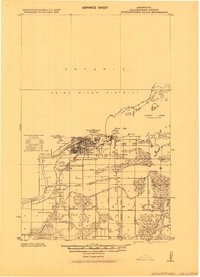 1919 International Falls1943 Print · USGSInternational Falls and the Canadian border are captured in the era of early industrial expansion. Researchers can trace the development of neighborhood additions and remote rail stops like Goldville, Nakoda, and the local Poor Farm along the Rainy River.
 - 1954 Map of International Falls, 1980 Print
 1954 International Falls1980 Print · USGSThe Minnesota-Ontario borderlands come alive in this mid-century survey of the Rainy River region and the interconnected waterways that now form Voyageurs National Park. Genealogists and local historians can trace the rail-and-timber era through settlements like Littlefork, the Nett Lake Indian Reservation, and the Canadian National rail lines.
 - 1957 Map of International Falls
 1957 International Falls1957 Print · USGSThe Minnesota-Ontario borderlands come alive in the mid-fifties, showing the industrial nodes of International Falls and Fort Frances. Genealogists and historians can trace rail-tied settlements like Aylsworth and Littlefork or locate ancestral lands within the Nett Lake Indian Reservation.
 - 1958 Map of International Falls
 1958 International Falls1958 Print · USGSThe borderlands of northern Minnesota and Ontario are mapped here during the mid-fifties, centered on the river-and-rail hubs of the Northwoods. Researchers can trace the path of the Northern Pacific through Big Falls or locate early settlements like Ericsburg and Ranier.2 unique versions available
 - 1963 Map of Ranier, 1987 Print
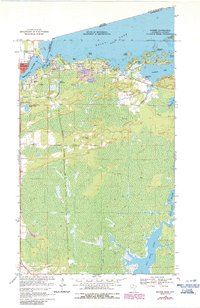 1963 Ranier1987 Print · USGSThe international border at Ranier and Fort Frances was a critical rail and river hub in the mid-to-late twentieth century. Local historians can trace the paths of the Canadian National railroad and identify landmarks like Point-O-Pines Ch and Falls Junction.
 - 1969 Map of Ranier, 1971 Print
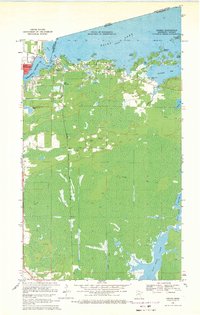 1969 Ranier1971 Print · USGSThe northern borderlands around the turn of the 1970s reveal a busy rail and river crossroads where the United States meets Canada. Trace the industrial footprint of Falls Junction and the lakefront docks of Ranier alongside local landmarks like Point-O-Pines Ch.2 unique versions available
 - 1978 Map of International Falls, 1993 Print
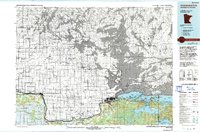 1978 International Falls1993 Print · USGSThe Minnesota-Ontario borderlands come alive in the late seventies, where the timber and rail economy meets the lake wilderness. Genealogists and local historians can trace the growth of International Falls and Ranier or locate island landmarks like Grindstone Island and Bushyhead Island.
 - 1999 Map of Ranier, 2003 Print
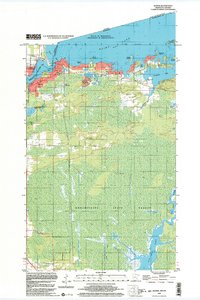 1999 Ranier2003 Print · USGSRanier and the international border are captured here at the end of the millennium, showing a landscape shaped by water and rail. Researchers can trace local landmarks like Falls Junction, the sprawling Koochiching State Forest, and the winding Rat Root River.
 - 2010 Map of Ranier, 2010 Print
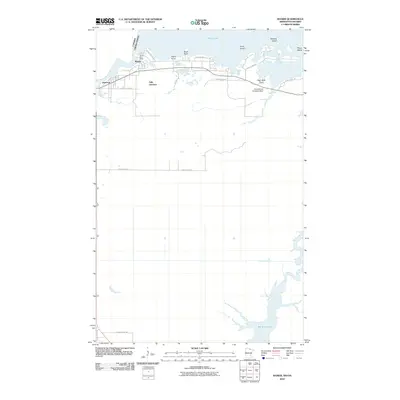 2010 Ranier2010 Print · USGSThe international border at the head of the Rainy River is captured here during the early 2000s. Researchers can trace local landmarks like the Ranier Post Office, the International Seaplane Base, and the winding path of the Rat Root River.
 - 2013 Map of Ranier, 2013 Print
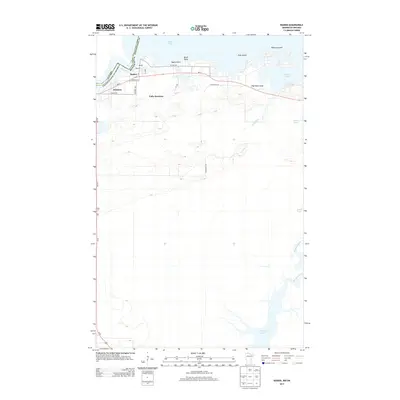 2013 Ranier2013 Print · USGSThe northern border of Minnesota meets Ontario at the edge of the lake country in this early 21st-century study. Genealogists and local historians can trace the developments at Ranier and Jameson or locate landmarks like Falls Junction and Enos Island.
 - 2016 Map of Ranier, 2016 Print
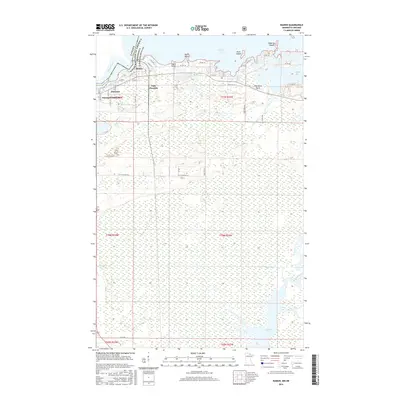 2016 Ranier2016 Print · USGSThe international border at the Rainy River comes into focus in this modern survey of the Northwoods landscape. Genealogists and researchers can trace the roads and waterways connecting Ranier and Falls Junction to landmarks like Rat Root Lake and High Rock Point.
 - 2019 Map of Ranier, 2019 Print
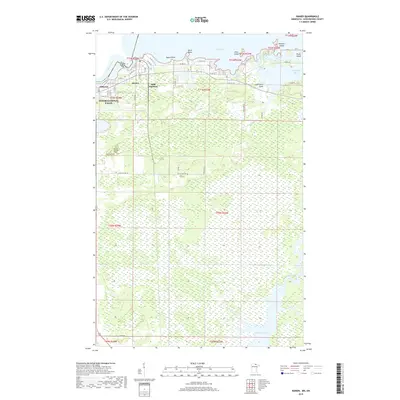 2019 Ranier2019 Print · USGSThe international border at the mouth of the Rainy River is captured here in the late 2010s. Local historians can trace the development of Ranier and Falls Junction alongside the natural points of Rainy Lake like High Rock Point.
 - 2022 Map of Ranier, 2022 Print
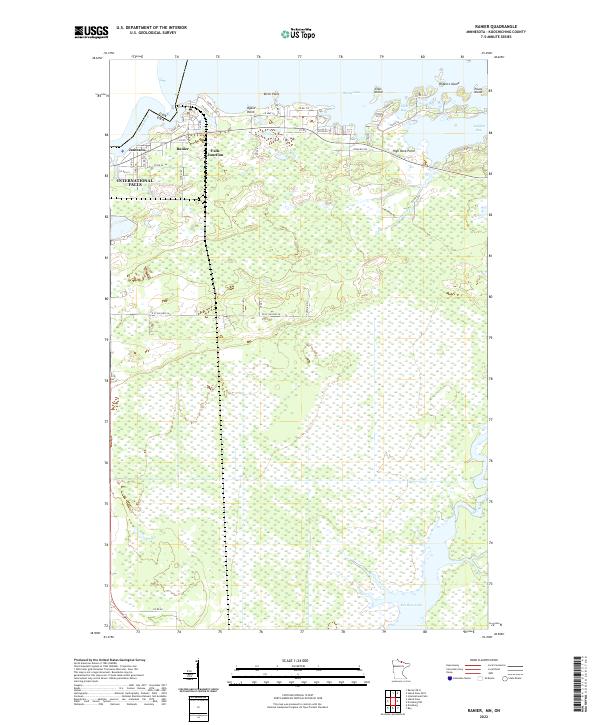 2022 Ranier2022 Print · USGSRanier and the international boundary waters are captured in this modern survey of the Minnesota-Ontario border. Researchers can trace the waterfront settlements of Jameson and Ranier, or explore the wetland geography of Rat Root Lake and Jackfish Bay.
End of results
Showing maps 1-13 of 13
Top cities near Ranier
Top neighborhoods of Ranier
Frequently asked questions
- What are the different types of historical maps available for Ranier?
- What is the oldest map of Ranier?
- Where can I purchase historical maps of Ranier for my home or office?
- Where can I download high-res historical maps of Ranier?
- Are there historical topographic maps available for Ranier?
- Is there historical aerial imagery available for Ranier?
- Where are historical maps of Ranier sourced from?