Old Maps of Jay See Landing, Minnesota for Academic Research
Study the evolution of Jay See Landing with 12 high-resolution historic maps. Whether you're teaching, researching, or modeling changes in land use, these maps provide essential visual documentation of urban, environmental, and geographic change.
- Analyze long-term change: Track patterns in development, transportation, and natural features.
- Ideal for environmental or urban studies: Support academic projects with primary historical map data.
- Use in the classroom or lab: Educators and researchers rely on these maps to bring historical context to life.
These maps are a powerful tool for teaching, research, and visualizing how Jay See Landing has changed over the decades.
Jay See Landing, MN maps
(12)- 1954 Map of Two Harbors, 1964 Print
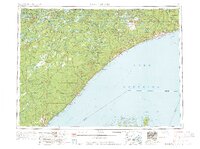 1954 Two Harbors1964 Print · USGSThe Minnesota North Shore and Superior National Forest are shown here in the mid-fifties, just as the taconite industry was reshaping the coast. Genealogists and historians can trace the rail lines of the Duluth Missabe and Iron Range or locate remote outposts like Sawbill Landing and Section Thirty.2 unique versions available
 - 1955 Map of Isabella, 1957 Print
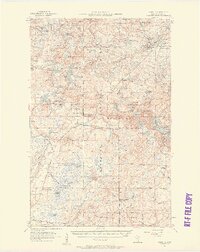 1955 Isabella1957 Print · USGSThe Lake County timberlands of the mid-1950s are captured here as a network of rail lines and forest landings. Researchers can trace the legacy of logging and settlement at the Isabella Sch (Abandoned), Manitou Junction, and Murphy City.4 unique versions available
 - 1957 Map of Two Harbors
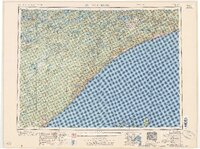 1957 Two Harbors1957 Print · USGSMinnesota's North Shore and the Arrowhead region are shown here in the mid-fifties as the taconite industry and cold war defense shaped the landscape. Researchers can trace the Duluth Missabe and Iron Range railroad, locate the Split Rock Light, and explore the iron-mining era at Taconite.
 - 1958 Map of Two Harbors
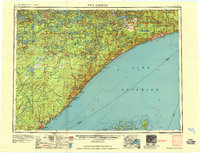 1958 Two Harbors1958 Print · USGSThe North Shore and Arrowhead region of Minnesota are captured in the 1950s as iron ore shipping and wilderness preservation shaped the land. Researchers can trace the Duluth Missabe and Iron Range RR, find maritime landmarks like Split Rock Light, and locate remote settlements from Babbitt to Grand Marais.
 - 1964 Map of Two Harbors
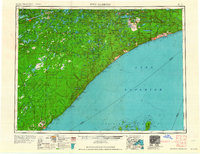 1964 Two Harbors1964 Print · USGSThe North Shore of Lake Superior is captured here during the mid-1950s, a time of significant industrial mining growth and emerging tourism. Genealogists and historians can trace the rail lines of the Duluth Missabe and Iron Range and locate landmarks like Split Rock Light and the U S Air Force Radar Station.
 - 1982 Map of Isabella Station
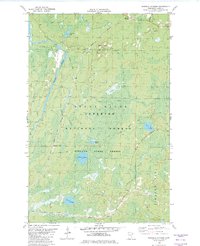 1982 Isabella Station1982 Print · USGSLake County's timber and transit history is preserved here in the early eighties, showcasing the intersection of massive state and national forests. Genealogists and historians can trace the Duluth Missabe and Iron Range Railroad Grade past Isabella Station and the remote Jay Cee Landing.2 unique versions available
 - 1994 Map of Ely
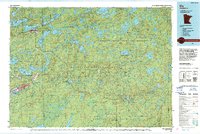 1994 Ely1994 Print · USGSEly and the surrounding Iron Range country are shown here in the mid-1990s, where mining operations meet the edge of the great northern wilderness. Researchers can trace the development of Babbitt, locate the Mine sites, or explore the vast lake networks of the Boundary Waters Canoe Area Wilderness.
 - 2011 Map of Isabella Station, 2011 Print
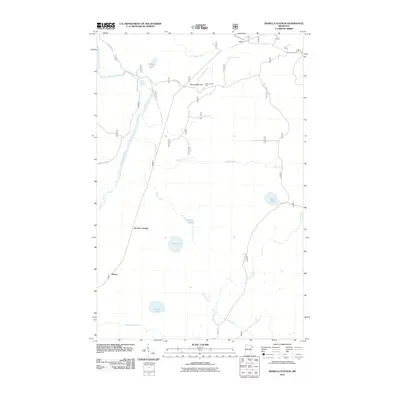 2011 Isabella Station2011 Print · USGSThe northern woods of Lake County are captured here in the early twenty-first century, showing a remote landscape of forest service roads and glacial basins. Researchers can locate the Stony Lookout Tower, the small outpost at Winter, and quiet waters like Fishtrap Lake and Rota Lake.
 - 2013 Map of Isabella Station, 2013 Print
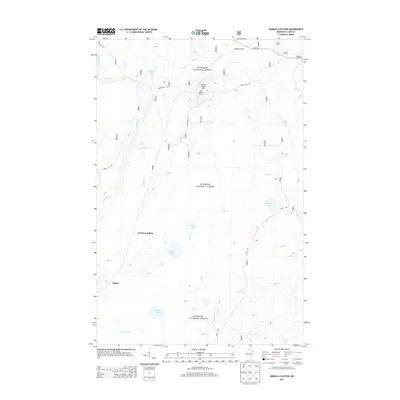 2013 Isabella Station2013 Print · USGSThe northern Minnesota woods and the remote Isabella Station area are shown here as they appeared in 2013 within the Superior National Forest. You can trace the forest roads and waterways used by locals and outdoorsmen, from Jay See Landing to the high ground of Stony Lookout Tower.
 - 2016 Map of Isabella Station, 2016 Print
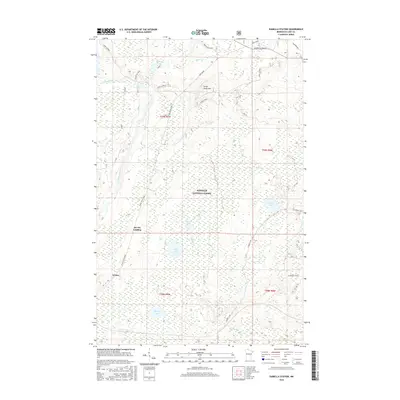 2016 Isabella Station2016 Print · USGSLake County's deep woods and timber-transport history are preserved here in the mid-2010s, showing the intersection of industry and wilderness. Researchers can trace old rail corridors like the Dmir Grade or locate historic points such as Winter and Jay See Landing.
 - 2019 Map of Isabella Station, 2019 Print
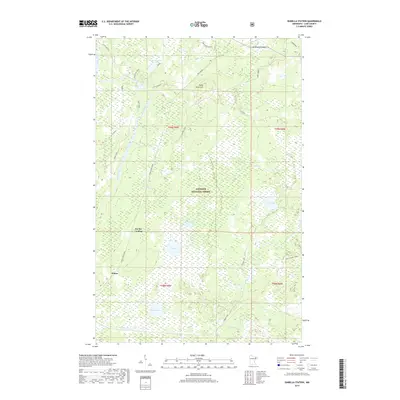 2019 Isabella Station2019 Print · USGSLake County’s dense timberlands are captured here in the late twenty-teens, showing the intersection of forest service life and the Stony River watershed. Researchers can locate the small settlement of Winter, trace old rail paths like the Dmir Grade, and find access points at Jay See Landing.
 - 2022 Map of Isabella Station, 2022 Print
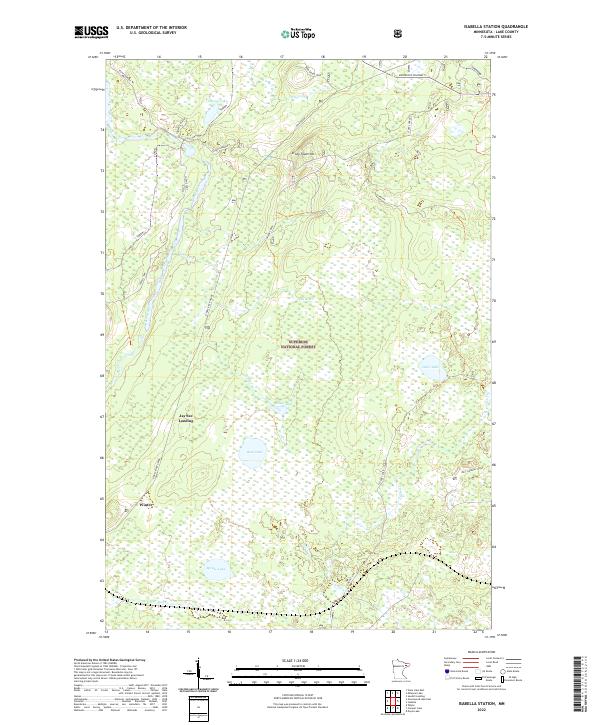 2022 Isabella Station2022 Print · USGSThe Superior National Forest is captured here in the early twenty-first century, showing a remote landscape defined by timber history and glacial lakes. Local historians and outdoorsmen can trace the Dmir Grade and locate camps near Winter or Jay See Landing.
End of results
Showing maps 1-12 of 12
Frequently asked questions
- What are the different types of historical maps available for Jay See Landing?
- What is the oldest map of Jay See Landing?
- Where can I purchase historical maps of Jay See Landing for my home or office?
- Where can I download high-res historical maps of Jay See Landing?
- Are there historical topographic maps available for Jay See Landing?
- Is there historical aerial imagery available for Jay See Landing?
- Where are historical maps of Jay See Landing sourced from?