Old Maps of Fulton, Mississippi for Academic Research
Study the evolution of Fulton with 24 high-resolution historic maps. Whether you're teaching, researching, or modeling changes in land use, these maps provide essential visual documentation of urban, environmental, and geographic change.
- Analyze long-term change: Track patterns in development, transportation, and natural features.
- Ideal for environmental or urban studies: Support academic projects with primary historical map data.
- Use in the classroom or lab: Educators and researchers rely on these maps to bring historical context to life.
These maps are a powerful tool for teaching, research, and visualizing how Fulton has changed over the decades.
Fulton, MS maps
(24)- 1956 Map of Tupelo, 1967 Print
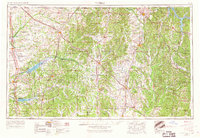 1956 Tupelo1967 Print · USGSNortheast Mississippi and parts of Tennessee and Alabama are shown here during the mid-fifties, a time of major reservoir construction and forestry management. Researchers can trace the St Louis-San Francisco RR through Tupelo or locate historic sites like Tishomingo State Park and the University.2 unique versions available
 - 1958 Map of Tupelo
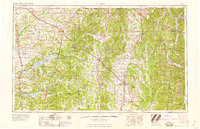 1958 Tupelo1958 Print · USGSNortheast Mississippi and neighboring Alabama and Tennessee appear here during the late fifties as a region defined by new reservoirs and historic rail lines. Genealogists can trace family locations near Sardis Lake, Woodall Mountain, and the St Louis-San Francisco Ry.
 - 1965 Map of Fulton SE, 1966 Print
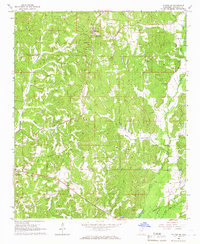 1965 Fulton SE1966 Print · USGSItawamba County in the mid-sixties is a landscape of winding creek valleys and high ridge lookouts. Researchers can find numerous country churches and cemeteries, from New Temple Ch to Palmetto Cem, and trace the rural roads around Fairview.2 unique versions available
 - 1965 Map of Fulton, 1966 Print
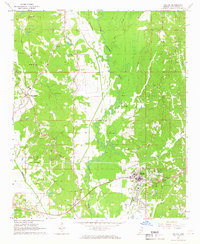 1965 Fulton1966 Print · USGSItawamba County is documented here in the mid-1960s as the river-and-rail economy of the Tombigbee River valley centered on Fulton. Genealogists and historians can trace numerous rural landmarks, including Warrens Chapel Cem, Indian Mounds, and the Mississippian railroad line.3 unique versions available
 - 1966 Map of Beans Ferry, 1967 Print
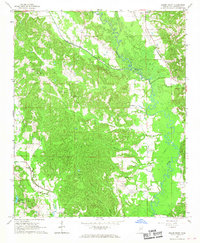 1966 Beans Ferry1967 Print · USGSThe Tombigbee River corridor in the mid-sixties shows a rural landscape of small settlements and family farms. Genealogists can locate family-named landmarks like Bean Cem and Wiygul Cem or historic community centers such as Beans Ferry and Hopewell Ch.
 - 1984 Map of Tupelo
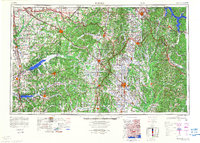 1984 Tupelo1984 Print · USGSNorth Mississippi in the 1980s is defined by its massive river basin reservoirs and the growing regional hubs of Tupelo and Oxford. Researchers can trace the legacy of the Pontotoc Ridge, find the University of Mississippi, and map early Interstate corridors near Sardis Lake.3 unique versions available
 - 1984 Map of Tupelo, 1985 Print
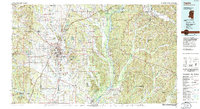 1984 Tupelo1985 Print · USGSNortheast Mississippi and the Alabama borderlands are shown in the mid-1980s as timber and river networks shaped the region. Trace local history through the Illinois Central Gulf rail line and sites like the Old Natchez Trace Parkway.
 - 1992 Map of Beans Ferry, 1995 Print
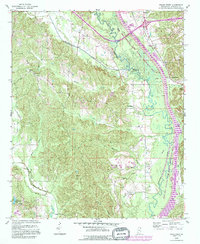 1992 Beans Ferry1995 Print · USGSItawamba County is documented here in the early nineties, showing the intersection of the massive TENNESSEE-TOMBIGBEE WATERWAY and the older river path. Genealogists can trace family landmarks like Bean Cem, Booth Cem, and the settlement at Beans Ferry.
 - 1992 Map of Fulton, 1995 Print
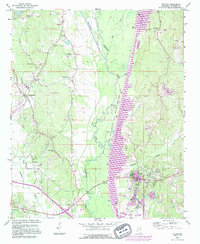 1992 Fulton1995 Print · USGSItawamba County’s river landscape is shown here during the late twentieth-century expansion of the Tennessee-Tombigbee system. Genealogists can trace family landmarks like Files Cem and Stephens Ch alongside the growing campus of Itawamba Community College.
 - 2012 Map of Fulton SE, 2012 Print
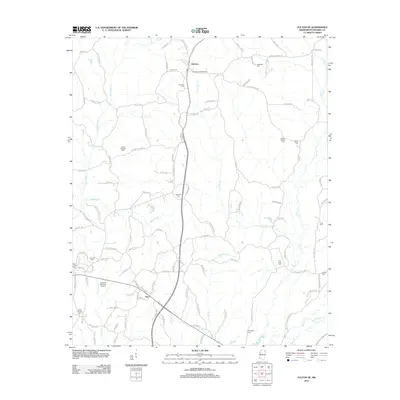 2012 Fulton SE2012 Print · USGSItawamba County’s rural landscape is meticulously detailed in this early 2010s survey of the areas around Fairview and Clay. Researchers can trace family roots through a high density of local sites like Palmetto Cem, Martin Cem, and the Fairview Lookout Tower.
 - 2012 Map of Beans Ferry, 2012 Print
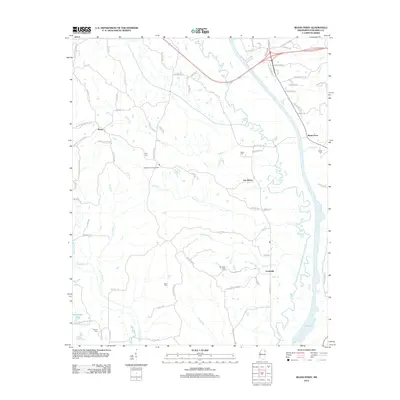 2012 Beans Ferry2012 Print · USGSItawamba County’s riverfront history is preserved here along the Tombigbee River corridor in the early twenty-first century. Researchers can trace the rural landscape of Van Buren and Cardsville or locate family sites at Keys Cem and Bean Cem.
 - 2012 Map of Fulton, 2012 Print
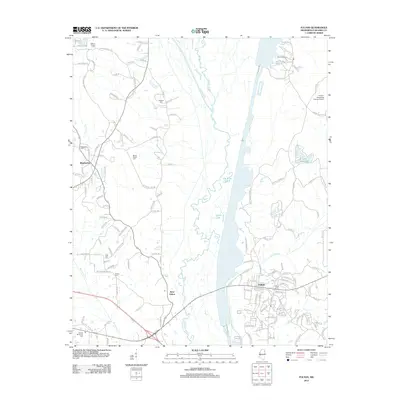 2012 Fulton2012 Print · USGSItawamba County’s riverfront and rural uplands are shown in detail during this period of the early 2010s. Researchers can locate numerous family landmarks and burial sites such as Dorsey Memorial Cem, Mount Pisgah Cem, and Warren Chapel Cem near Mantachie.
 - 2015 Map of Beans Ferry, 2015 Print
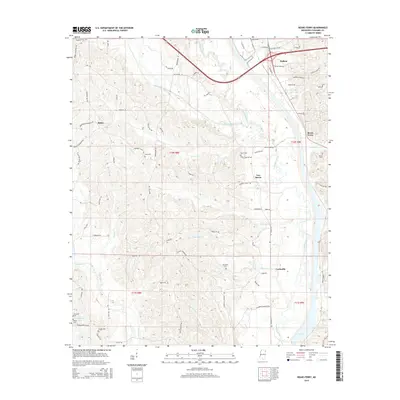 2015 Beans Ferry2015 Print · USGSItawamba County’s river-bottom lands and rural communities are preserved in this 2010s survey of the Tombigbee River valley. Genealogists and local historians can trace family-named sites across Fulton, Beans Ferry, and Van Buren, alongside numerous burial grounds like Keys Cem and Bourland Cem.
 - 2015 Map of Fulton SE, 2015 Print
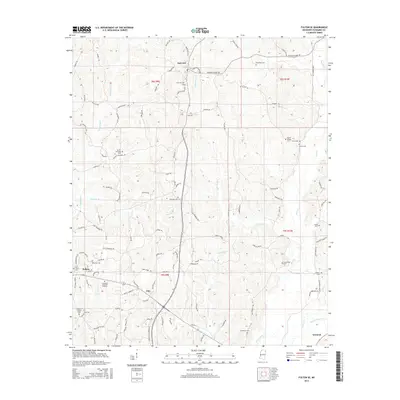 2015 Fulton SE2015 Print · USGSItawamba County in the early twenty-first century remains a landscape of quiet rural communities and deep-rooted family history. Genealogists can locate numerous burial grounds and landmarks like Fairview Cem, Itawamba Memorial Gardens, and the historic Fairview Church.
 - 2015 Map of Fulton, 2015 Print
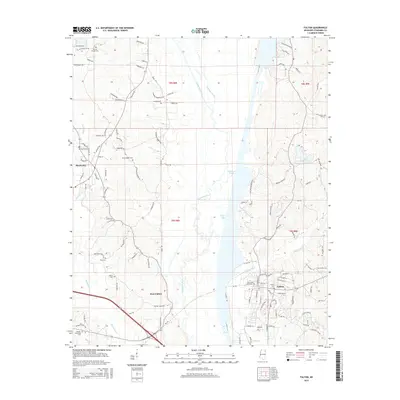 2015 Fulton2015 Print · USGSItawamba County in the mid-2010s shows a landscape shaped by the Tombigbee River and the growth of its central communities. Researchers can trace numerous local burial grounds and family-named landmarks like Warren Chapel Cem, Files Cem, and Itawamba Community Coll.
 - 2018 Map of Beans Ferry, 2018 Print
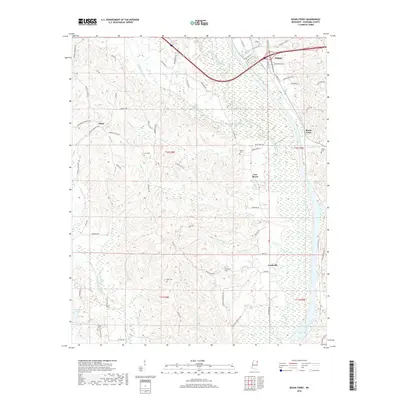 2018 Beans Ferry2018 Print · USGSItawamba County’s river-bound history comes alive in this 2018 survey of the settlements and family landmarks along the Tombigbee River. Local historians can trace the heritage of Fulton or locate ancestral sites at Keys Cem, Bean Cem, and the historic Beans Ferry crossing.
 - 2018 Map of Fulton, 2018 Print
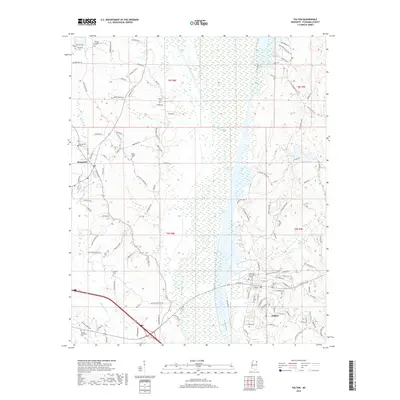 2018 Fulton2018 Print · USGSItawamba County in the late 2010s shows a landscape of river navigation and established rural communities. Researchers can locate numerous family burial sites such as Stevens Cem and Files Cem or trace the area surrounding Itawamba Community College.
 - 2018 Map of Fulton SE, 2018 Print
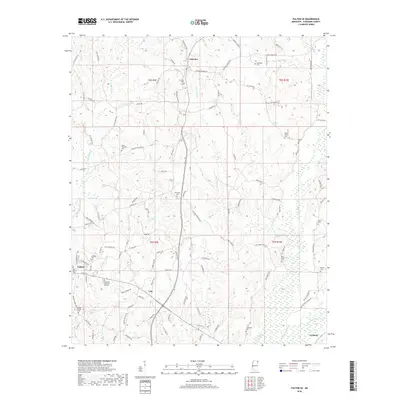 2018 Fulton SE2018 Print · USGSItawamba County’s rural landscape is captured here in the late twenty-teens, showing the dispersed settlements of Fulton, Clay, and Tremont. Genealogists will find a wealth of burial sites to trace, from Hardin Chapel Cem to the Gun Creek Cem near Bull Mountain.
 - 2020 Map of Beans Ferry, 2020 Print
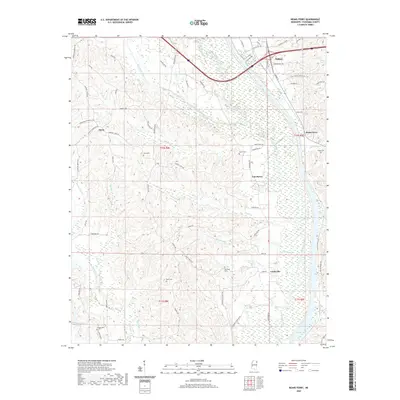 2020 Beans Ferry2020 Print · USGSItawamba County’s river-bottom landscape is captured here in the contemporary era, centered on the historic river crossing at Beans Ferry. Researchers can locate family landmarks such as Bean Cem and Wygul Cem or trace the early paths of Van Buren and Cardsville.
 - 2021 Map of Fulton SE, 2021 Print
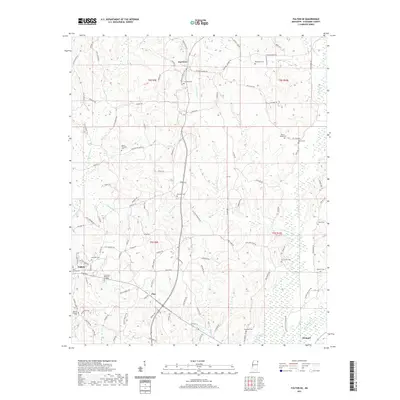 2021 Fulton SE2021 Print · USGSItawamba County in the early twenty-first century reveals a landscape where family lineages are etched into the map through small burial grounds and rural roads. Genealogists can trace local heritage through sites like Hardin Chapel Cem, Fairview, and the winding path of Little Briar Cr.
 - 2021 Map of Fulton, 2021 Print
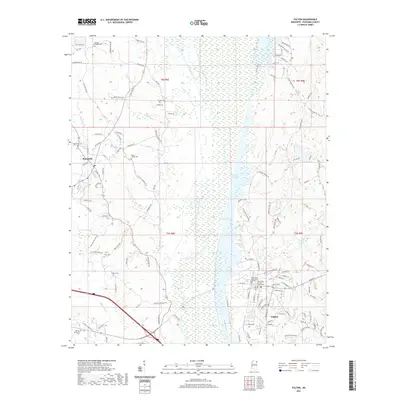 2021 Fulton2021 Print · USGSItawamba County’s river-bottoms and ridges are captured here in the early twenty-first century, centered on the county seat and the college campus. Researchers can trace family history through numerous rural burial grounds like Stevens Cem and Walton Cem or explore the wetlands around Queen Lake.
 - 2024 Map of Fulton, 2024 Print
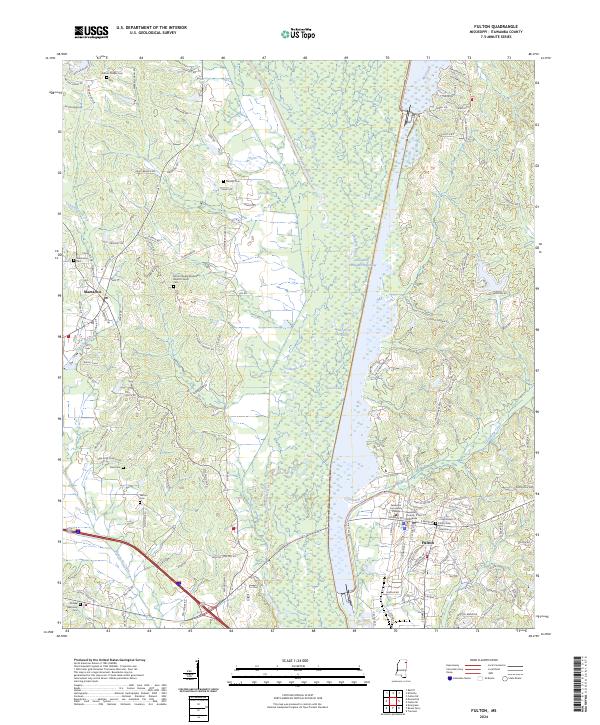 2024 Fulton2024 Print · USGSItawamba County’s river-fed landscape is captured here as the modern waterway meets the historic valley floor. Researchers can trace family roots at Mantachie Cem or locate the Itawamba County Courthouse and Itawamba Community College in the heart of Fulton.
 - 2024 Map of Fulton SE, 2024 Print
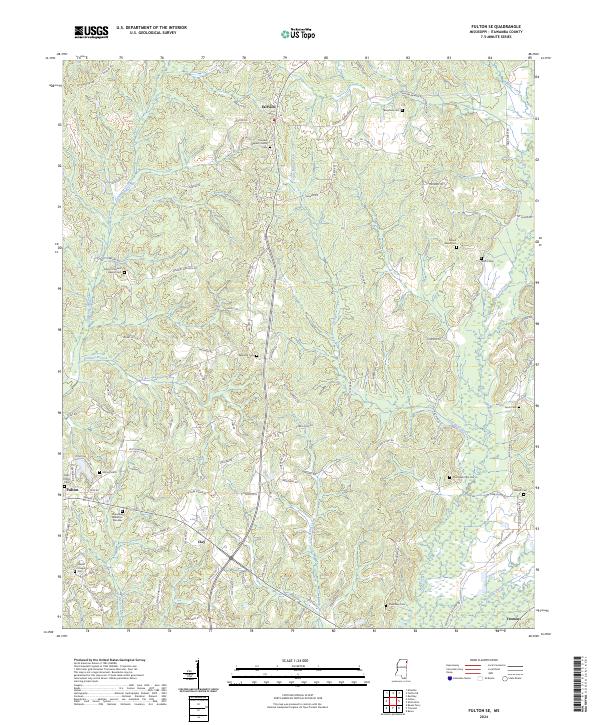 2024 Fulton SE2024 Print · USGSSoutheast of Fulton in the mid-2020s, this area of Itawamba County shows a landscape of small settlements and numerous rural cemeteries. Genealogists can trace family sites at Fairview Baptist Church Cem, Mount Gilead Cem, and Chamblee Cem.
 - 2024 Map of Beans Ferry, 2024 Print
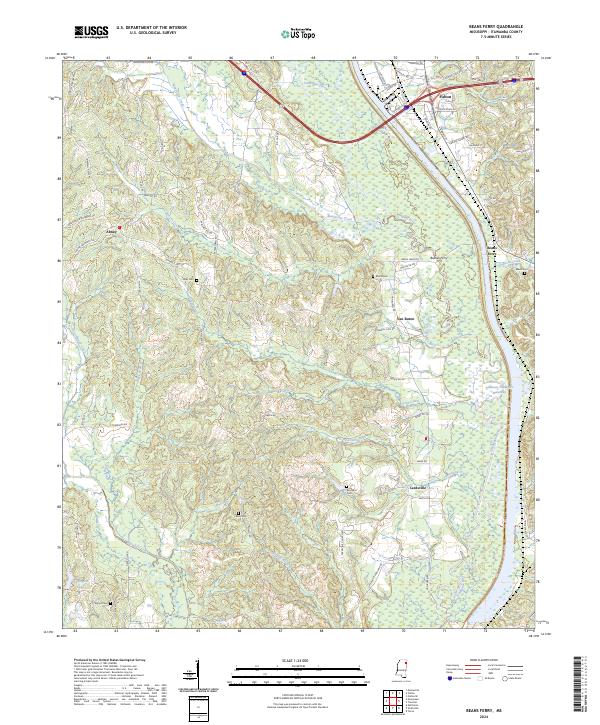 2024 Beans Ferry2024 Print · USGSThe Tombigbee River corridor in Itawamba County is captured here in its modern form, featuring both the original river and the Tennessee-Tombigbee Waterway. Trace family history at Reeds Cem and explore the historic river landings near Beans Ferry and Van Buren.
End of results
Showing maps 1-24 of 24
Top cities near Fulton
- Baldwyn historical maps
- Belmont historical maps
- Nettleton historical maps
- Mantachie historical maps
- Smithville historical maps
- Tremont historical maps
See more
Frequently asked questions
- What are the different types of historical maps available for Fulton?
- What is the oldest map of Fulton?
- Where can I purchase historical maps of Fulton for my home or office?
- Where can I download high-res historical maps of Fulton?
- Are there historical topographic maps available for Fulton?
- Is there historical aerial imagery available for Fulton?
- Where are historical maps of Fulton sourced from?