Old Maps of Mooresville, Missouri
Explore 19 old maps of Mooresville, spanning from 1921 to today. These high-resolution historic maps reveal how streets, neighborhoods, landmarks, and natural features evolved over time — perfect for genealogy, metal detecting, research, and local history exploration.
What you can do with these maps:
- See how Mooresville changed over time: Compare historical maps to modern-day views to trace roads, homesites, rail lines & more.
- View detailed metadata: Each map includes creators, publishers, year, scale, and archive source.
- Overlay maps with satellite & LiDAR: Visualize the past alongside modern tools to explore terrain & human change.
- Trusted historical sources: Maps sourced from the USGS, Library of Congress, and other archives.
- Access maps your way: View online, download high-res files, or order prints for personal or research use.
Start exploring old maps of Mooresville to uncover forgotten places, hidden landmarks, and the deep history beneath your feet.
Mooresville, MO maps
(19)- 1921 Map of Chillicothe, 1958 Print
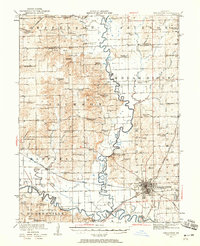 1921 Chillicothe1958 Print · USGSNorth-central Missouri at the start of the 1920s is a landscape of river-bottom farms and a bustling rail hub at the intersection of four major lines. Genealogists and researchers can trace dozens of country schoolhouses and early post offices like Hickory Creek P O, Lily Grove Church, and the Graham Mill Bridge.2 unique versions available
 - 1923 Map of Chillicothe
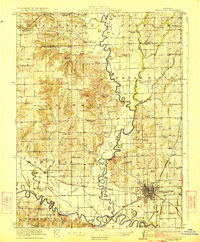 1923 Chillicothe1923 Print · USGSThe Livingston County rail hub of Chillicothe is shown here in the early twenties at the height of its regional importance. Genealogists can trace dozens of rural school districts like Happy Hollow School and early centers like Hickory P O.2 unique versions available
 - 1924 Map of Dawn
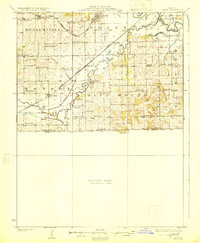 1924 Dawn1924 Print · USGSLivingston County's agricultural heartland is captured here in the mid-twenties, a landscape defined by small rail towns and one-room schoolhouses. Genealogists can locate family landmarks like Johnson School or Swain School along the busy Chicago Milwaukee and St. Paul rail line.4 unique versions available
 - 1951 Map of Utica, 1952 Print
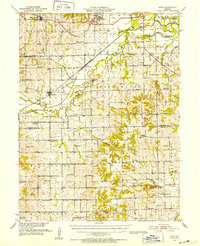 1951 Utica1952 Print · USGSLivingston and Carroll counties are mapped here in the early fifties, showing a landscape defined by the Grand River and thriving rail corridors. Researchers can trace dozens of rural school sites like McCleary Sch and family-named landmarks from Bunch Hollow to Tater Hill.
 - 1953 Map of Moberly
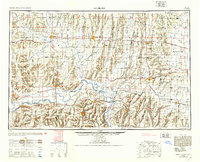 1953 Moberly1953 Print · USGSMid-century north-central Missouri is documented here as a bustling intersection of river commerce and heavy rail. Researchers can trace historic family-named landmarks and transport hubs from the Missouri River corridor to the rail yards of Moberly, Chillicothe, and Macon.
 - 1954 Map of Moberly, 1969 Print
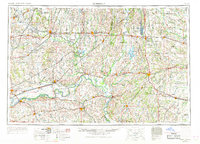 1954 Moberly1969 Print · USGSMid-century Missouri is captured here during a period of transition for its river towns and rail hubs. Genealogists and historians can trace the paths of the Wabash railroad through Moberly or explore the riverside layout of Lexington and Brunswick.3 unique versions available
 - 1957 Map of Moberly
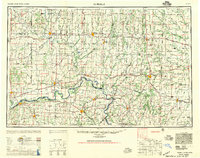 1957 Moberly1957 Print · USGSNorth-central Missouri in the late nineteen-forties and fifties remains a landscape defined by its great rivers and a dense network of steam and diesel rail lines. Genealogists and historians can trace the paths of the Wabash RR and Santa Fe RR through historic junctions like Moberly, Brookfield, and Macon.
 - 1960 Map of Moberly
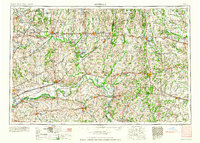 1960 Moberly1960 Print · USGSCentral Missouri comes alive in the mid-twentieth century as a bustling network of river towns and significant rail corridors. Genealogists and historians can trace the paths of the Wabash RR through Moberly or explore the riverfronts of Lexington and Brunswick.
 - 1981 Map of Chillicothe
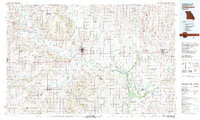 1981 Chillicothe1981 Print · USGSNorth Missouri's Grand River basin comes into focus during the early 1980s, showcasing a network of vital rail lines and river settlements. Genealogists and historians can trace rail-town development from Gallatin to Brookfield and explore extensive conservation lands like Swan Lake National Wildlife Refuge.
 - 1984 Map of Utica West, 1985 Print
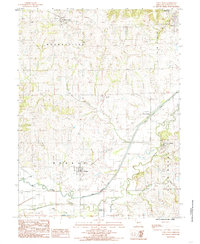 1984 Utica West1985 Print · USGSLivingston County in the early 1980s reveals a network of rural townships and winding creek bottoms before modern agricultural shifts. Genealogists and local historians can trace the foundations of Mooresville, Ludlow, and the high ground of Blue Mound.
 - 1984 Map of Sampsel, 1985 Print
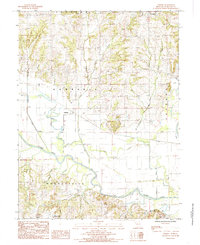 1984 Sampsel1985 Print · USGSLivingston County in the early 1980s reveals a landscape defined by the winding Grand River and its protective levee system. Genealogists and local historians can trace the rural crossroads of Sampsel, locate numerous rural cemeteries, and explore the drainage of Polecat Creek.
 - 2012 Map of Utica West, 2012 Print
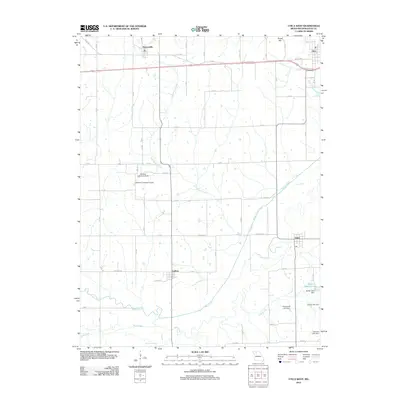 2012 Utica West2012 Print · USGSLivingston County's rural landscape is captured here in the early twenty-first century, showing the enduring agricultural character of the region. Researchers can locate family-named landmarks like Paul Jones Lake Dam and Johnson Lake Dam near the settlements of Ludlow and Dawn.
 - 2012 Map of Sampsel, 2012 Print
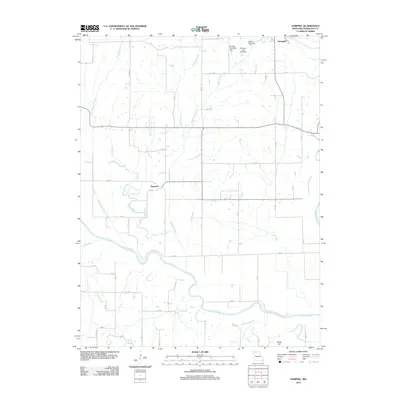 2012 Sampsel2012 Print · USGSLivingston County's river valleys are captured here in the early twenty-first century, centered on the Sampsel area and the winding Grand River. Genealogists can trace property lines and rural landmarks near Springhill, Shale Hill, and McVey Lake Dam.
 - 2015 Map of Utica West, 2015 Print
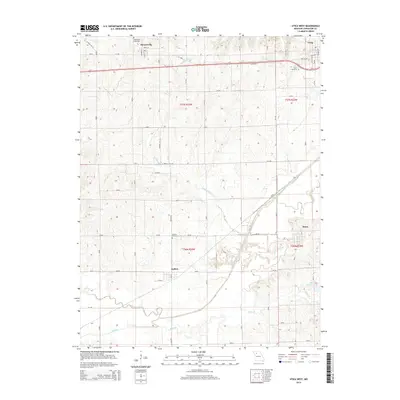 2015 Utica West2015 Print · USGSLivingston County’s agricultural heartland is documented here in the mid-2010s, showing the rural communities between the highway and the creek bottoms. Researchers can trace family history through the Mooresville Cemetery or locate old homesteads near Ludlow and Dawn.
 - 2015 Map of Sampsel, 2015 Print
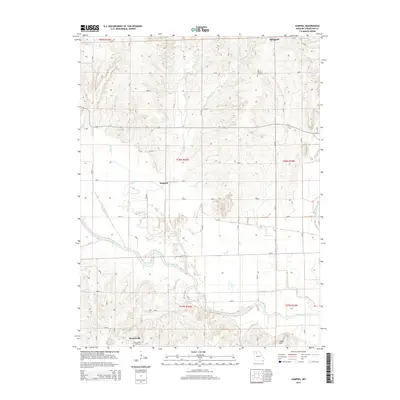 2015 Sampsel2015 Print · USGSLivingston County settlements and river bottomlands are documented here in the mid-2010s. Genealogists and local historians can trace family plots at Mooresville Cemetery and Mount Pleasant Cemetery or locate the quiet crossroads of Sampsel and Springhill.
 - 2017 Map of Sampsel, 2017 Print
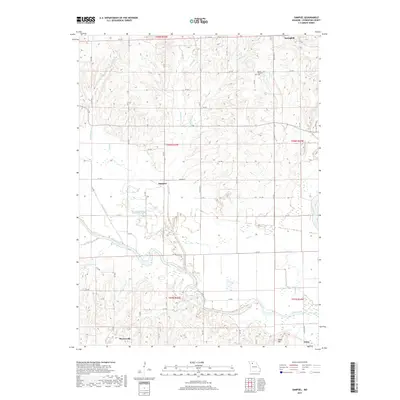 2017 Sampsel2017 Print · USGSLivingston County's river valleys and rural townships are captured here in the late twenty-tens, showing the land just as it appeared in recent years. Researchers can trace family sites near Sampsel and Springhill or locate the Mount Pleasant Cem and the prominent Shale Hill.
 - 2017 Map of Utica West, 2017 Print
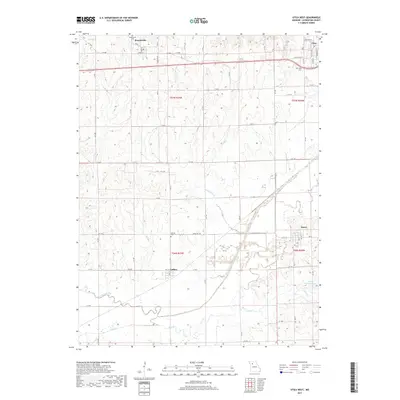 2017 Utica West2017 Print · USGSWestern Livingston County is mapped here in the late 2010s, showing a well-established rural landscape shaped by the Missouri stream network. Researchers can pinpoint several community landmarks, including Mooresville Cemetery, the town of Dawn, and Melvin Watkins Lake.
 - 2021 Map of Sampsel, 2021 Print
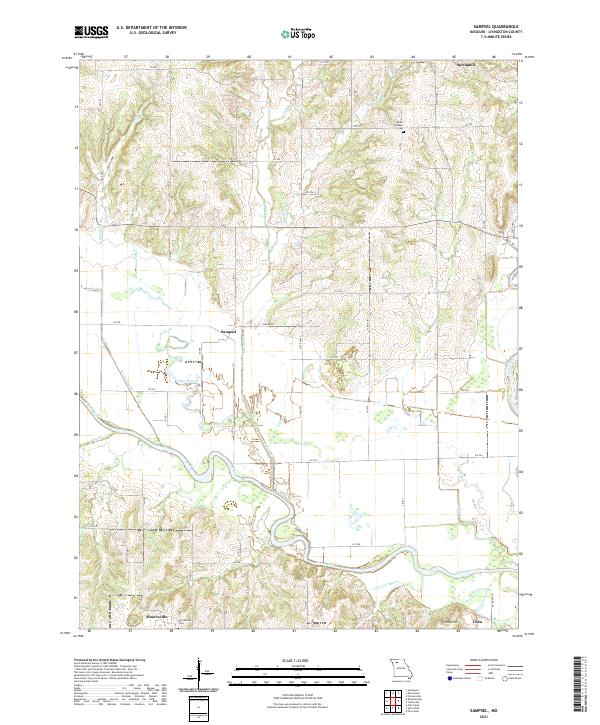 2021 Sampsel2021 Print · USGSLivingston County settlements and river valleys are captured here as they appeared in the early twenty-first century. Researchers can trace the winding Grand River and locate family landmarks like Mooresville Cem, Mount Pleasant Cem, and Sampsel.
 - 2021 Map of Utica West, 2021 Print
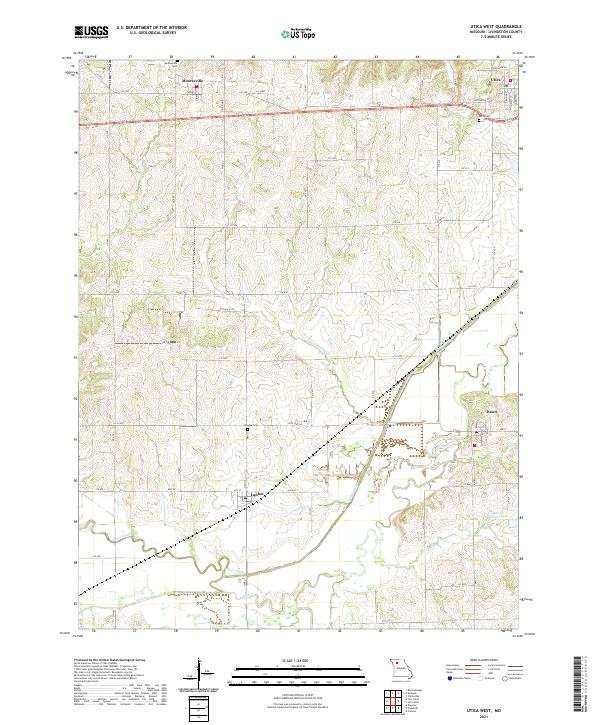 2021 Utica West2021 Print · USGSLivingston County communities and family-named cemeteries are documented here as they appeared in the early 2020s. Genealogists can locate ancestors at Mooresville Cem or Utica Cem and trace the rural reaches of Shoal Creek near Ludlow.
End of results
Showing maps 1-19 of 19
Top cities near Mooresville
- Chillicothe historical maps
- Braymer historical maps
- Jamesport historical maps
- Breckenridge historical maps
- Blue Mound historical maps
- New York historical maps
See more
Frequently asked questions
- What are the different types of historical maps available for Mooresville?
- What is the oldest map of Mooresville?
- Where can I purchase historical maps of Mooresville for my home or office?
- Where can I download high-res historical maps of Mooresville?
- Are there historical topographic maps available for Mooresville?
- Is there historical aerial imagery available for Mooresville?
- Where are historical maps of Mooresville sourced from?