Old Maps of Pinnacle, Montana
Explore 12 old maps of Pinnacle, spanning from 1914 to today. These high-resolution historic maps reveal how streets, neighborhoods, landmarks, and natural features evolved over time — perfect for genealogy, metal detecting, research, and local history exploration.
What you can do with these maps:
- See how Pinnacle changed over time: Compare historical maps to modern-day views to trace roads, homesites, rail lines & more.
- View detailed metadata: Each map includes creators, publishers, year, scale, and archive source.
- Overlay maps with satellite & LiDAR: Visualize the past alongside modern tools to explore terrain & human change.
- Trusted historical sources: Maps sourced from the USGS, Library of Congress, and other archives.
- Access maps your way: View online, download high-res files, or order prints for personal or research use.
Start exploring old maps of Pinnacle to uncover forgotten places, hidden landmarks, and the deep history beneath your feet.
Pinnacle, MT maps
(12)- 1914 Map of Nyack
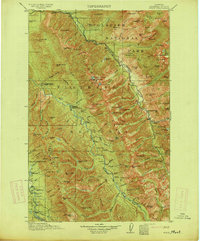 1914 Nyack1914 Print · USGSThe Middle Fork Flathead River corridor is captured here during the early days of Glacier National Park. Historians and researchers can trace the Great Northern rail line through remote stops at Nyack, Essex, and Java.3 unique versions available
 - 1960 Map of Cut Bank, 1968 Print
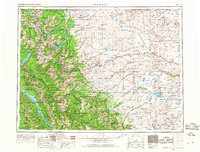 1960 Cut Bank1968 Print · USGSThe high peaks of the Rockies meet the eastern plains in the 1960s, showing the intersection of federal lands and the Blackfeet Indian Reservation. Trace the path of the Great Northern railway and find local landmarks like the Blackfoot Boarding School and Family Mission Cem.3 unique versions available
 - 1963 Map of Cut Bank
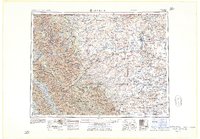 1963 Cut Bank1963 Print · USGSNorthern Montana’s mountain passes and high plains are captured here in the early 1960s. Genealogists and historians can trace the Great Northern rail stops from Browning to Ethridge or locate the remote outposts at Polebridge and Babb.
 - 1964 Map of Cut Bank
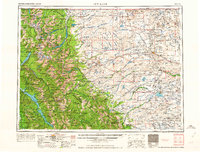 1964 Cut Bank1964 Print · USGSGlacier National Park and the Blackfeet Indian Reservation meet in the early sixties at the triple divide of North America. Researchers can trace the Great Northern Railway through mountain passes and locate local landmarks like the Blackfoot Boarding School and Apgar Village.
 - 1964 Map of Pinnacle, 1968 Print
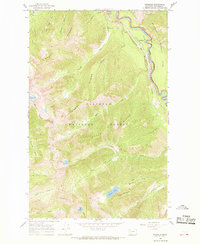 1964 Pinnacle1968 Print · USGSThe Middle Fork Flathead River corridor is shown in the mid-1960s, marking the boundary of Glacier National Park. Trace the engineering of the Great Northern Railway through Pinnacle or locate remote landmarks like Grant Glacier and Marion Lake.3 unique versions available
 - 1981 Map of Hungry Horse Reservoir, 1982 Print
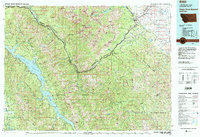 1981 Hungry Horse Reservoir1982 Print · USGSThe Flathead region in the early eighties shows a wilderness managed through rail and reservoir. Genealogists and historians can trace rail-stop settlements like Nyack, Essex, and Summit along the Burlington Northern line and the John F Stevens Canyon.
 - 1994 Map of Pinnacle, 1997 Print
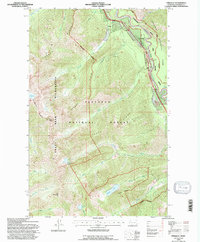 1994 Pinnacle1997 Print · USGSThe Flathead River corridor in the 1990s showcases the wild intersection of protected lands and mountain railroading. Trace the Burlington Northern line as it snakes past Pinnacle and landmarks like Mount Liebig and Marion Lake.
 - 2011 Map of Pinnacle, 2011 Print
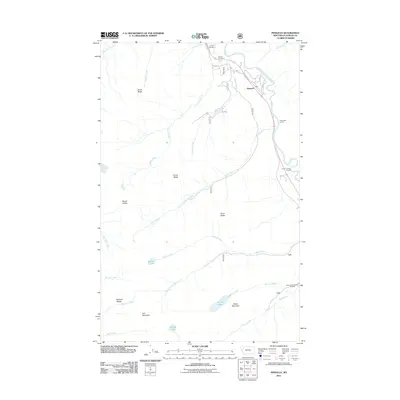 2011 Pinnacle2011 Print · USGSPinnacle and the Flathead River valley are captured in the early twenty-first century as the corridor maintains its vital transportation and recreation roles. Researchers can trace the rugged mountain geography from Mount Liebig to the shores of Marion Lake and Almeda Lake.
 - 2014 Map of Pinnacle, 2014 Print
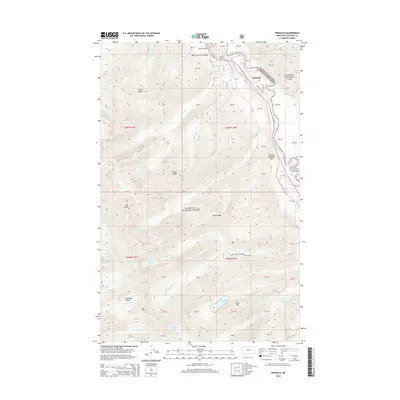 2014 Pinnacle2014 Print · USGSThe high peaks of the Flathead Range meet Glacier National Park in this 2010s survey of Northwest Montana. Genealogists and local historians can trace the transit corridor through John F Stevens Canyon and the settlement of Pinnacle along the Middle Fork Flathead River.
 - 2017 Map of Pinnacle, 2017 Print
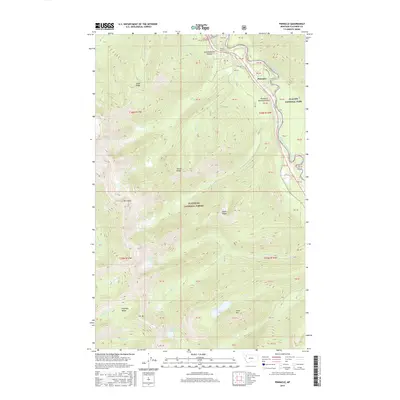 2017 Pinnacle2017 Print · USGSThe high Montana wilderness near the Continental Divide is captured here in the late twenty-tens, where the Middle Fork Flathead River meets the mountains. Trace the winding paths of Old Hwy 2 E and the vital transit routes through John F Stevens Canyon and Theodore Roosevelt Pass.
 - 2020 Map of Pinnacle, 2020 Print
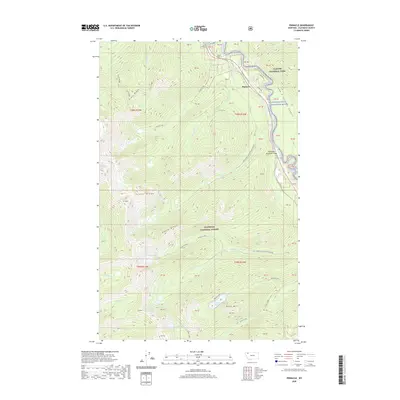 2020 Pinnacle2020 Print · USGSThe Flathead River corridor comes to life in this recent survey of the gateway to Glacier. You can trace the rugged rail passage through John F Stevens Canyon and locate high-country landmarks like Theodore Roosevelt Pass and Marion Lake.
 - 2024 Map of Pinnacle, 2024 Print
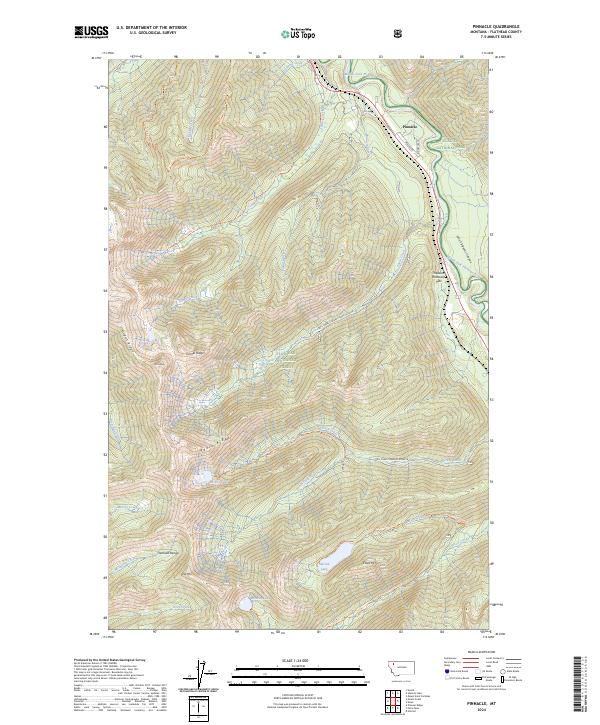 2024 Pinnacle2024 Print · USGSThe community of Pinnacle and the surrounding Flathead wilderness are documented here in the 2020s. Researchers can trace the path of Old Hwy 2 through John F Stevens Canyon or locate remote high-altitude waters like Marion Lake and Almeda Lake.
End of results
Showing maps 1-12 of 12
Frequently asked questions
- What are the different types of historical maps available for Pinnacle?
- What is the oldest map of Pinnacle?
- Where can I purchase historical maps of Pinnacle for my home or office?
- Where can I download high-res historical maps of Pinnacle?
- Are there historical topographic maps available for Pinnacle?
- Is there historical aerial imagery available for Pinnacle?
- Where are historical maps of Pinnacle sourced from?