Old Maps of Lame Deer District, Montana
Explore 53 old maps of Lame Deer District, spanning from 1954 to today. These high-resolution historic maps reveal how streets, neighborhoods, landmarks, and natural features evolved over time — perfect for genealogy, metal detecting, research, and local history exploration.
What you can do with these maps:
- See how Lame Deer District changed over time: Compare historical maps to modern-day views to trace roads, homesites, rail lines & more.
- View detailed metadata: Each map includes creators, publishers, year, scale, and archive source.
- Overlay maps with satellite & LiDAR: Visualize the past alongside modern tools to explore terrain & human change.
- Trusted historical sources: Maps sourced from the USGS, Library of Congress, and other archives.
- Access maps your way: View online, download high-res files, or order prints for personal or research use.
Start exploring old maps of Lame Deer District to uncover forgotten places, hidden landmarks, and the deep history beneath your feet.
Lame Deer District, MT maps
(53)- 1954 Map of Hardin, 1964 Print
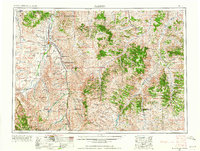 1954 Hardin1964 Print · USGSSoutheastern Montana is documented here during the mid-fifties, showing the vast tribal lands and historic battle sites before modern highway expansion. Researchers can trace the Chicago Burlington and Quincy rail line through Hardin or locate the Custer National Cemetery and Museum.2 unique versions available
 - 1957 Map of Hardin
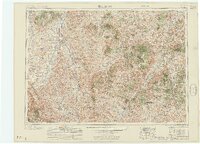 1957 Hardin1957 Print · USGSSoutheastern Montana in the mid-fifties reveals a landscape shaped by tribal lands and the historic Bighorn river valleys. Researchers can trace the Chicago Burlington and Quincy RR through Hardin and locate the National Cemetery and Custer Battlefield Monument.
 - 1958 Map of Hardin
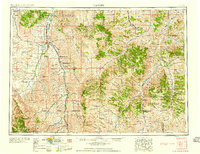 1958 Hardin1958 Print · USGSSoutheastern Montana in the mid-fifties presents a landscape defined by significant tribal lands and national monuments. Researchers can trace the geography of the Little Bighorn at Custer Battlefield National Monument and locate settlements like Lame Deer and Birney.
 - 1958 Map of Garfield Peak, 1960 Print
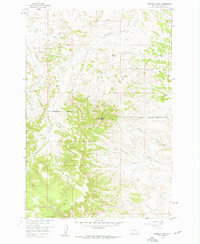 1958 Garfield Peak1960 Print · USGSThe Rosebud County high country is captured here during the late fifties, showing a landscape defined by ranching and early energy exploration. Researchers can trace the Old Indian Reservation Boundary and locate family-named sites like Wood Place and Fields Reservoir.3 unique versions available
 - 1958 Map of Jimtown, 1960 Print
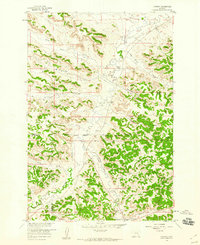 1958 Jimtown1960 Print · USGSThe Northern Cheyenne Indian Reservation boundary and the ranching country of Rosebud County are detailed here in the late fifties. Researchers can trace family sites like McKay Ranch, the settlement of Jimtown, and local landmarks including a Sawmill and Cem.2 unique versions available
 - 1958 Map of Fisher Butte, 1960 Print
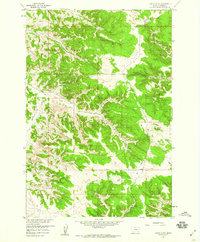 1958 Fisher Butte1960 Print · USGSIn the high country of Rosebud County during the late fifties, this survey captures the industrial and natural landscape of the Northern Cheyenne vicinity. Researchers can locate the Lame Deer Strip Mine and trace water sources like Crazy Head Spring and Broken Jaw Spring.3 unique versions available
 - 1958 Map of Lame Deer, 1960 Print
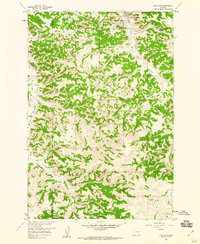 1958 Lame Deer1960 Print · USGSLame Deer and the surrounding gulches of the Northern Cheyenne Indian Reservation are captured here in the late fifties. Genealogists and historians can trace family locations and early rural outposts like Harris Ranch, the Lame Deer Sch, and the Bixby Ranch.3 unique versions available
 - 1958 Map of Badger Peak, 1960 Print
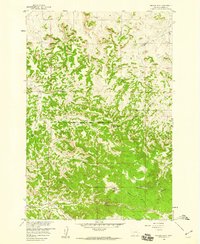 1958 Badger Peak1960 Print · USGSThe high Montana ridges of Rosebud County are captured here in the late fifties, showing the Northern Cheyenne Indian Reservation Boundary. Researchers can trace the drainage of Alderson Creek or locate landmarks like Charlie Black Butte and the high summit of Badger Peak.2 unique versions available
 - 1958 Map of Hollowwood Creek, 1960 Print
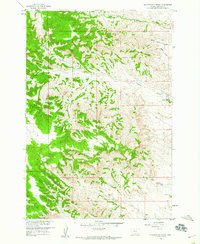 1958 Hollowwood Creek1960 Print · USGSSoutheast Montana in the late fifties was a landscape of named coulees and vital water sources before modern development. Researchers can trace land features like Bighead Reservoir and several remote landmarks like Walking Horse Coulee or the local Landing Strip.3 unique versions available
 - 1967 Map of Clubfoot Creek, 1970 Print
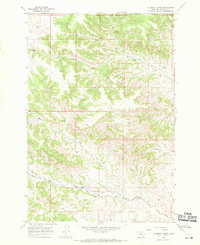 1967 Clubfoot Creek1970 Print · USGSThe Northern Cheyenne Indian Reservation boundary and remote Montana ranchlands are captured in the late sixties. Genealogists and local historians can locate Morland Ranch and trace the many named water sources like Rondeau Spring and Black Eagle Spring.2 unique versions available
 - 1967 Map of Cook Creek Butte, 1971 Print
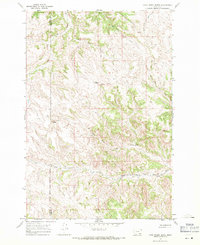 1967 Cook Creek Butte1971 Print · USGSThe Northern Cheyenne Indian Reservation in the late sixties reveals a landscape of high ridges and vital water sources. Genealogists and historians can locate the Big Horn Co Rosebud Co line and landmarks like Cook Creek Butte or the Buffalo Jump.2 unique versions available
 - 1980 Map of Lame Deer
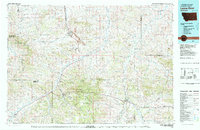 1980 Lame Deer1980 Print · USGSHigh plains ranching and coal mining define this corner of Montana as the eighties began. Researchers can trace the rail lines of the Burlington Northern and locate sites like Colstrip, Jimtown, and the Big Sky Strip Mine.
 - 1980 Map of Birney
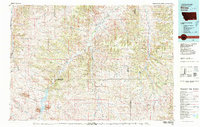 1980 Birney1980 Print · USGSSoutheastern Montana enters a period of intensive energy development in the early 1980s as coal mines expand across the Big Horn County line. Researchers can trace the industrial footprints of the Spring Creek Mine and West Decker Mine or locate rural landmarks like the Birney Day School.
 - 2011 Map of Lame Deer, 2011 Print
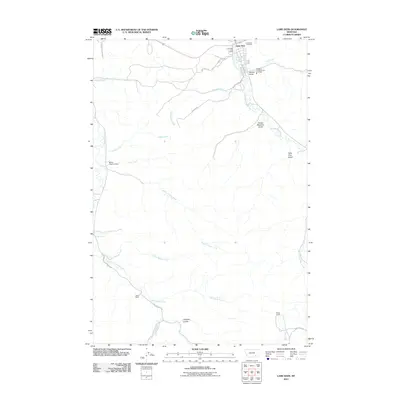 2011 Lame Deer2011 Print · USGSLame Deer and the surrounding Northern Cheyenne tribal lands are documented here in the early twenty-first century. Genealogists and local historians can trace family locations at Harris Ranch or Bixby Ranch and locate the Lame Deer Cemetery and Muddy Creek Cemetery.
 - 2011 Map of Cook Creek Butte, 2011 Print
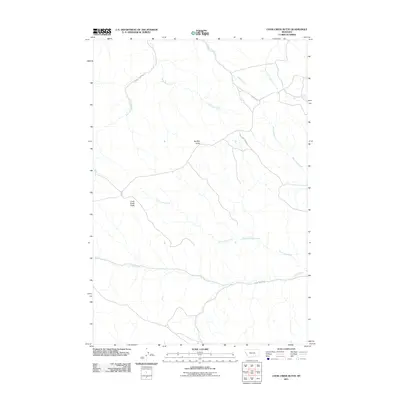 2011 Cook Creek Butte2011 Print · USGSRosebud County’s high plains are documented here in the early twenty-first century, featuring remote ranch roads and indigenous landmarks. Researchers can locate Buffalo Jump and trace the winding paths of Cook Creek Rd and Wild Hog Creek.
 - 2011 Map of Garfield Peak, 2011 Print
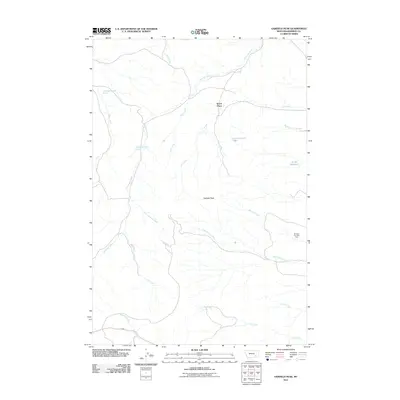 2011 Garfield Peak2011 Print · USGSThis part of Rosebud County in the early twenty-first century remains a landscape of remote ranching outposts and deep coulees. Researchers can locate the Wood Place and the unique Burning Coal Vein Area, or trace the vital waters of Greenleaf Creek and Fields Reservoir.
 - 2011 Map of Jimtown, 2011 Print
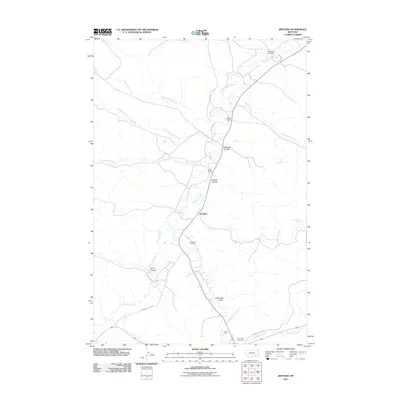 2011 Jimtown2011 Print · USGSRosebud County ranching country comes into focus in this early twenty-first-century survey of the terrain surrounding the settlement of Jimtown. Genealogists and local historians can locate legacy landholdings such as McKay Ranch or visit the Lame Deer Cemetery along the banks of Lame Deer Creek.
 - 2011 Map of Hollowwood Creek, 2011 Print
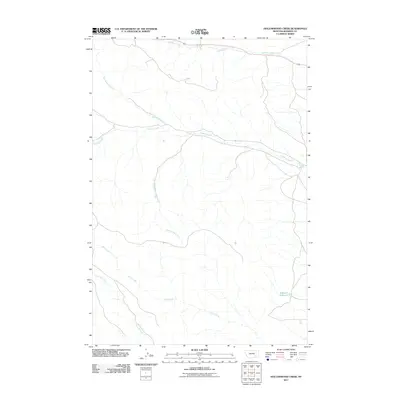 2011 Hollowwood Creek2011 Print · USGSRosebud County, Montana, is shown here at the start of the 2010s, revealing the complex drainage of the Birney District. Genealogists and researchers can trace the winding paths of Hollowwood Creek and Stebbins Creek or locate the site of Bighead Reservoir.
 - 2011 Map of Badger Peak, 2011 Print
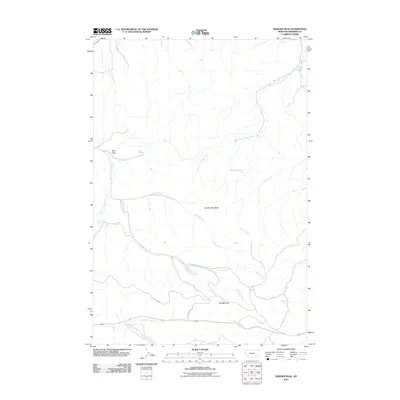 2011 Badger Peak2011 Print · USGSRosebud County, Montana, at the start of the 2010s reveals a landscape defined by its high buttes and complex creek systems. Trace the drainage patterns around Badger Peak and find named water sources like Diamond R Spring and Mud Springs along the route of Skyline Rd.
 - 2011 Map of Fisher Butte, 2011 Print
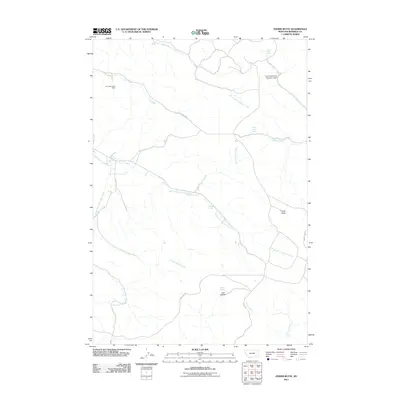 2011 Fisher Butte2011 Print · USGSRosebud County’s high plains and industrial history are visible here in the early twenty-first century. Researchers can trace the legacy of land and water use through the Lame Deer Strip Mine, Crazy Head Pond Number 3 Dam, and family-named landmarks like Fisher Butte.
 - 2011 Map of Clubfoot Creek, 2011 Print
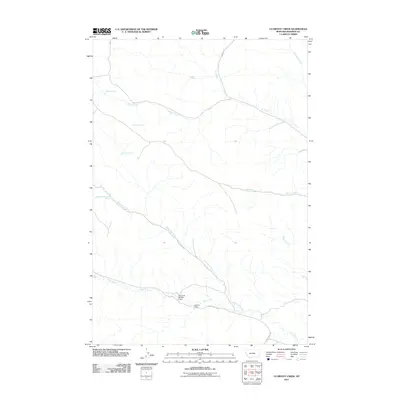 2011 Clubfoot Creek2011 Print · USGSRosebud County ranching country is mapped here in the early twenty-first century, showing a landscape defined by seasonal drainages and named water sources. Researchers can trace the layout of the Morland Ranch and locate the Cheyenne Number 4 Dam or remote landmarks like Rondeau Spring.
 - 2014 Map of Cook Creek Butte, 2014 Print
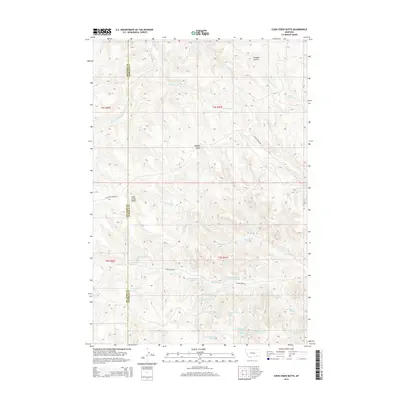 2014 Cook Creek Butte2014 Print · USGSHigh plains and steep buttes define the Rosebud and Big Horn County line in the early twenty-first century. Researchers can trace the drainage of Saint Johns Fork and locate the historic site of Buffalo Jump near Cook Creek Butte.
 - 2014 Map of Garfield Peak, 2014 Print
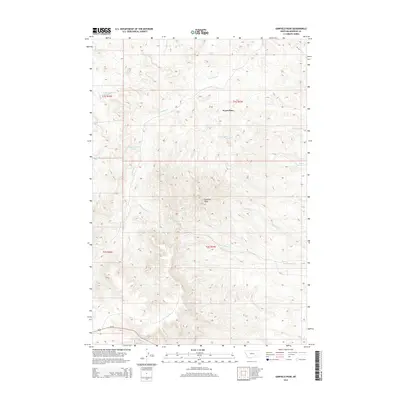 2014 Garfield Peak2014 Print · USGSThe northern reaches of the Ashland District are mapped here in the early twenty-first century, showing a landscape defined by ranching life and rugged drainages. Researchers can locate the Wood Place or trace the paths of Hollowbreast Cr and Reservation Cr through these high Montana plains.
 - 2014 Map of Lame Deer, 2014 Print
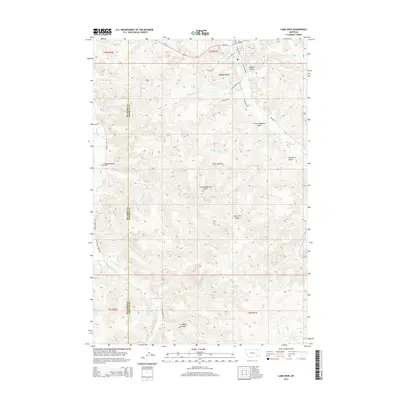 2014 Lame Deer2014 Print · USGSLame Deer and the surrounding gulches of the Northern Cheyenne Indian Reservation are documented here in the early twenty-first century. Researchers can locate the Muddy Creek Cem, trace the drainage of Spotted Elk Cr, and find family-named landmarks like Calls First Gulch.
 - 2014 Map of Fisher Butte, 2014 Print
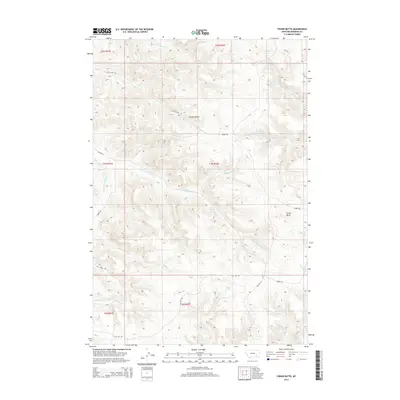 2014 Fisher Butte2014 Print · USGSThe ranchlands of Rosebud County are documented here in the early twenty-first century, showing a landscape shaped by narrow gulches and essential water sources. Genealogists and researchers can trace local landmarks like Fisher Butte, Soldier Gulch, and Spang Spring.
Showing maps 1-25 of 53
Top neighborhoods of Lame Deer District
Frequently asked questions
- What are the different types of historical maps available for Lame Deer District?
- What is the oldest map of Lame Deer District?
- Where can I purchase historical maps of Lame Deer District for my home or office?
- Where can I download high-res historical maps of Lame Deer District?
- Are there historical topographic maps available for Lame Deer District?
- Is there historical aerial imagery available for Lame Deer District?
- Where are historical maps of Lame Deer District sourced from?