Old Maps of Saunders County, Nebraska
Explore 122 old maps of Saunders County, spanning from 1893 to today. These high-resolution historic maps reveal how streets, neighborhoods, landmarks, and natural features evolved over time — perfect for genealogy, metal detecting, research, and local history exploration.
What you can do with these maps:
- See how Saunders County changed over time: Compare historical maps to modern-day views to trace roads, homesites, rail lines & more.
- View detailed metadata: Each map includes creators, publishers, year, scale, and archive source.
- Overlay maps with satellite & LiDAR: Visualize the past alongside modern tools to explore terrain & human change.
- Trusted historical sources: Maps sourced from the USGS, Library of Congress, and other archives.
- Access maps your way: View online, download high-res files, or order prints for personal or research use.
Start exploring old maps of Saunders County to uncover forgotten places, hidden landmarks, and the deep history beneath your feet.
Saunders County, NE maps
(122)- 1893 Map of Fremont, 1960 Print
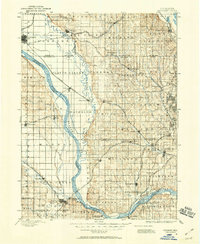 1893 Fremont1960 Print · USGSEastern Nebraska was a nexus of river navigation and rail expansion in the 1890s as the prairie gave way to organized township grids. Genealogists and historians can trace early settlements and transportation corridors through Fort Calhoun, the growth of Fremont, and the junctions of the Union Pacific R.R..
 - 1896 Map of Fremont
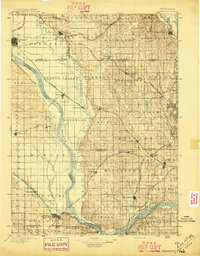 1896 Fremont1896 Print · USGSThe rail-driven growth of eastern Nebraska is captured here in the late nineteenth century as steam power connected the prairie. Researchers can trace ancestral roots through dozens of established settlements like Fontanelle, Gretna, and Papillion, or follow the historic routes of the Union Pacific R.R. and the Elkhorn River.5 unique versions available
 - 1899 Map of Wahoo
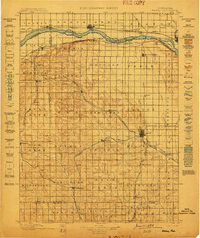 1899 Wahoo1899 Print · USGSSaunders County and its neighbors thrive as a booming rail hub in the 1890s, where the Platte River meets a dense web of iron tracks. Trace the early development of prairie towns like Wahoo, Valparaiso, and the Bohemian settlement at Prague.3 unique versions available
 - 1955 Map of Fremont, 1966 Print
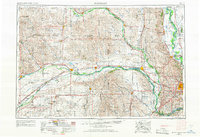 1955 Fremont1966 Print · USGSEastern Nebraska and the Missouri River border are captured during the mid-fifties, just as the interstate system began to emerge. Researchers can trace the development of Omaha, locate the sprawling Offutt Air Force Base, or study the river-bound ecology of the De Soto National Wildlife Refuge.3 unique versions available
 - 1957 Map of Fremont
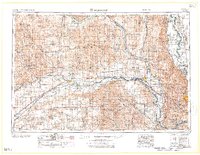 1957 Fremont1957 Print · USGSEastern Nebraska and western Iowa thrive along the Platte and Missouri rivers during the mid-fifties. Genealogists can locate small rural schools like Fairview School and tracing the paths of the Union Pacific through towns like Albion and Humphrey.
 - 1958 Map of Fremont
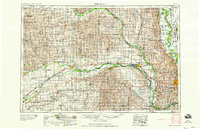 1958 Fremont1958 Print · USGSEastern Nebraska in the late fifties is captured here as a thriving corridor of river-valley commerce and rail transport. Researchers can trace the development of Omaha and Fremont or locate local landmarks like Midland College and Offutt Air Force Base.
 - 1968 Map of Valley, 1970 Print
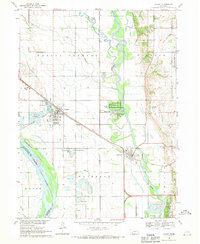 1968 Valley1970 Print · USGSThe confluence of the Elkhorn and Platte rivers in the late 1960s highlights a period of significant growth for Douglas County. Researchers can trace the development of Valley and Waterloo alongside landmarks like St John Seminary and the Elk City Cem.3 unique versions available
 - 1968 Map of Ashland East, 1970 Print
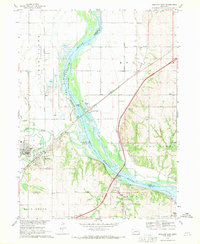 1968 Ashland East1970 Print · USGSThe Platte River valley in the late sixties shows a landscape shaped by river transport and military training. Genealogists and local historians can trace the foundations of Ashland or locate rural landmarks like Wortman Cem and the Camp Ashland military site.4 unique versions available
 - 1968 Map of Leshara, 1971 Print
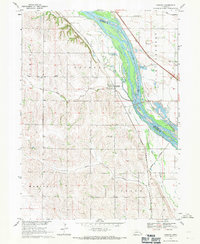 1968 Leshara1971 Print · USGSSaunders County near the Platte River valley in the late sixties shows a landscape defined by the railroad and the river. Trace family roots at Pleasant View Cemetery, locate old country schoolhouses like Mercer School, and follow the steel of the Union Pacific.2 unique versions available
 - 1968 Map of Bruno, 1971 Print
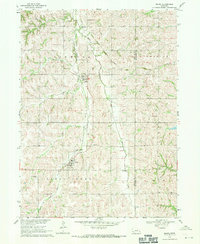 1968 Bruno1971 Print · USGSButler County and the Saunders County line are captured in the late sixties, showing a landscape of Czech-settled hamlets and prairie creek beds. Genealogists can trace family footprints at Bohemian Cem, St Anthony Cem, and the Old Railroad Grade.
 - 1968 Map of Malmo NW, 1971 Print
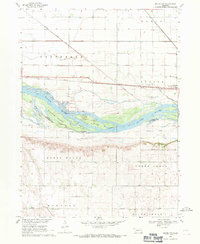 1968 Malmo NW1971 Print · USGSThe Platte River valley near the Saunders and Dodge County line is shown here in the late sixties as a landscape of river islands and rail corridors. Researchers can identify old rural burial sites like St Marys Cem and historic schoolhouses such as School No 91.
 - 1968 Map of Fremont West, 1971 Print
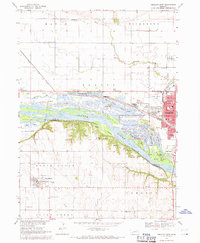 1968 Fremont West1971 Print · USGSMid-century Nebraska life unfolds along the Platte River during the late sixties, where recreation lakes and heavy rail lines meet. Genealogists can locate family burial sites at Pohocco Cem and Wiegand Cem or trace early school districts at Beebe Sch.2 unique versions available
 - 1968 Map of Fremont East, 1971 Print
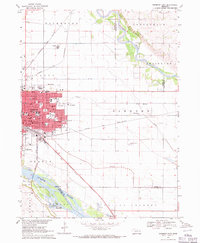 1968 Fremont East1971 Print · USGSThe rail and river networks of eastern Nebraska converged here in the late sixties, showing a period of significant civic and industrial growth. Researchers can trace family roots through numerous neighborhood landmarks like St Patricks Sch, Midland College, and Ruwe Park.3 unique versions available
 - 1968 Map of North Bend, 1971 Print
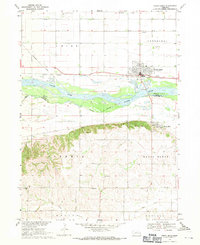 1968 North Bend1971 Print · USGSDodge and Saunders Counties are seen here in the late sixties as the Platte River valley transitioned toward modern agriculture. Locate ancestral landmarks like Sacred Heart Ch, Prairie Hill Sch, and the riverside town of North Bend.
 - 1968 Map of Wann, 1971 Print
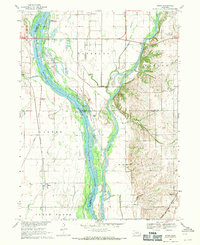 1968 Wann1971 Print · USGSThe confluence of the Platte and Elkhorn rivers in the late 1960s reveals a landscape shaped by water and rail. Genealogists and local historians can locate Holy Sepulcher Cem, the small settlement of Venice, and Two Rivers Ch near the banks of the Platte River.2 unique versions available
 - 1968 Map of Rogers, 1971 Print
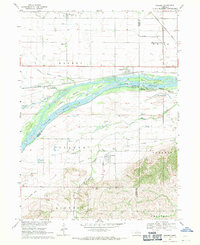 1968 Rogers1971 Print · USGSThe Platte River valley in the late sixties is shown here in meticulous detail, capturing the river's many islands and the surrounding rail-side towns. Genealogists and local historians can trace rural roots at Dawson Cem, St Marys Cem, and numerous school sites like School No 4.
 - 1969 Map of Malmo
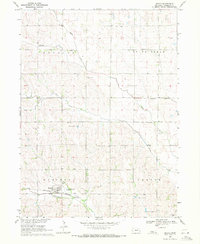 1969 Malmo1969 Print · USGSSaunders County farmland surrounds the village of Malmo in the late sixties, showing a landscape defined by rail transit and rural school districts. Genealogists can trace family heritage through sites like Holy Rosary Cem or Bethesda Cem and locate several numbered schoolhouses.
 - 1969 Map of Touhy, 1971 Print
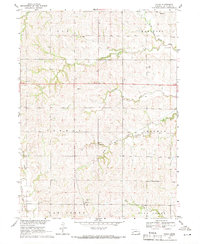 1969 Touhy1971 Print · USGSThe Saunders County prairie in the late 1960s shows a landscape of rail-connected settlements and rural school districts. Genealogists can trace family footprints at Touhy or locate local landmarks like St Vitus Cem, Sunnyside Sch, and the Union Pacific line.
 - 1969 Map of Ashland West, 1971 Print
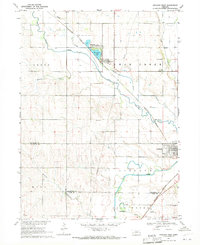 1969 Ashland West1971 Print · USGSThe Saunders County countryside near the tri-county border is captured here in the late sixties, showcasing a landscape of winding creeks and rail-side towns. Genealogists and local historians can trace rural school locations like School No 3, the Burlington Northern rail corridor, and burial sites such as Carr Cem.
 - 1969 Map of Mead, 1971 Print
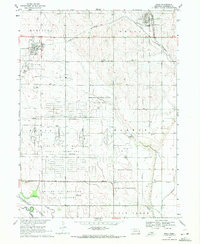 1969 Mead1971 Print · USGSThe Saunders County prairie around Mead and Yutan shows a unique Cold War-era landscape of military and research facilities. Genealogists and historians can trace rail lines like the Union Pacific and locate local landmarks such as St James Cem and the University of Nebraska Field Laboratory.4 unique versions available
 - 1969 Map of Valparaiso SW, 1971 Print
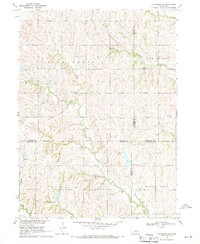 1969 Valparaiso SW1971 Print · USGSSoutheast Butler County and the surrounding Nebraska prairie are captured here in the late sixties. Researchers can trace the path of the Union Pacific railroad and locate local landmarks like the Oak Ridge Sch and the Flowing Well.
 - 1969 Map of Valparaiso, 1971 Print
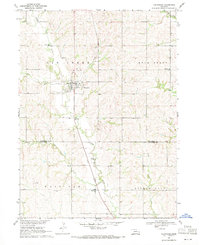 1969 Valparaiso1971 Print · USGSThe rural landscape of Saunders and Lancaster Counties comes into focus in the late 1960s. Genealogists and local historians can trace early community life through family landmarks like St Marys Cem, Indian Camp Sch, and Novotnys Sky Ranch.2 unique versions available
 - 1969 Map of Loma, 1971 Print
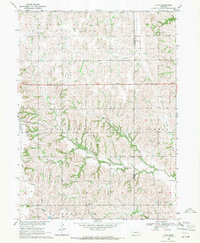 1969 Loma1971 Print · USGSAgricultural Butler County comes into focus in the late 1960s, showing the rural rhythm of the Nebraska plains. Genealogists can locate family landmarks like Holy Trinity Cem and Loma Cem or the rural La Cross Sch.
 - 1969 Map of Colon, 1971 Print
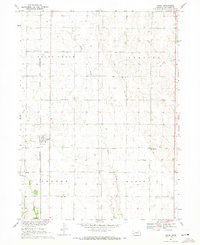 1969 Colon1971 Print · USGSColon and its surrounding Saunders County townships are captured here in the late sixties as the village thrived along the Chicago and North Western line. Researchers can trace family roots through several rural landmarks, including Union Cem, Mead Emmanuel Ch, and numerous numbered district schools.
 - 1969 Map of Prague, 1971 Print
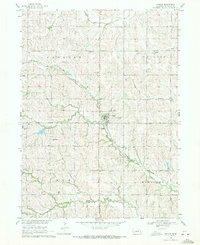 1969 Prague1971 Print · USGSSaunders County life is centered on the village of Prague during the late sixties, where the railroad and rural roads meet. Genealogists can trace family footprints at National Cem, Willow Creek Cem, and the small Blasi Ch near the creek.
Showing maps 1-25 of 122
Top cities of Saunders County
- Wahoo historical maps
- Ashland historical maps
- Yutan historical maps
- Ceresco historical maps
- Mead historical maps
- Valparaiso historical maps
See more
Frequently asked questions
- What are the different types of historical maps available for Saunders County?
- What is the oldest map of Saunders County?
- Where can I purchase historical maps of Saunders County for my home or office?
- Where can I download high-res historical maps of Saunders County?
- Are there historical topographic maps available for Saunders County?
- Is there historical aerial imagery available for Saunders County?
- Where are historical maps of Saunders County sourced from?