Old Maps of Millsfield, New Hampshire for Hiking & Exploration
Hike through history with 44 historic maps of Millsfield. Explore old trails, ghost towns, and forgotten backroads — perfect for outdoor adventurers and local explorers.
- Rediscover forgotten places: Map out old mining camps, roads, and footpaths that no longer exist on modern maps.
- Layer with modern tools: Combine with LiDAR or satellite views to plan hikes through historical terrain.
- Made for exploration: Popular among hikers, overlanders, and local history lovers.
Use these maps to find adventure and explore the hidden past of Millsfield.
Millsfield, NH maps
(44)- 1930 Map of Milan, 1952 Print
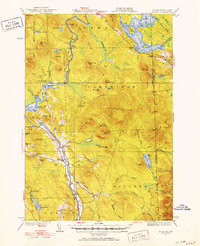 1930 Milan1952 Print · USGSThe upper Androscoggin River valley is captured here in the early thirties, showing a rugged landscape of timber ridges and river-fed settlements. Genealogists can locate several local schools such as Jewett Sch and the rail-side village of Milan.3 unique versions available
 - 1930 Map of Percy, 1953 Print
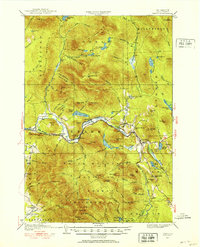 1930 Percy1953 Print · USGSCoos County at the start of the thirties centers on the river valleys and rail lines of the North Country. Genealogists can trace the rural schoolhouses of Blake Sch and Hodgdon Hill Sch or locate family landmarks like Beach Hill and Cummings Mtn.5 unique versions available
 - 1930 Map of Dixville, 1954 Print
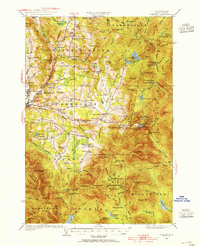 1930 Dixville1954 Print · USGSNorthern New Hampshire at the start of the 1930s reveals a landscape of isolated hill farms and small timber towns. Genealogists can locate family-named landmarks like Piper Hill Cem and numerous district schools including Cedar Brook Sch and Forbes Sch.5 unique versions available
 - 1930 Map of Errol, 1955 Print
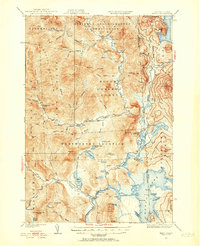 1930 Errol1955 Print · USGSThe timberlands along the New Hampshire and Maine border come alive in the 1930s, centered on the river networks that fueled the region. Genealogists and historians can trace remote outposts like Wilsons Mills, the Magalloway Sch, and industrial markers like Errol Dam.5 unique versions available
 - 1933 Map of Dixville
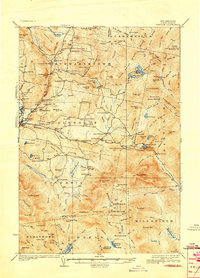 1933 Dixville1933 Print · USGSCoos County's rugged North Country is captured in the early 1930s, documenting a landscape of remote timber camps and hillside schoolhouses. Genealogists can trace family landmarks like the East Colebrook Ch, Bungy, and over a dozen named schools including Bear Rock Sch.2 unique versions available
 - 1933 Map of Milan, 1940 Print
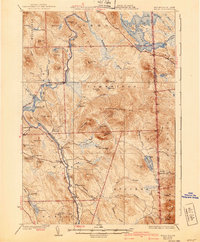 1933 Milan1940 Print · USGSCoos County at the start of the 1930s shows a landscape of timbered peaks and river-valley settlements connected by the Grand Trunk. Genealogists can locate several rural schools like Jewett Sch and Milan Hill Sch alongside the Berlin Landing Field.
 - 1934 Map of Percy
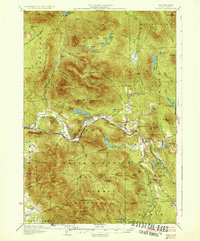 1934 Percy1934 Print · USGSCoos County, New Hampshire, is shown in the mid-1930s as a landscape of timber camps and isolated valley settlements. Genealogists and historians can locate rural landmarks like the Emerson Sch, the remote Lost Nation community, and the Grand Trunk rail line.3 unique versions available
 - 1934 Map of Dixville
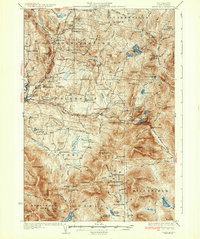 1934 Dixville1934 Print · USGSThe White Mountains of Coos County appear here in the early 1930s, showing a landscape defined by timber camps and rural school districts. Genealogists can trace family roots through landmarks like Stewartstown Hollow, East Columbia Ch, and several mountain camps including Carr Camp.2 unique versions available
 - 1934 Map of Errol
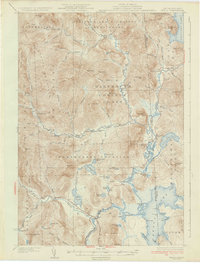 1934 Errol1934 Print · USGSThe Maine-New Hampshire borderlands in the 1930s reveal a landscape of vast timber grants and river-driven settlements. Genealogists and historians can trace the remote Wentworths Location and find landmarks like the Magalloway Sch and College Farm.5 unique versions available
 - 1934 Map of Milan
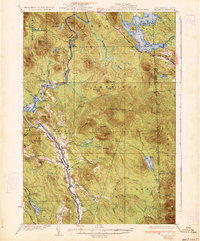 1934 Milan1934 Print · USGSThe northern New Hampshire timberlands near Milan and the Maine border are seen here in the mid-1930s. Genealogists and hikers can trace the original Mahoosuc Trail or locate vanished rural schoolhouses like Hamlin Sch and Pontook Sch.2 unique versions available
 - 1950 Map of Lewiston
 1950 Lewiston1950 Print · USGSThe Maine and New Hampshire borderlands come alive in this post-war survey of the White Mountains and Androscoggin valley. Genealogists and historians can trace rail lines like the Maine Central Railroad and find high-altitude landmarks from Mount Washington to Bretton Woods.2 unique versions available
 - 1956 Map of Lewiston, 1975 Print
 1956 Lewiston1975 Print · USGSThe Northern New England interior is documented here in the mid-fifties, from the industrial Androscoggin River to the high peaks of the White Mountains. Trace the Grand Trunk Railway through mountain passes or locate family landmarks near Sabbathday Lake and Bretton Woods.
 - 1961 Map of Lewiston
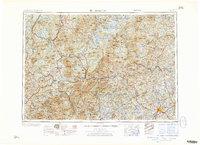 1961 Lewiston1961 Print · USGSWestern Maine and the White Mountains appear here during the early sixties, showing the industrial river towns and vast timberlands before the modern interstate era. Genealogists and historians can trace the Grand Trunk RR through Berlin or locate landmarks like Old Speck Mountain and Elephant Mountain.
 - 1962 Map of Lewiston
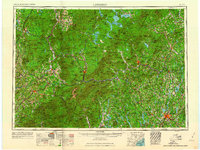 1962 Lewiston1962 Print · USGSThe industrial river valleys and high peaks of Maine and New Hampshire define the region in the early sixties. Trace the rail-and-river network from Lewiston to the White Mountains, passing through mill towns like Berlin and Rumford.
 - 1969 Map of Lewiston
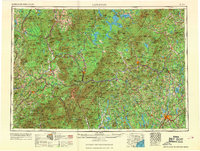 1969 Lewiston1969 Print · USGSThe northern New England highlands come into focus during the mid-fifties, showing the vital rail and river networks connecting industrial centers to the deep woods. Researchers can trace the path of the Grand Trunk RR or locate landmarks like Mt Washington and Rangeley Lake.
 - 1986 Map of Groveton
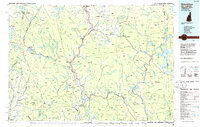 1986 Groveton1986 Print · USGSThe North Country's rugged borderlands come into focus in the mid-1980s, tracing the river-and-rail corridors of the Connecticut River valley. Genealogists and historians can locate family landmarks in North Stratford, Groveton, and Guildhall or trace the Canadian National RR.2 unique versions available
 - 1988 Map of Teakettle Ridge
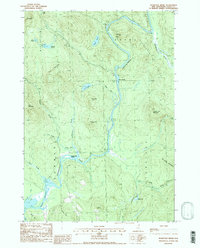 1988 Teakettle Ridge1988 Print · USGSThe northern New Hampshire timberlands are captured here in the late eighties, dominated by the winding river valley and high ridges. Outdoor historians and genealogists can trace family-named landmarks like Veezey Hill or explore the river geography of Seven Islands and Pontook Reservoir.2 unique versions available
 - 1988 Map of Errol
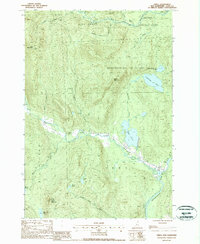 1988 Errol1988 Print · USGSThe northern New Hampshire woods and the town of Errol are captured in the late eighties as the region balanced its timber heritage with conservation. Genealogists and researchers can trace township lines across Rice Mountain or locate family landmarks like Akers Pond and the Signal Tower atop Signal Mountain.
 - 1988 Map of Dummer Ponds
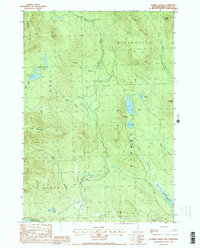 1988 Dummer Ponds1988 Print · USGSThe high timberlands of Coos County are captured here in the late 1980s, centered on the isolated township of Dummer. Researchers can trace the remote settlement of Paris or locate landmarks like Trio Ponds, Dummer Hill, and the Pontook Res amidst the mountain peaks.2 unique versions available
 - 1988 Map of Dixville Notch
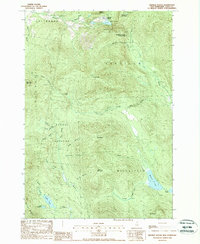 1988 Dixville Notch1988 Print · USGSThe high mountain passes of Coos County are captured here in the late eighties, just as this wilderness area remained a cornerstone of New Hampshire heritage. Researchers can trace the steep geography of Table Rock, the waters of Lake Gloriette, and the bounds of Dixville Notch State Park.2 unique versions available
 - 1995 Map of Errol
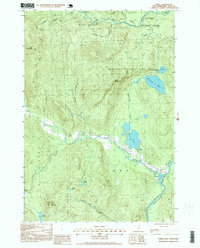 1995 Errol1995 Print · USGSNorthwoods life in Coos County during the 1990s centers on the village of Errol and the wild river corridors of the Androscoggin River. Trace the boundaries of historic land grants or locate remote landmarks like Ellingwood Falls and Signal Mountain.2 unique versions available
 - 1996 Map of Dummer Ponds, 2000 Print
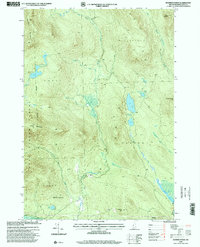 1996 Dummer Ponds2000 Print · USGSCoos County at the close of the twentieth century reveals a landscape defined by state forests and high-elevation water bodies. Genealogists and historians can trace the settlement of Paris and locate family-named landmarks like Dummer Hill or Bickford Hill.
 - 1996 Map of Dixville Notch, 2000 Print
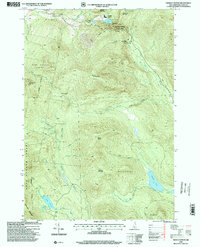 1996 Dixville Notch2000 Print · USGSNorthern New Hampshire's high mountain passes and vast timberlands are documented in the mid-1990s. Researchers can locate remote landmarks like the Grave near Dixville Notch, and trace the waterways of Millsfield Pond, Lake Gloriette, and Phillips Pond.
 - 2000 Map of Teakettle Ridge, 2001 Print
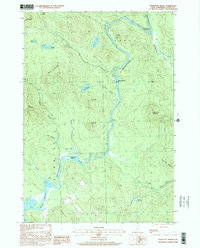 2000 Teakettle Ridge2001 Print · USGSCoos County at the end of the millennium is characterized by the winding Androscoggin River and the forested slopes of Teakettle Ridge. Local researchers can trace land features from Mollidgewock State Park to landmarks like Wentworth Island and Seven Islands.
 - 2012 Map of Dixville Notch, 2012 Print
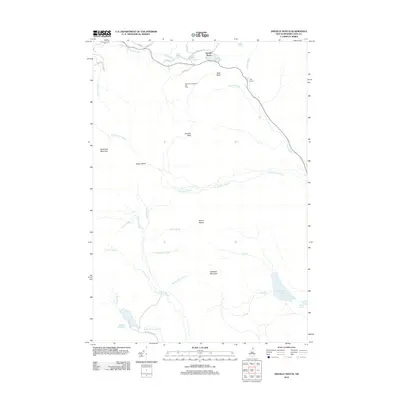 2012 Dixville Notch2012 Print · USGSDixville Notch and the surrounding Coos County high country are captured here a decade into the new millennium. Researchers can trace the layout of the Balsams-Wilderness Ski Area and locate distinctive landmarks like Table Rock, Lake Gloriette, and the Devils Washbowl.
Showing maps 1-25 of 44
Top cities near Millsfield
- Northumberland historical maps
- Colebrook historical maps
- Milan historical maps
- Stewartstown historical maps
- Stratford historical maps
- Columbia historical maps
See more
Frequently asked questions
- What are the different types of historical maps available for Millsfield?
- What is the oldest map of Millsfield?
- Where can I purchase historical maps of Millsfield for my home or office?
- Where can I download high-res historical maps of Millsfield?
- Are there historical topographic maps available for Millsfield?
- Is there historical aerial imagery available for Millsfield?
- Where are historical maps of Millsfield sourced from?