Old Maps of Englewood Cliffs, New Jersey for Academic Research
Study the evolution of Englewood Cliffs with 29 high-resolution historic maps. Whether you're teaching, researching, or modeling changes in land use, these maps provide essential visual documentation of urban, environmental, and geographic change.
- Analyze long-term change: Track patterns in development, transportation, and natural features.
- Ideal for environmental or urban studies: Support academic projects with primary historical map data.
- Use in the classroom or lab: Educators and researchers rely on these maps to bring historical context to life.
These maps are a powerful tool for teaching, research, and visualizing how Englewood Cliffs has changed over the decades.
Englewood Cliffs, NJ maps
(29)- 1891 Map of Harlem
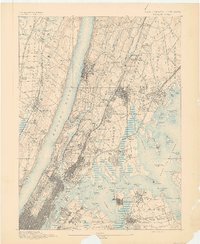 1891 Harlem1891 Print · USGSUpper Manhattan and the Bronx met the burgeoning towns of Westchester and Bergen County in the late 1800s. Researchers can trace the path of the Croton Aqueduct, locate the historic site of Bulls Ferry, and explore the early rail-connected villages of Schraalenburgh and Pelhamville.
 - 1897 Map of Harlem, 1956 Print
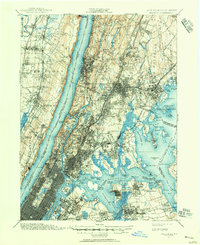 1897 Harlem1956 Print · USGSUpper Manhattan and Westchester thrive at the end of the nineteenth century as rail lines and reservoirs reshape the landscape. Trace early neighborhoods and landmarks like Schraalenburg, Woodlawn Cemetery, and the Jerome Park Reservoir.4 unique versions available
 - 1898 Map of Harlem
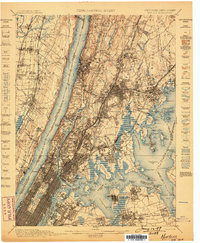 1898 Harlem1898 Print · USGSThe northern reaches of the city and its surrounding suburbs are shown in late-Victorian detail as rail lines expanded across the Hudson. Researchers can trace the early layouts of Woodlawn Cemetery, the site of Grants Tomb, and the fortifications at Fort Schuyler.
 - 1900 Map of Harlem
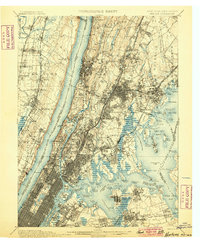 1900 Harlem1900 Print · USGSUpper Manhattan and the surrounding boroughs are shown at a pivotal moment of growth before the mid-century building boom. Genealogists can trace family footprints through the streets of Yonkers Park or locate ancestors in the sprawling Woodlawn Cemetery.16 unique versions available
 - 1947 Map of Yonkers
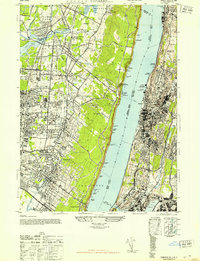 1947 Yonkers1947 Print · USGSThe Hudson River waterfronts of New York and New Jersey are captured here in the late forties, showing a landscape of suburban growth and industrial strength. Trace the old rail lines of the West Shore RR and find historic sites like the Spreckel Estate and N Y Colored Orphan Asylum.2 unique versions available
 - 1947 Map of Central Park
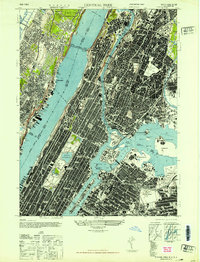 1947 Central Park1947 Print · USGSUpper Manhattan and the surrounding boroughs appear in the mid-1940s, a time of dense rail networks and burgeoning aviation. Researchers can locate vanished landmarks like the Polo Grounds, trace family plots in St Michels Cemetery, or study the early layout of La Guardia Field.
 - 1949 Map of New York, 1951 Print
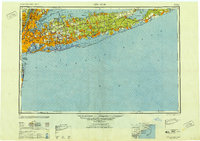 1949 New York1951 Print · USGSLong Island and its surrounding waters are documented here in the late 1940s, just as the postwar suburban boom began to transform the region. Genealogists and historians can trace the early layouts of Idlewild Airport, Mitchell Field, and the established routes of the Long Island RR.
 - 1954 Map of New York
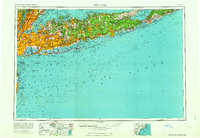 1954 New York1954 Print · USGSLong Island and the New York metropolitan area are shown during the height of post-war suburbanization. Genealogists and historians can trace the growth of Levittown, the infrastructure of the Long Island Rail Road, and landmarks like Mitchel Afb.2 unique versions available
 - 1956 Map of Yonkers, 1958 Print
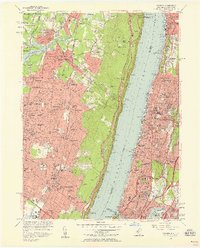 1956 Yonkers1958 Print · USGSThe Hudson River corridor in the mid-fifties shows the dense expansion of Yonkers and Englewood just as new parkways began to reshape the suburbs. Genealogists can trace family footprints across Woodlawn Cemetery, locate local parish schools like St Cecilia Sch, or find vanished river docks like Powder Dock.2 unique versions available
 - 1956 Map of Central Park, 1959 Print
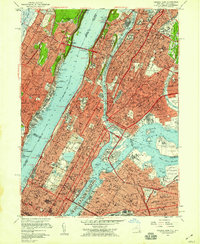 1956 Central Park1959 Print · USGSMid-century New York and its surrounding boroughs are shown at a peak of urban density, from the heights of the Bronx to the Jersey shoreline. Researchers can trace institutional landmarks like Columbia University, the Metropolitan Museum of Art, and St Michaels Cem.2 unique versions available
 - 1957 Map of New York, 1975 Print
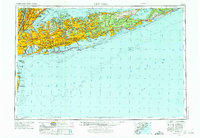 1957 New York1975 Print · USGSLong Island and the New York metropolitan area are shown in this mid-century survey during a period of massive suburban growth and industrial expansion. Researchers can trace the Long Island RR network and locate landmarks like Fort Tilden or the Brookhaven National Laboratory.
 - 1958 Map of New York
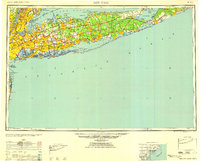 1958 New York1958 Print · USGSLong Island at the height of its postwar expansion reveals a landscape of rapidly growing suburbs and critical military installations. Genealogists and historians can trace the early footprints of Levittown, the terminals of Idlewild Airport, and the grounds of Brookhaven National Laboratory.3 unique versions available
 - 1960 Map of New York, 1979 Print
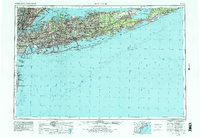 1960 New York1979 Print · USGSLong Island and the five boroughs are shown at a transformative moment mid-century as suburban expansion reshaped the landscape. Researchers can trace family roots through evolving neighborhoods from Rockville Centre to Sayville, or locate historic maritime landmarks like Eatons Neck and Montauk Point.2 unique versions available
 - 1966 Map of Yonkers, 1968 Print
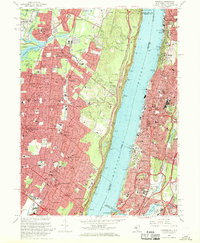 1966 Yonkers1968 Print · USGSThe Hudson River divides Bergen County and the Bronx in the mid-1960s, showing a region defined by its topography and rapid suburbanization. Local historians can trace the development of Yonkers and Englewood alongside landmarks like Manhattan College and the Camp Merritt Mon.3 unique versions available
 - 1966 Map of Central Park, 1970 Print
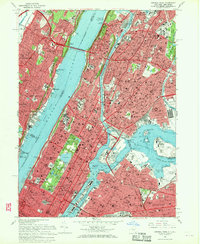 1966 Central Park1970 Print · USGSMid-century Manhattan and the Bronx are captured here during a period of massive infrastructure and institutional growth. Researchers can trace the footprints of Columbia University, the United Nations Headquarters, and St Michaels Cemetery before decades of further urban change.4 unique versions available
 - 1969 Map of New York
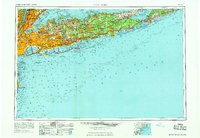 1969 New York1969 Print · USGSLong Island and the New York harbor area are shown here during a peak era of suburban expansion and Cold War defense. Trace the growth of Levittown, the infrastructure of Idlewild NY International Airport, and the reach of the Long Island RR.
 - 1984 Map of Long Island West, 1986 Print
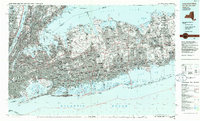 1984 Long Island West1986 Print · USGSWestern Long Island in the mid-eighties shows a mature suburban landscape defined by its famous expressways and historic rail lines. Researchers can trace the development of planned communities like Levittown or locate landmarks such as Fort Totten Mil Res and Stony Brook.2 unique versions available
 - 1995 Map of Central Park, 1999 Print
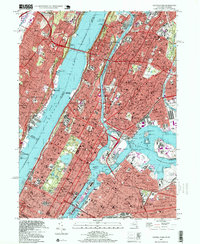 1995 Central Park1999 Print · USGSGreater New York is captured in the late twentieth century, showing the dense intersection of Manhattan, the Bronx, Queens, and the Jersey Palisades. Genealogists and historians can trace neighborhood boundaries from Mott Haven to Edgewater, while identifying major landmarks like St Michaels Cemetery and Yankee Stadium.
 - 1998 Map of Yonkers, 2000 Print
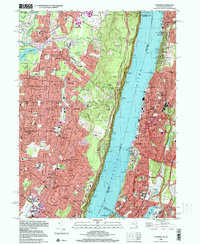 1998 Yonkers2000 Print · USGSThe Hudson River divides the urban landscape of Westchester and the Bronx from the suburban boroughs of Bergen County at the close of the century. Trace historic sites like the Van Cortlandt Mansion House and the grounds of Woodlawn Cemetery.
 - 2011 Map of Yonkers, 2011 Print
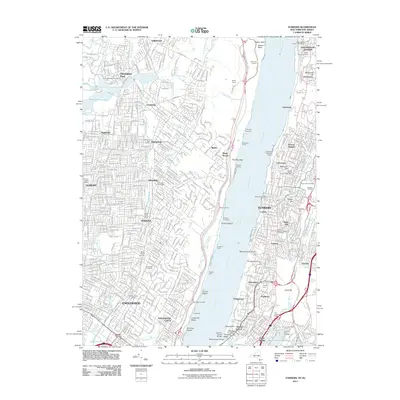 2011 Yonkers2011 Print · USGSThe Hudson River divides a dense urban landscape from the wooded cliffs of the Palisades in the early twenty-first century. Researchers can trace historic sites like the Cooke Family Cemetery, Mount Saint Vincent, and Van Cortlandt Stadium.
 - 2011 Map of Central Park, 2011 Print
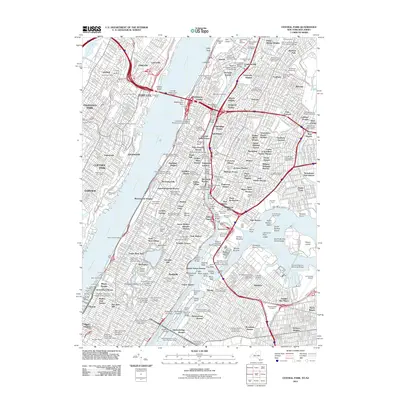 2011 Central Park2011 Print · USGSUpper Manhattan and the Bronx are shown in great detail during the early twenty-first century as the city's complex transit and residential networks continued to evolve. Researchers can trace historic sites like Trinity Cemetery, landmark institutions such as Columbia University, and iconic venues like Yankee Stadium.
 - 2013 Map of Yonkers, 2013 Print
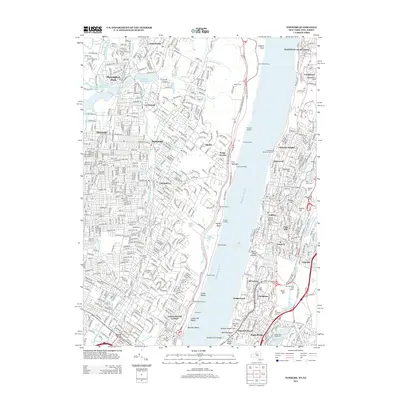 2013 Yonkers2013 Print · USGSThe suburbs of Westchester and the Bronx meet the Jersey Palisades in this recent era, showing a landscape defined by the Hudson River. Researchers can trace the paths of the Old Croton Aqueduct and find historic sites like Cooke Family Cem.
 - 2013 Map of Central Park, 2013 Print
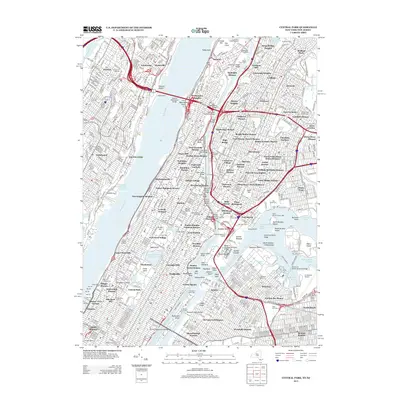 2013 Central Park2013 Print · USGSThe northern reaches of New York City are shown in meticulous detail during the early twenty-first century. Researchers can trace the footprints of public housing like Lionel Hampton Houses and historical burial sites such as Trinity Cem.
 - 2016 Map of Central Park, 2016 Print
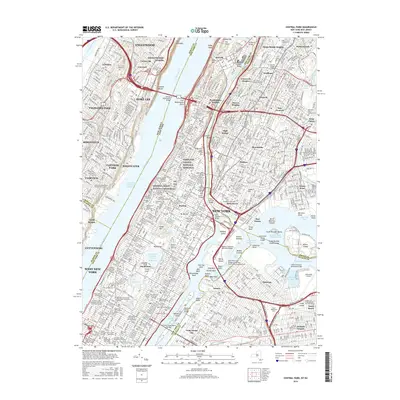 2016 Central Park2016 Print · USGSUpper Manhattan and the surrounding boroughs appear in extraordinary detail during this recent era of urban density. Genealogists and historians can trace centuries of settlement through Saint Ann's Graveyard, Trinity Cem, and landmarks like Hamilton Grange National Memorial.
 - 2016 Map of Yonkers, 2016 Print
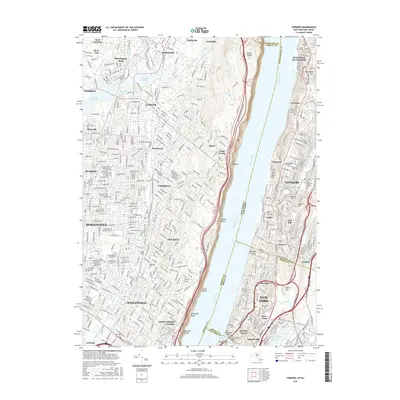 2016 Yonkers2016 Print · USGSThe Hudson River waterfront and its surrounding bluffs are shown here in the mid-2010s, bridging the gap between New Jersey and New York. Local historians can trace established neighborhoods from Spuyten Duyvil to Greystone, alongside landmarks like Van Cortlandt Park and The Palisades.
Showing maps 1-25 of 29
Top cities near Englewood Cliffs
- New York historical maps
- Hempstead historical maps
- Newark historical maps
- Jersey City historical maps
- North Hempstead historical maps
- Yonkers historical maps
See more
Frequently asked questions
- What are the different types of historical maps available for Englewood Cliffs?
- What is the oldest map of Englewood Cliffs?
- Where can I purchase historical maps of Englewood Cliffs for my home or office?
- Where can I download high-res historical maps of Englewood Cliffs?
- Are there historical topographic maps available for Englewood Cliffs?
- Is there historical aerial imagery available for Englewood Cliffs?
- Where are historical maps of Englewood Cliffs sourced from?