Old Maps of Evanola, New Mexico for Hiking & Exploration
Hike through history with 9 historic maps of Evanola. Explore old trails, ghost towns, and forgotten backroads — perfect for outdoor adventurers and local explorers.
- Rediscover forgotten places: Map out old mining camps, roads, and footpaths that no longer exist on modern maps.
- Layer with modern tools: Combine with LiDAR or satellite views to plan hikes through historical terrain.
- Made for exploration: Popular among hikers, overlanders, and local history lovers.
Use these maps to find adventure and explore the hidden past of Evanola.
Evanola, NM maps
(9)- 1954 Map of Fort Sumner, 1964 Print
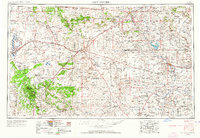 1954 Fort Sumner1964 Print · USGSEast-central New Mexico's ranching and rail heartland is captured here in the mid-1950s, centered on the strategic junctions of the high plains. Researchers can trace the development of early highway networks and rail towns like Vaughn, Fort Sumner, and the copper operations at Guadalupe Mine.3 unique versions available
 - 1958 Map of Fort Sumner
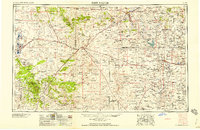 1958 Fort Sumner1958 Print · USGSEast-central New Mexico in the mid-fifties is captured here as a sprawling landscape of high mesas and cattle ranching. Researchers can trace the convergence of the Southern Pacific railroad at Vaughn and locate family landmarks like Borica School or Marquez Ranch.
 - 1966 Map of Ricardo, 1968 Print
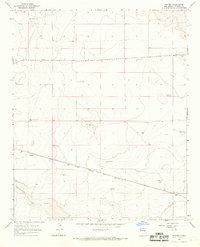 1966 Ricardo1968 Print · USGSDe Baca County ranching and rail life are recorded here in the mid-sixties, centered on the Atchison Topeka and Santa Fe line. Researchers can locate family landmarks like the McMeans Ranch or burial sites at Morris Cem and Ricardo Cem.2 unique versions available
 - 1979 Map of Fort Sumner
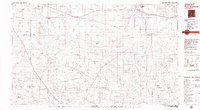 1979 Fort Sumner1979 Print · USGSThe Pecos River valley in the late seventies reveals a landscape shaped by irrigation and the rail lines of the Atchison Topeka and Santa Fe. Genealogists and historians can trace small communities like Taiban and Yeso alongside landmarks like The Caprock.
 - 2010 Map of Ricardo, 2010 Print
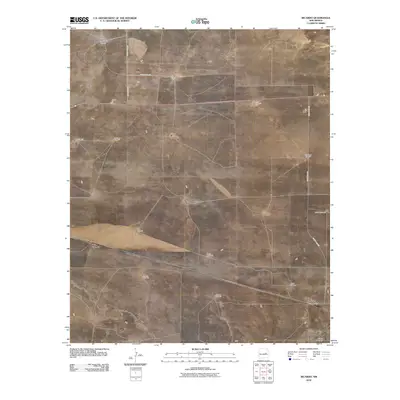 2010 Ricardo2010 Print · USGSDe Baca County ranching and rail history are preserved in this 2010 survey of the area near Evanola. Genealogists and local historians can locate the Ricardo (historical) site, the Morris Cemetery, and numerous named landmarks like Bertie Windmill.
 - 2013 Map of Ricardo, 2013 Print
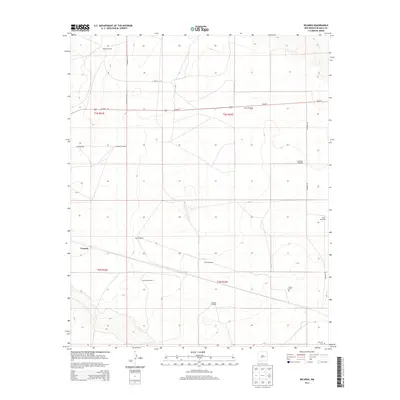 2013 Ricardo2013 Print · USGSHigh plains ranching in De Baca County is meticulously documented in this early 20th-century survey. Genealogists and historians can locate family sites such as McMeans Ranch and the Morris Cem, alongside a vast network of water landmarks like Evanola Windmill.
 - 2017 Map of Ricardo, 2017 Print
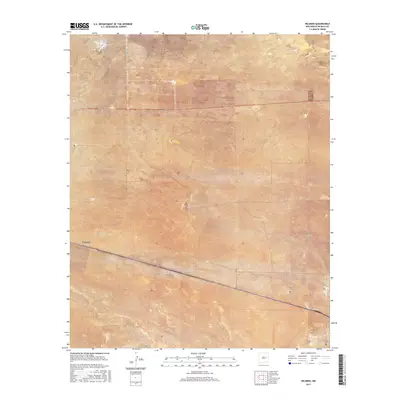 2017 Ricardo2017 Print · USGSDe Baca County ranching country and the small community of Evanola are documented here in the early twenty-first century. Genealogists can locate family landmarks such as Morris Cem and Ricardo Cem along the Ricardo rail corridor.
 - 2020 Map of Ricardo, 2020 Print
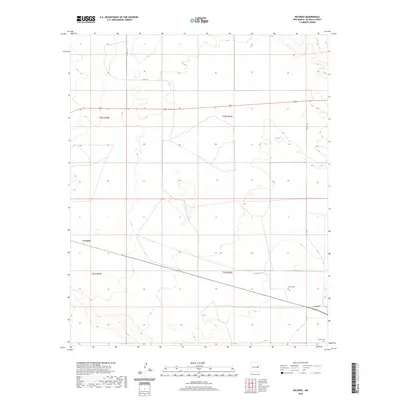 2020 Ricardo2020 Print · USGSDe Baca County, New Mexico, appears here as a quiet ranching landscape in the early twenty-first century. Researchers can locate significant burial sites like the Morris Cem and Ricardo Cem or trace the roads surrounding Evanola.
 - 2023 Map of Ricardo, 2023 Print
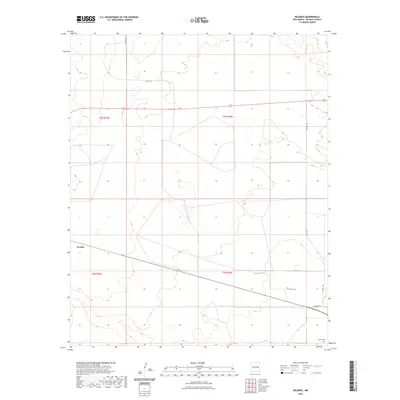 2023 Ricardo2023 Print · USGSDe Baca County’s high plains are captured here in the early twenty-first century, showcasing the rural settlement of Evanola and its surrounding ranchland. Family researchers and historians can locate specific sites like Morris Cem and Ricardo Cem along the route of RICARDO RD.
End of results
Showing maps 1-9 of 9
Frequently asked questions
- What are the different types of historical maps available for Evanola?
- What is the oldest map of Evanola?
- Where can I purchase historical maps of Evanola for my home or office?
- Where can I download high-res historical maps of Evanola?
- Are there historical topographic maps available for Evanola?
- Is there historical aerial imagery available for Evanola?
- Where are historical maps of Evanola sourced from?