Old Maps of Turquoise, New Mexico for Metal Detecting
Plan your next treasure hunt with 12 historic maps of Turquoise. Find old homesites, ghost towns, trails, and gathering spots that may be lost to time — perfect for identifying promising metal detecting locations.
- Locate forgotten sites: Uncover places like long-lost settlements, abandoned rail lines, or gathering spots.
- Plan better hunts: Use map overlays combined with LiDAR or satellite views to narrow in on historically rich areas.
- Made for detectorists: Thousands of hobbyists use these maps to discover relics, coins, and hidden history.
Use these historic maps to boost your research and find new opportunities beneath the surface of Turquoise.
Turquoise, NM maps
(12)- 1940 Map of Orogrande, 1962 Print
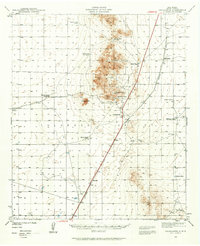 1940 Orogrande1962 Print · USGSThe Tularosa Valley and Jarilla Mountains are seen here as they appeared in 1940, during a period of active desert mining and ranching. Genealogists and historians can trace family operations at McNew Ranch and McGregor Ranch or locate old workings at the Iron Queen Mine and Nannie Beard Mine.
 - 1943 Map of Orogrande
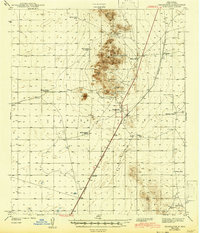 1943 Orogrande1943 Print · USGSOrogrande and the surrounding Tularosa Valley are shown at the height of the early 1940s mining and ranching era. Researchers can trace family-named sites like McNew Ranch or locate historical workings such as the Iron Queen Mine and Alice Mine.
 - 1947 Map of Orogrande North, 1948 Print
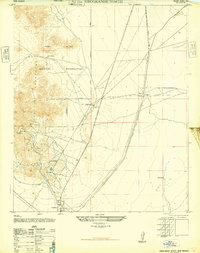 1947 Orogrande North1948 Print · USGSMining and military interests converge in the Tularosa Basin just after the war. Researchers can trace the rail-and-mine economy through the Southern Pacific line and sites like the Nannie Beard Mine, Iron Queen Mine, and the settlement of Orogrande.
 - 1955 Map of Orogrande North, 1962 Print
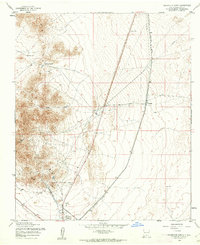 1955 Orogrande North1962 Print · USGSOtero County mining districts and desert rail corridors come into focus in this mid-century survey of the New Mexico basin. Researchers can trace the industrial footprint of the Jarilla Mountains through the Iron Queen Mine, the settlement of Turquoise, and old water infrastructure.3 unique versions available
 - 1955 Map of Las Cruces, 1963 Print
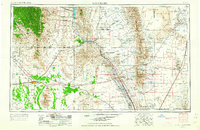 1955 Las Cruces1963 Print · USGSSouthern New Mexico comes into focus during the mid-fifties, showing the growth of Las Cruces alongside major military and scientific installations. Genealogists and historians can trace the Southern Pacific tracks through small rail towns like Cambray and Afton, or locate family sites near Hatch and Deming.3 unique versions available
 - 1958 Map of Las Cruces
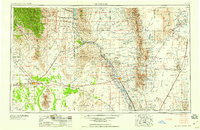 1958 Las Cruces1958 Print · USGSSouthern New Mexico in the late fifties was a landscape of rapid scientific and military growth centered on the Rio Grande. Local historians can trace the development of Las Cruces, the campus of New Mexico A and M College, and remote rail sidings like Aden Siding.
 - 1982 Map of Las Cruces
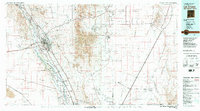 1982 Las Cruces1982 Print · USGSThe Rio Grande valley and the Organ Mountains define this 1980s portrait of southern New Mexico's ranching and military landscape. Trace historic land divisions like the Brazito Grant alongside landmarks such as Santo Tomas and the Silver King Mine.
 - 2010 Map of Orogrande North, 2010 Print
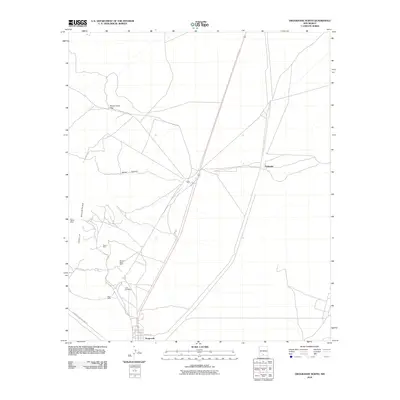 2010 Orogrande North2010 Print · USGSOrogrande and the surrounding high desert are shown here in the early twenty-first century as the landscape continues to be defined by its mining heritage. Trace specific local sites such as the Iron Queen Mine, Mannie Baird Mine, and the Little Joe Mine.
 - 2013 Map of Orogrande North, 2013 Print
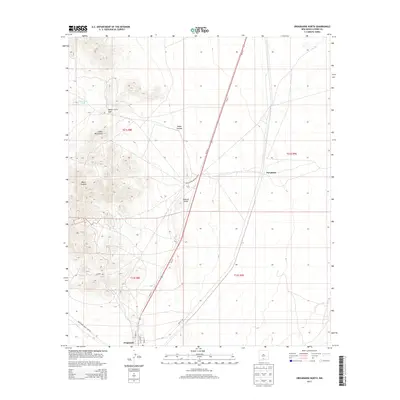 2013 Orogrande North2013 Print · USGSThe Jarilla Mountains and the Tularosa Valley landscape are captured here in the early twenty-first century. Researchers can trace the layout of Orogrande and locate landmarks like Hurd Luck Tank or the remote site of Turquoise.
 - 2017 Map of Orogrande North, 2017 Print
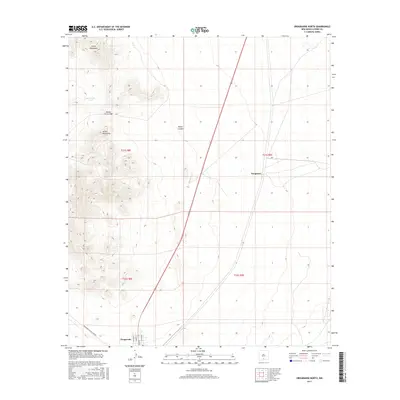 2017 Orogrande North2017 Print · USGSSouthern New Mexico’s high desert comes into focus in this late twenty-teens survey of Otero County. Historians and researchers can trace the roads of Orogrande, locate the site of Turquoise, and map the elevations of the Jarilla Mountains.
 - 2020 Map of Orogrande North, 2020 Print
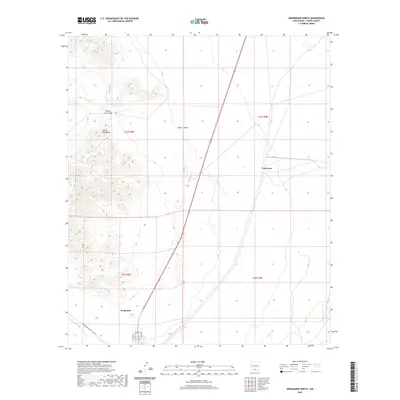 2020 Orogrande North2020 Print · USGSOtero County's high-desert mining and military landscape is captured here in the modern era. Genealogists and historians can trace the streets of Orogrande or locate the settlement at Turquoise near the foothills of the Jarilla Mountains.
 - 2023 Map of Orogrande North, 2023 Print
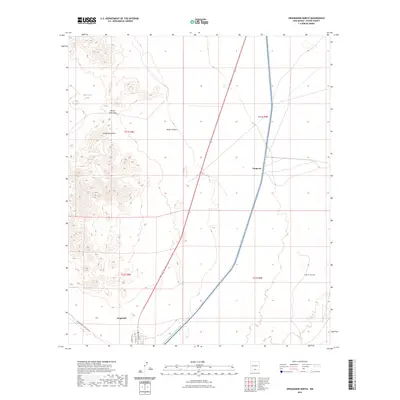 2023 Orogrande North2023 Print · USGSSouthern New Mexico’s high desert landscape is shown here in the early 2020s, where the mining history of the Jarilla Mountains meets the modern footprint of Fort Bliss. Trace the small-town layout of Orogrande or follow the route through Turquoise and Monte Carlo Gap.
End of results
Showing maps 1-12 of 12
Top cities near Turquoise
Frequently asked questions
- What are the different types of historical maps available for Turquoise?
- What is the oldest map of Turquoise?
- Where can I purchase historical maps of Turquoise for my home or office?
- Where can I download high-res historical maps of Turquoise?
- Are there historical topographic maps available for Turquoise?
- Is there historical aerial imagery available for Turquoise?
- Where are historical maps of Turquoise sourced from?