Old Maps of East Pecos, New Mexico for Hiking & Exploration
Hike through history with 12 historic maps of East Pecos. Explore old trails, ghost towns, and forgotten backroads — perfect for outdoor adventurers and local explorers.
- Rediscover forgotten places: Map out old mining camps, roads, and footpaths that no longer exist on modern maps.
- Layer with modern tools: Combine with LiDAR or satellite views to plan hikes through historical terrain.
- Made for exploration: Popular among hikers, overlanders, and local history lovers.
Use these maps to find adventure and explore the hidden past of East Pecos.
East Pecos, NM maps
(12)- 1889 Map of Santa Fe, 1963 Print
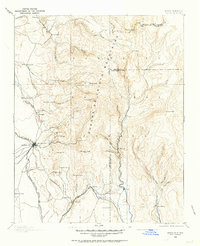 1889 Santa Fe1963 Print · USGSSanta Fe and the surrounding high country appear here in the late nineteenth century as the railroad began transforming the territory. Genealogists and historians can trace early settlements like Santuario, identify family sites at Gonzales Ranch, and locate the historic Old Fort Marcy.
 - 1894 Map of Santa Fe
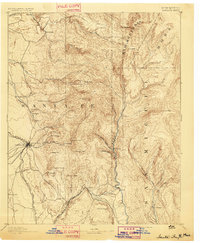 1894 Santa Fe1894 Print · USGSSanta Fe and its surrounding high-country villages appear here during the territorial era of the late nineteenth century. Genealogists and historians can trace the routes of early railroads and locate specific landmarks like Old Fort Marcy, Gonzales Ranch, and Tesuque Pueblo.5 unique versions available
 - 1954 Map of Santa Fe, 1963 Print
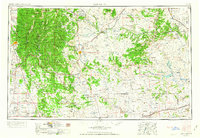 1954 Santa Fe1963 Print · USGSNew Mexico's high mountains and eastern plains meet in the mid-fifties, showing a landscape defined by the Sangre de Cristo Mountains and the Pecos River. Trace family roots and local history through San Christobal Church, Sena School, and the historic Las Vegas rail corridor.4 unique versions available
 - 1958 Map of Santa Fe
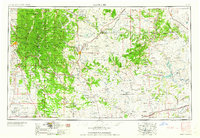 1958 Santa Fe1958 Print · USGSThe Sangre De Cristo Mountains meet the high plains in the late 1950s, showing a landscape defined by rail corridors and ranching. Genealogists can trace family-named sites like Upton Ranch or visit the Fort Union (Ruins) and Tuloso School.
 - 1961 Map of Pecos, 1966 Print
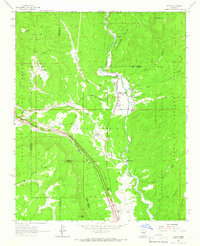 1961 Pecos1966 Print · USGSNorthern New Mexico's cultural and natural geography is meticulously documented here in the early sixties. Genealogists and historians can trace family locations in Pecos or East Pecos while identifying landmarks like the Benedictine Monastery and Pecos State Monument Ruins.2 unique versions available
 - 1983 Map of Santa Fe, 1984 Print
 1983 Santa Fe1984 Print · USGSThe high Sangre de Cristo Mountains and the growing state capital define this early 1980s landscape during a period of expanding infrastructure. Researchers can trace historic land patterns and transit routes from Nambe Pueblo and Glorieta Pass to the Atchison Topeka and Santa Fe RR line.
 - 2002 Map of Pecos, 2003 Print
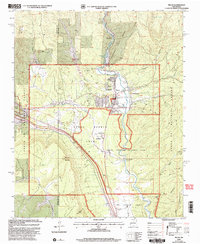 2002 Pecos2003 Print · USGSUpper New Mexico at the dawn of the millennium shows a landscape defined by monastic peace and ancient ruins. Genealogists and historians can trace family locations from La Cueva to East Pecos, or locate the Terrero Mill (Site) and Cem.2 unique versions available
 - 2011 Map of Pecos, 2011 Print
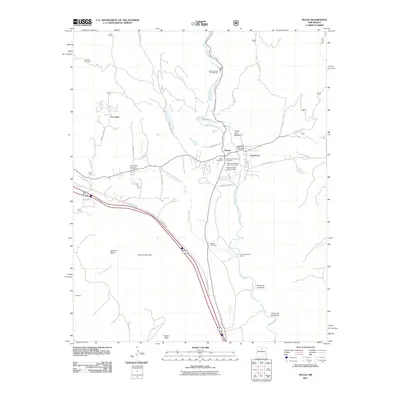 2011 Pecos2011 Print · USGSThe Pecos Valley at the turn of the 21st century reveals a landscape where deep archaeological history meets modern transit. Researchers can trace family sites at the Old Saint Anthonys Church Cemetery or explore the geography of Pecos National Hist Park and Forked Lightning Ranch.
 - 2013 Map of Pecos, 2013 Print
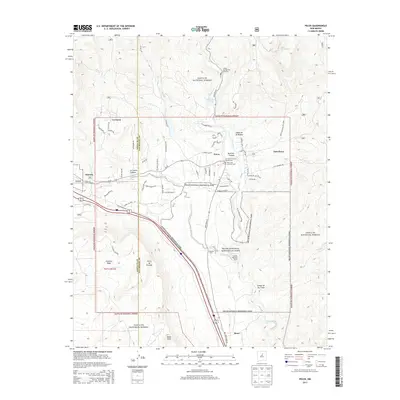 2013 Pecos2013 Print · USGSUpper Pecos River valley life is captured here in the early twenty-first century as modern roads follow ancient routes through the Sangre de Cristo foothills. Researchers can trace local heritage at the Old Saint Anthonys Church Cem and locate historic sites like the Forked Lightning Ranch or the Lisboa Springs Fish Hatchery.
 - 2017 Map of Pecos, 2017 Print
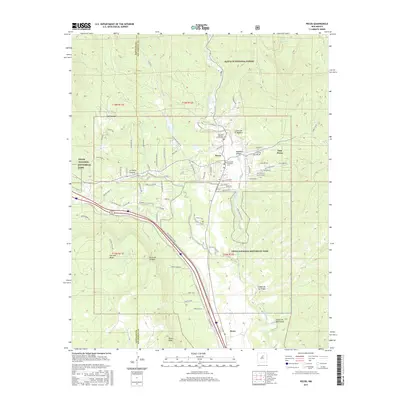 2017 Pecos2017 Print · USGSThe upper Pecos River valley comes into focus in this recent survey of the New Mexico highlands. Genealogists and historians can trace family-named roads and burial grounds including Old Saint Anthony's Church Cem and New Saint Anthonys Cem near Pecos.
 - 2020 Map of Pecos, 2020 Print
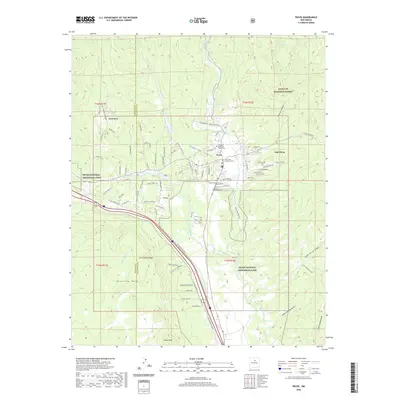 2020 Pecos2020 Print · USGSThe Pecos River valley in the early twenty-first century reveals a landscape where modern roads like the Old Denver Hwy meet ancient terrain. Genealogists can trace family landmarks like Old Saint Anthony's Church Cem or the settlements of La Cueva and East Pecos.
 - 2023 Map of Pecos, 2023 Print
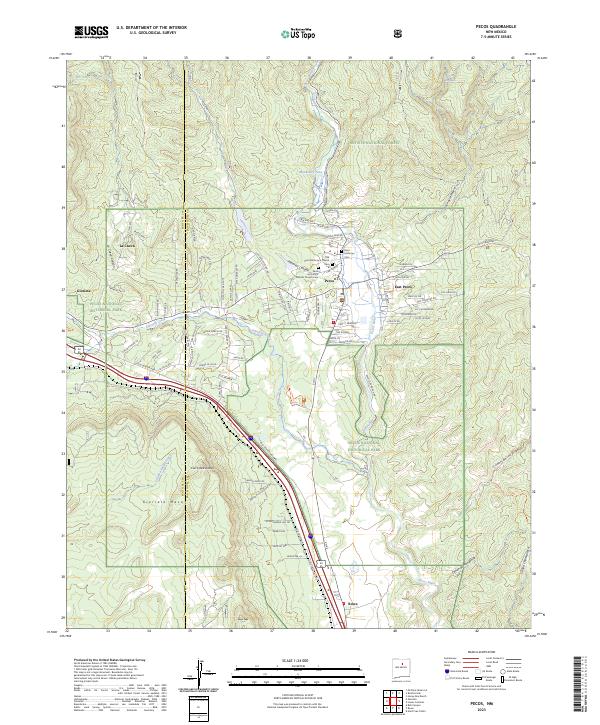 2023 Pecos2023 Print · USGSThe Pecos River valley in the early twenty-first century reveals a landscape where ancient archaeological sites meet modern mountain settlements. Researchers can trace family history at the Old Saint Anthony's Cem or explore the canyon networks of Alamitos Canyon and Cañon de los Trigos.
End of results
Showing maps 1-12 of 12
Top cities near East Pecos
Frequently asked questions
- What are the different types of historical maps available for East Pecos?
- What is the oldest map of East Pecos?
- Where can I purchase historical maps of East Pecos for my home or office?
- Where can I download high-res historical maps of East Pecos?
- Are there historical topographic maps available for East Pecos?
- Is there historical aerial imagery available for East Pecos?
- Where are historical maps of East Pecos sourced from?