Old Maps of El Cerrito, New Mexico for Academic Research
Study the evolution of El Cerrito with 14 high-resolution historic maps. Whether you're teaching, researching, or modeling changes in land use, these maps provide essential visual documentation of urban, environmental, and geographic change.
- Analyze long-term change: Track patterns in development, transportation, and natural features.
- Ideal for environmental or urban studies: Support academic projects with primary historical map data.
- Use in the classroom or lab: Educators and researchers rely on these maps to bring historical context to life.
These maps are a powerful tool for teaching, research, and visualizing how El Cerrito has changed over the decades.
El Cerrito, NM maps
(14)- 1890 Map of Bernal, 1956 Print
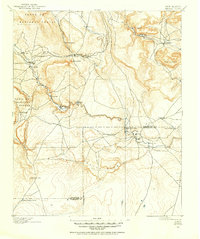 1890 Bernal1956 Print · USGSSettlements along the Pecos River valley and the critical rail corridor of the late nineteenth century define this New Mexico landscape. Researchers can trace the early rail stops and traditional plazas of San Miguel, Old Bernal, and Anton Chico.
 - 1891 Map of Bernal
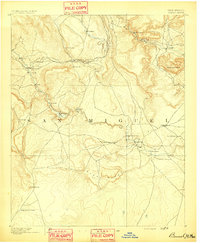 1891 Bernal1891 Print · USGSNorthern New Mexico's river valleys and mesa lands are captured here just as the railroad began transforming the territory's commerce. Genealogists can trace family roots in historic plazas like San Miguel, La Cuesta, and San Jose before modern development changed these rural corridors.
 - 1894 Map of Bernal
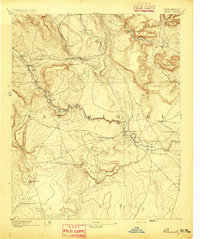 1894 Bernal1894 Print · USGSSan Miguel County at the end of the nineteenth century is captured here as the railroad began to reshape the old river settlements. Genealogists can trace family roots in historic villages like Old Bernal, Anton Chico, and La Liendre.4 unique versions available
 - 1954 Map of Santa Fe, 1963 Print
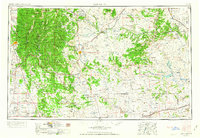 1954 Santa Fe1963 Print · USGSNew Mexico's high mountains and eastern plains meet in the mid-fifties, showing a landscape defined by the Sangre de Cristo Mountains and the Pecos River. Trace family roots and local history through San Christobal Church, Sena School, and the historic Las Vegas rail corridor.4 unique versions available
 - 1958 Map of Santa Fe
 1958 Santa Fe1958 Print · USGSThe Sangre De Cristo Mountains meet the high plains in the late 1950s, showing a landscape defined by rail corridors and ranching. Genealogists can trace family-named sites like Upton Ranch or visit the Fort Union (Ruins) and Tuloso School.
 - 1960 Map of Villanueva, 1962 Print
 1960 Villanueva1962 Print · USGSThe Pecos River valley in the early sixties maintains its traditional network of villages and acequia irrigation ditches. Genealogists and historians can trace family locations across the San Miguel Del Bado Tract and find settlements like Sena, El Cerrito, and San Miguel.
 - 1983 Map of Villanueva, 1984 Print
 1983 Villanueva1984 Print · USGSThe Pecos River valley and its high mesa surroundings are captured here in the early eighties. Researchers can trace historic river settlements like Villanueva and Sena, the route of the Atchison Topeka and Santa Fe railroad, and the high-desert terrain of Glorieta Mesa.
 - 1989 Map of Villanueva
 1989 Villanueva1989 Print · USGSUpper Pecos River valley life is preserved here in the late eighties, documenting the ancient settlements of Villanueva and El Cerrito. Genealogists and local historians can trace legacy land grants like San Miguel del Bado Tract No 1 and geographic markers such as Mesa Sombodoro.
 - 2002 Map of Villanueva, 2003 Print
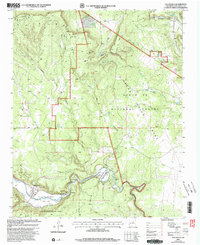 2002 Villanueva2003 Print · USGSVillanueva and the surrounding San Miguel County landscape are shown here as they appeared at the turn of the millennium. Researchers can trace historic land grants and riverfront settlements like El Cerrito or locate the Villanueva Cem and Laguñita Springs.
 - 2011 Map of Villanueva, 2011 Print
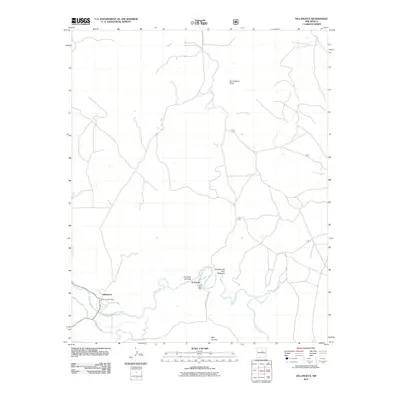 2011 Villanueva2011 Print · USGSThe Pecos River valley comes into sharp focus in this early twenty-first-century survey of San Miguel County. Researchers can trace the layout of Villanueva and El Cerrito, including the exact sites of the local post offices and roads leading to Sombodoro Mesa.
 - 2013 Map of Villanueva, 2013 Print
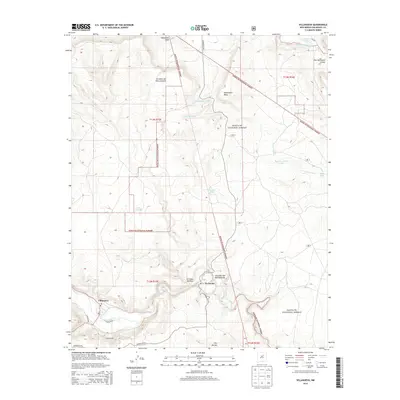 2013 Villanueva2013 Print · USGSTraditional New Mexican river settlements endure along the Pecos River in this detailed look at San Miguel County during the early 2010s. Genealogists and historians can trace the canyon landscape around Villanueva, the small village of El Cerrito, and landmarks like Starvation Peak.
 - 2017 Map of Villanueva, 2017 Print
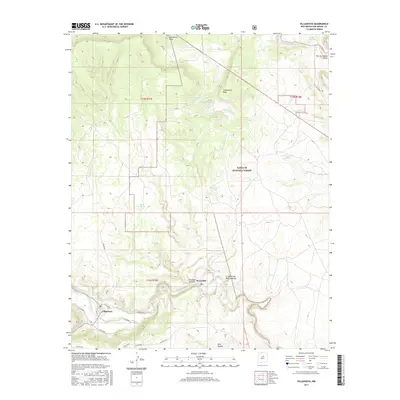 2017 Villanueva2017 Print · USGSVillanueva and the surrounding mesas of San Miguel County are captured here in the 2010s. Modern researchers can trace the course of the Pecos River through the valley and locate landmarks like Starvation Peak, Sombodoro Mesa, and the secluded Dos Lagunas.
 - 2020 Map of Villanueva, 2020 Print
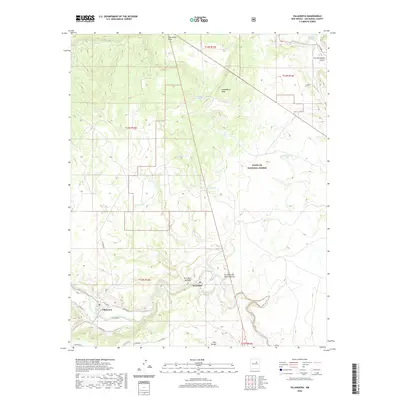 2020 Villanueva2020 Print · USGSSan Miguel County's river valley comes to life in this survey of the high desert and forest transition near the start of the 2020s. Trace the rural settlements of Villanueva and El Cerrito along the Pecos River or explore the heights of Starvation Peak.
 - 2023 Map of Villanueva, 2023 Print
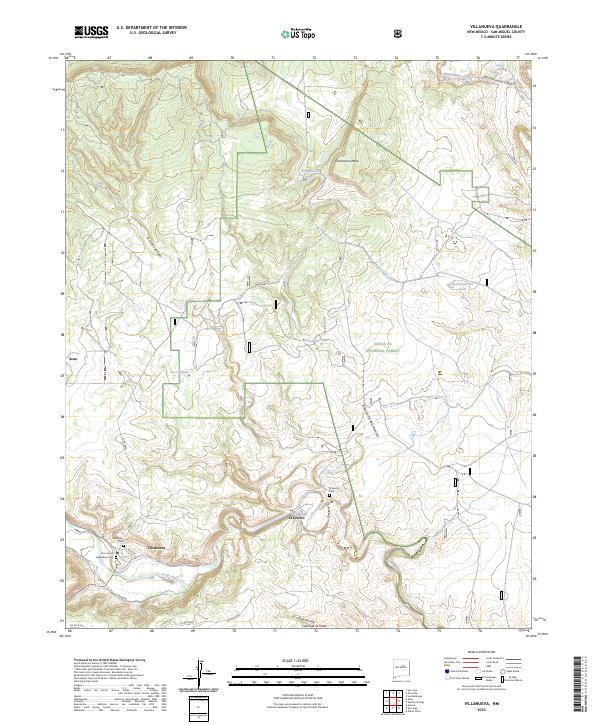 2023 Villanueva2023 Print · USGSTraditional New Mexican river settlements endure along the Pecos River in this modern survey of San Miguel County. Researchers can trace local genealogy at Our Lady of Guadalupe Cem or explore the rugged breaks of Sombodoro Mesa and El Cerrito.
End of results
Showing maps 1-14 of 14
Frequently asked questions
- What are the different types of historical maps available for El Cerrito?
- What is the oldest map of El Cerrito?
- Where can I purchase historical maps of El Cerrito for my home or office?
- Where can I download high-res historical maps of El Cerrito?
- Are there historical topographic maps available for El Cerrito?
- Is there historical aerial imagery available for El Cerrito?
- Where are historical maps of El Cerrito sourced from?