Old Maps of Lower Pueblo, New Mexico
Explore 14 old maps of Lower Pueblo, spanning from 1890 to today. These high-resolution historic maps reveal how streets, neighborhoods, landmarks, and natural features evolved over time — perfect for genealogy, metal detecting, research, and local history exploration.
What you can do with these maps:
- See how Lower Pueblo changed over time: Compare historical maps to modern-day views to trace roads, homesites, rail lines & more.
- View detailed metadata: Each map includes creators, publishers, year, scale, and archive source.
- Overlay maps with satellite & LiDAR: Visualize the past alongside modern tools to explore terrain & human change.
- Trusted historical sources: Maps sourced from the USGS, Library of Congress, and other archives.
- Access maps your way: View online, download high-res files, or order prints for personal or research use.
Start exploring old maps of Lower Pueblo to uncover forgotten places, hidden landmarks, and the deep history beneath your feet.
Lower Pueblo, NM maps
(14)- 1890 Map of Bernal, 1956 Print
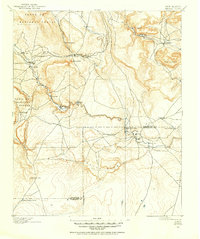 1890 Bernal1956 Print · USGSSettlements along the Pecos River valley and the critical rail corridor of the late nineteenth century define this New Mexico landscape. Researchers can trace the early rail stops and traditional plazas of San Miguel, Old Bernal, and Anton Chico.
 - 1891 Map of Bernal
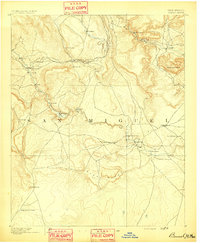 1891 Bernal1891 Print · USGSNorthern New Mexico's river valleys and mesa lands are captured here just as the railroad began transforming the territory's commerce. Genealogists can trace family roots in historic plazas like San Miguel, La Cuesta, and San Jose before modern development changed these rural corridors.
 - 1894 Map of Bernal
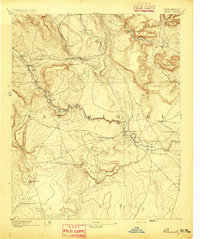 1894 Bernal1894 Print · USGSSan Miguel County at the end of the nineteenth century is captured here as the railroad began to reshape the old river settlements. Genealogists can trace family roots in historic villages like Old Bernal, Anton Chico, and La Liendre.4 unique versions available
 - 1954 Map of Santa Fe, 1963 Print
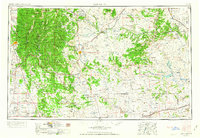 1954 Santa Fe1963 Print · USGSNew Mexico's high mountains and eastern plains meet in the mid-fifties, showing a landscape defined by the Sangre de Cristo Mountains and the Pecos River. Trace family roots and local history through San Christobal Church, Sena School, and the historic Las Vegas rail corridor.4 unique versions available
 - 1958 Map of Santa Fe
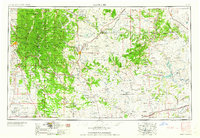 1958 Santa Fe1958 Print · USGSThe Sangre De Cristo Mountains meet the high plains in the late 1950s, showing a landscape defined by rail corridors and ranching. Genealogists can trace family-named sites like Upton Ranch or visit the Fort Union (Ruins) and Tuloso School.
 - 1960 Map of Villanueva, 1962 Print
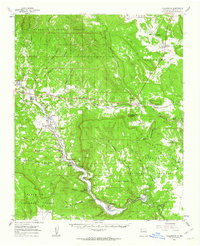 1960 Villanueva1962 Print · USGSThe Pecos River valley in the early sixties maintains its traditional network of villages and acequia irrigation ditches. Genealogists and historians can trace family locations across the San Miguel Del Bado Tract and find settlements like Sena, El Cerrito, and San Miguel.
 - 1983 Map of Villanueva, 1984 Print
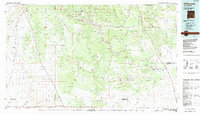 1983 Villanueva1984 Print · USGSThe Pecos River valley and its high mesa surroundings are captured here in the early eighties. Researchers can trace historic river settlements like Villanueva and Sena, the route of the Atchison Topeka and Santa Fe railroad, and the high-desert terrain of Glorieta Mesa.
 - 1989 Map of Sena
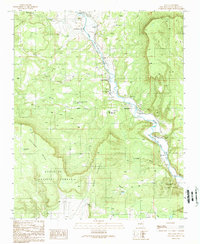 1989 Sena1989 Print · USGSSan Miguel County communities along the Pecos River are captured in the late 1980s as traditional land grant boundaries still shape the local geography. Researchers can trace family-named settlements like Sena, Lovato, and Garanbuio or locate landmarks like the Valley School.
 - 2002 Map of Sena, 2003 Print
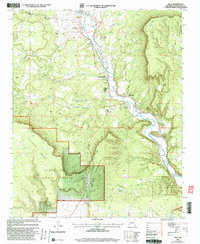 2002 Sena2003 Print · USGSSan Miguel County's river-valley life is on display in this early 2000s survey of the Pecos corridor. Researchers can trace traditional water rights through the Ribera Ditch and locate historic village centers like San Miguel and Upper Pueblo.
 - 2011 Map of Sena, 2011 Print
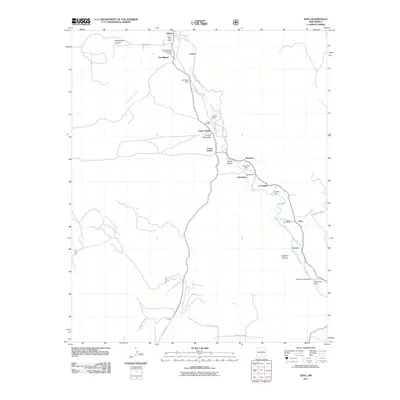 2011 Sena2011 Print · USGSSan Miguel County communities along the Pecos River valley appear here in detail as they stood in the early 2000s. Researchers can trace historic land patterns and family sites from the San Miguel del Vado Historic District down to Sena and the Pueblo Cemetery.
 - 2013 Map of Sena, 2013 Print
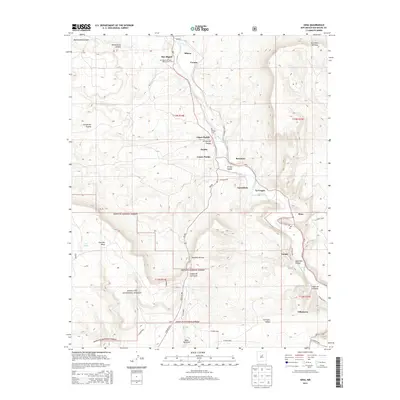 2013 Sena2013 Print · USGSSan Miguel County settlements follow the bends of the Pecos River in this 2013 survey of north-central New Mexico. Researchers can trace the layout of the San Miguel del Vado Historic District and locate local landmarks like the Pueblo Cem and Hurtado Mesa.
 - 2017 Map of Sena, 2017 Print
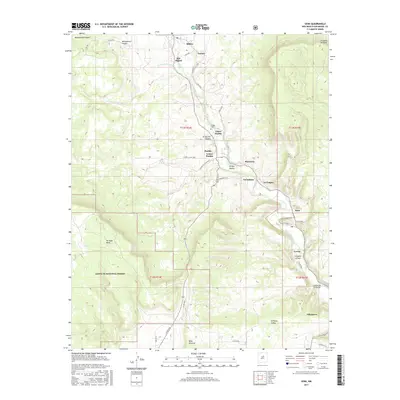 2017 Sena2017 Print · USGSSan Miguel County's Pecos River valley is documented here in the early twenty-first century, showing a traditional landscape of riverfront villages and high mesas. Researchers can trace ancestral sites from Villanueva to the Pueblo Cem and the quiet reaches of Hurtado Mesa.
 - 2020 Map of Sena, 2020 Print
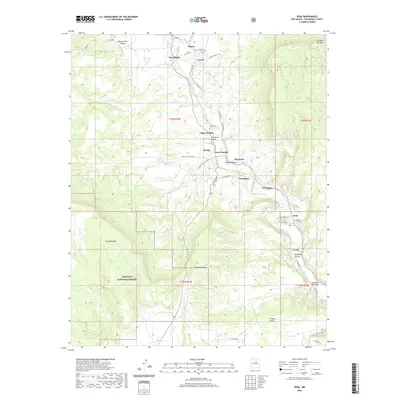 2020 Sena2020 Print · USGSThe Pecos River valley in San Miguel County comes into focus in this recent survey of northern New Mexico's high-mesa country. Researchers can trace historic river-side settlements like Ribera and Sena or locate the Pueblo Cem near the banks of the Pecos River.
 - 2023 Map of Sena, 2023 Print
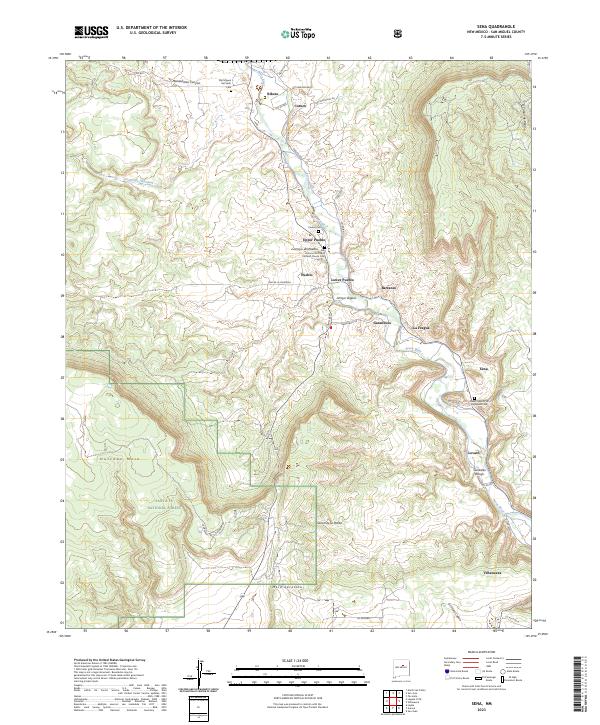 2023 Sena2023 Print · USGSUpper Pecos River valley settlements are documented here in their modern context, from Villanueva to Ribera. Genealogists can trace family locations near the San Antonio De Padua Catholic Church or the San Miguel Del Vado Cem and see how the river shapes life in Sena.
End of results
Showing maps 1-14 of 14
Frequently asked questions
- What are the different types of historical maps available for Lower Pueblo?
- What is the oldest map of Lower Pueblo?
- Where can I purchase historical maps of Lower Pueblo for my home or office?
- Where can I download high-res historical maps of Lower Pueblo?
- Are there historical topographic maps available for Lower Pueblo?
- Is there historical aerial imagery available for Lower Pueblo?
- Where are historical maps of Lower Pueblo sourced from?