Old Maps of Stottville, New York for Hiking & Exploration
Hike through history with 25 historic maps of Stottville. Explore old trails, ghost towns, and forgotten backroads — perfect for outdoor adventurers and local explorers.
- Rediscover forgotten places: Map out old mining camps, roads, and footpaths that no longer exist on modern maps.
- Layer with modern tools: Combine with LiDAR or satellite views to plan hikes through historical terrain.
- Made for exploration: Popular among hikers, overlanders, and local history lovers.
Use these maps to find adventure and explore the hidden past of Stottville.
Stottville, NY maps
(25)- 1893 Map of Coxsackie
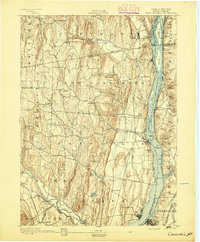 1893 Coxsackie1893 Print · USGSThe Hudson River valley at the close of the 19th century shows a landscape defined by waterborne trade and expanding rail networks. Genealogists and local historians can trace family-named landmarks like Stanton Hill, ferry landings at Nuttenhook, and rail hubs like Coeyman Junction.
 - 1894 Map of Coxsackie
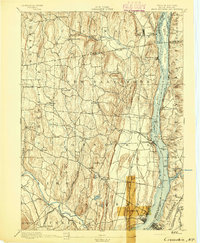 1894 Coxsackie1894 Print · USGSThe Hudson River valley at the close of the 19th century was a hub of rail and river transit between Greene and Columbia counties. Genealogists can trace family names at Stanton Hill and Stephensville or locate long-lost stops like New Baltimore Sta. and Coxsackie Station.8 unique versions available
 - 1903 Map of Kinderhook
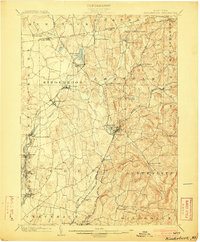 1903 Kinderhook1903 Print · USGSColumbia County at the turn of the century shows a landscape defined by the intersection of water power and rail. Trace the industrial heritage of Stuyvesant Falls and White Mills or locate ancestral homes in Old Chatham and Valatie.6 unique versions available
 - 1929 Map of Coxsackie
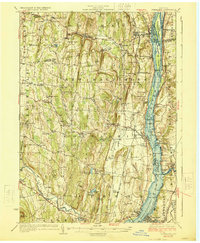 1929 Coxsackie1929 Print · USGSThe Hudson River valley in the late twenties was a bustling corridor of rail lines and river landings between Albany and Catskill. Genealogists and historians can trace family locations through dozens of numbered schoolhouses, the industrial works at Stottville, and the transit hubs of Schodack Landing and West Coxsackie.4 unique versions available
 - 1933 Map of Kinderhook
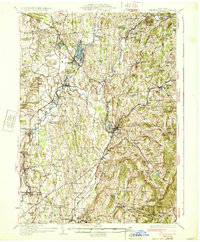 1933 Kinderhook1933 Print · USGSColumbia County in the early thirties is a landscape of thriving mill towns and rail junctions. Genealogists and historians can locate family-named schoolhouses like Woltermire Sch or trace the grounds of the Martin Van Buren Homestead.3 unique versions available
 - 1948 Map of Albany, 1951 Print
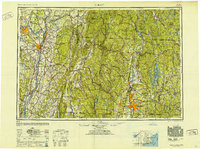 1948 Albany1951 Print · USGSThe Hudson and Connecticut River valleys are captured here in the late 1940s, showing the vital rail and water corridors of the Northeast. You can trace the Boston and Maine tracks past Mt Greylock or locate early settlements like Great Barrington and Bennington.
 - 1949 Map of Kinderhook
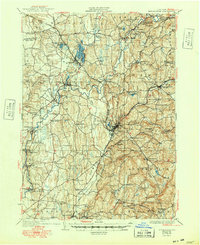 1949 Kinderhook1949 Print · USGSColumbia County’s landscape is captured here during the post-war era, showing a region shaped by both rail-borne industry and early American history. Genealogists and historians can trace the Boston and Albany tracks to landmarks like the Martin Van Buren Homestead and the Ichabod Crane Sch.
 - 1953 Map of Stottville, 1955 Print
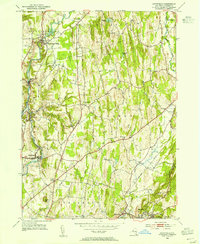 1953 Stottville1955 Print · USGSColumbia County at mid-century reveals a landscape shaped by early American history and the valley's industrial waterways. Genealogists and historians can trace family roots through the Martin Van Buren Homestead, the Ichabod Crane Home, and landmarks like Brick Tavern.3 unique versions available
 - 1953 Map of Hudson North, 1955 Print
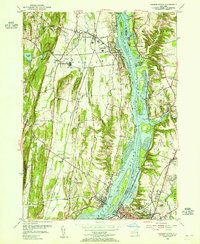 1953 Hudson North1955 Print · USGSThe Hudson Valley in the early fifties shows a landscape defined by its riverfront industry and deep-rooted settlements. Genealogists and local historians can trace family locations near Riverside Cem, the Rossman Sch, or the historic docks of Athens and Newton Hook.3 unique versions available
 - 1956 Map of Albany, 1968 Print
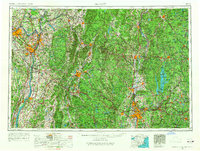 1956 Albany1968 Print · USGSThe industrial heart of the Northeast is revealed in the mid-1950s, from the Hudson Valley to the Connecticut River. Researchers can trace the legacy of the Quabbin Reservoir, locate Westover Air Force Base, or follow the Rutland RR through the Green Mountains.2 unique versions available
 - 1957 Map of Albany
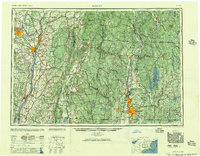 1957 Albany1957 Print · USGSThe Tri-State region and Connecticut River Valley are captured here during a period of significant postwar growth and infrastructure expansion. Genealogists and historians can trace the rail-and-river economy through landmarks like the Boston and Maine railroad, Quabbin Reservoir, and Westover Air Force Base.
 - 1959 Map of Albany
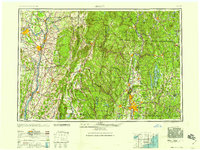 1959 Albany1959 Print · USGSThe Hudson and Connecticut River valleys are captured here during the late fifties, showing the region's dense rail networks and massive water projects. Researchers can trace the New York State Thruway or locate local landmarks like Mt Greylock and the Quabbin Reservoir.
 - 1962 Map of Albany
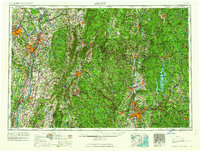 1962 Albany1962 Print · USGSThe Hudson and Connecticut River valleys meet the Green Mountains and Berkshires in this mid-century overview of the Northeast. Genealogists and historians can trace the industrial hearts of Albany and Springfield or locate features like Quabbin Reservoir and Westover Air Force Base.
 - 1980 Map of Hudson North, 1981 Print
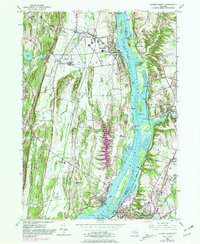 1980 Hudson North1981 Print · USGSThe Hudson River valley at the dawn of the 1980s reveals a landscape of industrial river towns and sprawling institutions. Genealogists and historians can trace family sites at Limestreet Cem or explore the rail-linked history of Stockport Sta and Newton Hook.
 - 1986 Map of Pittsfield
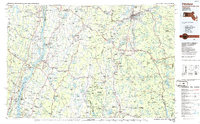 1986 Pittsfield1986 Print · USGSThe Berkshires and the Hudson Valley meet in the mid-1980s, documenting a cross-border landscape of mountain forests and river towns. Genealogists and historians can trace the paths of Conrail and the Taconic State Parkway as they pass through Stockbridge, Great Barrington, and Kinderhook.2 unique versions available
 - 2010 Map of Stottville, 2010 Print
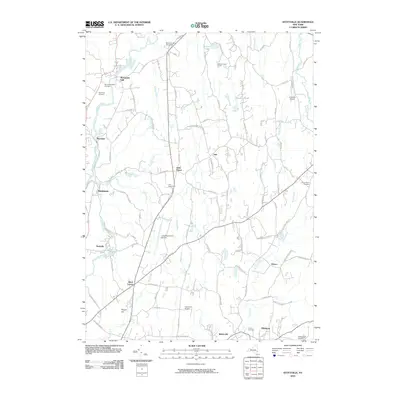 2010 Stottville2010 Print · USGSColumbia County's rural landscape at the turn of the 21st century remains anchored by its historic hamlets and famous homesteads. Researchers can locate significant landmarks like the Ichabod Crane Home, Brick Tavern, and the Stuyvesant Falls Cemetery.
 - 2010 Map of Hudson North, 2010 Print
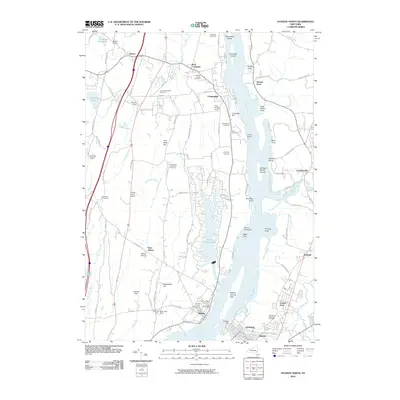 2010 Hudson North2010 Print · USGSThe upper Hudson River valley comes into focus in 2010, showing the riverside communities of Athens and Coxsackie. Genealogists can trace family names through the Bronck House, Mount Hope Cemetery, and Saint Marys Cemetery while mapping the reach of Murderers Creek.
 - 2013 Map of Stottville, 2013 Print
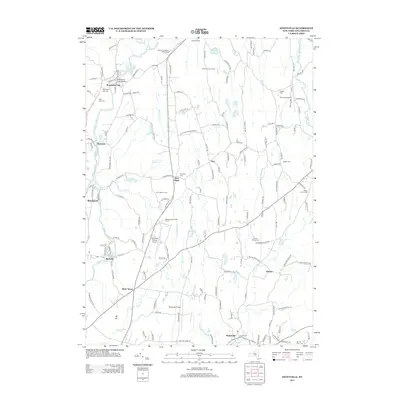 2013 Stottville2013 Print · USGSColumbia County’s landscape is captured here in the early twenty-first century, showing a mix of historic estates and creek-side industry. Researchers can find literary and political landmarks like the Ichabod Crane Home alongside genealogy-rich sites such as Stuyvesant Falls Cemetery and West Ghent Cemetery.
 - 2013 Map of Hudson North, 2013 Print
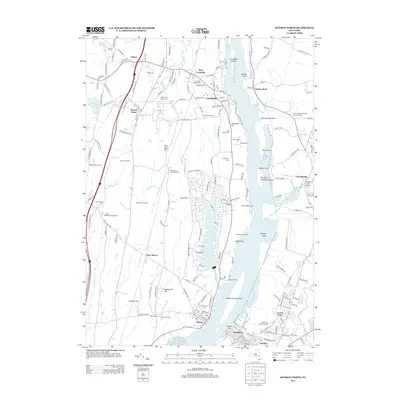 2013 Hudson North2013 Print · USGSThe riverfront communities of Greene and Columbia counties come into sharp focus in this recent survey of the upper Hudson valley. Researchers can trace land tracts near Bronck House, locate family plots at Saint Marys Cem, or study the industrial footprint of Hudson and Columbiaville.
 - 2016 Map of Stottville, 2016 Print
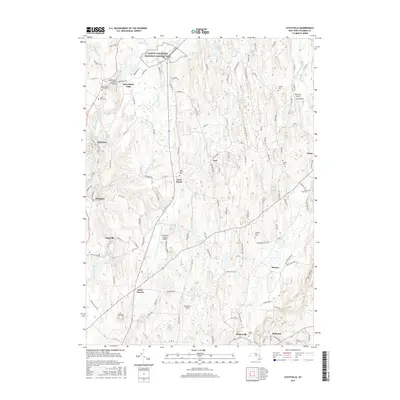 2016 Stottville2016 Print · USGSColumbia County’s landscape near the Hudson Valley is captured here in the mid-2010s, showing a mix of historic estates and rural villages. Genealogists can locate family landmarks like the Stuyvesant Falls Cem or the Martin Van Buren National Historic Site.
 - 2016 Map of Hudson North, 2016 Print
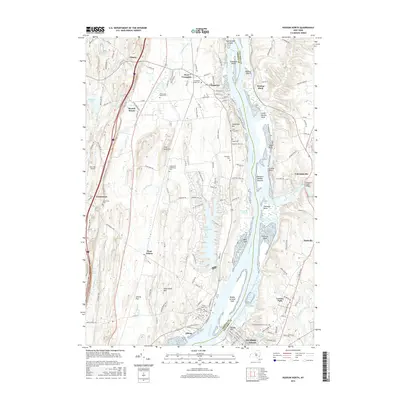 2016 Hudson North2016 Print · USGSThe Hudson Valley riverfront comes into focus here during the mid-twenty-tens, showing the established communities of Coxsackie and Athens. Genealogists and historians can trace significant local landmarks like the Bronck House or the Mount Hope Cem while exploring the shifting shoreline of Middle Ground Flats.
 - 2019 Map of Stottville, 2019 Print
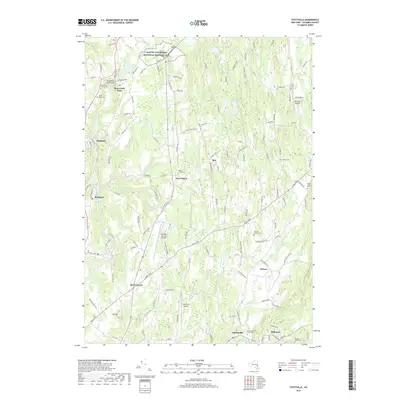 2019 Stottville2019 Print · USGSColumbia County in the late twenty-tens remains a landscape of historic hamlets and colonial-era routes. You can trace family history through sites like Saint Marys Cem, explore the grounds of the Martin Van Buren National Historic Site, or locate the old Brick Tavern.
 - 2019 Map of Hudson North, 2019 Print
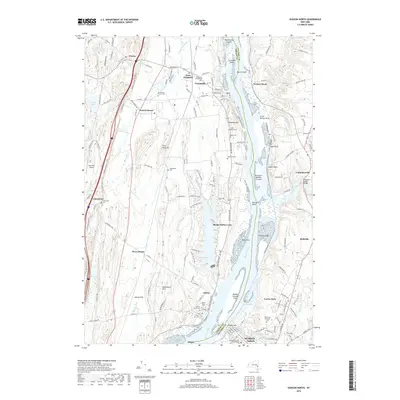 2019 Hudson North2019 Print · USGSThe Hudson River valley near Coxsackie and Athens is captured here in the late twenty-teens, showing a mix of colonial heritage and riverfront industry. Researchers can trace family history at the Bronck House or locate old burial grounds like Athens Rural Cem and Saint Marys Cem.
 - 2023 Map of Stottville, 2023 Print
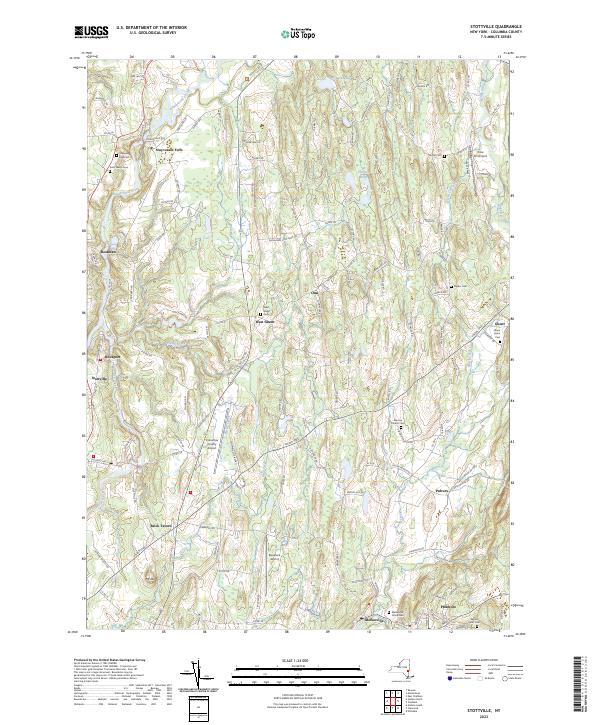 2023 Stottville2023 Print · USGSStuyvesant Falls and the surrounding Columbia County hills are shown in this modern survey. Genealogists can trace family heritage through sites like Snyder Cem and Saint Marys Cem, or locate landmarks such as Brick Tavern.
 - 2023 Map of Hudson North, 2023 Print
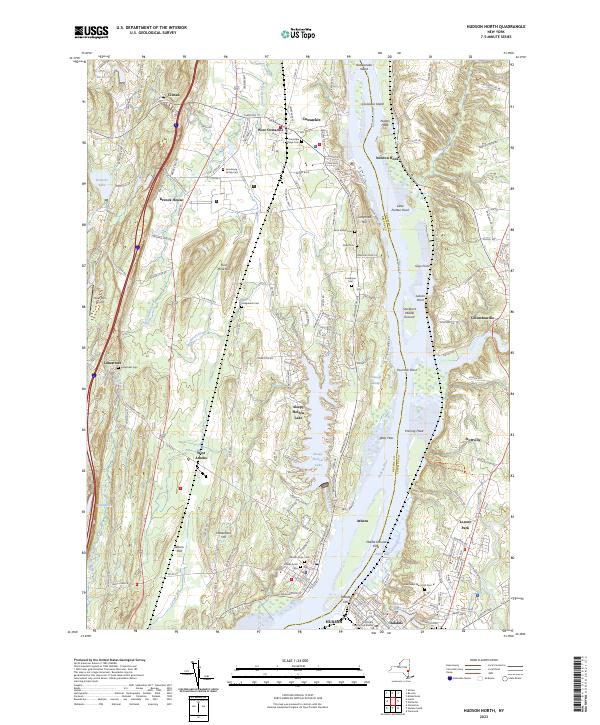 2023 Hudson North2023 Print · USGSThe Hudson River valley north of Hudson shows its modern mix of riverfront industry and historic settlement in this recent survey. Researchers can trace local lineage through sites like the Coxsackie Village Cem and landmark estates such as the Bronck House.
End of results
Showing maps 1-25 of 25
Top cities near Stottville
- Bethlehem historical maps
- Saugerties historical maps
- Schodack historical maps
- Catskill historical maps
- Red Hook historical maps
- Coxsackie historical maps
See more
Frequently asked questions
- What are the different types of historical maps available for Stottville?
- What is the oldest map of Stottville?
- Where can I purchase historical maps of Stottville for my home or office?
- Where can I download high-res historical maps of Stottville?
- Are there historical topographic maps available for Stottville?
- Is there historical aerial imagery available for Stottville?
- Where are historical maps of Stottville sourced from?