Old Maps of Hancock, New York for Academic Research
Study the evolution of Hancock with 95 high-resolution historic maps. Whether you're teaching, researching, or modeling changes in land use, these maps provide essential visual documentation of urban, environmental, and geographic change.
- Analyze long-term change: Track patterns in development, transportation, and natural features.
- Ideal for environmental or urban studies: Support academic projects with primary historical map data.
- Use in the classroom or lab: Educators and researchers rely on these maps to bring historical context to life.
These maps are a powerful tool for teaching, research, and visualizing how Hancock has changed over the decades.
Hancock, NY maps
(95)- 1920 Map of Long Eddy
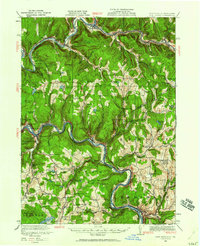 1920 Long Eddy1920 Print · USGSThe Delaware River borderlands come alive in the 1920s as a hub of rail activity and riverfront commerce. Genealogists can locate family names near landmarks like Peckville P O, Equinunk, and rural schoolhouses like the South Branch School.3 unique versions available
 - 1921 Map of Long Eddy
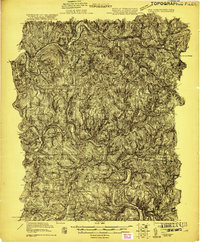 1921 Long Eddy1921 Print · USGSThe Delaware River borderlands are captured here in the early twenties, showing a network of small upland communities and river crossings. Genealogists can trace family footprints through numerous rural schoolhouses and landmarks like Read Cemetery, Abrahamsville, and the Ferry.
 - 1921 Map of Livingston Manor, 1952 Print
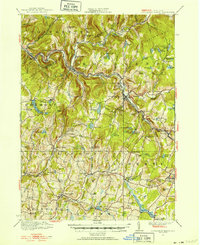 1921 Livingston Manor1952 Print · USGSSullivan County in the early twenties is captured here as a landscape of timber processing and rail-connected mountain towns. Genealogists and historians can trace numerous rural districts like the Ireland School or find specific industrial sites such as the Acid Plant and Dye Works.2 unique versions available
 - 1923 Map of Long Eddy
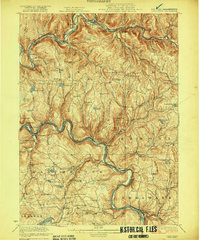 1923 Long Eddy1923 Print · USGSThe Delaware River valley thrived in the 1920s as a rail and timber hub between New York and Pennsylvania. Genealogists can trace family roots through the many rural schoolhouses and riverside settlements like Lordville, Equinunk, and Fishs Eddy.5 unique versions available
 - 1923 Map of Walton
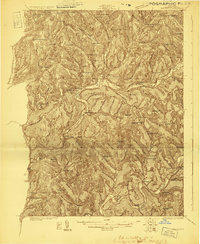 1923 Walton1923 Print · USGSDelaware County in the early 1920s is defined by the winding Delaware River and the busy New York Ontario and Western RR. Genealogists can locate dozens of rural school sites, from the Texas School to Carcass Brook School, alongside hamlets like Beerston and Rock Rift.3 unique versions available
 - 1923 Map of Livingston Manor
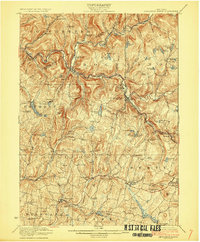 1923 Livingston Manor1923 Print · USGSSullivan County in the early twenties shows a landscape transitioning between timber industries and mountain recreation. Genealogists and historians can locate dozens of district schools like Sprague School and trace industrial sites like the Acid Plant along the Ontario and Western RR.5 unique versions available
 - 1924 Map of Starrucca
 1924 Starrucca1924 Print · USGSThe river-and-rail economy of the Delaware valley is captured here in the mid-1920s during a period of industrial activity. Researchers can trace the junctions of the Erie RR and locate local landmarks like Cadosia Factories and Stockport Sta.
 - 1924 Map of Deposit, 1957 Print
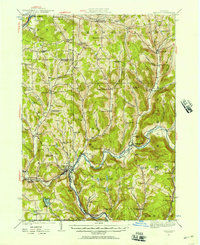 1924 Deposit1957 Print · USGSDelaware and Broome Counties are shown here in the mid-twenties, centered on the river-and-rail corridor near Deposit. Researchers can trace the original locations of communities like Cannonsville and Rock Royal, or find ancestral schoolhouses like Slow and Easy School.
 - 1925 Map of Walton
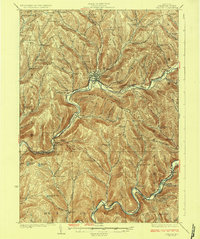 1925 Walton1925 Print · USGSDelaware County during the mid-1920s is a landscape of rugged river valleys and remote hill-country farming communities. Genealogists can trace family roots through numerous local landmarks like Knickerbocker School, the village of Shinhopple, and the rail stops of the New York Ontario and Western RR.5 unique versions available
 - 1926 Map of Deposit
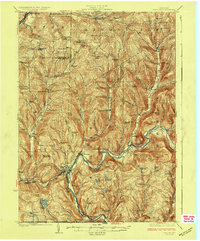 1926 Deposit1926 Print · USGSThe West Branch of the Delaware River winds through these hills in the mid-twenties, passing through the villages of Deposit and Cannonsville. Genealogists can trace dozens of rural school districts, including the Slow and Easy School, and find old homesteads near McClure Settlement.4 unique versions available
 - 1926 Map of Starrucca
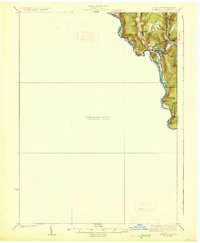 1926 Starrucca1926 Print · USGSThe river-and-rail corridor at the New York and Pennsylvania border comes alive in the mid-1920s, showing the vital confluence at Hancock. Genealogists and rail historians can trace the paths of the Erie R R, identifying old transit points like Stockport Sta and Sands Switch.
 - 1930 Map of Starrucca
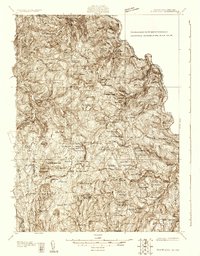 1930 Starrucca1930 Print · USGSUpper Wayne County was a major transportation and recreation hub in the 1930s, defined by the Delaware River rail corridors and numerous upland lakes. Genealogists can trace family roots through localized sites like the South Preston Grange Hall and schools like Fairmont Sch.3 unique versions available
 - 1933 Map of Starrucca
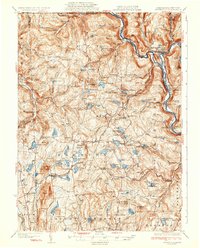 1933 Starrucca1933 Print · USGSUpper Wayne County was a landscape of rail-connected dairy farms and summer camps in the years between the wars. Genealogists can locate family-named rural schools and depots from Stephens Switch and Stockport Sta to Hines Corners.3 unique versions available
 - 1943 Map of Honesdale
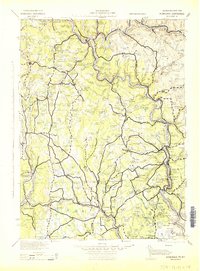 1943 Honesdale1943 Print · USGSThe northern Poconos and the Upper Delaware River valley appear here during the early war years, showing a network of mountain hamlets and riverfront rail towns. Genealogists can trace family roots through numerous remote institutions like Kingsbury Hill Church, Peakville P O, and the Hiawatha School.
 - 1943 Map of Monticello, 1964 Print
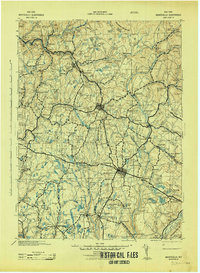 1943 Monticello1964 Print · USGSSullivan County in the early 1940s is shown at a peak of its rural development before mid-century modernization changed the landscape. Genealogists and researchers can trace local roots through numerous district schools like the Bushville School and family landmarks such as the Stewart Cem or the industrial Dye Works.
 - 1944 Map of Long Eddy
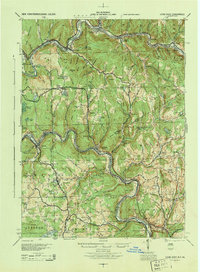 1944 Long Eddy1944 Print · USGSThe Delaware River valley straddles the state line during the mid-forties, showing a landscape of isolated hill farms and riverside rail towns. Researchers can locate numerous vanished country schools such as Priceville Sch and Cooley Sch or trace the path of the Erie RR.
 - 1944 Map of Deposit
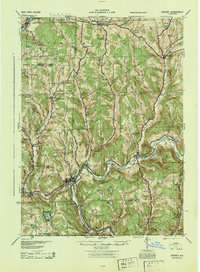 1944 Deposit1944 Print · USGSDelaware and Broome Counties come alive in the mid-1940s, showing the river-valley communities before later reservoir projects transformed the landscape. Trace genealogical roots through dozens of rural landmarks like McClure Settlement, Rock Royal, and Hale Eddy.
 - 1944 Map of Livingston Manor
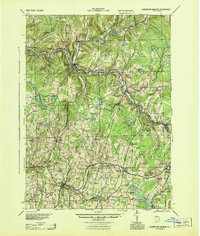 1944 Livingston Manor1944 Print · USGSThe Catskill foothills of Sullivan County are mapped here during the mid-forties, showing the vital rail and river corridor through Livingston Manor. Genealogists and local historians can trace the New York Ontario and Western RR and numerous rural schoolhouses like Hardenburgh Sch and Midway Sch.
 - 1948 Map of Binghamton, 1980 Print
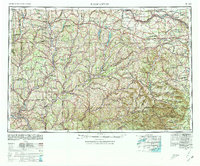 1948 Binghamton1980 Print · USGSCentral New York and the Southern Tier thrive in the late 1940s as a hub of rail traffic and mountain industry. Researchers can trace historic transit lines like the Erie Railroad through Binghamton or find old valley settlements near Oneonta and Delhi.
 - 1950 Map of Binghamton
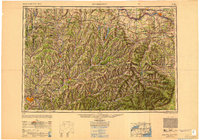 1950 Binghamton1950 Print · USGSBinghamton and the surrounding Southern Tier are shown in the mid-century era, highlighting the intricate rail and river networks that drove local industry. Researchers can trace the path of the Erie Railroad and locate landmarks from Otsego Lake to Sidney Mountain.2 unique versions available
 - 1950 Map of Scranton, 1952 Print
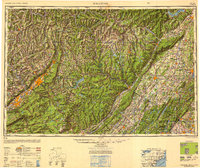 1950 Scranton1952 Print · USGSMid-century Northeast Pennsylvania and the Hudson Valley come alive in this survey of the tri-state region. Genealogists and historians can trace the dense rail networks of the Erie RR and DL&W RR between industrial hubs like Scranton and Wilkes-Barre.
 - 1953 Map of Scranton
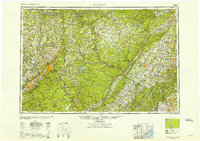 1953 Scranton1953 Print · USGSNortheastern Pennsylvania and the Catskills are shown in great detail during the early fifties, a time when rail lines and river valleys dictated the region's growth. Genealogists and historians can trace the industrial hearts of Scranton and Wilkes-Barre or locate remote landmarks like High Point and Lake Wallenpaupack.
 - 1958 Map of Binghamton
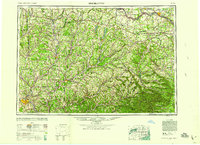 1958 Binghamton1958 Print · USGSCentral New York in the late fifties was a network of manufacturing cities and river valleys connected by vital rail lines. Genealogists and historians can trace family roots in Oneonta, Norwich, and Cooperstown or locate long-standing farms along Schoharie Creek.
 - 1959 Map of Scranton
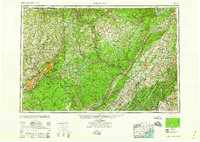 1959 Scranton1959 Print · USGSThe northern coalfields and the Hudson Valley meet in this mid-century survey of the Pennsylvania and New York borderlands. Genealogists and historians can trace the intricate rail networks of the Erie Railroad and the vast waters of Lake Wallenpaupack.2 unique versions available
 - 1962 Map of Scranton, 1977 Print
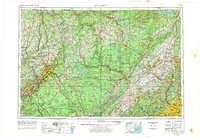 1962 Scranton1977 Print · USGSThe industrial heart of eastern Pennsylvania and the New York Catskills are captured here in the early sixties. Genealogists and historians can trace the dense valley settlements from Scranton to Wilkes-Barre and the rail lines of the Erie Lackawanna Railroad.2 unique versions available
Showing maps 1-25 of 95
Top cities near Hancock
- Walton historical maps
- Damascus Township historical maps
- Rockland historical maps
- Callicoon historical maps
- Walton historical maps
- Sanford historical maps
See more
Top neighborhoods of Hancock
- Burnwood historical maps
- Peakville historical maps
- Rock Valley historical maps
- Methol historical maps
- Peas Eddy historical maps
- East Branch historical maps
See more
Frequently asked questions
- What are the different types of historical maps available for Hancock?
- What is the oldest map of Hancock?
- Where can I purchase historical maps of Hancock for my home or office?
- Where can I download high-res historical maps of Hancock?
- Are there historical topographic maps available for Hancock?
- Is there historical aerial imagery available for Hancock?
- Where are historical maps of Hancock sourced from?