Old Maps of Osceola, New York for Academic Research
Study the evolution of Osceola with 62 high-resolution historic maps. Whether you're teaching, researching, or modeling changes in land use, these maps provide essential visual documentation of urban, environmental, and geographic change.
- Analyze long-term change: Track patterns in development, transportation, and natural features.
- Ideal for environmental or urban studies: Support academic projects with primary historical map data.
- Use in the classroom or lab: Educators and researchers rely on these maps to bring historical context to life.
These maps are a powerful tool for teaching, research, and visualizing how Osceola has changed over the decades.
Osceola, NY maps
(62)- 1903 Map of Orwell, 1955 Print
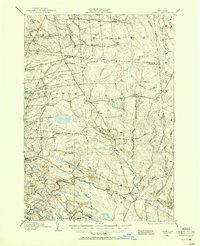 1903 Orwell1955 Print · USGSOswego and Jefferson counties are documented here at the opening of the twentieth century, showing a landscape defined by the Tug Hill drainages. Genealogists and historians can trace the early footprints of Littlejohn Settlement, Otto Mills, and the falls at Stillwater.
 - 1905 Map of Orwell
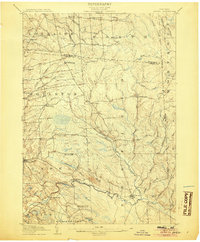 1905 Orwell1905 Print · USGSUpper Oswego and Jefferson counties are shown here in the early nineteen-hundreds as a landscape of remote settlements and river-powered valleys. Genealogists and historians can trace the exact locations of Little John Settlement, the Salmon Falls cataracts, and Bennett Bridge.6 unique versions available
 - 1905 Map of Taberg
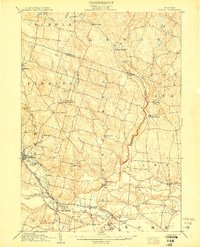 1905 Taberg1905 Print · USGSOneida and Lewis Counties come alive at the turn of the century as a landscape of timber mills and rail junctions. Genealogists and local historians can trace family locations through named hamlets like Empeyville East Florence PO and Taberg, or follow the industrial paths of the Lehigh Valley RR.6 unique versions available
 - 1906 Map of Highmarket
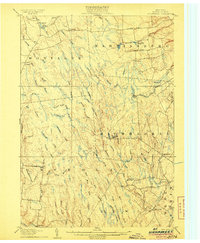 1906 Highmarket1906 Print · USGSLewis County at the turn of the century shows a landscape of timber hamlets and early logging railroads deep in the Tug Hill region. Genealogists and researchers can trace the old paths of the Glenfield and Western RR or locate the sites of Michigan Mills and Highmarket.6 unique versions available
 - 1906 Map of Kasoag
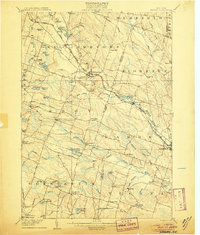 1906 Kasoag1906 Print · USGSOswego and Oneida counties are shown here in the early twentieth century as a thriving network of rail-linked hamlets and remote farmsteads. Researchers can trace old family locations near Florence Hill, North Amboy, and the State Fish Hatchery.7 unique versions available
 - 1942 Map of Redfield, 1958 Print
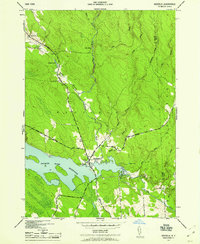 1942 Redfield1958 Print · USGSThe upland township of Redfield and its namesake reservoir are captured here during the early war years as a landscape of rural schools and winding river branches. Researchers can trace local family landmarks and infrastructure including Myrtle Cem, Otto Mills, and the sites of three numbered schoolhouses.
 - 1943 Map of Redfield
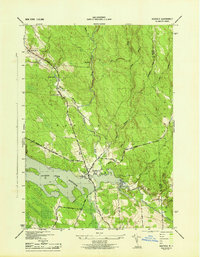 1943 Redfield1943 Print · USGSOswego County's high country during the mid-forties shows a landscape of small mill sites and remote schoolhouses. Trace the early layout of Redfield and Otto Mills, or locate family sites like the Myrtle Cem and School No 9 along the Mad River.
 - 1943 Map of Westdale
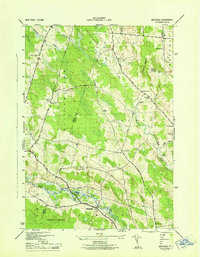 1943 Westdale1943 Print · USGSOneida County at the height of the Second World War reveals a landscape of small farming hamlets and a robust network of district schools. Genealogists can trace family roots through sites like Graves Cem, Union Ch, and settlements such as Westdale or Spellicy.
 - 1943 Map of East Florence
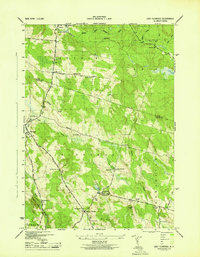 1943 East Florence1943 Print · USGSThe Tug Hill region at the height of the Second World War shows a landscape of remote settlements and small school districts. Genealogists can trace family footprints across Hanifin Corners, Thomson Corners, and many rural burial grounds like Greely Cem.
 - 1943 Map of Worth Center
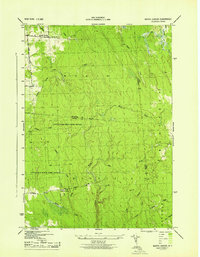 1943 Worth Center1943 Print · USGSThe Tug Hill plateau at the height of the Second World War reveals a landscape of isolated homesteads and expanding conservation lands. Genealogists and hikers can trace the old roads near Worth Center, School No 4, and the Lookout Tower.
 - 1943 Map of Sears Pond
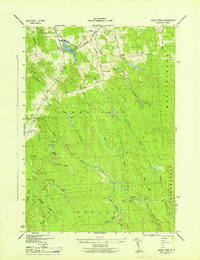 1943 Sears Pond1943 Print · USGSLewis County's Tug Hill plateau during the early war years reveals a landscape of isolated rural schools and winding creek networks. Genealogists and historians can trace the foundations of the Hooker settlement and locate vanished schoolhouses like School No 7 and School No 9.5 unique versions available
 - 1943 Map of North Osceola, 1953 Print
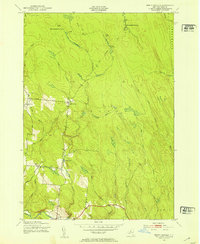 1943 North Osceola1953 Print · USGSThe Tug Hill region in the early 1940s reveals a quiet landscape of winding river forks and rural settlements. Genealogists and researchers can trace the locations of School No 7 and School No 2, or explore the rail-related origins of New Campbellwood Wye.3 unique versions available
 - 1943 Map of High Market, 1960 Print
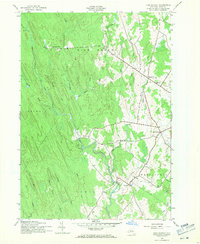 1943 High Market1960 Print · USGSLewis County was a landscape of remote timber settlements and isolated schoolhouses during the early 1940s. Genealogists and local historians can trace the rural layout of Michigan Mills, locate Byron Corners, and find the sites of School No 6 and School No 9.3 unique versions available
 - 1944 Map of North Osceola
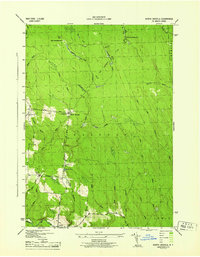 1944 North Osceola1944 Print · USGSThe town of Osceola during the mid-1940s remains a landscape of remote mountain schools and timber-era settlements. Genealogists can trace family footprints near Stone Pond or locate historic sites like School No 3 and Old Campbellwood.
 - 1944 Map of Highmarket
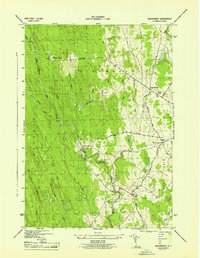 1944 Highmarket1944 Print · USGSIn the mid-1940s, the Lewis County uplands supported a network of small settlements and numbered school districts amidst the Tug Hill waterways. Genealogists and local historians can trace family-named routes like Mackey Road and find long-lost sites like School No 5 or the cluster at Michigan Mills.
 - 1946 Map of Westdale, 1953 Print
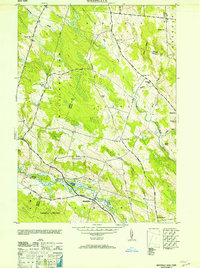 1946 Westdale1953 Print · USGSOneida County's rural heartland is captured here just after the war, showing the network of hill-country hamlets and district schools. Trace family roots and vanished landmarks near Westdale, Union Ch, and the many rural schoolhouses like School No 5.
 - 1950 Map of Utica, 1951 Print
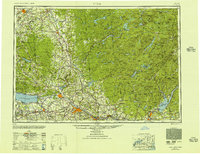 1950 Utica1951 Print · USGSCentral New York in the post-war era showcases the industrial Mohawk Valley and the pristine Adirondack interior. Researchers can trace transportation networks like the New York Central Railroad and find early Cold War sites such as Griffiss Air Force Base.
 - 1955 Map of Florence, 1957 Print
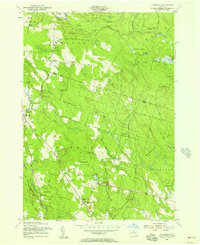 1955 Florence1957 Print · USGSThe Tug Hill region on the Oneida and Lewis county line is shown here in the mid-fifties, dominated by state reforestation tracts and rural hamlets. Researchers can trace family roots at St Marys Ch or locate old school sites and burials like Gregory Cem and School No 1.3 unique versions available
 - 1957 Map of Utica
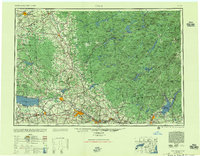 1957 Utica1957 Print · USGSCentral New York and the Adirondack foothills are captured here in the mid-fifties, showing a landscape defined by the Mohawk River corridor and the growing highway system. Genealogists and researchers can trace the rail lines of the New York Central and locate communities from Lowville to Gloversville.
 - 1959 Map of Westdale, 1961 Print
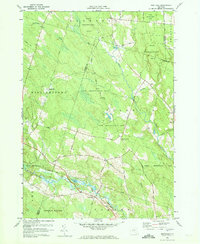 1959 Westdale1961 Print · USGSThe rural border of Oneida and Oswego counties comes into focus in the late 1950s, showing a landscape defined by state reforestation and quiet crossroads. Genealogists can trace family footprints at Johnson Cem or follow the path of the Old Railroad Grade near Westdale.3 unique versions available
 - 1960 Map of Worth Center, 1962 Print
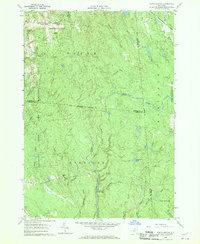 1960 Worth Center1962 Print · USGSThe Tug Hill region in the early sixties is shown as a densely forested landscape of state-managed lands and branching river systems. Researchers can trace the rural layout of Worth Center, the remote Littlejohn settlement, and the network of waters feeding the Mad River.4 unique versions available
 - 1960 Map of Redfield, 1962 Print
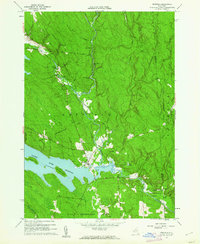 1960 Redfield1962 Print · USGSThe Tug Hill region of New York comes to life in the early sixties, showing the settlement of Redfield and the expansion of the Salmon River Reservoir. Genealogists and local historians can trace the paths of Waterbury Road to find Myrtle Cem or the industrial remnants at Otto Mills.4 unique versions available
 - 1962 Map of Utica
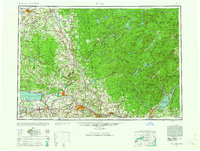 1962 Utica1962 Print · USGSCentral New York and the Adirondack wilderness are captured here during the mid-century era of highway and industrial expansion. Genealogists and historians can trace the development of the New York State Thruway and local rail lines connecting Utica, Rome, and Gloversville.3 unique versions available
 - 1964 Map of Utica
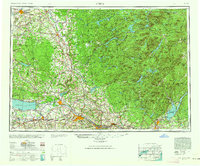 1964 Utica1964 Print · USGSCentral New York and the high wilderness of the Adirondacks are captured here during the post-war era of infrastructure expansion. Researchers can trace the development of the New York State Thruway alongside historic corridors like the Oneida Lake (Barge Canal Route) and the N. Y. Central railroad.
 - 1967 Map of Utica
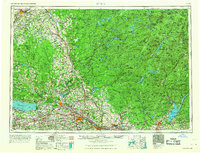 1967 Utica1967 Print · USGSCentral New York's industrial Mohawk Valley meets the Adirondack wilderness in the 1960s, showing the region's transition from manufacturing hubs to state-managed parklands. Trace historic settlements and sites like Griffiss Air Force Base, Colgate University, and the Lyons Falls Paper Mill.
Showing maps 1-25 of 62
Top cities near Osceola
- Lee historical maps
- Lowville historical maps
- Camden historical maps
- Constantia historical maps
- Lowville historical maps
- Annsville historical maps
See more
Top neighborhoods of Osceola
Frequently asked questions
- What are the different types of historical maps available for Osceola?
- What is the oldest map of Osceola?
- Where can I purchase historical maps of Osceola for my home or office?
- Where can I download high-res historical maps of Osceola?
- Are there historical topographic maps available for Osceola?
- Is there historical aerial imagery available for Osceola?
- Where are historical maps of Osceola sourced from?