Old Maps of East Massapequa, Oyster Bay for Academic Research
Study the evolution of East Massapequa with 21 high-resolution historic maps. Whether you're teaching, researching, or modeling changes in land use, these maps provide essential visual documentation of urban, environmental, and geographic change.
- Analyze long-term change: Track patterns in development, transportation, and natural features.
- Ideal for environmental or urban studies: Support academic projects with primary historical map data.
- Use in the classroom or lab: Educators and researchers rely on these maps to bring historical context to life.
These maps are a powerful tool for teaching, research, and visualizing how East Massapequa has changed over the decades.
East Massapequa, Oyster Bay maps
(21)- 1901 Map of Babylon, 1958 Print
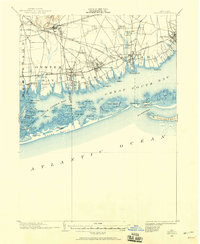 1901 Babylon1958 Print · USGSThe South Shore of Long Island at the turn of the century shows a landscape of rail-linked villages and tidal marshes. Trace early transit hubs like Bethpage Junc. and maritime outposts such as the Zachs Inlet L.S.S. along the coast.
 - 1903 Map of Babylon
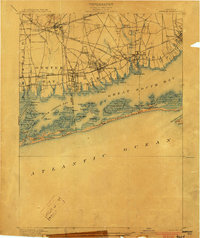 1903 Babylon1903 Print · USGSSouthern Suffolk County coastal life and rail expansion are captured here at the turn of the century. Genealogists and historians can trace early residential clusters around Amityville or locate coastal landmarks like Oak Island L.S.S. and Bethpage Junc.8 unique versions available
 - 1904 Map of Islip
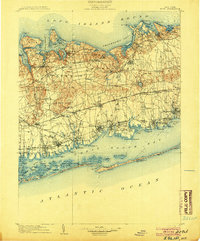 1904 Islip1904 Print · USGSSuffolk County at the start of the century reveals a landscape defined by deep north-shore harbors and the expansive Great South Bay. Genealogists and local historians can trace early rail lines through Kings Park and Stony Brook, or locate the sprawling State Hospital and St. Dominic Convent.5 unique versions available
 - 1919 Map of Babylon
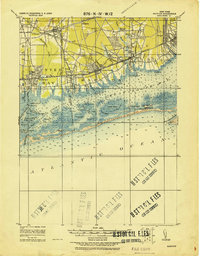 1919 Babylon1919 Print · USGSThe South Shore of Long Island is captured here during a period of steady growth between the world wars. Genealogists and local historians can trace early transportation routes like the Motor Parkway and locate coastal landmarks such as the Oak Island L.S.S. and St. Dominic Convent.
 - 1942 Map of Islip, 1943 Print
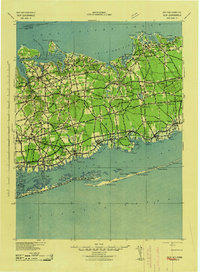 1942 Islip1943 Print · USGSCentral Suffolk County is shown during the early years of the war, as the automobile began to reshape the distance between historic North Shore harbors and the South Shore bays. Researchers can trace the path of the Long Island Motor Parkway, locate family plots at Pinelawn Cem, and identify coastal landmarks like Eaton Neck L H.
 - 1947 Map of Amityville
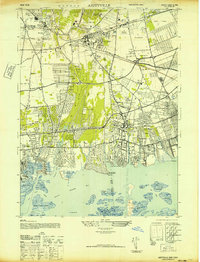 1947 Amityville1947 Print · USGSPostwar Long Island comes alive in the late 1940s as suburban shorelines and aviation hubs begin to reshape the landscape. Local historians can trace early neighborhood footprints and industrial sites like Republic Flying Field, the N Y State Poor Farm, and Pinelawn Cemetery.
 - 1949 Map of New York, 1951 Print
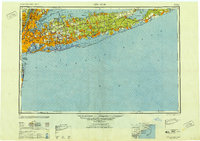 1949 New York1951 Print · USGSLong Island and its surrounding waters are documented here in the late 1940s, just as the postwar suburban boom began to transform the region. Genealogists and historians can trace the early layouts of Idlewild Airport, Mitchell Field, and the established routes of the Long Island RR.
 - 1954 Map of New York
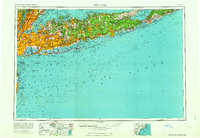 1954 New York1954 Print · USGSLong Island and the New York metropolitan area are shown during the height of post-war suburbanization. Genealogists and historians can trace the growth of Levittown, the infrastructure of the Long Island Rail Road, and landmarks like Mitchel Afb.2 unique versions available
 - 1954 Map of Amityville, 1957 Print
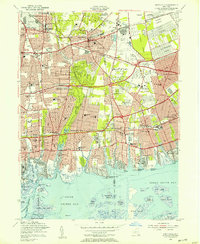 1954 Amityville1957 Print · USGSThe Nassau and Suffolk border towns come alive in the mid-fifties as postwar growth meets the South Shore. Genealogists and historians can trace family plots at St Charles Cemetery or locate early airfield sites like Grumman Airfield and Zahns Airport.
 - 1957 Map of New York, 1975 Print
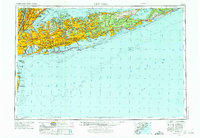 1957 New York1975 Print · USGSLong Island and the New York metropolitan area are shown in this mid-century survey during a period of massive suburban growth and industrial expansion. Researchers can trace the Long Island RR network and locate landmarks like Fort Tilden or the Brookhaven National Laboratory.
 - 1958 Map of New York
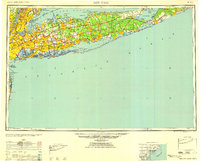 1958 New York1958 Print · USGSLong Island at the height of its postwar expansion reveals a landscape of rapidly growing suburbs and critical military installations. Genealogists and historians can trace the early footprints of Levittown, the terminals of Idlewild Airport, and the grounds of Brookhaven National Laboratory.3 unique versions available
 - 1960 Map of New York, 1979 Print
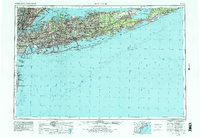 1960 New York1979 Print · USGSLong Island and the five boroughs are shown at a transformative moment mid-century as suburban expansion reshaped the landscape. Researchers can trace family roots through evolving neighborhoods from Rockville Centre to Sayville, or locate historic maritime landmarks like Eatons Neck and Montauk Point.2 unique versions available
 - 1969 Map of New York
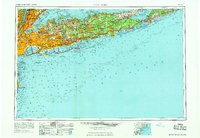 1969 New York1969 Print · USGSLong Island and the New York harbor area are shown here during a peak era of suburban expansion and Cold War defense. Trace the growth of Levittown, the infrastructure of Idlewild NY International Airport, and the reach of the Long Island RR.
 - 1969 Map of Amityville, 1971 Print
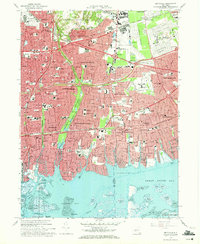 1969 Amityville1971 Print · USGSCoastal Long Island comes into sharp focus during the late sixties as suburban growth reaches the edge of the Great South Bay. Genealogists and local historians can trace the extensive grounds of Pinelawn Cemetery or the early aviation footprints of Republic Airport and Zahns Airport.2 unique versions available
 - 1984 Map of Long Island West, 1986 Print
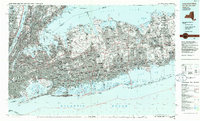 1984 Long Island West1986 Print · USGSWestern Long Island in the mid-eighties shows a mature suburban landscape defined by its famous expressways and historic rail lines. Researchers can trace the development of planned communities like Levittown or locate landmarks such as Fort Totten Mil Res and Stony Brook.2 unique versions available
 - 1994 Map of Amityville, 2000 Print
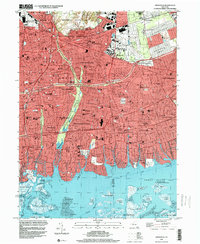 1994 Amityville2000 Print · USGSThe Nassau and Suffolk border in the mid-1990s reveals a landscape defined by rapid suburbanization and major transit arteries. Researchers can trace the layout of Republic Airport, the expansive Pinelawn Cemetery, and the waterfront docks of Amityville.
 - 2010 Map of Amityville, 2010 Print
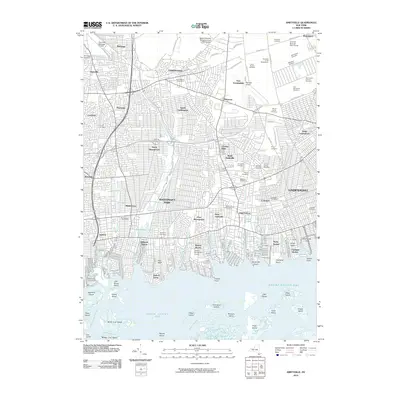 2010 Amityville2010 Print · USGSThe Nassau-Suffolk border shows its dense suburban character and aviation roots in the 2010s. Researchers can trace the massive cemetery tracts of Pinelawn Cemetery or locate established neighborhoods from Massapequa to Lindenhurst and North Amityville.
 - 2013 Map of Amityville, 2013 Print
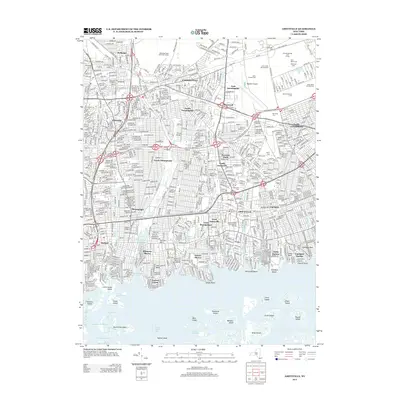 2013 Amityville2013 Print · USGSThe Nassau and Suffolk border area is shown here in the early twenty-first century as a bustling hub of aviation and coastal living. Genealogists and researchers can trace the vast cemetery complexes of East Farmingdale or locate landmarks like Republic Airport and the Island Drafting And Technical Institute.
 - 2016 Map of Amityville, 2016 Print
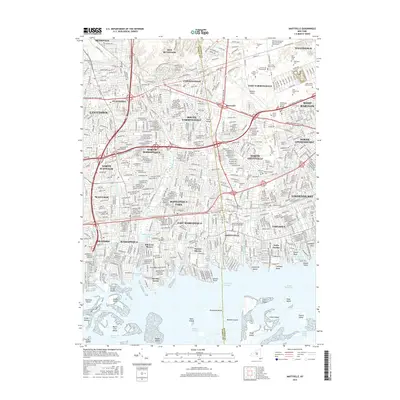 2016 Amityville2016 Print · USGSThe Nassau and Suffolk border area on Long Island is shown here during a period of dense suburban maturity. Genealogists and local historians can trace the vast memorial grounds of Saint Charles Cem and Pinelawn Cem or the coastal reach of Amityville Creek.
 - 2019 Map of Amityville, 2019 Print
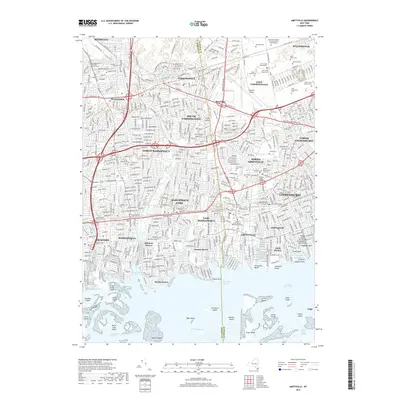 2019 Amityville2019 Print · USGSThe Nassau and Suffolk border on Long Island is shown here during a period of dense suburban maturity. Genealogists and historians can trace numerous memorial sites like Saint Charles Cem and Pinelawn Cem, or locate landmarks such as Republic Airport and the Sunrise Mall.
 - 2023 Map of Amityville, 2023 Print
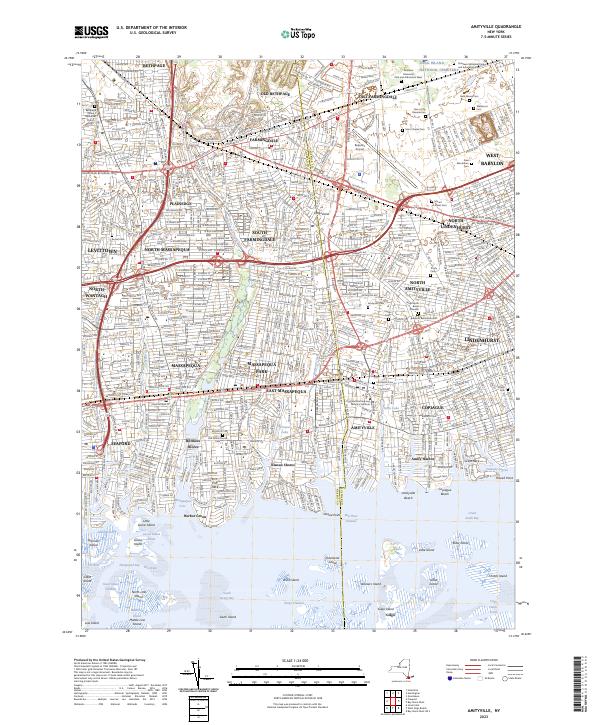 2023 Amityville2023 Print · USGSThe south shore of Long Island is shown here in detail during its modern era of dense suburban development and coastal navigation. Researchers can trace the extensive cemetery districts like Saint Charles Cem or explore the waterfront layouts of Biltmore Shores and Nassau Shores.
End of results
Showing maps 1-21 of 21
Top cities near East Massapequa
- Hempstead historical maps
- Islip historical maps
- Oyster Bay historical maps
- North Hempstead historical maps
- Babylon historical maps
- Huntington historical maps
See more
Top neighborhoods of East Massapequa
Frequently asked questions
- What are the different types of historical maps available for East Massapequa?
- What is the oldest map of East Massapequa?
- Where can I purchase historical maps of East Massapequa for my home or office?
- Where can I download high-res historical maps of East Massapequa?
- Are there historical topographic maps available for East Massapequa?
- Is there historical aerial imagery available for East Massapequa?
- Where are historical maps of East Massapequa sourced from?